
Indonesia’s Bold Move: First Muslim Nation to Deploy Troops to Gaza – What It Means for Middle East Peace
Daniel Kim Views
@@@
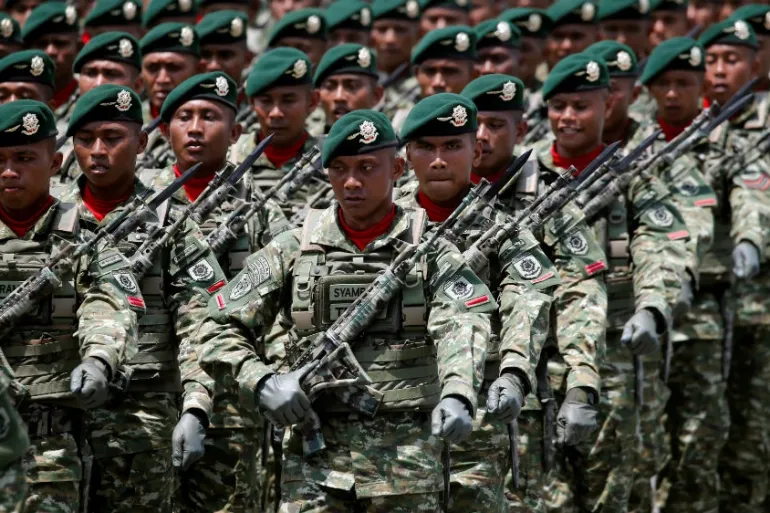
Image created by AI tool related to article content
@@@
In a groundbreaking development, Indonesia is poised to become the first nation to send troops to the Gaza Strip as part of an international stabilization force, according to reports from Israel’s state broadcaster KAN.
This deployment marks Indonesia’s pioneering role in the U.S.-led second phase of the ceasefire initiative. The Indonesian Army Chief of Staff has announced readiness to deploy up to 8,000 troops, with a focus on infrastructure repair and medical support through specialized engineering and medical units.
This bold move represents a significant gambit for the world’s largest Muslim-majority nation.
@@@
Photo
@@@
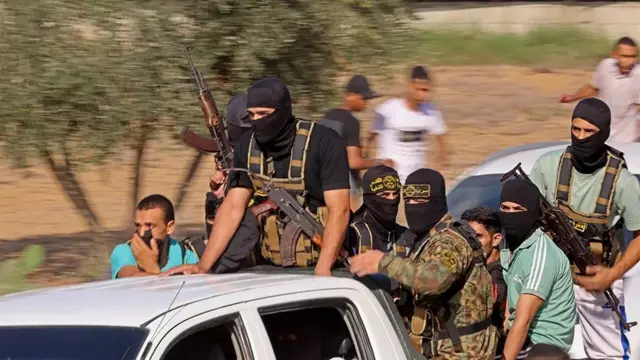
Given the potential threat from Hamas, the mission will be strictly limited to non-combat roles, initially focusing on establishing essential infrastructure such as accommodations and offices.
Indonesia’s participation marks a crucial first step in the U.S. ceasefire proposal’s International Stabilization Force (ISF).
The ISF is a cornerstone of the Trump administration’s second phase Gaza ceasefire plan. Indonesia’s involvement makes it the first Southeast Asian nation to join this effort. Their engineering units will play a vital role in securing routes for humanitarian aid delivery. Israeli media sources suggest the mission will prioritize infrastructure restoration over Hamas disarmament, aiming to avoid direct military confrontation.
@@@

사진
@@@
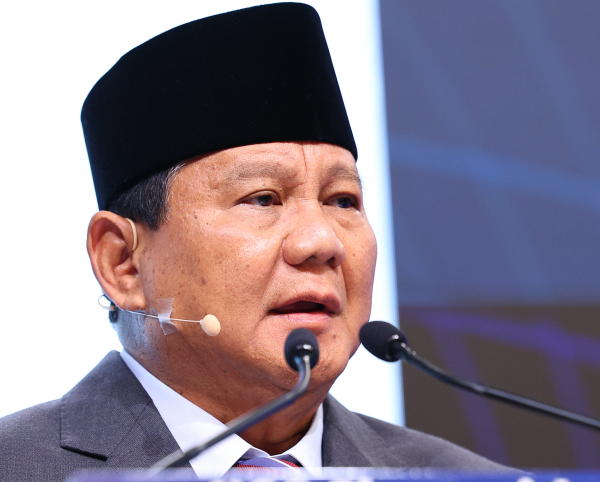
This deployment serves as a critical test for President Prabowo’s Middle Eastern diplomatic strategy.
During the Shangri-La Dialogue, President Prabowo voiced support for a three-phase Gaza ceasefire and expressed readiness to contribute peacekeeping forces. Indonesia brings substantial experience to the table as a major contributor to UN peacekeeping missions.
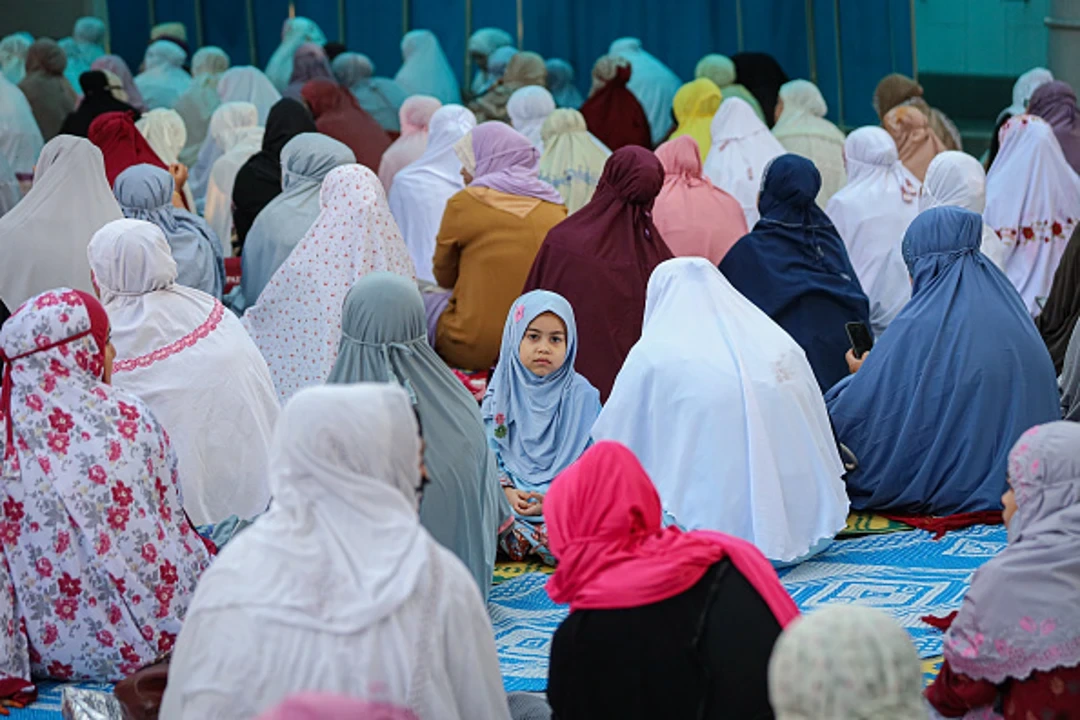
The proposal also includes plans to operate a hospital capable of treating 1,000 Gaza refugees, underlining Indonesia’s commitment to humanitarian aid and its aim to boost its international standing through Middle East engagement.
@@@
Photo
@@@
The mission will focus on critical infrastructure tasks such as rebuilding roads and bridges, providing medical assistance, and facilitating aid transportation. Indonesian troops are expected to be stationed near the Rafah border, working in coordination with Israeli forces.
However, concerns linger about potential negative outcomes. Any direct engagement with Hamas or local conflicts could compromise Indonesia’s intended role as a neutral mediator.
The deployment has sparked debate both within Indonesia and on the international stage.
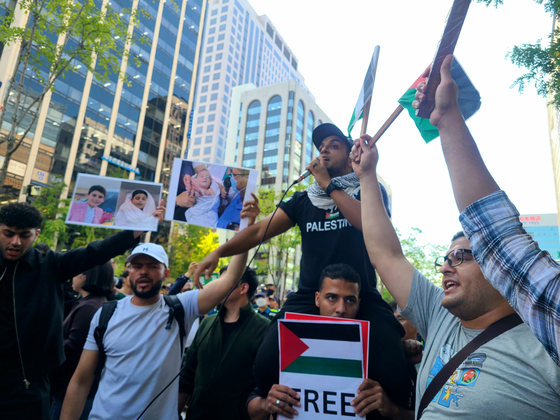
Conservative factions in Indonesia, the world’s largest Muslim-majority country, are likely to oppose any cooperation with Israel. The government must navigate carefully, considering the frequent pro-Palestinian sentiment expressed in public demonstrations.
@@@
Photo
@@@
This move is viewed as a potential breakthrough for the Trump administration’s Middle East strategy.
Indonesia’s involvement could provide crucial momentum to the Gaza reconstruction plan proposed by the Trump administration. For the U.S., securing participation from a major Southeast Asian Muslim nation significantly enhances its mediatory influence in the region. While Indonesia’s role as a potential conflict resolver in the Middle East gains prominence, the reaction from Hamas and ensuring troop safety remain paramount concerns.
@@@
SNS photo
@@@
@@@

Photo
@@@















Most Commented