
@@@
Clien
@@@
Background on South Korea’s Final Decision to Expel Indonesia from KF-21 Program
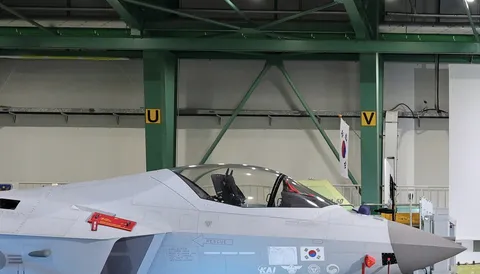
In February 2026, the Defense Acquisition Program Administration (DAPA) officially removed Indonesia from the KF-21 joint development program. The decision was based on three main factors: defaulting on 1 trillion KRW (750 million USD) of the 1.7 trillion KRW (1.275 billion USD) development cost, attempted technology leaks, and disparaging the aircraft’s capabilities while shopping for Turkish and French weapons. Indonesia’s 20% stake was reduced to 0%, the provision of the fifth prototype was canceled, and the transfer of core technologies was halted.
DAPA’s official statement was blunt: “Partner status revoked due to non-payment of shared costs and violation of technology protection agreements. Only direct import of 16 Block 2 aircraft will be allowed.” Indonesia, having gained valuable technology for just 600 billion KRW (450 million USD), pursued Kaan fighters and Rafales, but found itself completely sidelined from the KF-21 production phase. The Jakarta Times reported the shock with an editorial titled “Indonesia’s Aerospace Industry Set Back 20 Years.”
This marks the end of a persistent freeloader.
@@@
Clien
@@@
Indonesia’s Repeated Betrayals and Self-Defeating Actions
Indonesia’s troubles began immediately after being selected as a joint development partner in 2016, starting with defaulting on cost-sharing payments. In 2024, an attempt to steal technology via a KAI employee’s USB drive was uncovered. In 2025, Indonesia announced a contract for 48 Turkish Kaan fighters while disparaging the KF-21 as “4th generation.” They even tried to cancel a Boeing F-15EX deal by demanding the removal of U.S. components.
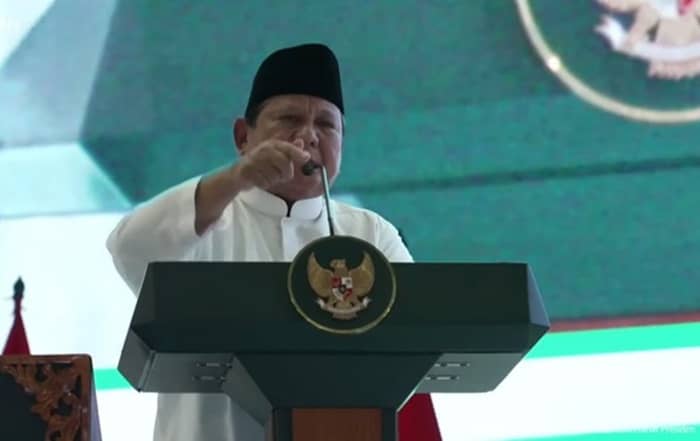
The Indonesian Air Force modernization efforts faltered with delays in Rafale procurement and the seizure of Su-35s. Their vulnerability in the South China Sea increased, with only 20 operational F-16s facing the threat of Chinese J-20s. The Jakarta Globe raised concerns about “paying the price for betraying South Korea,” while criticism of the Prabowo administration spread.
A national own goal has been scored.
@@@
Clien
@@@
The Crucial Reason UAE Stepped In First
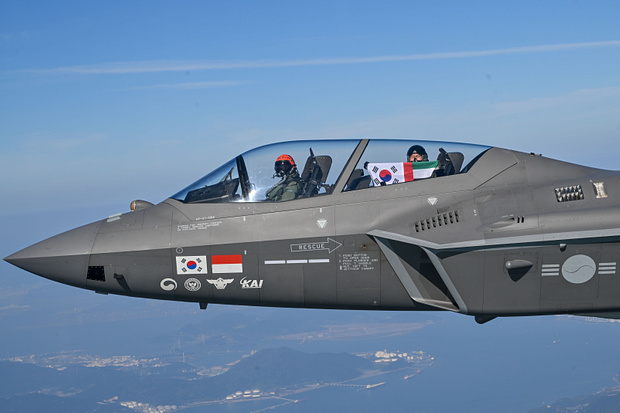
Just three days after Indonesia’s expulsion, UAE Defense Minister Faris Al Mazrouei visited KAI’s Sacheon factory, presenting a proposal to invest 20 trillion KRW (15 billion USD) in joint development of the KF-21 Block 3. This could expand to a 40 trillion KRW (30 billion USD) deal with Saudi Arabia, including participation in Block 3’s internal weapons bay and RAM coating technology.
The UAE’s choice is clear. With aging F-16s and restrictions on F-35 purchases, plus the high cost of Rafales and Eurofighters, the KF-21 is optimal. Impressed by Poland’s FA-50 success and the Philippines’ 12-aircraft deal, the UAE is convinced of “Korean reliability and speed.” Al Mazrouei stated, “Indonesia’s exit is UAE’s opportunity,” pushing for immediate contract negotiations.
This demonstrates the Middle East’s instinct for seizing opportunities.
@@@
Clien
@@@
UAE’s 20 Trillion KRW Investment Scale and Technical Cooperation Details
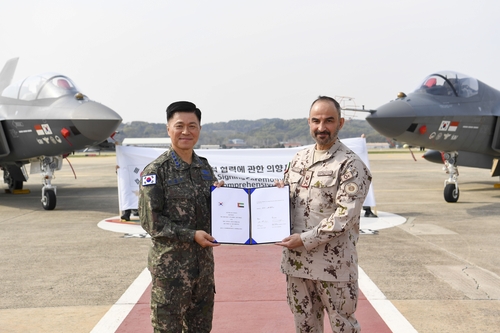
The UAE’s proposal is ambitious. By investing 20 trillion KRW (15 billion USD) of the 8 trillion KRW (6 billion USD) Block 3 development cost, they aim to secure a 25% stake. Plans include joint development of desert-optimized weapons (Hyunmoo air-to-ship missiles and AIM-120), final assembly of Block 3 in Abu Dhabi, and becoming an export hub for Saudi Arabia and Qatar.
KAI welcomes the UAE’s funding, which could accelerate Block 3 development by two years, targeting production by 2032. For the UAE, the KF-21 Block 3 at 80 billion KRW (60 million USD) is half the price of the 150 billion KRW (112.5 million USD) F-35, while promising 5th-generation capabilities. Local production is expected to create 10,000 jobs.
This fully compensates for Indonesia’s departure.
@@@
Clien
@@@
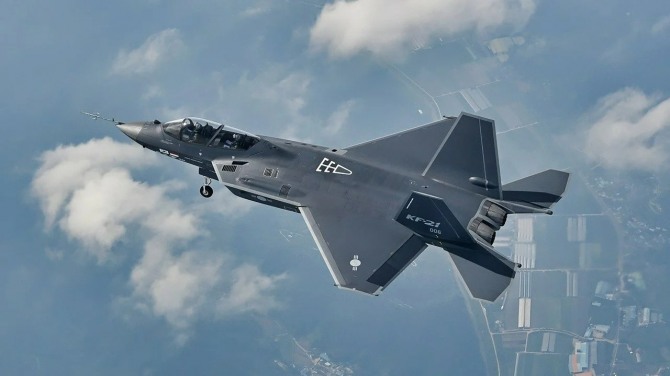
Philippines and Malaysia Open New Doors in Southeast Asia
The Philippines has seized the opportunity left by Indonesia’s exit. After contracting 12 FA-50s in the BRAVE1 package, they’re considering 18 additional KF-21 Block 2 fighters. President Duterte declared, “Countering China in the South China Sea is our top priority,” fully embracing Korean weaponry.
Malaysia, having ordered 18 FA-50s, is now eyeing KF-21 Block 1 to fill Indonesia’s shoes. Vietnam has requested KF-21 test flights, favoring it over Rafales. Indonesia’s exit has accelerated the reshaping of the Southeast Asian defense market in Korea’s favor.
This vacuum has created new opportunities.
@@@
Clien
@@@
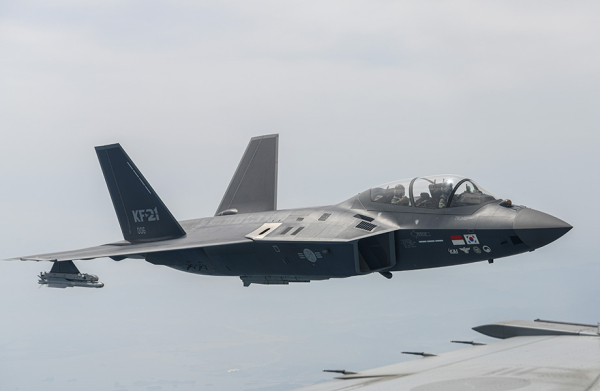
Global Reactions and Benefits for Korean Defense Industry
Indonesia’s expulsion sent shockwaves through the global defense industry. Poland welcomed the decision, while Turkey acknowledged Korean technological superiority amidst delays in their Kaan project. Indonesia’s isolation intensified after canceling the Boeing F-15EX deal.
With UAE and the Philippines as new partners, Korea maintains its 200-aircraft export target, projecting a 15 trillion KRW (11.25 billion USD) increase in KAI’s revenue. Accelerated Block 3 development could propel Korea to become the world’s third-largest fighter jet producer by 2035. Meanwhile, Indonesia faces air force capability gaps as it shops for Turkish and Chinese alternatives.
This serves as a stark lesson on the fate of unreliable partners.
@@@
Clien
@@@
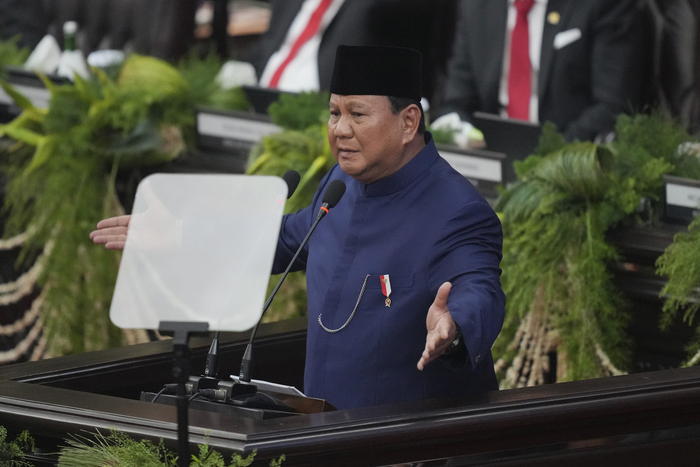
Indonesia’s Humbling Courtship and Future Prospects
Indonesian media has changed its tune. The Jakarta Post published an editorial “pleading for reinstatement as a joint development partner.” The Defense Minister proposed an immediate contract for 16 Block 2 aircraft, but Korea remains silent. With reduced technology transfer and loss of export consent rights, Indonesia’s aerospace ambitions have been dealt a severe blow.
The success of UAE and Philippine deals has forced Indonesia to face the reality that “we can’t survive without Korea.” The Prabowo administration faces mounting criticism as vulnerabilities in the South China Sea deepen. The KF-21 expulsion stands as a cold judgment on the value of money and trust.
A new era dawns for the Korean defense industry.










Most Commented