
From Conflict to Compassion: How Baengma-goji’s Remains Are Reshaping Korean-Chinese Relations
Daniel Kim Views
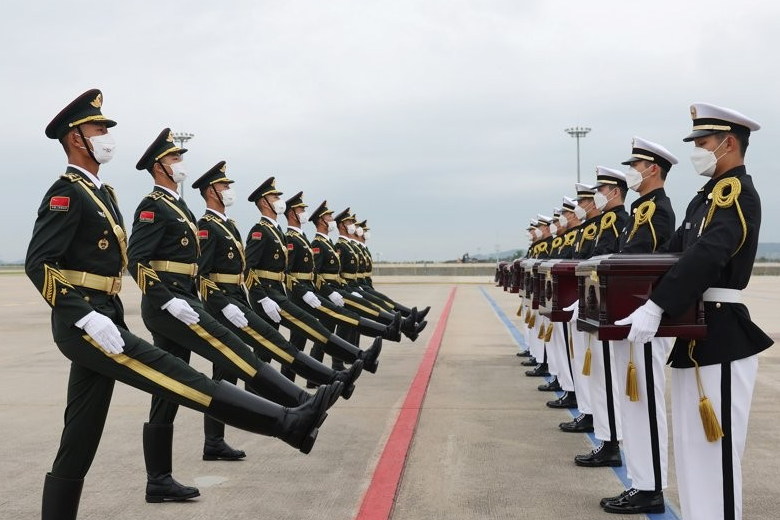
White Horse Hill: A Fierce Battleground
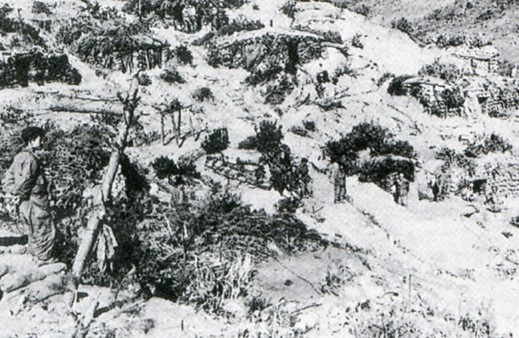
From October 6-15, 1952, the ROK 9th Division defeated the Chinese 38th Army’s 3rd Division at White Horse Hill (Hill 395) in Cheorwon, Gangwon Province. The battle resulted in over 960 ROK soldiers killed and thousands of Chinese casualties, leaving the hill strewn with remains.
During excavations, more Chinese remains were found than South Korean when digging for ROK soldiers. Reconstructing bodies from bone fragments revealed the human toll of war victims.
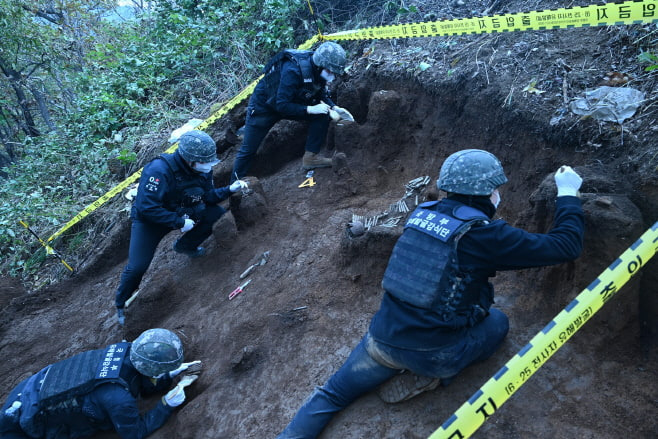
ROK Remains Recovery Leads to Repatriation of Chinese Soldiers
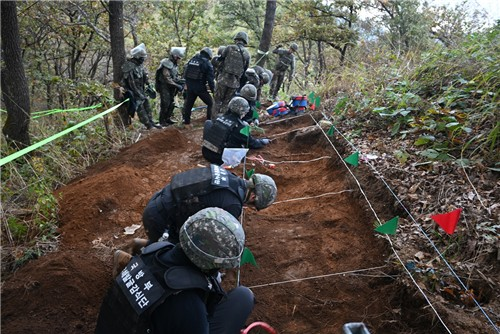
Since 2021, the Ministry of National Defense’s KIA Recovery and Identification Unit has been excavating the southern DMZ area of White Horse Hill. Along with 25 sets of ROK remains, numerous Chinese remains were recovered. In accordance with international law and humanitarian principles, South Korea decided to return them to China.
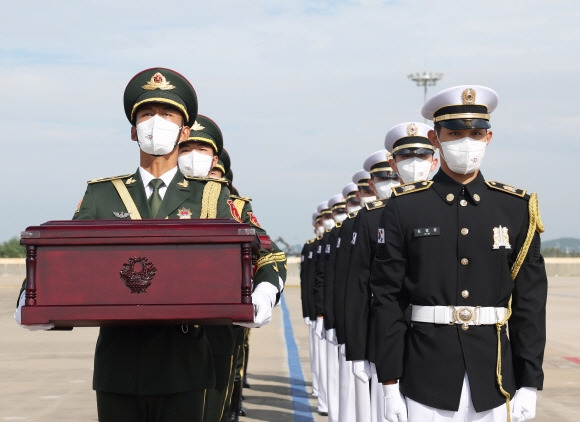
Based on a 2014 South Korea-China agreement, remains are repatriated annually before Qingming Festival. As of 2025, a total of 1,011 sets have been returned. Ceremonies at Incheon Airport are attended by the ROK Defense Minister and China’s Minister of Veterans Affairs.
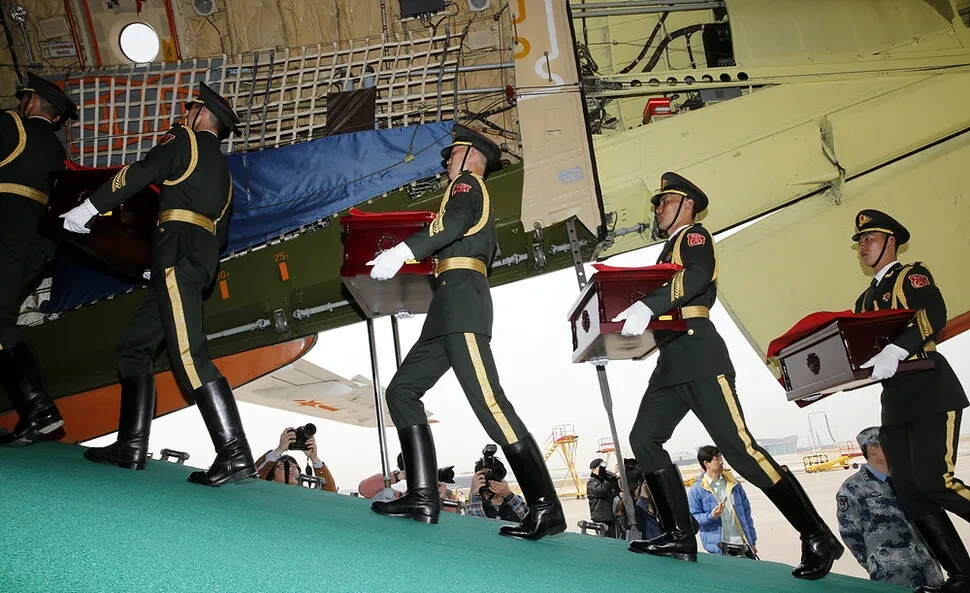
Symbolic Handover Ceremony at Incheon Airport
The 12th repatriation ceremony at Incheon Airport saw the return of 30 sets of Chinese remains, a byproduct of ROK remains recovery efforts. The Vice Minister of Foreign Affairs and Chinese representatives attended.
While China hails it as the “return of heroes,” South Korea views it as a humanitarian gesture to return the remains of invading forces, similar to the repatriation of 88 out of 143 sets from Arrow Head Hill.
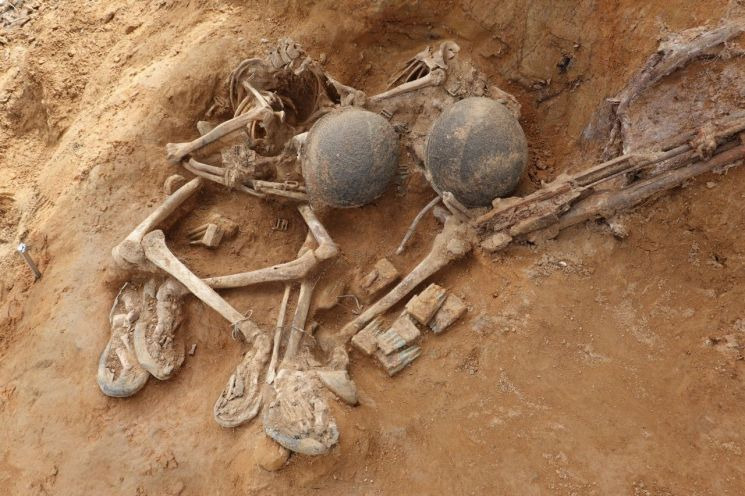
Chinese Remains Recovery Highlights War’s Tragedy
Excavations at White Horse Hill yielded commingled ROK and Chinese remains. Reconstructing skeletons revealed “family breadwinners,” evoking empathy for war victims despite being former enemies.
The Ministry of Defense uses DNA analysis and personal effects to identify remains. Chinese remains are repatriated around Qingming Festival, marking a significant milestone in the 30th anniversary of South Korea-China diplomatic relations.
South Korea’s Humanitarian Efforts Set Global Example
South Korea also recovers and repatriates U.S. and North Korean remains. Despite Chinese retaliation and COVID-19, South Korea has honored its 12-year commitment. This respect for international law symbolizes peace.
While China emphasizes “military diplomatic cooperation” during repatriation ceremonies, critics argue it overlooks its history of invading Korea. The White Horse Hill remains represent a step towards reconciliation.
Ongoing Recovery Efforts
Excavations continue in the southern DMZ area of White Horse Hill. By 2025, 25 sets of ROK remains were recovered, with Chinese remains found alongside and repatriated annually.
The Ministry of Defense pledges to continue “until the last one is found.” They maintain over 5,000 personal effects, aiding in the search for families and contributing to war healing efforts.
White Horse Hill: A Bittersweet Legacy
The ROK 9th Division’s victory at White Horse Hill is legendary in Korean War history. However, the mounds of remains underscore its tragic cost. The repatriation of Chinese soldiers symbolizes healing from a hostile past.
The exchange of remains at Incheon Airport sends a message of peace. Respecting all war victims ensures a better future.















Most Commented