
Helicopter Crash Likely Caused by Pilots’ Heroic Effort to Avoid Residential Areas
Aging Cobra Fleet Raises Serious Concerns
Pilots’ Sacrifice Prevents Civilian Casualties
@@@
@@@
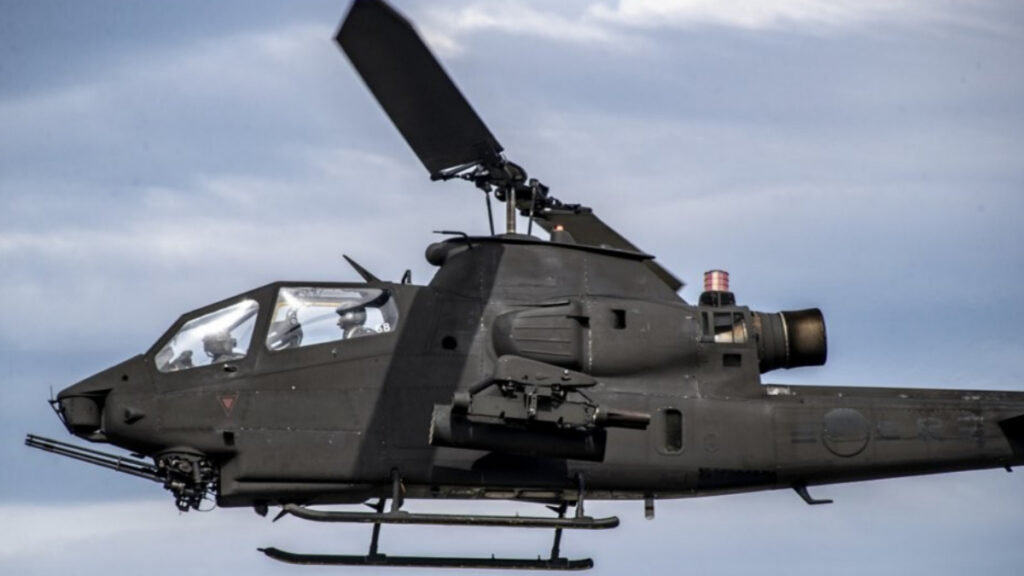
As investigators probe the February 9 helicopter crash, eyewitnesses suggest the pilots may have deliberately steered the aircraft away from populated areas.
The Army reported that an AH-1S Cobra helicopter went down during an emergency procedure training exercise on February 9, resulting in the tragic loss of both crew members.
Pilots’ Last-Ditch Effort to Protect Civilians
@@@
@@@
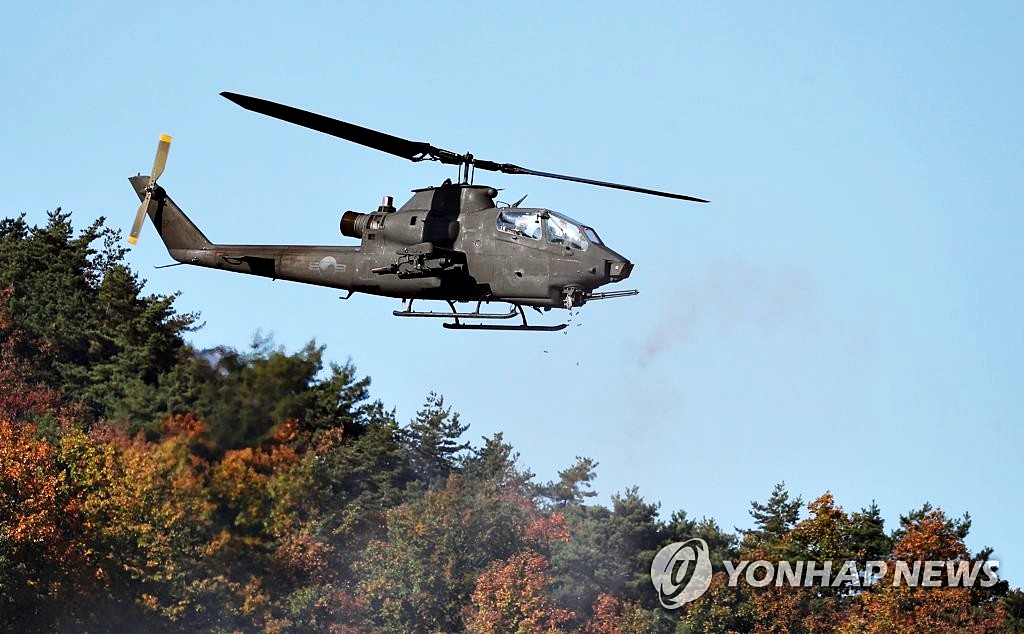
The Cobra crashed in the middle of a riverbank, leading local residents to believe the pilots intentionally guided the aircraft away from homes and into the waterway.
The crash site is surrounded by residential areas, an LPG facility, and factories. Had the helicopter gone down in a densely populated zone, it could have resulted in a catastrophic incident.
A local resident stated, “If the chopper had come down near houses, we could have seen significant casualties. It looks like the pilots fought hard to avoid civilian areas.”
Another resident observed, “The fact that it crashed mid-river suggests the pilots deliberately aimed for that spot to minimize harm to people on the ground.” The community widely believes the pilots’ actions were a selfless attempt to prevent additional loss of life.
Aging Helicopter Fleet Raises Red Flags
@@@
@@@
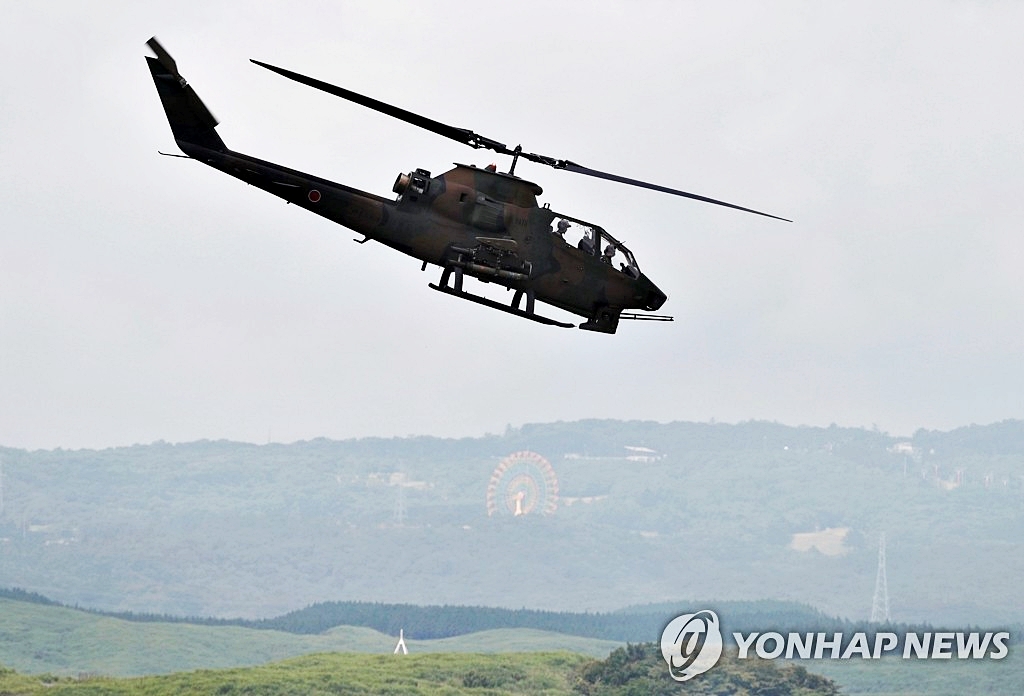
While the exact cause of the crash is still under investigation, many experts are voicing concerns about the aging Cobra fleet.
South Korea first acquired AH-1J series Cobras in the 1970s, later upgrading to AH-1S models between 1988 and 1991. The ill-fated helicopter was introduced in 1991, making it the newest in the fleet, yet it had been in service for a staggering 35 years.
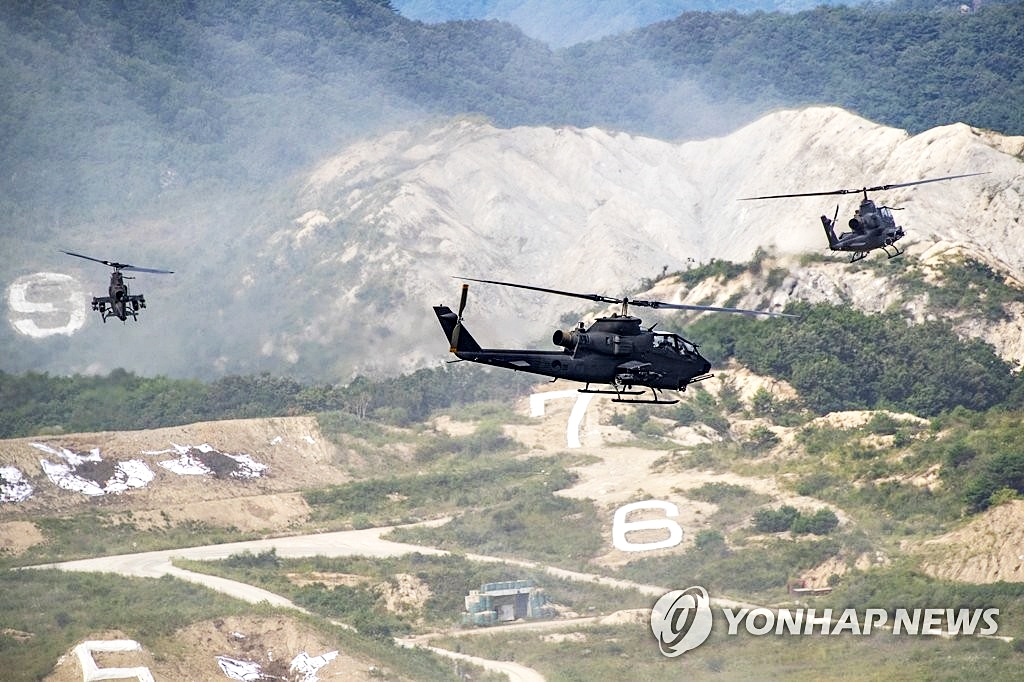
Ongoing parts shortages have steadily reduced the number of airworthy Cobras. In response, the military has been developing the light armed helicopter “Miron” to replace both the Cobra and 500MD models.
@@@
@@@
However, the first Miron isn’t slated for delivery until December 2024, with full fleet replacement expected to take an additional five years.
The Human Cost of Aging Military Hardware
This incident isn’t isolated. In 2022, a KF-5 fighter jet, notorious for its age-related issues, went down during a flight, claiming the life of Major Shim Jeong-min.
In that incident, Major Shim chose not to eject, instead guiding his stricken aircraft away from populated areas and into a hillside, preventing civilian casualties at the cost of his own life.
Military analysts stress that aging equipment poses an ongoing threat to service members’ lives. They unanimously call for the swift replacement of outdated hardware to prevent further tragedies.










Most Commented