
Translation result.

Jeong Se-yoon’s One Point
TenAsia reporter Jeong Se-yoon breaks down compelling TV industry issues with a fresh angle and a smooth, easy-to-read style.

Dramas that intersect with real life are getting renewed attention. Series such as Climax and Honor: Their Court have woven plotlines that call to mind real-world scandals—the late Lee Eun-joo’s death and the Jang Ja-yeon list among them—creating a sense of déjà vu that pulls viewers deeper into the narratives.
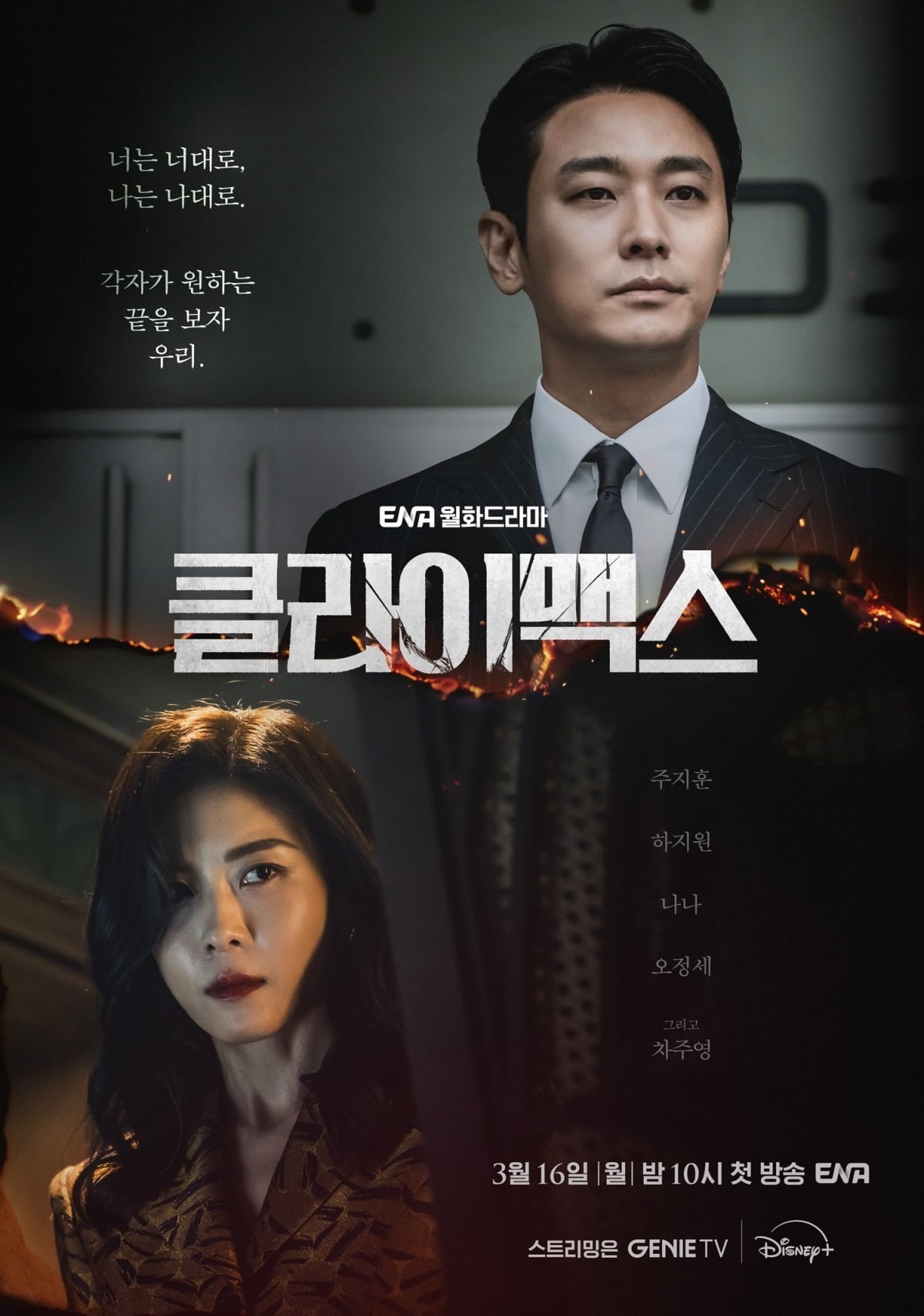
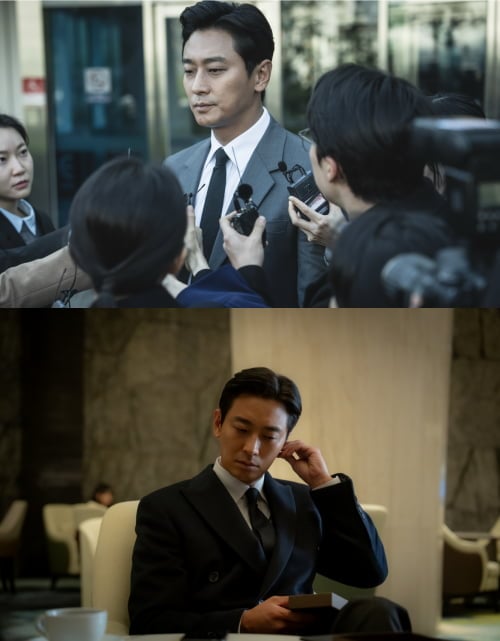
ENA’s Climax, which premiered on the 16th, follows prosecutor Bang Tae-seop as he navigates a climb toward the country’s highest seats of power, and traces the survival struggles of those around him. Ju Ji-hoon stars as Bang Tae-seop opposite Ha Ji-won, who plays his wife, Chu Sang-ah.
Director Lee Ji-won told reporters at a press event that she folded two decades of film-industry experience into the script, and that several episodes draw on real incidents. As a result, the series frequently stages scenes that closely echo real-life events.
Episode 3, which aired on the 23rd, depicts actress Han Ji-soo (played by Han Dong-hee) dying by suicide after being pressured into excessive intimate scenes. Many viewers immediately linked that storyline to the late actress Lee Eun-joo, who died in 2005. Reports at the time suggested Lee suffered worsening psychological distress after working on The Scarlet Letter and struggled with the intense exposure and intimate scenes she had been asked to perform, a history that made the episode particularly poignant for audiences.
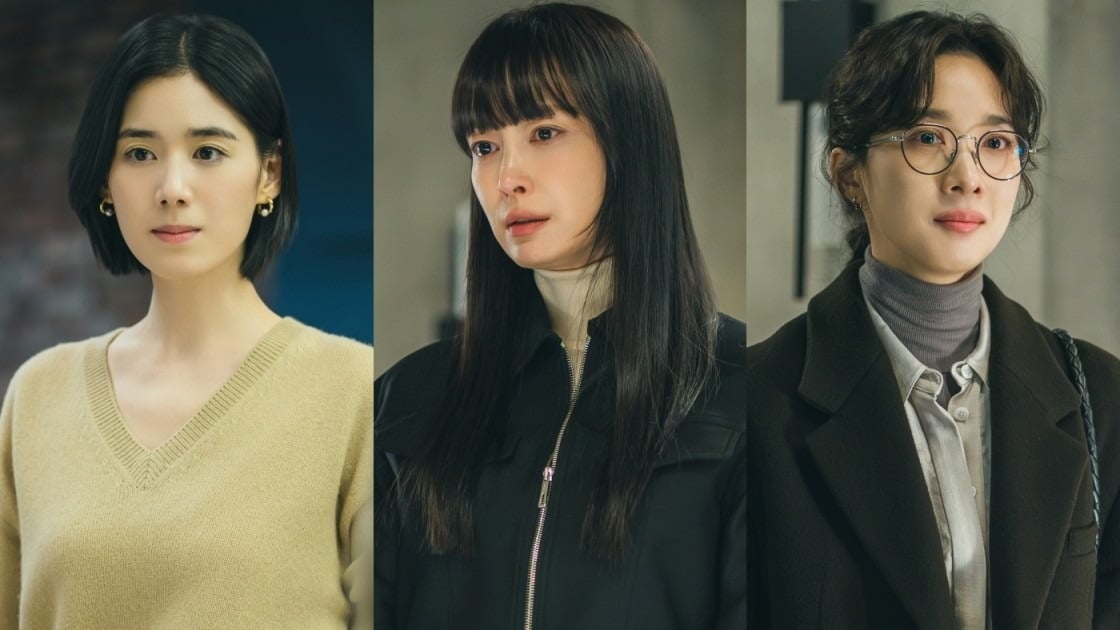
ENA’s recently concluded Honor: Their Court (hereafter Honor) similarly incorporates multiple incidents inspired by reality. The series is a mystery-thriller that follows a team of female lawyers investigating a major past scandal. Lee Na-young, Jung Eun-chae, and Lee Chung-ah play lead attorneys at L&J (Listen and Join), a firm specializing in representing female victims. Their cases focus on platform-based sexual exploitation, corruption among powerful figures, and a shadowy cartel operating behind the scenes.
The show’s central arcs naturally summon memories of real-life controversies such as the Nth Room and Burning Sun cases. One storyline—centered on a so-called “Seo Ji-yoon list” involving sexual favors for a rookie actress—bears a striking resemblance to the 2009 Jang Ja-yeon list scandal, lending the drama added realism.
At the time, the late Jang Ja-yeon left documents alleging she had been coerced into providing sexual services to influential figures; her death sparked a national outcry. Although investigations exposed networks of power and corruption spanning entertainment, politics, and business, the full truth was never established, and the case left a lasting controversy. Honor’s treatment of digital sexual crimes similarly evokes invisible cartels and entrenched systems of concealment.
Pop-culture critic Jeong Deok-hyun said, “When a drama reinterprets real events, it can heighten immersion. Familiar incidents make a story feel more immediate, and they can rekindle the emotional response tied to the original case.” He noted that narratives based on known events require less exposition and can prompt quicker emotional engagement.
At the same time, Jeong warned that storytellers must tread carefully to avoid sensationalism. “If reenactments lean too heavily on titillation or provocation, they risk turning public awareness into a form of secondary consumption rather than fostering genuine reflection,” he said. “A cautious, considered approach is essential.”
Jeong Se-yoon, TenAsia reporter yoon@tenasia.co.kr















Most Commented