
Translation result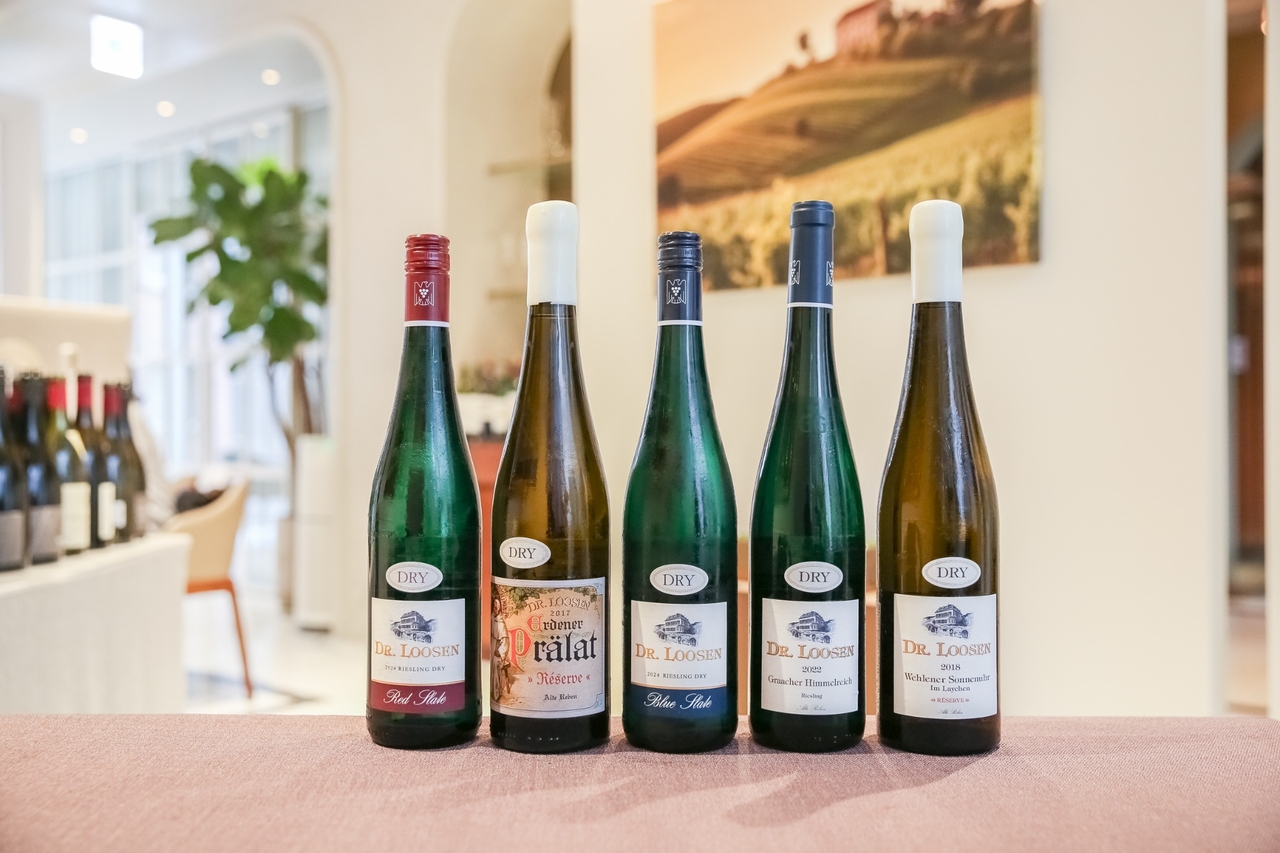 [RealFood = Reporter Sung-yeon Yuk] “One of the keys to a great sparkling wine is acidity. We have aromatic Riesling varieties with naturally high acidity.”
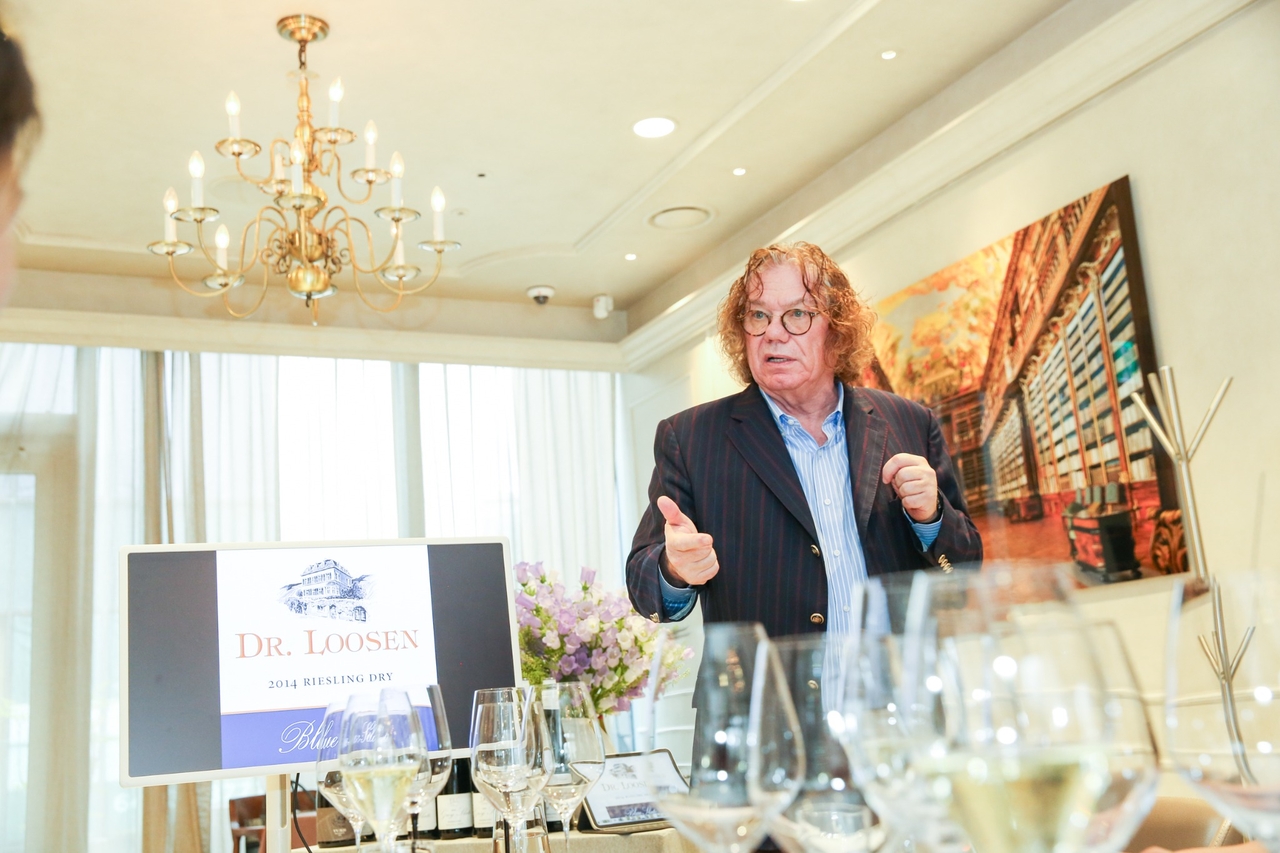
Ernst Loosen, owner of Germany’s Dr. Loosen winery, returned to Korea for the first time in 10 years. He spoke at a media event at Le Monde du Vin in Cheongdam-dong, Gangnam, Seoul, on the 28th. Dr. Loosen is a storied German house with 200 years of Riesling expertise.
Ayoung FBC, a major beverage company, put the event together to highlight a shift in Korea’s wine scene. Koreans have long leaned toward bold reds, but recently there’s been growing interest in whites—especially those with bright acidity, mineral character, and lower alcohol. Riesling captures that trend perfectly.
Riesling is a white grape that thrives along Germany’s Rhine, particularly in the Mosel. Along with Chardonnay and Sauvignon Blanc, it’s considered one of the world’s top three white varieties.
Loosen explained what makes a great Riesling site: “You want a south-facing slope to catch sun, and steep inclines to keep a cool climate.” He pointed to the Mosel’s famously steep vineyards—some near 30 degrees. While most vines are grafted, Mosel’s slate soils drain so well that growers can cultivate own-rooted vines that haven’t been grafted for 100 years. Because phylloxera—the vine pest—can’t survive in those conditions, they rely on these ungrafted vines. For that reason, Dr. Loosen often labels its wines by soil and grape variety rather than by vineyard name.
The winery also keeps winemaking simple during fermentation: no additives, and a commitment to traditional oak barrels. “Oak breathes and allows slight oxidation, which gives the wine a more harmonious, layered complexity,” Loosen said.
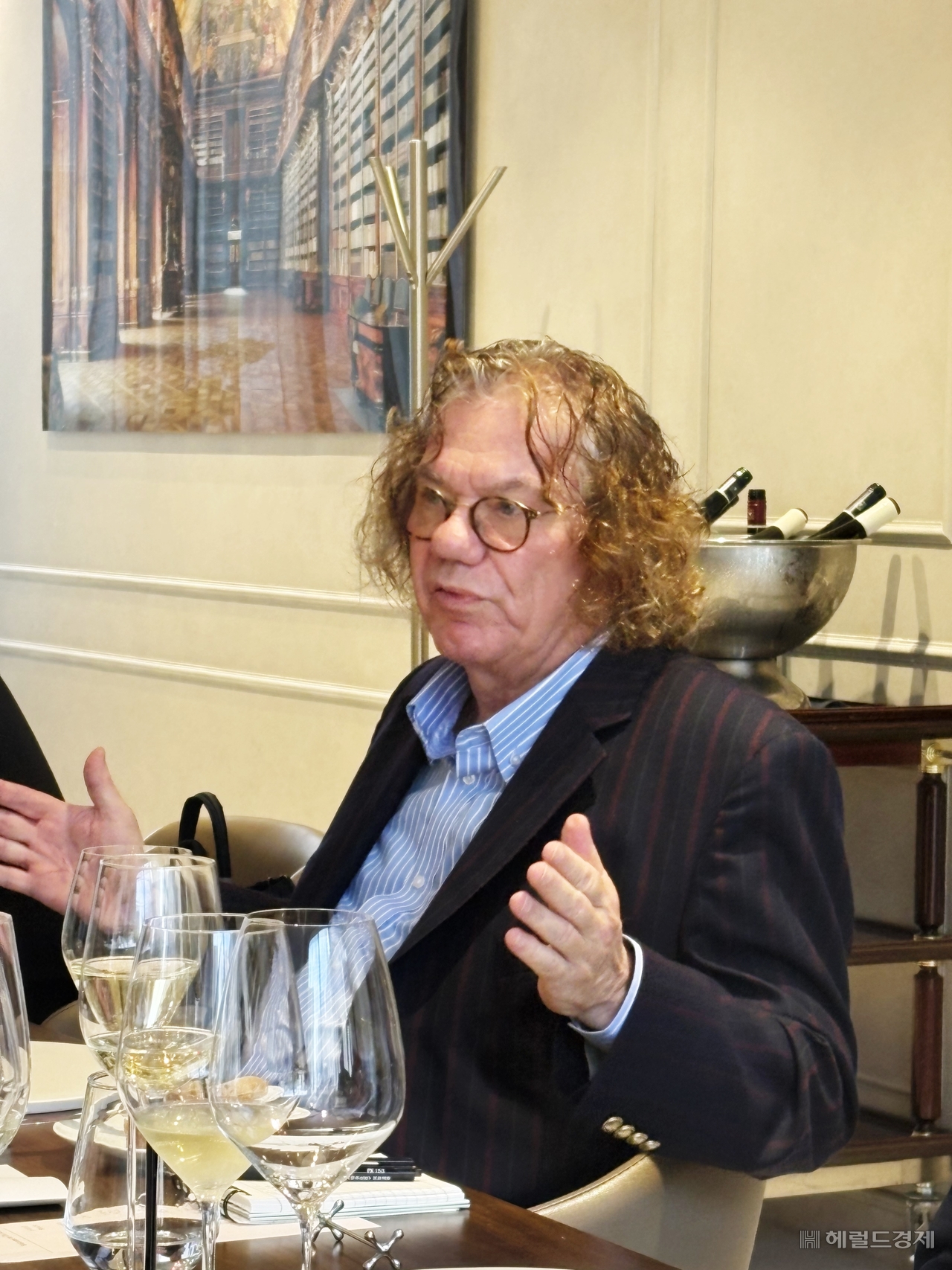 Loosen also walked the audience through Germany’s long love affair with sparkling wine. “Germans really enjoy sparkling,” he said. “Around 4–5 p.m., you’ll often see women sipping sparkling wine.” He stressed that a sparkling wine made from 100% Riesling has a distinct, enticing profile.
6 wines were poured at the tasting. Even though they were all Rieslings, soil differences created noticeably different expressions. The “Blue Slate Riesling Dry” showed sharp acidity and pronounced minerality. The “Red Slate Riesling Dry 2024” had a bolder, more concentrated profile. Loosen noted that both the Blue and Red Slate bottlings can age for many years and maintain a fresh character as they mature.
The food pairings highlighted white-wine-friendly fare: sweet shrimp, bluefin tuna, cod, and red potatoes. The “Riesling Sparkling Dry” paired beautifully with brioche because of its clean finish. Guests also tasted “Graacher Himmelreich Riesling Dry Alte Reben GG 2022,” “Beilener Sonnenwuer Riesling Dry Im Riechen GGR 2018,” and “Erden Pralat Riesling Dry GG Reserve 2017.”
Riesling’s high acidity makes it a star with spicy dishes, rich or fatty foods, and fermented items. Germany’s iconic sauerkraut is a classic match—its tang and texture are a perfect foil for Riesling’s brisk acidity.
Loosen is often called “the King of Riesling,” a nickname earned through decades of work and praise from global wine media. In 2005, Decanter inducted him into its Hall of Fame. The U.S. magazine Wine & Spirits also named him one of the “50 Most Influential Winemakers in the World.”









Most Commented