
Translation result
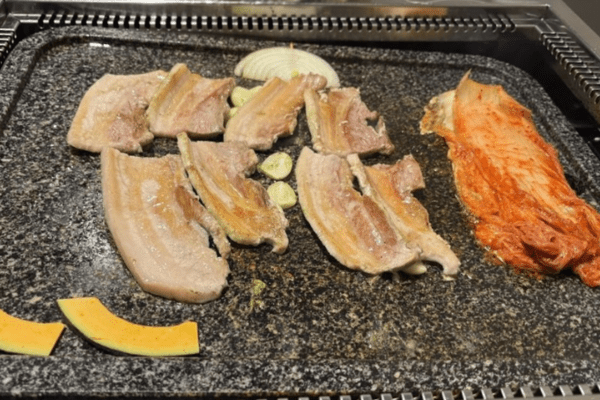
Yes — different sections of pork belly actually taste different
When people shop for pork belly, they usually only look at fat percentage or slice thickness. But pros who work with meat every day say that samgyeopsal (Korean pork belly) can vary noticeably in flavor and texture depending on the cut.
One big difference comes down to whether small bits of cartilage are present or not — that changes the bite when you grill it. That’s why many seasoned meat lovers deliberately seek out slices with cartilage mixed in.
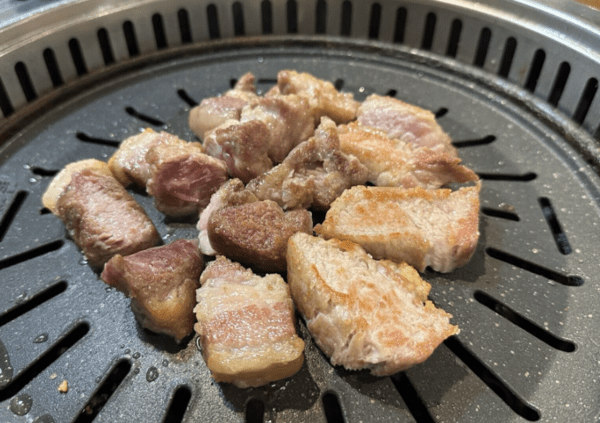
The area without cartilage is commonly called the michuri cut
Butchers often call the tail end of the pork belly, where cartilage is scarce, the michuri cut. This section tends to have more lean meat and less cartilage or connective tissue. At first glance, it might look like you’re getting more edible meat — but it behaves differently on the grill.
With less fat and cartilage, the chew can be one-note and feel drier. That’s why some meat fans favor samgyeopsal that includes cartilage rather than the michuri cut.
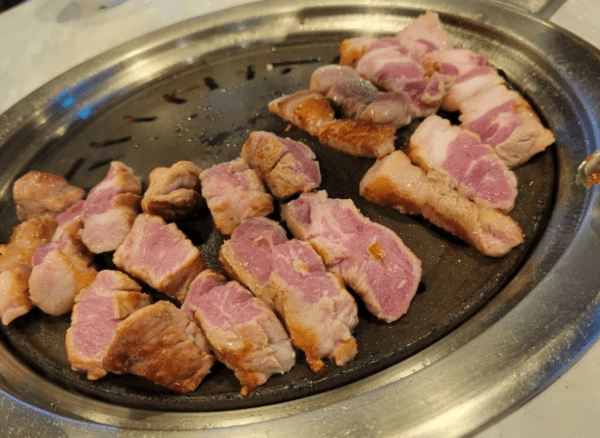
There’s a reason the area around the cartilage gets rave reviews
Technically, the cartilage in pork belly connects to the costal cartilage. Around that spot, fat layers and connective tissue are balanced just right. When grilled, the fat slowly melts and boosts juiciness and flavor.
The tissue near the cartilage also gives a signature springy chew when cooked. That’s why regulars at Korean barbecue spots often say the area near the cartilage is the best part. Many diners feel it delivers the best of both pork ribs and pork belly.
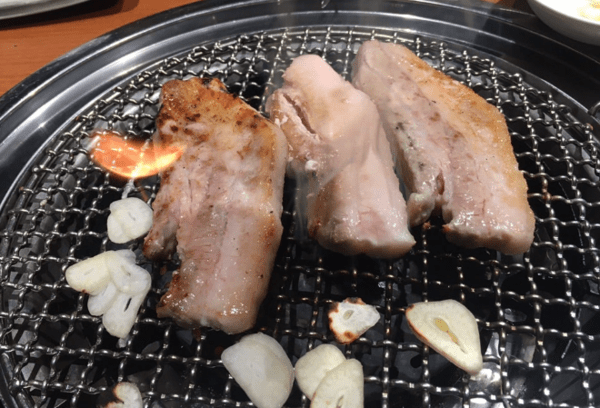
The nuttier, savory flavor builds the more you chew
Samgyeopsal with cartilage isn’t just about texture. The blend of fat and connective tissue around the cartilage releases a savory, slightly nutty flavor that unfolds as you chew. The michuri cut tastes cleaner, but it can come across as less juicy and flavorful.
If you love thick cuts or charcoal-grilled meat, you’ll likely prefer slices that include cartilage. Regular customers at butcher shops will often ask for cuts that keep that cartilage in place.
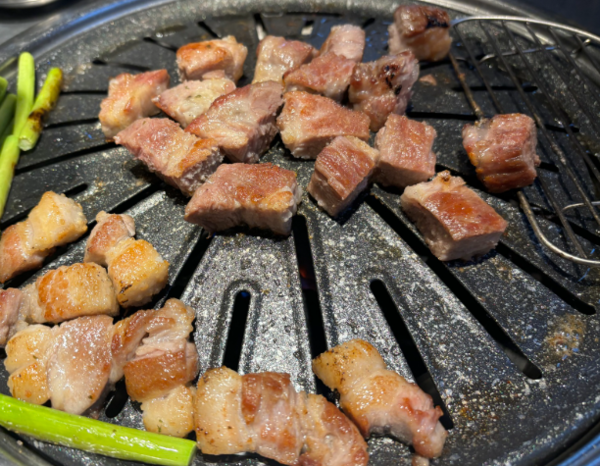
Meat experts often recommend the cartilage-containing section
Recent meat-focused shows and interviews with butchers often praise samgyeopsal that contains a moderate amount of cartilage. Tastes vary, but diners who care about chew and flavor tend to rate the cartilage area highly.
They point to its ability to hold juices on the grill and to offer a more varied mouthfeel. On the flip side, kids and anyone who prefers a very tender bite may opt for the michuri cut.
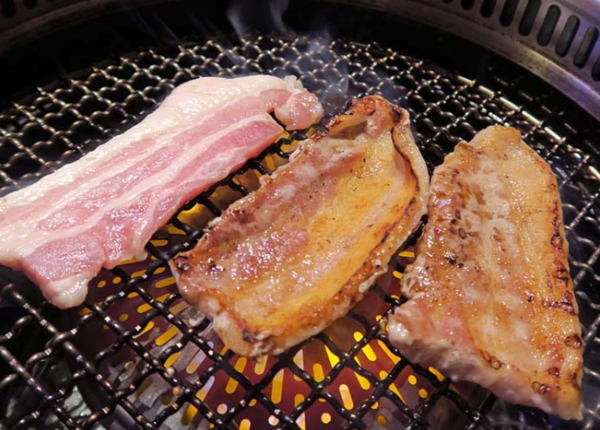
Real examples from Korea
In Korea, popular butcher YouTube channels and meat shows have repeatedly explained the differences among pork belly sections and recommended cuts that include cartilage. One butcher owner said customers often ask to remove the cartilage at first, but regulars tend to pick the pieces that keep it.
On online meat forums, posts like “The cartilage area is the most savory,” “Michuri is clean-tasting but the cartilage side has better texture,” and “Most of the parts I loved at barbecue places were near the cartilage” keep popping up and drawing attention.










Most Commented