
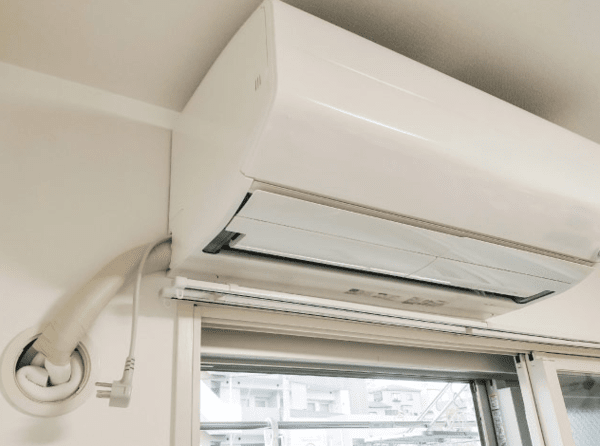
Hot weather has everyone watching their electric bills. When you step out for a quick errand, do you switch the AC off—or leave it running on low?
Many assume that turning the unit off always saves money, but appliance makers and energy experts now say that for short outings, leaving the AC on can actually be more efficient. That advice comes up more often as more households switch to inverter-style air conditioners.
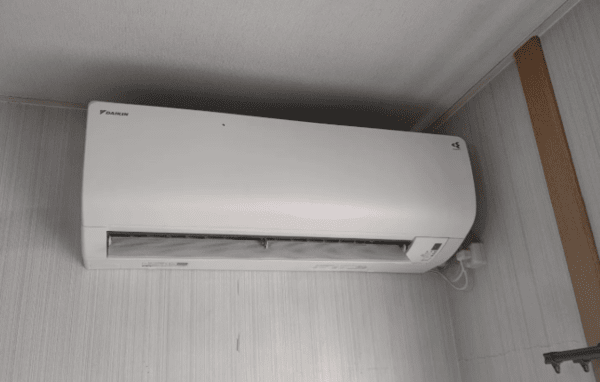
Inverter air conditioners are more efficient when you keep them running
Most home air conditioners sold today use inverter technology. An inverter unit reduces compressor output as the room approaches your set temperature, which cuts power use. In plain terms: the system uses the most electricity when it first cools a hot room, then consumes far less energy to maintain that temperature.
The catch is this: if you turn the AC completely off and then turn it back on, the unit has to crank up to full power again to cool the space from scratch, causing a sharp spike in electricity use.
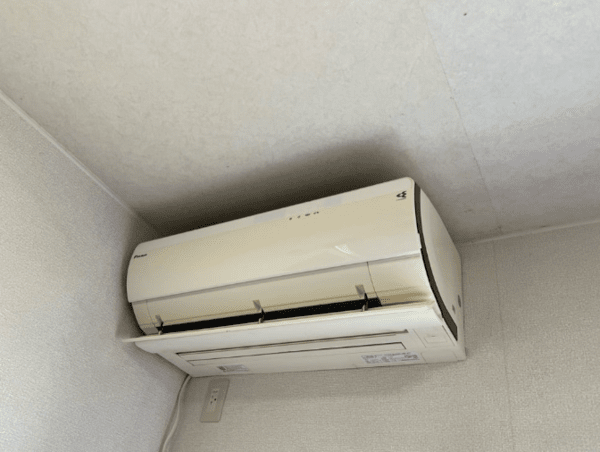
For trips of about 1–2 hours, keeping the AC on low can be more efficient
Experts and manufacturers say that for short absences—typically around an hour or two—running the AC on a low setting is often the smarter move.
In peak summer, walls and furniture soak up heat, so if you switch the AC off, indoor temperatures can jump quickly. When you restart the unit, it may need extra energy to cool all that stored heat back down.
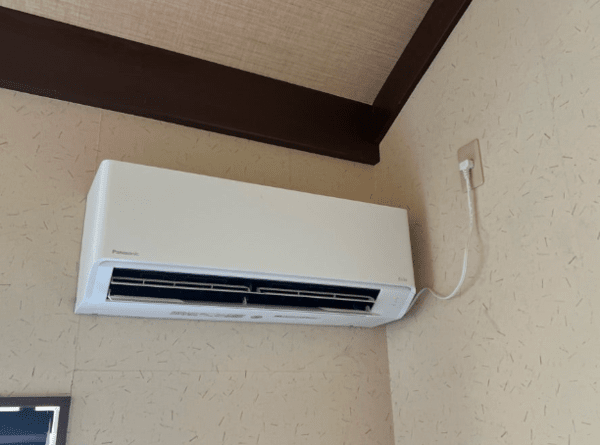
Many recommend keeping the thermostat around 26–28°C (about 79–82°F) when you step out briefly
The go-to setting for short outings is usually in the 26–28°C range (about 79–82°F). Set it too low and you’ll waste energy; turn it off entirely and the room can heat up fast. Pairing the AC with a fan or circulator improves airflow and helps the system cool more efficiently.
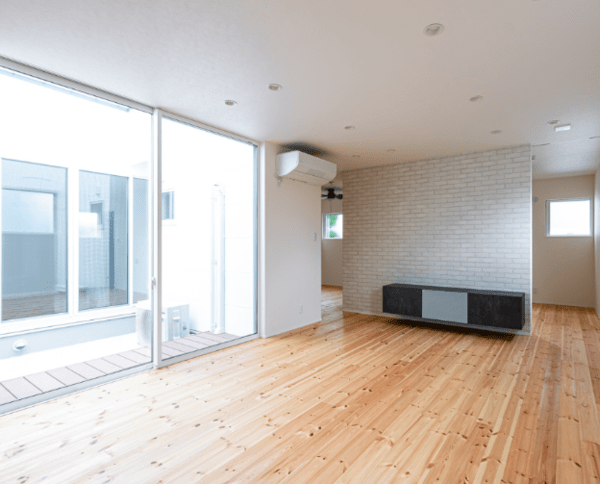
Keeping the AC on can also help control humidity
Humidity makes summer feel hotter than the thermometer suggests. Air conditioners not only cool the air but also remove moisture, so switching them off can let indoor humidity climb quickly.
During the rainy season, even short absences can leave a home feeling damp, so running the unit lightly can help maintain comfort.
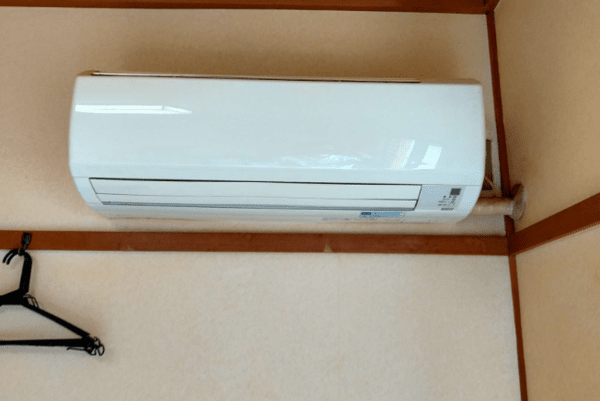
Real-world comparisons of electric bills have grabbed attention
Lifestyle shows and YouTube channels have repeatedly tested different AC strategies. In one popular Korean experiment, a one-hour outing was tested two ways—turning an inverter AC off and then on versus leaving it set at 27°C (about 81°F)—and the results showed lower power use when the unit was left running, sparking public interest.
Online reactions included comments like, “Turning it off isn’t always the answer,” “Inverter units are more efficient when left running,” and “For short trips, it’s better to leave it on low.” Experts note, however, that if you’ll be gone for many hours or away all day, turning the AC off is still the right choice.















Most Commented