
Translation result
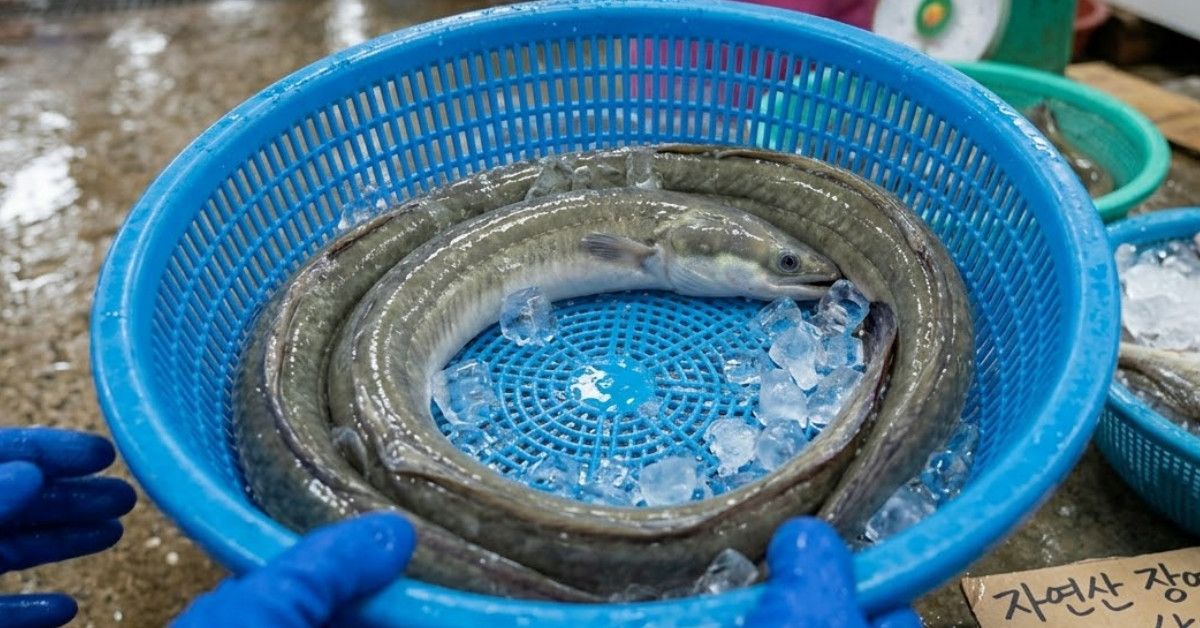
After the rain, mid‑May temperatures climbed faster than usual, ushering in early‑summer weather nationwide. As many middle‑aged and older adults report feeling drained, seasonal eel has resurfaced as a go‑to restorative dish. In May, eels bulk up with nutrients before heading to sea to spawn—fattening and firming up their flesh. They’re packed with vitamin A and unsaturated fatty acids, which can help boost immunity and support vascular health.
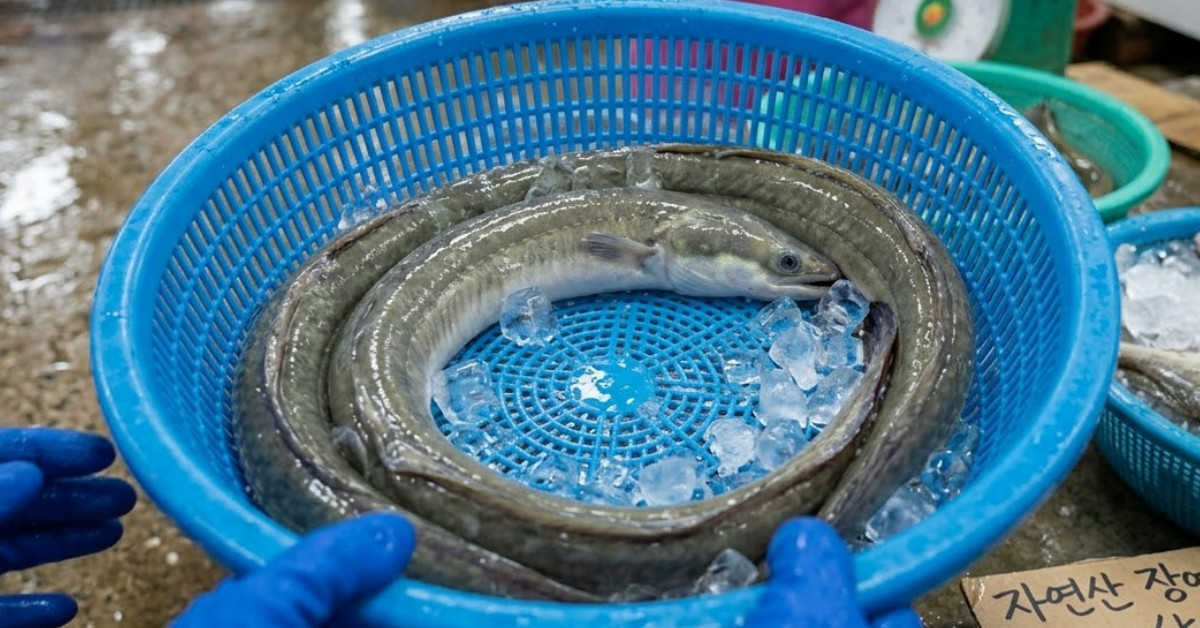
Why eels taste best in May — the science and ecological value
Eels belong to the order Anguilliformes, and the ones we eat most often are freshwater eels that migrate between rivers and the ocean. These fish make a mysterious, marathon migration—swimming thousands of kilometers to spawn near the deep Pacific Mariana Trench. Because artificial hatching and closed‑cycle farming aren’t yet perfected, producers still rely mainly on capturing glass eels and raising them. From a quality perspective, eels harvested in May generally offer the richest nutritional profile.
A midlife health cheat sheet: what eel’s nutrients do for you
Eel is more than a high‑protein choice. Its vitamin A (retinol) content can exceed that of common fish by more than 100 times. That helps protect eyesight, ward off night blindness, and aid regeneration of skin and mucous membranes—reasons why people in their 40s and 50s turn to eel when presbyopia or dry eyes set in.
The slippery mucin on eel promotes protein absorption and protects the stomach lining. Eel also contains chondroitin, which supports joint health and may help prevent age‑related degeneration. EPA and DHA, the unsaturated fatty acids in eel, help lower blood cholesterol and reduce risks associated with hypertension and atherosclerosis. Arginine widens blood vessels and improves circulation, which can directly boost metabolism and overall vitality.
Fail‑safe tips for selecting and storing eel
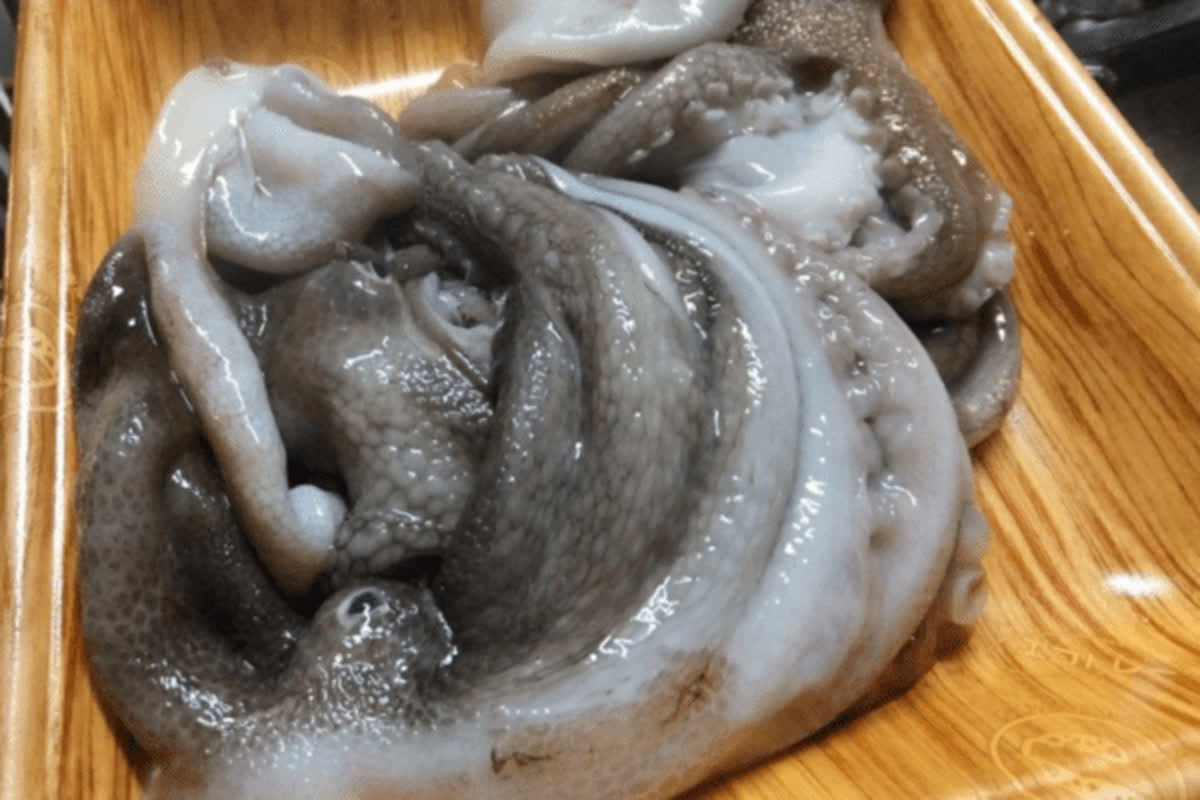
You can tell a lot about an eel just by looking. Fresh specimens have a gray‑black or deep green back and a clear white belly. Choose ones with firm flesh, clear eyes, and a consistent layer of slimy mucus on the surface—signs of a healthy fish.
For storage, freeze eel between -20°C and 0°C (-4°F to 32°F) and wrap it tightly in plastic to block air; this prevents moisture loss and rancidity. Thaw frozen eel slowly in the refrigerator to protect its texture. Never refreeze eel once it’s been thawed—doing so encourages microbial growth and ruins the flavor.
Zero fishy odor: pro tips for prepping

The secret is to limit water contact—exposure makes the fishy smell worse and leaches nutrients. Professional kitchens scrape the mucus off the skin with the blunt side of a knife, then blot blood and moisture with paper towels. At home, slit the eel along the back to remove entrails and bones, steam it briefly for 1–2 minutes, then plunge it into ice water. This routine removes lingering odor and mucus and firms the flesh so it won’t fall apart when grilled.
Homemade eel recipes
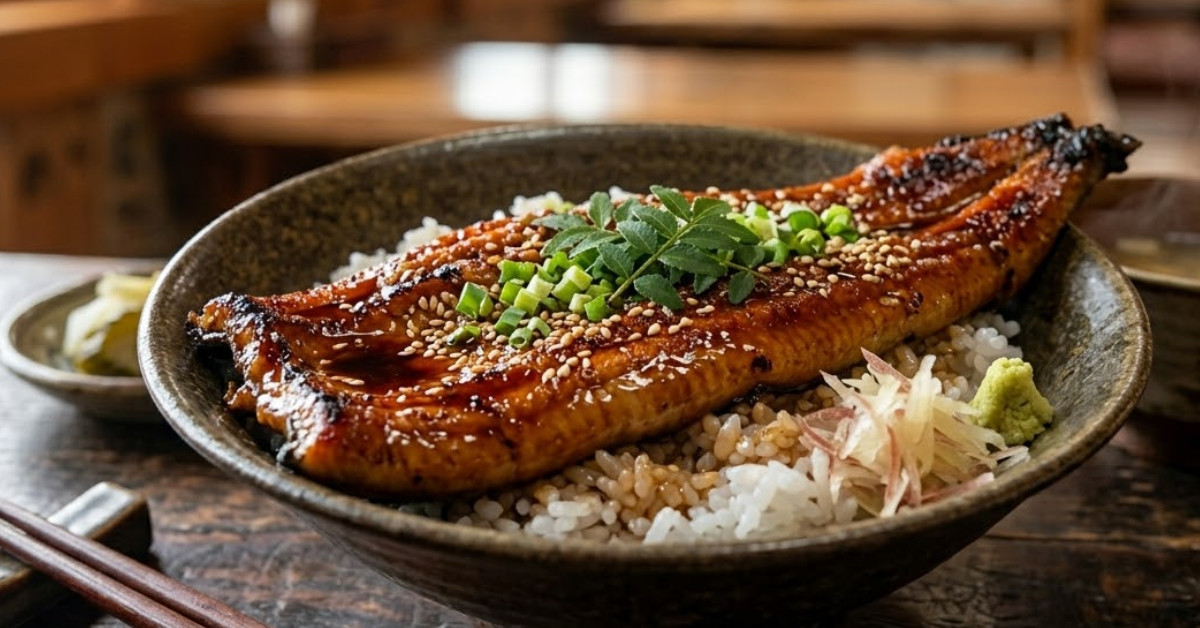
With dining out getting pricier, more home cooks are making eel teriyaki bowls. Boost store‑bought teriyaki sauce with minced garlic, a splash of grated ginger, and a little oligosaccharide syrup to thicken it. When grilling, mist the eel with sake or brewed green tea and cover the pan—the steam keeps the flesh juicy. After browning both sides, brush on the sauce and give it a quick final char to deepen the flavor. Perilla leaves and thinly sliced fresh ginger on top of the rice cut through the eel’s richness and aid digestion. A small dab of wasabi refreshes the palate.
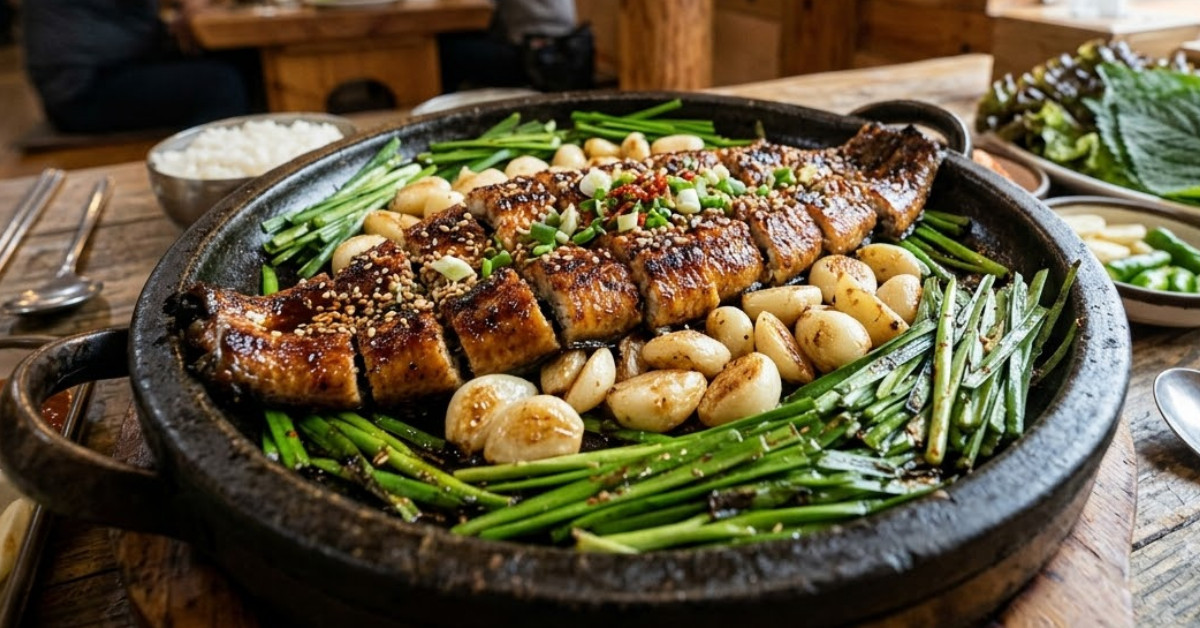
For busy workers who need stamina, try grilled eel with whole garlic and chives. Garlic’s allicin helps the body absorb eel’s vitamin B1 and revs up metabolism. Air‑fry the eel and whole garlic at 180°C (356°F) until golden, then serve with chives lightly dressed in sesame oil and fish sauce. A sulfur compound in chives stimulates digestive juices, helping the eel’s fattiness feel less heavy. This combo doesn’t just taste great—it creates real nutritional synergy. Roasted whole garlic adds a sweet note kids tend to love, too.
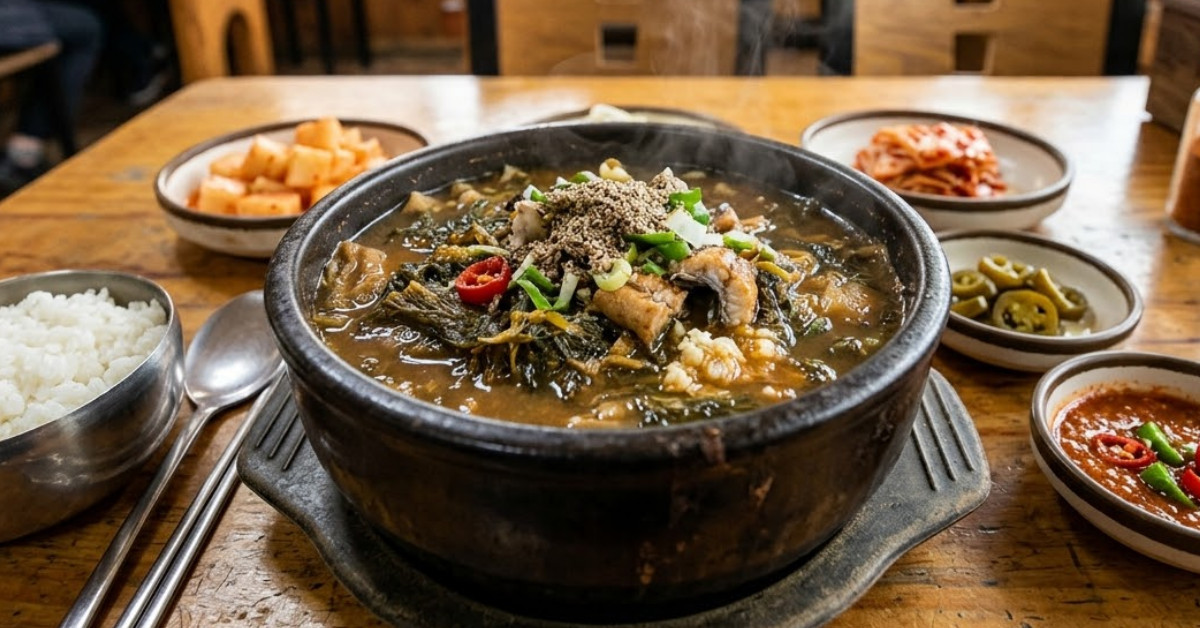
Older readers who prefer broths will love eel soup with dried radish greens (siraegi). Don’t toss the bones and head after prepping—simmer them until soft, then blend into the stock for body and depth. Dried radish greens are high in fiber and can help prevent constipation that sometimes comes with high‑protein diets. Use a miso base and stir in plenty of toasted perilla seed powder for a rich, comforting soup that masks any fishiness. In regions seeing rapid aging in 2026, this kind of eel soup remains a beloved restorative. Finish with a pinch of sansho pepper powder or a few bang-a leaves to achieve a restaurant‑style depth.
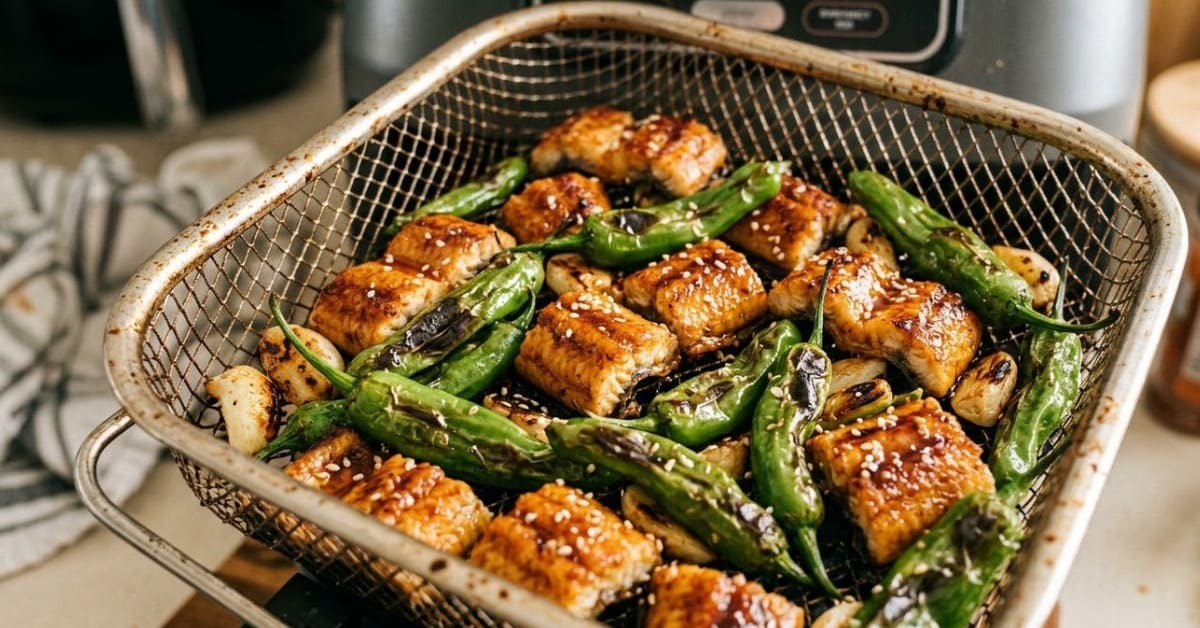
Air‑fried eel with shishito peppers is trending among single‑person households. Grilling eel with shishitos lets the peppers’ capsaicin help break down fat and adds a bright aroma. Line the basket with parchment or foil to prevent oil splatter, and add the peppers about five minutes before the end so they stay crisp. This method cuts smoke and odor—perfect for small apartments. The peppers’ bite balances the eel’s richness, so a simple sprinkle of salt is all you need for a great snack.
Build a health shield for record heat: stock up on May eel
Rapid temperature swings in May can throw off your circadian rhythm and weaken immunity. Eel, concentrated with protein, vitamins, and minerals, makes a natural, timely pick for restoring energy and tuning up the body. A carefully prepared home plate of eel—more nourishing than a night out—can help families gear up for the record heat expected this summer. Use the season to help middle‑aged adults regain vitality and to support whole‑family health. Stocking up energy with robust May eel is one of the best moves to face the summer heat.











Most Commented