
Translation result
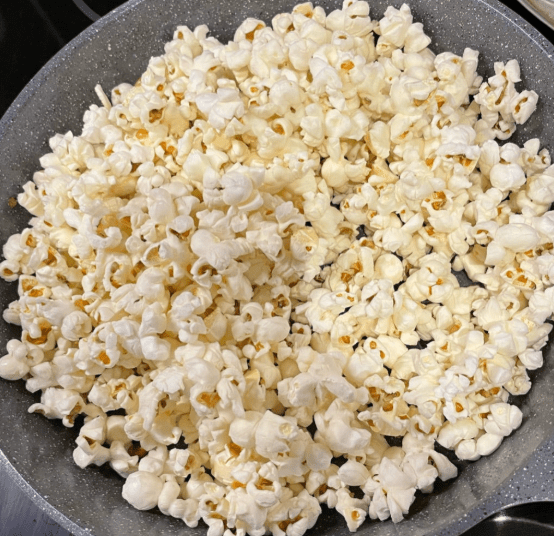
Let’s be honest: most of us can’t shake the post-meal dessert or snack habit. When stress builds, sweet treats and salty snacks become even harder to resist—and the issue is that many of those options are loaded with sugar, sodium, and refined carbs. If those choices become routine, they can help create a more inflammatory environment in the body.
That’s why many nutrition experts now recommend swapping in gentler options rather than trying to cut snacks out completely. Surprisingly, cheese, popcorn, whole-grain crackers, and dark chocolate are frequently mentioned as snack choices that may help manage inflammation.
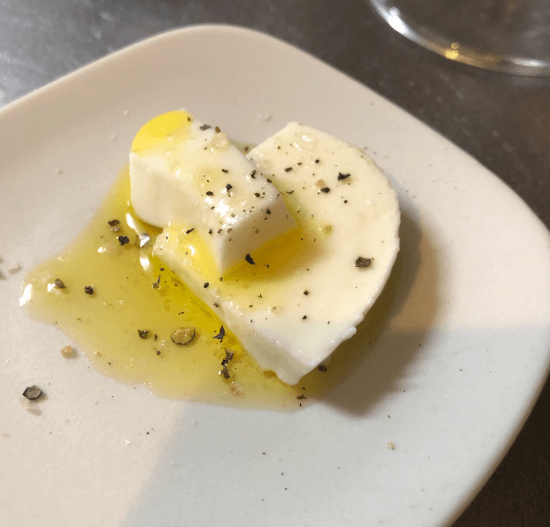
Cheese often gets cited as a snack rich in protein and calcium.
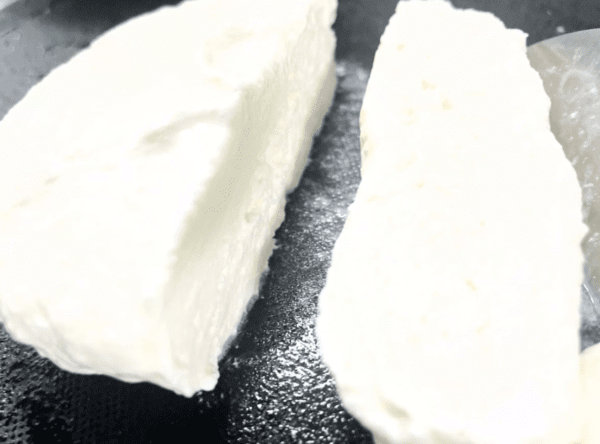
Cheese can have a calorie-heavy reputation, but many varieties are actually good sources of protein and calcium. Protein helps keep you full, so a slice of cheese can be more satisfying than mindless snacking on chips or cookies.
Some aged or fermented cheeses also bring probiotics into the mix and are talked about for gut-friendly benefits. Of course, overly salty cheeses can be a downside, but eaten in moderation they’re usually a fairly balanced snack choice.
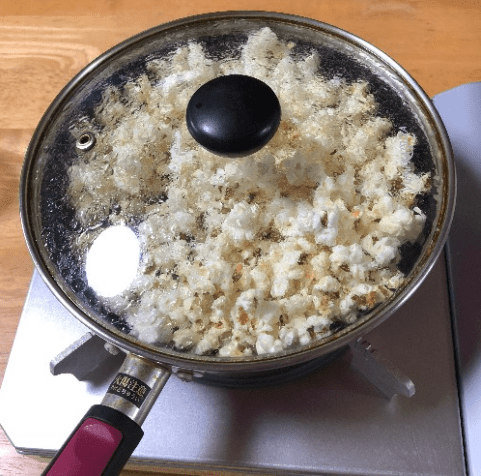
Popcorn is surprisingly high in dietary fiber.
Popcorn often reads as a movie-theater treat, so people assume it’s unhealthy. But plain popcorn—without extra butter or sugar—is actually a whole-grain snack and can be a decent source of fiber.
Because corn is a whole grain, air-popped popcorn tends to deliver more fiber than you might expect. Fiber is regularly discussed in relation to gut health and inflammation control. Just watch out for versions smothered in caramel or heavy butter, which change the nutrition profile completely.
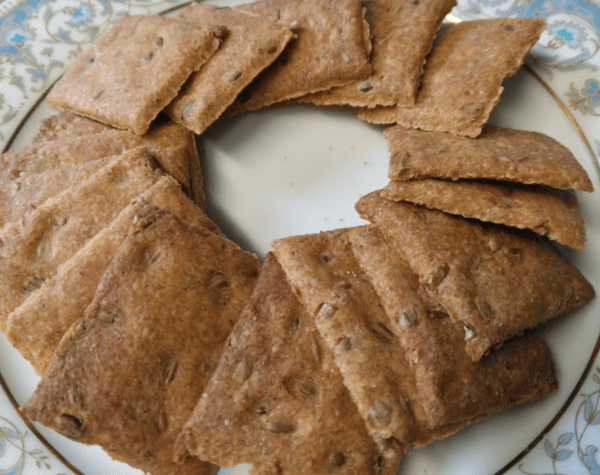
Whole-grain crackers are suggested as a way to cut down on refined carbs.
Most conventional crackers rely heavily on refined flour. Whole-grain crackers, on the other hand, keep more fiber and grain nutrients intact.
Since diets high in refined carbs are often linked to blood-sugar spikes and inflammation, whole-grain choices tend to be a smarter pick. Pairing them with nuts or cheese can also help you feel satisfied for longer.
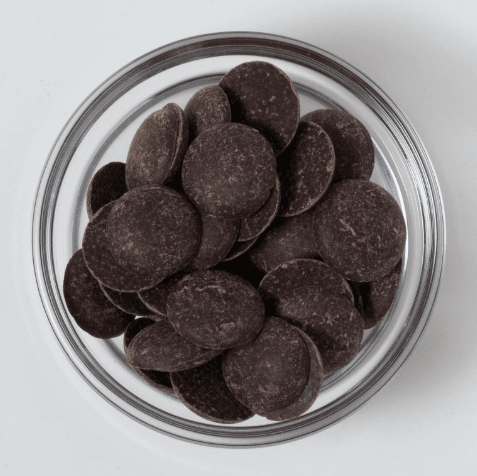
Dark chocolate often gets mentioned for its antioxidant content.
Dark chocolate regularly earns a spot on “healthier snack” lists. High-cocoa dark chocolate contains polyphenol antioxidants, which are linked to lower oxidative stress and may indirectly benefit inflammation levels.
It’s important to distinguish dark chocolate from sugar-heavy milk chocolate: experts usually recommend choosing higher-cocoa bars and enjoying them in moderation.
The bottom line: choose nutrient-dense snacks over processed ones.
Cheese, popcorn, whole-grain crackers, and dark chocolate are recommended not because they’re magically low-calorie, but because they provide meaningful nutrients—protein, fiber, and antioxidants—that the body needs. Any snack can cause issues if you go overboard.
If quitting post-meal snacks feels impossible, try swapping refined-sugar, heavily processed options for snacks with higher nutrient density. Managing inflammation usually starts with small, everyday habit changes rather than dramatic diet overhauls.












Most Commented