
Translation result
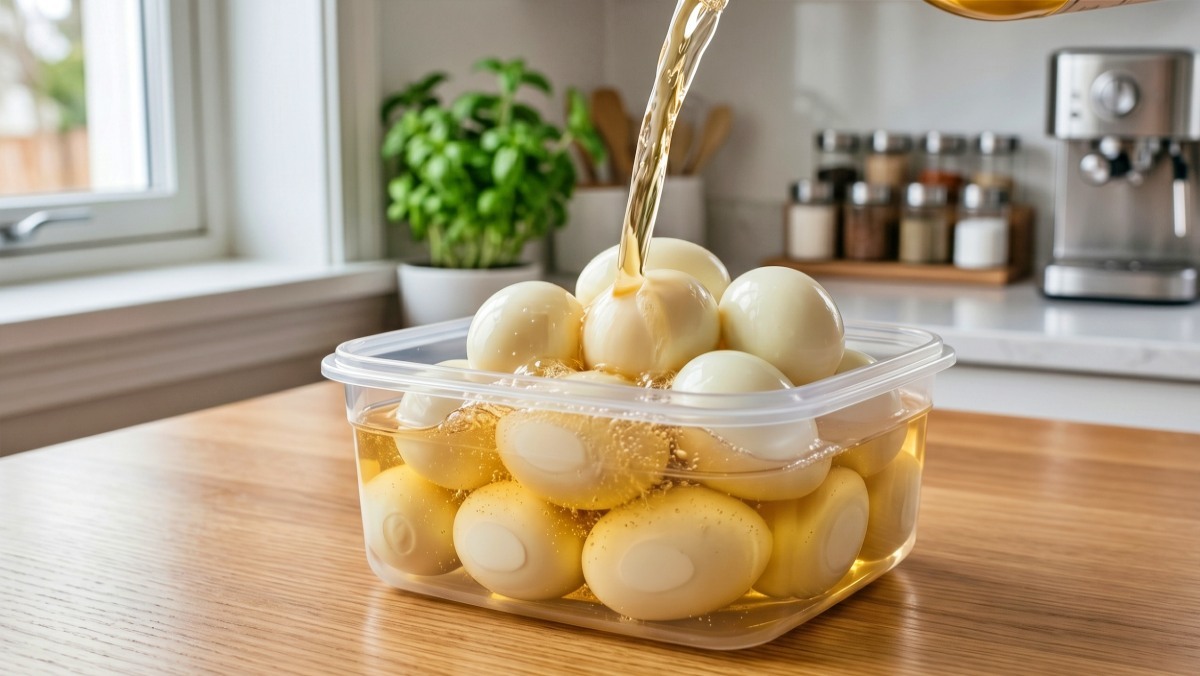
We’ve all had a half-full can of beer in the fridge—too good to toss but too flat to drink. Instead of letting it go to waste, grab an egg. Beer can tame the sulfury edge of eggs, add subtle umami to braises, and, if some fizz remains, soften the texture of scrambled eggs or a rolled omelet.
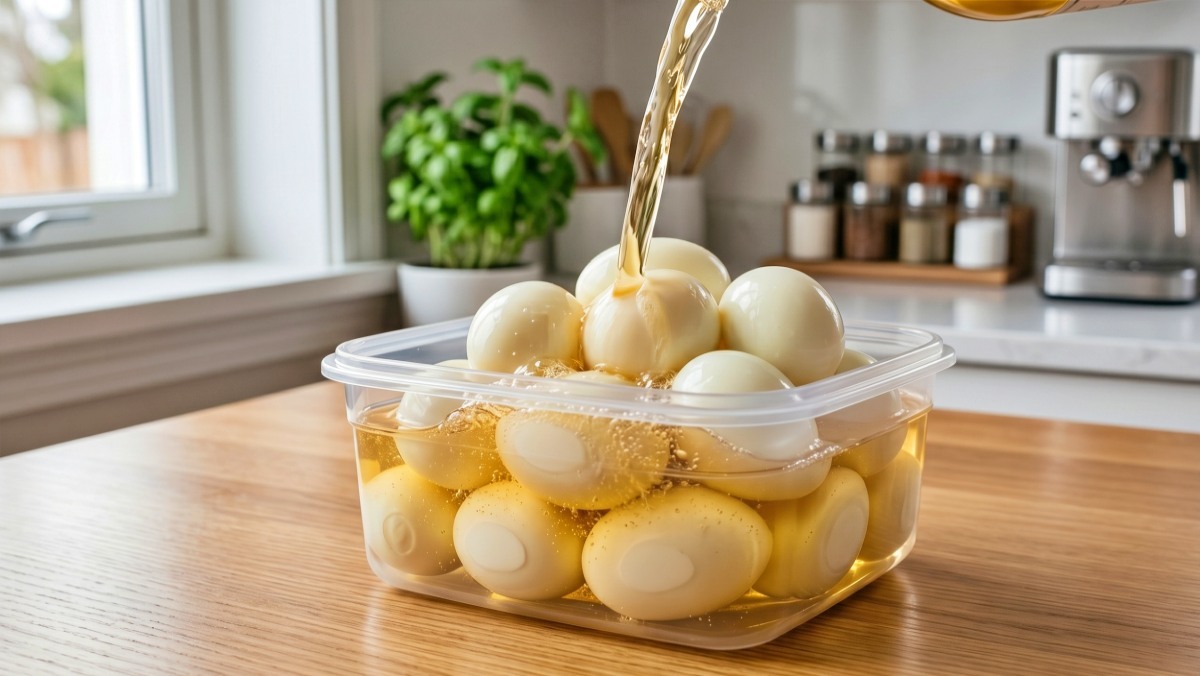
That said, adding beer doesn’t make every egg recipe the same. Chilling eggs in beer creates a beer-marinated egg; simmering them for a long time produces a braised egg that’s perfect with rice. In quick pan-cooked dishes, the beer’s carbonation alters mouthfeel. Because some methods leave alcohol behind, it’s important to know whether a recipe involves heat and to follow proper storage guidelines.
Start by preparing hard-boiled eggs
When making beer-marinated or beer-braised eggs, start with evenly cooked hard-boiled eggs. Smooth shells prevent the seasoning from pooling and make peeling neater, so your finished dish looks clean and appetizing.
Putting cold eggs straight from the fridge into boiling water can crack the shells from thermal shock. Let eggs sit at room temperature for at least 30 minutes before boiling. Fill a pot with enough water to cover the eggs and add 1 tablespoon of salt and 1 tablespoon of vinegar. The vinegar helps the shells peel more easily and quickly firms any white that leaks out during boiling, keeping the water cleaner.
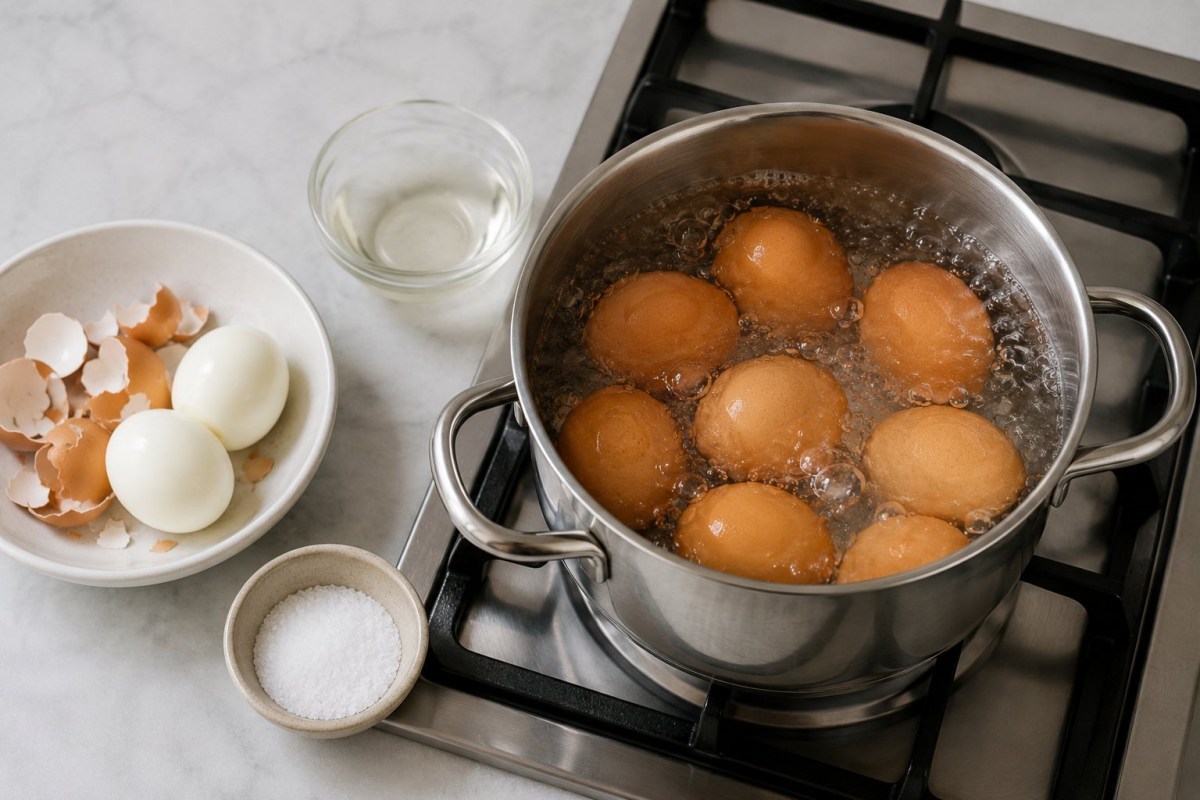
After the water boils, cook about 12 minutes for hard-boiled eggs and 8–9 minutes for soft-boiled eggs. Immediately transfer the eggs to ice water or cold running water to cool them quickly. Rapid cooling creates a small gap between the white and the shell, which makes peeling easier.
Wipe peeled eggs thoroughly with a paper towel to remove surface moisture. If eggs are wet, the beer-soy seasoning will dilute and won’t penetrate evenly during the early stages of marinating. Using pre-peeled eggs can skip this prep step.
No-heat beer-marinated eggs
No-heat beer-marinated eggs are made by pouring a beer-based soy seasoning over boiled eggs and chilling them to let flavors develop. Traditional marinated eggs usually call for boiling a soy-sugar-spice mix and cooling it before pouring, but this method uses beer as the base.
The hops and alcohol in beer soften the eggs’ sulfur notes and add another aromatic layer to the soy sauce. Skipping heat shortens active cooking time, but it requires more careful attention to marinating time and storage.
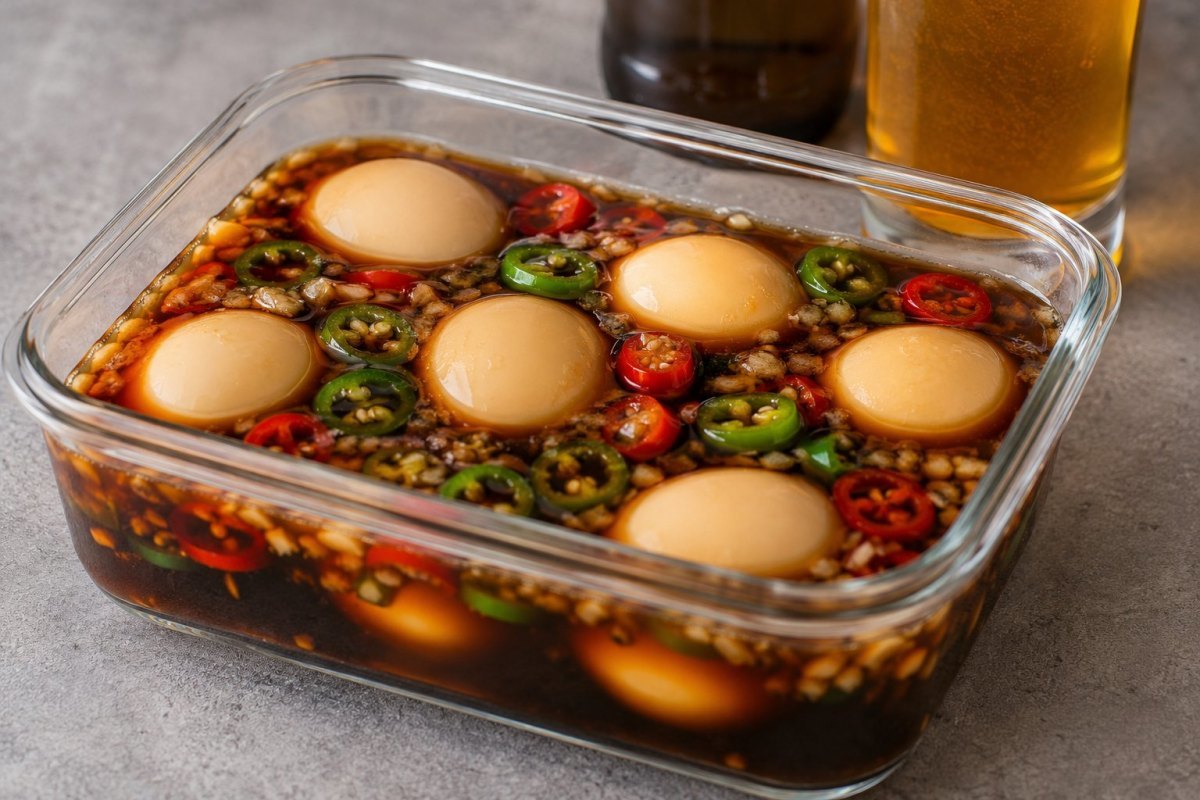
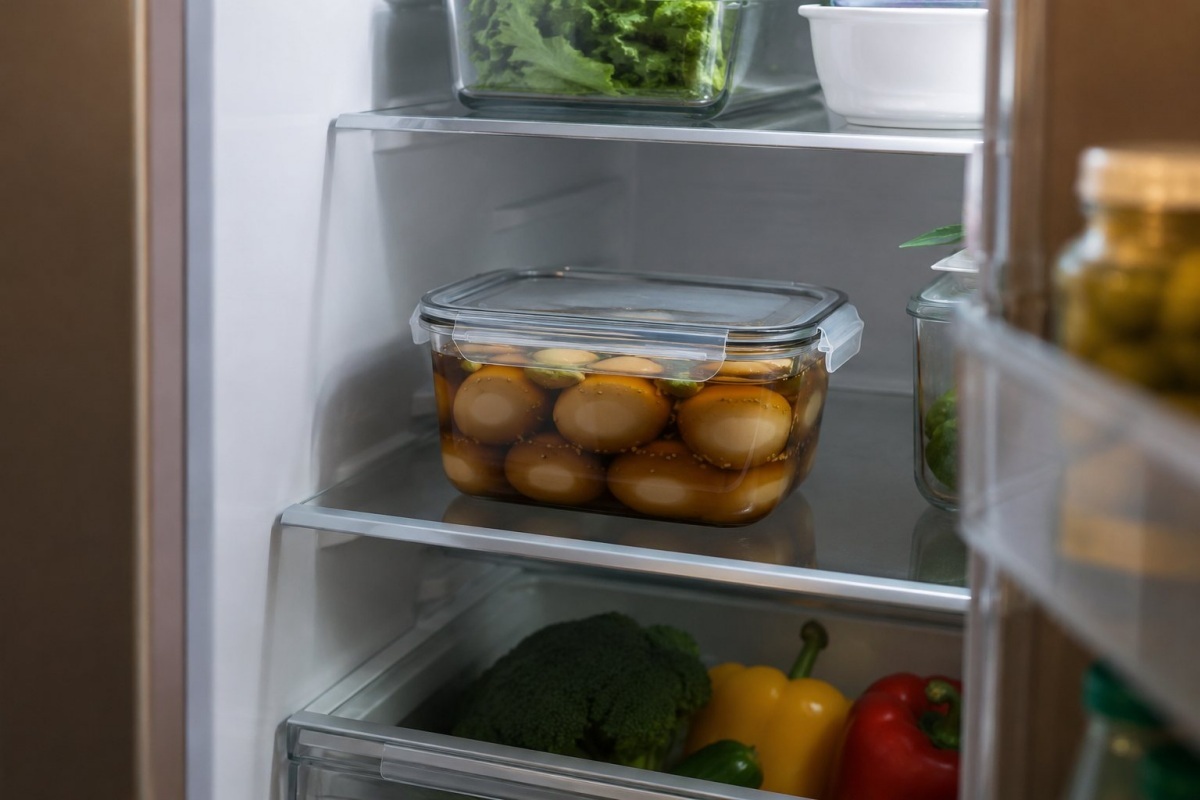
Place 10 peeled hard-boiled eggs in an airtight container. Pour in one 500 ml can of beer (about 17 fl oz) until the eggs are submerged, then add 1/2 paper cup of dark soy sauce, 2 tablespoons of sugar, and 1/2 tablespoon of minced garlic. If you want heat, thinly slice 2 green or red chilies and add them.
Close the lid and refrigerate for at least 24 hours. The eggs will gradually absorb the beer-soy seasoning by osmosis. During marinating, keep the eggs fully submerged so color and flavor develop evenly.
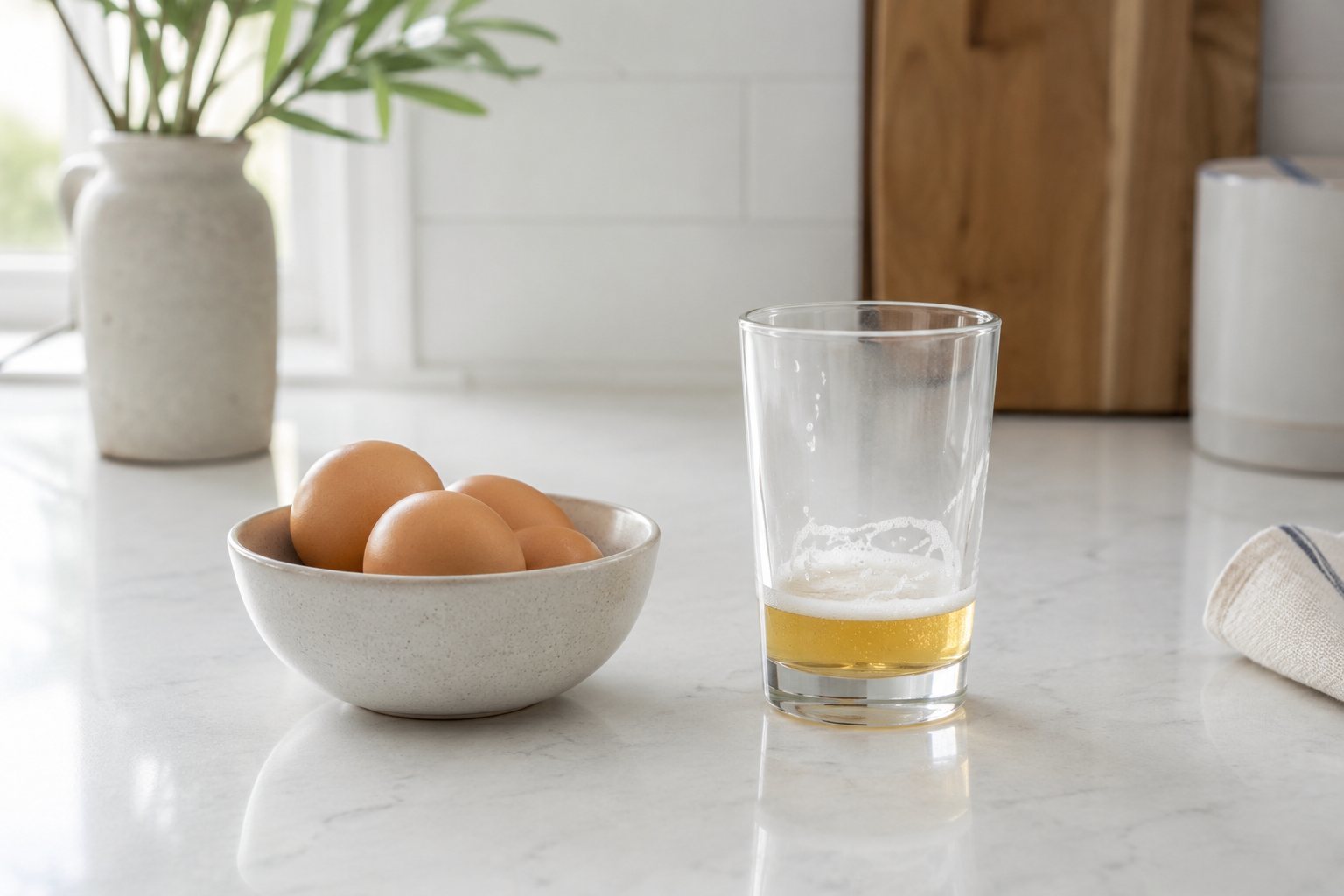
Your choice of beer affects flavor and color. A carbonated lager gives a clean balance of salty and sweet. A dark beer like Guinness will color the eggs a deep brown even with less soy sauce and add roasted-malt depth and subtle sweetness. For snack-style marinated eggs, a stout’s bold profile works well; for a side dish to eat with rice, choose a lager so the soy and beer flavors don’t overpower the meal.
Refrigerate and watch for residual alcohol
Because beer-marinated eggs don’t use heat, salt levels and hygiene are crucial. Without evaporation from simmering, the seasoning concentration stays close to what you mixed. Too much dark soy sauce can mask the beer’s malt character and make eggs overly firm or salty.
Stick reasonably close to the suggested ratios. If you want a stronger taste, adjust the liquid after tasting the eggs post-marinade. It’s hard to fix an overly salty start, and adding too much soy sauce defeats the point of using beer.
Use glass or stainless-steel containers. Sterilize them by boiling or wash thoroughly, then dry completely before use. Beer contains sugars and proteins that increase the risk of spoilage at room temperature. After preparing the dish, refrigerate it immediately below 4°C (39°F) and, even refrigerated, eat it within three days for safety. Use clean tongs or a spoon when removing eggs so you don’t contaminate the remaining marinade.
Because this method doesn’t use heat, consider residual alcohol. Boiling drives off most alcohol above ethanol’s boiling point of 78°C (172°F), but beer-marinated eggs don’t reach those temperatures, so alcohol remains in the marinade. Eggs themselves may not absorb much alcohol, but if you eat them with the sauce, you’ll ingest alcohol. Avoid these for pregnant people, infants, and young children, and caution adults with low alcohol tolerance. Don’t eat them before driving or doing precision work.
Beer-braised eggs that pair well with rice
If residual alcohol is a concern or you prefer a long-simmered side dish, make beer-braised eggs. Long simmering in a typical soy mixture can make whites tough and yolks dry. Using beer as the cooking liquid helps: its organic acids and alcohol ease excessive tightening of egg proteins.
Simmering for 30 minutes or more reduces the chance of overly firm whites, and the beer’s malt adds a toasty depth as it cooks. You don’t need separate anchovy or kelp stock — a can of beer brings body to the braising liquid.
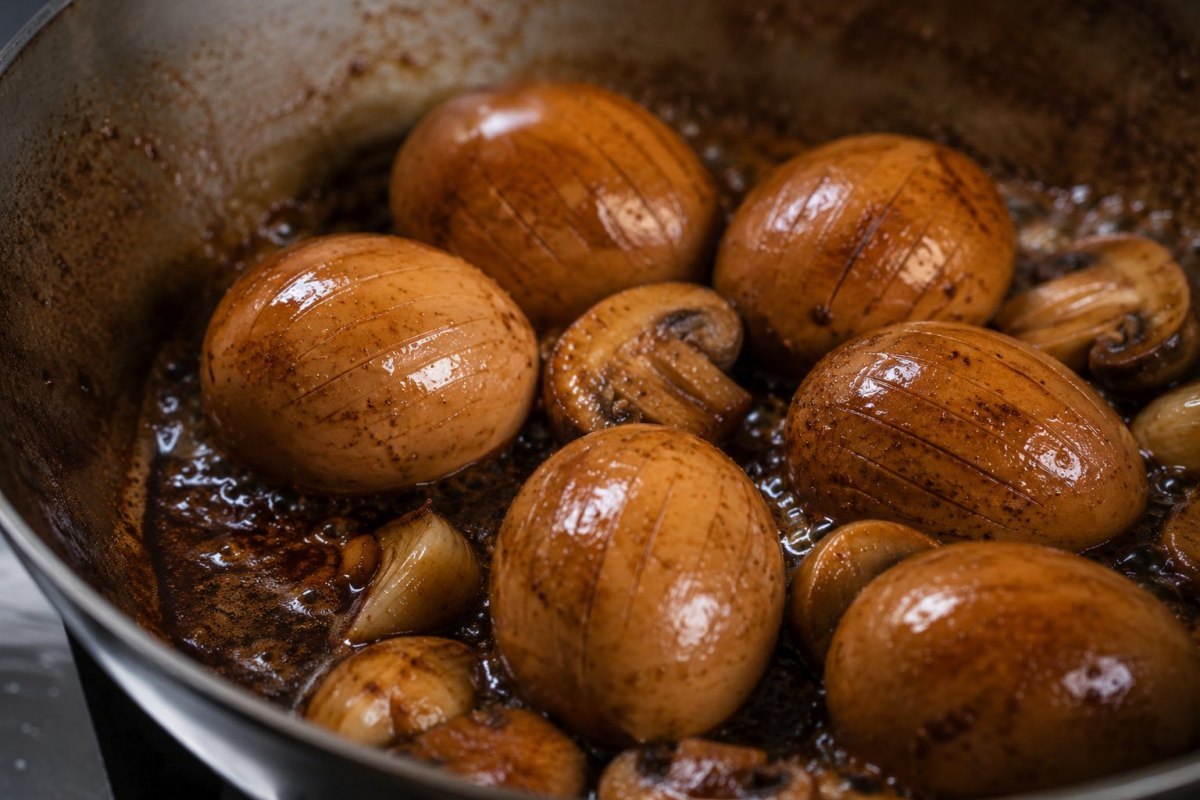
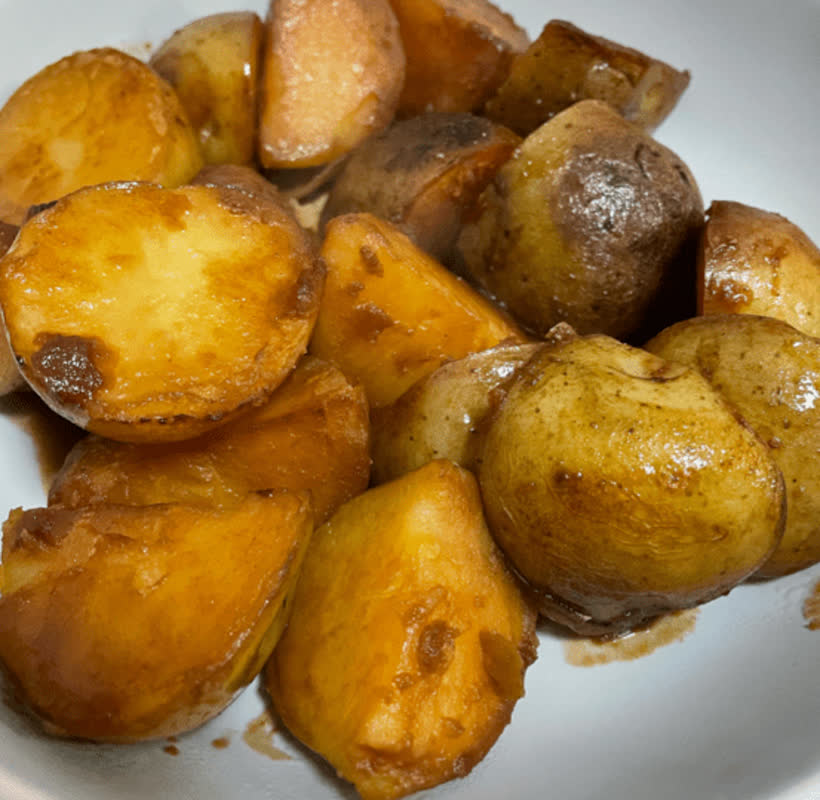
Put 10 boiled eggs and one 500 ml can of beer (about 17 fl oz) into a pot. Add 7 tablespoons of dark soy sauce, 2 tablespoons of sugar, and 1 tablespoon of oyster sauce to season. This method works well with beer that’s nearing its best-by date or has gone flat after opening. Even without carbonation, malt and organic acids remain and build flavor in the braise.
For the first 5 minutes, leave the lid off and boil over high heat. That helps drive off the strong alcohol aroma and reduces any volatile off-odors from the eggs. If you cover the pot, evaporated alcohol can condense and leave a boozy smell.
After about 5 minutes, once the alcohol scent subsides and the braising liquid begins to boil, reduce the heat to medium-low. Keeping the heat too high can burn the beer’s sugars on the bottom and create a bitter taste. Flame control matters here, so don’t rush once the liquid boils.
Simmer gently for another 20–30 minutes. Cook until the liquid has nearly reduced to a glaze on the pan bottom, and gently roll the eggs occasionally so the seasoning coats them evenly. Lightly scoring the boiled eggs lengthwise or with a cross cut helps the braising liquid penetrate faster.
If you want deeper flavor, sear the eggs first in a pan with 30 g of butter (about 1 oz / 2 tablespoons). Reducing surface moisture helps the seasoning stick, and the butter’s richness complements the beer’s grain notes. Adding dried shiitake slices or 10 whole garlic cloves mid-cook lets the marinade flavor those ingredients as well. Continue cooking until the sauce concentrates and thickens.
Use beer carbonation to create a tender texture
Beer works not only for marinades and braises but also in scrambled eggs and rolled omelets. In those dishes, the beer’s remaining carbonation is the key. To make soft scrambled eggs, people usually add milk, cream, or water to loosen the beaten eggs. Replacing a small amount of that liquid with beer lets carbonation bubbles spread through the egg mixture and form tiny air pockets as the eggs cook.
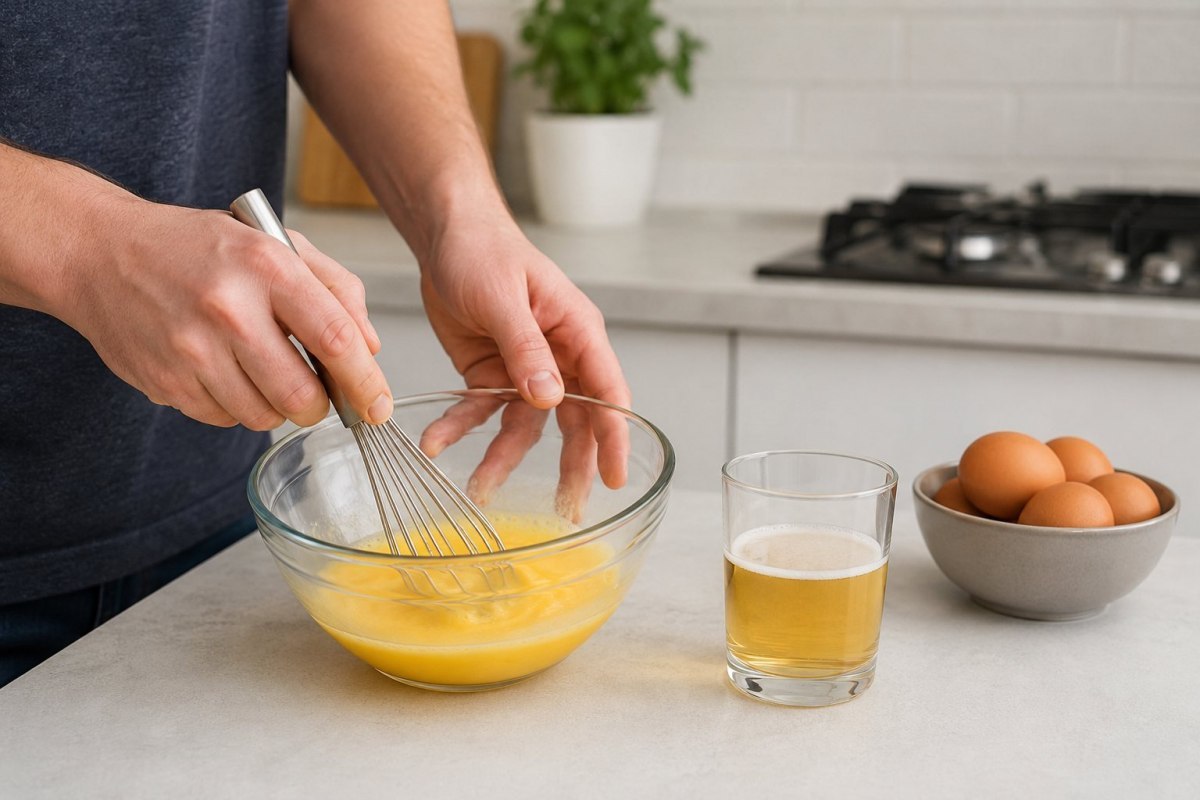
Crack 3 eggs into a bowl and add about 1.5 tablespoons of beer. Season with salt and pepper, whisk until the chalazae loosen, and let the mixture rest for about 2 minutes so the carbonation disperses evenly. Heat a buttered pan until hot, then pour in the egg mixture at once and keep the heat at medium-low. High heat sets the proteins too quickly and prevents a tender texture.
As the egg sets at the edges, use a spatula to slowly push the cooked portion from the outside toward the center to form soft curds. The carbonation expands with heat before the proteins fully set, producing a fluffy texture. During cooking, the carbon dioxide and alcohol dissipate, so the finished dish won’t taste strongly of beer.
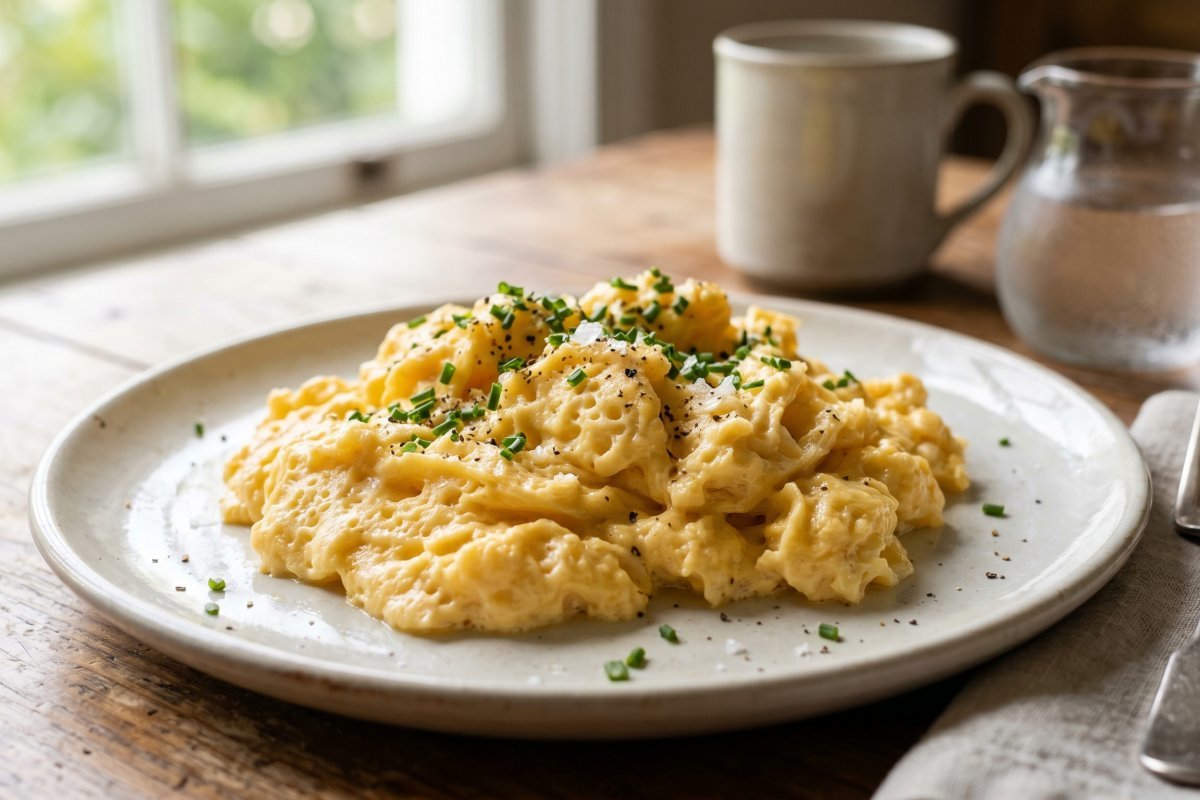
The same small amount of beer helps when you make a thick rolled omelet, reducing interior density for a softer bite. Don’t add too much—stick to the measured amount. If the mixture gets too thin, the omelet won’t hold its shape and the eggs’ rich flavor will dilute.
Use leftover beer according to the recipe
Decide what role you want the beer to play before you add it to eggs. Cold marinating emphasizes aroma and aging; simmering drives off alcohol and concentrates seasoning; and scrambled eggs or rolled omelets use carbonation to lighten texture, so they need only a small amount.
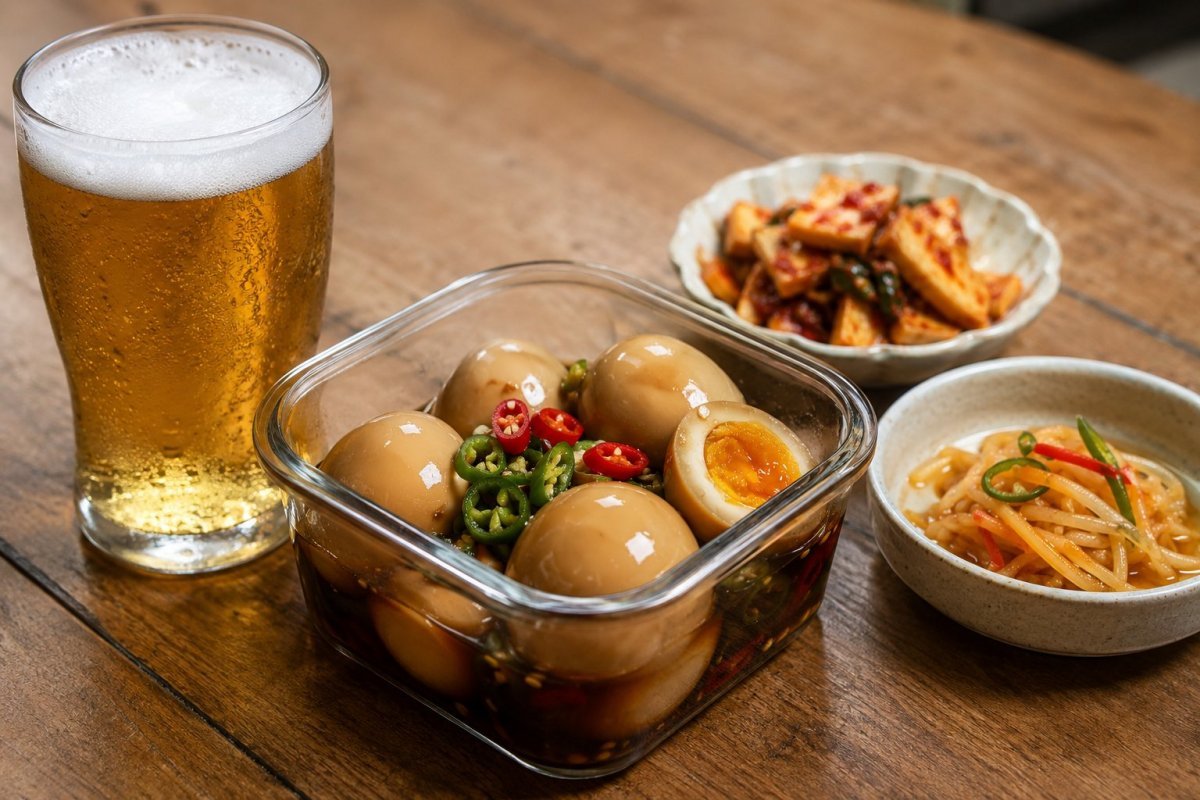
Use flat beer for braising and carbonated beer for mixing into egg batter. Remember that no-heat beer marinades retain alcohol, which makes them better suited as snack-style dishes for adults who accept that caveat.
No-heat methods shorten shelf life, and long braises can scorch if you lose control of the heat. For pan dishes, let the edges set before you gently push the mixture inward; don’t stir frantically while the eggs are still setting if you want the best texture.










Most Commented