
Translation result
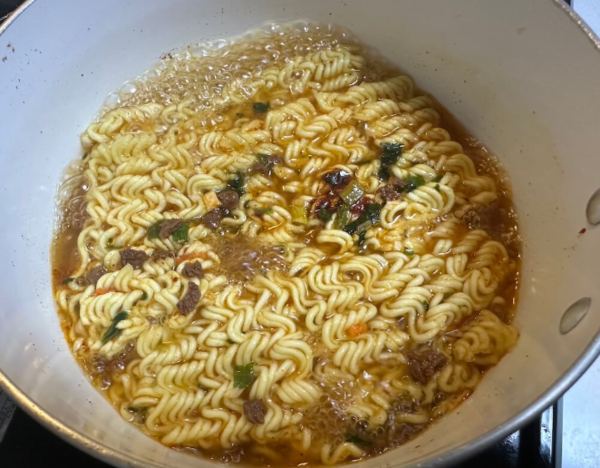
Ramen is one of the foods Koreans reach for most often. It’s legendary as a late-night craving and a go-to quick meal for people living alone. The spicy, bold broth can be seriously addictive — once you start, it’s hard to stop. But the bigger concern is the fried noodles and the sodium in regular instant ramen.
Fried noodles bring up worries about calories and fat, so a lot of people are concerned about the health downsides. That’s why tofu noodle ramen has been getting attention lately — it promises to keep the flavor while dialing back the downside.
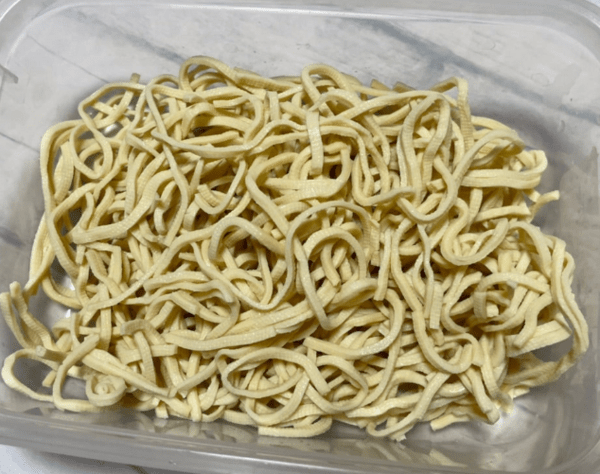
Tofu noodles usually come with a much lighter calorie load than regular ramen noodles.
As the name suggests, tofu noodles are made by shaping tofu into noodle-like strands. They generally have fewer carbs and a higher protein ratio than wheat noodles. While specifics vary by product, people often note that tofu noodles tend to be far lighter calorie-wise than conventional instant ramen.
One full pack of instant ramen can pack a hefty number of calories, while tofu noodles feel like a much lighter option. That’s why they frequently appear in diet and low-carb meal conversations.
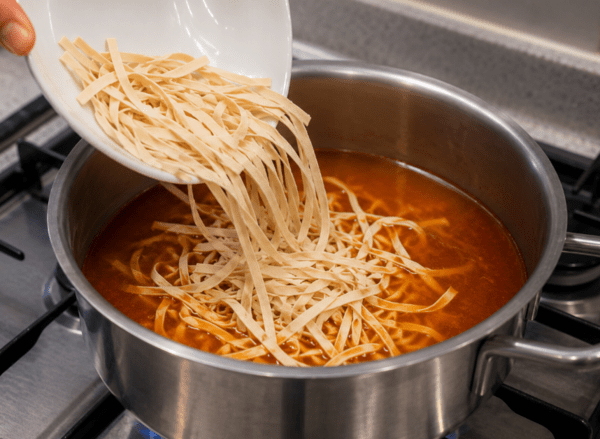
Many say the trick to a great tofu-noodle ramen is nailing the broth.
When cooking ramen with tofu noodles, people recommend focusing on the soup rather than boiling the noodles like you would regular ones. Popular tips include using only about half the seasoning packet or tossing in extra vegetables to cut the saltiness. Typically, you add the tofu noodles at the very end and warm them briefly.
Because tofu noodles soften quickly, most people only leave them in for about 1–2 minutes. Add an egg, some bok choy, or mushrooms and you’ll get a bowl that feels more filling and wholesome.
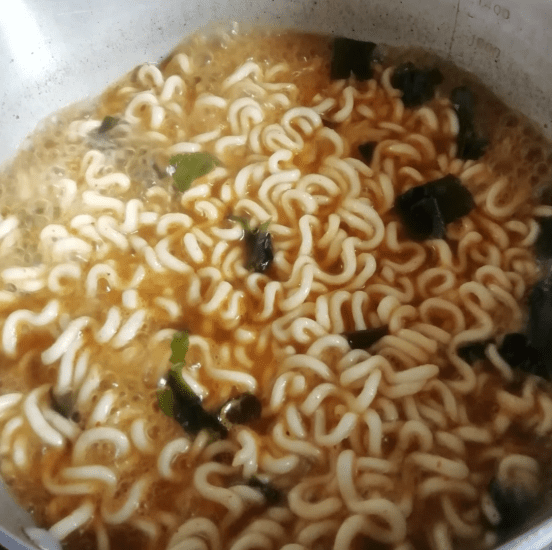
There’s also lots of chatter about other ways to make ramen healthier.
If giving up ramen entirely feels impossible, many people look for small swaps to make it better for you. Common suggestions these days include using half the noodles or bulking up the bowl with vegetables and extra protein.
Veggies like bean sprouts, cabbage, or mushrooms boost fullness and fiber. People often add an egg or some chicken breast for extra protein. Skipping the last slurp of broth is another easy habit that helps cut sodium.
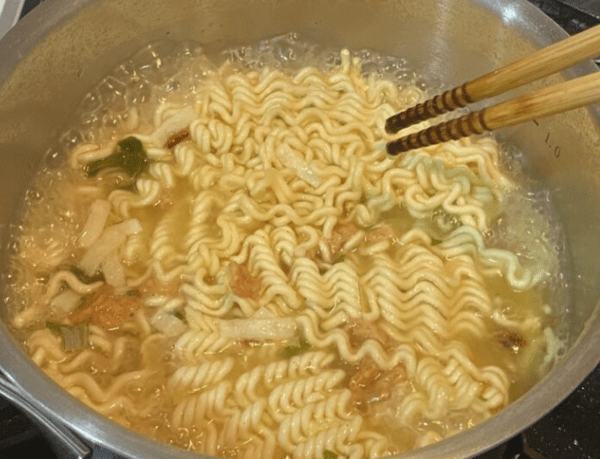
At the end of the day, people say the goal is to reduce the noodle and broth burden.
Experts point to fried noodles and high sodium as the biggest health issues with ramen. So swaps like tofu noodles to lower carbs or simply cutting back on how much broth you drink are common recommendations.
Adding vegetables and protein can also improve the overall nutrition balance. Bottom line: ramen isn’t automatically bad — how you build the bowl matters.
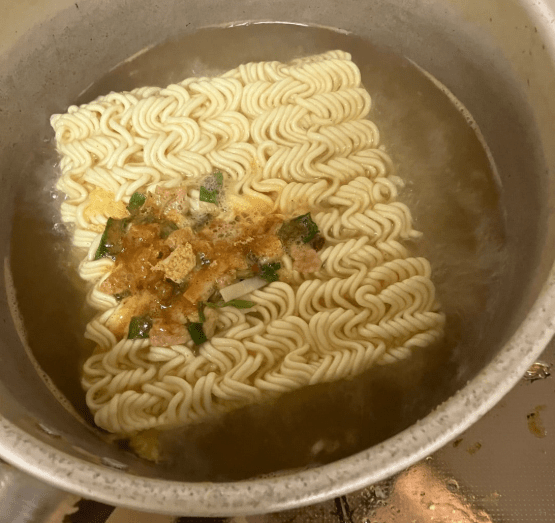
Tofu-noodle ramen recipes have actually trended in South Korea.
Diet groups and social media in Korea have repeatedly spotlighted recipes using tofu noodles. In one example, an office worker trying to manage their weight said that swapping regular noodles for tofu noodles eased the guilt of late-night snacking, which sparked interest. Commenters wrote things like, “It tastes more like ramen than I expected,” “If you get the broth right, it’s pretty good,” and “I feel less guilty about late-night snacks.”
Overall, eating habits seem to be shifting toward lighter, healthier ways to enjoy ramen without giving up flavor.













Most Commented