
Top 5 Health Benefits of Asparagus: Your Ultimate Guide to this Nutrient-Packed Vegetable
Daniel Kim Views
Translation result
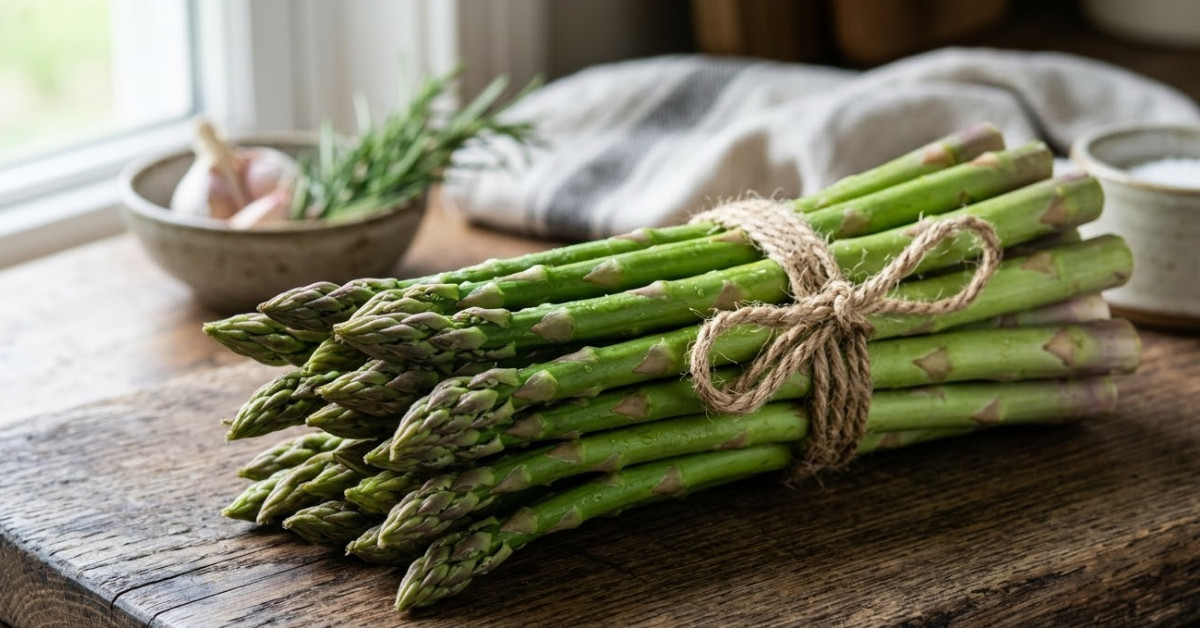
With temperatures climbing in mid‑May, asparagus is getting buzzy as a nutrient-packed pick for people battling chronic fatigue. Once a delicacy at European royal tables, asparagus is rich in minerals like asparagine and offers real support for circulation and energy recovery.
From a noble vegetable to a midlife tonic: rediscovering asparagus
When daily temperature swings are wide and the weather shifts fast, metabolism can take a hit. People in their 40s and 50s often wake up not feeling refreshed or find themselves battling intense afternoon sleepiness—symptoms tied to higher energy drain and toxin buildup. Asparagus is loaded with nutrients that help counter those changes. With its spear‑like tips, it’s more than a side vegetable; it’s a functional food. For midlife adults facing thicker, less elastic blood vessels, adding asparagus to your diet can help improve circulation and boost vitality.
Why asparagus deserves your attention
Asparagus ranks among vegetables with higher protein content. Compared with bean sprouts, it has a larger protein proportion while clocking in at only about 20 kcal per 100 g. That makes it a smart choice for middle‑aged people dealing with a slower basal metabolic rate and weight-management challenges: it fills you up without piling on calories. Its high water content and fiber also help blunt rapid blood‑sugar spikes during digestion.
Its cardiovascular benefits are notable. Potassium in asparagus aids sodium excretion, helping to regulate blood pressure. Vitamin K and rutin (a flavonoid that strengthens capillaries) protect vessel linings and support circulation health. The amino acid asparagine—first isolated from asparagus juice in 1806—helps clear acetaldehyde (a byproduct of alcohol breakdown) and breaks down lactic acid, playing a key role in easing fatigue.
Asparagus also supports gut health. Its inulin acts as a prebiotic, feeding beneficial bacteria. That can ease bloating and constipation that sometimes come with reduced digestive enzyme production as we age. Regular consumption helps strengthen the gut barrier and can boost immunity.
Smart prep and storage so nothing goes to waste
Many people trim away large portions of the stem because the base feels tough—but that can waste nutrients. The bottom is fibrous and firm but nutritionally similar to the top. Use a peeler to shave off a thin layer of skin from about 5–10 cm (2–4 in) up from the base so the whole spear cooks tenderly. Before cooking, trimming just the last 1 cm (about 0.4 in) of the very end is usually enough to remove the toughest part.
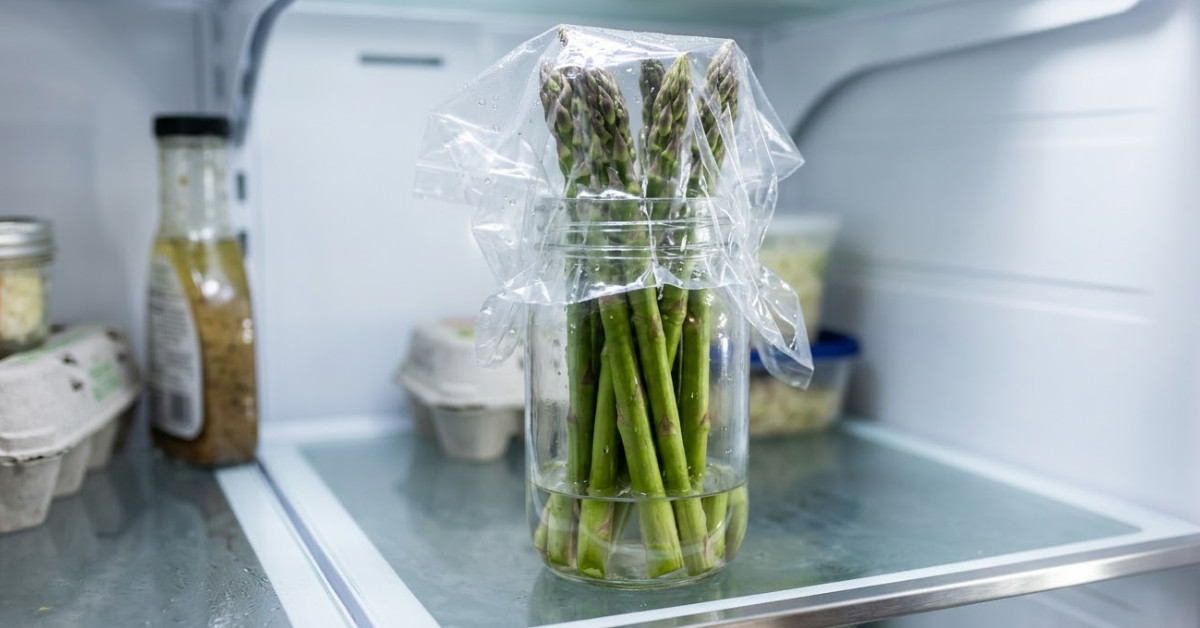
Store asparagus with its biology in mind. Even after harvest, spears try to keep growing upward. Laying them flat in the fridge forces them to bend and expend energy, which reduces sugars and toughens fibers. To keep them crisp, wrap the base in a damp kitchen towel or stand the spears upright in a container with 1–2 cm (0.4–0.8 in) of water. Loosely cover the tops with plastic wrap and refrigerate—this method can keep them crunchy for up to a week.
Grow your own little tonic on the balcony
In the home‑gardening boom, asparagus is prized for its long‑term yield. A perennial in the lily family, once established, a single root system can produce new shoots every spring for 10–15 years. It takes about two to three years from planting to first harvest, but after that you can enjoy repeated harvests with minimal effort.
Pots need excellent drainage for successful container growing. Asparagus likes water, but roots rot if they sit in stagnant moisture. Mix akadama‑type soil and potting soil 4:6 for good drainage, and use a pot at least 30 cm (about 12 in) deep. Place it in a sunny spot and water thoroughly whenever the topsoil dries. In winter, aboveground parts turn brown and go dormant—cut stems back and add mulch to encourage thicker shoots the following spring.
Recipes that marry taste and elegance
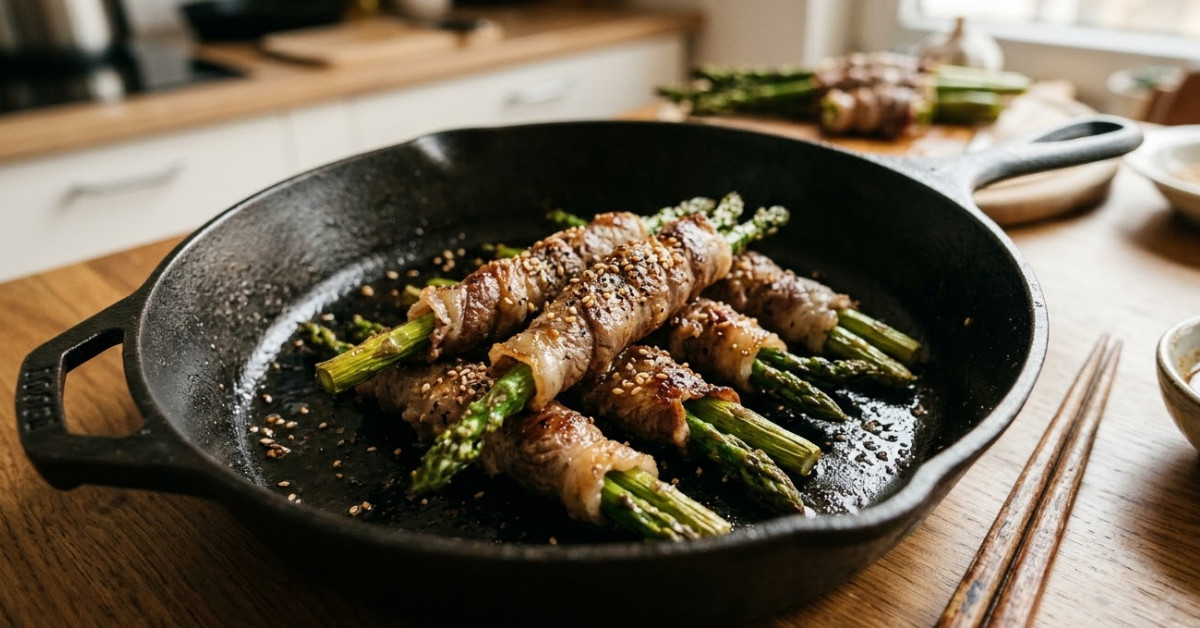
Beef brisket–wrapped asparagus is a nutrient‑balanced, flavor‑forward dish. The unsaturated fats in the meat help your body absorb asparagus’s fat‑soluble vitamins A and K. As the meat sizzles, its fats seep into the asparagus and trigger Maillard reactions that deepen savory notes. A simple seasoning of salt and pepper is usually all you need.

This asparagus and poached‑egg open sandwich is a weekend‑worthy breakfast. Lightly blanch or grill the spears, pile them on whole‑grain bread, and top with a perfectly poached egg. When the yolk breaks, it becomes a silky sauce that tames the asparagus’s subtle bitterness. A drizzle of olive oil helps absorb antioxidants and elevates the flavor.

Garlic shrimp with asparagus is fast to cook and full of punch. Allicin from garlic, taurine from shrimp, and asparagine from asparagus create a synergy that supports recovery from fatigue. Stir‑fry quickly over high heat to preserve the asparagus’s bright green color. A splash of oyster sauce or a spoonful of soy sauce finishes it into a stellar side—or a crowd‑pleasing bar snack.
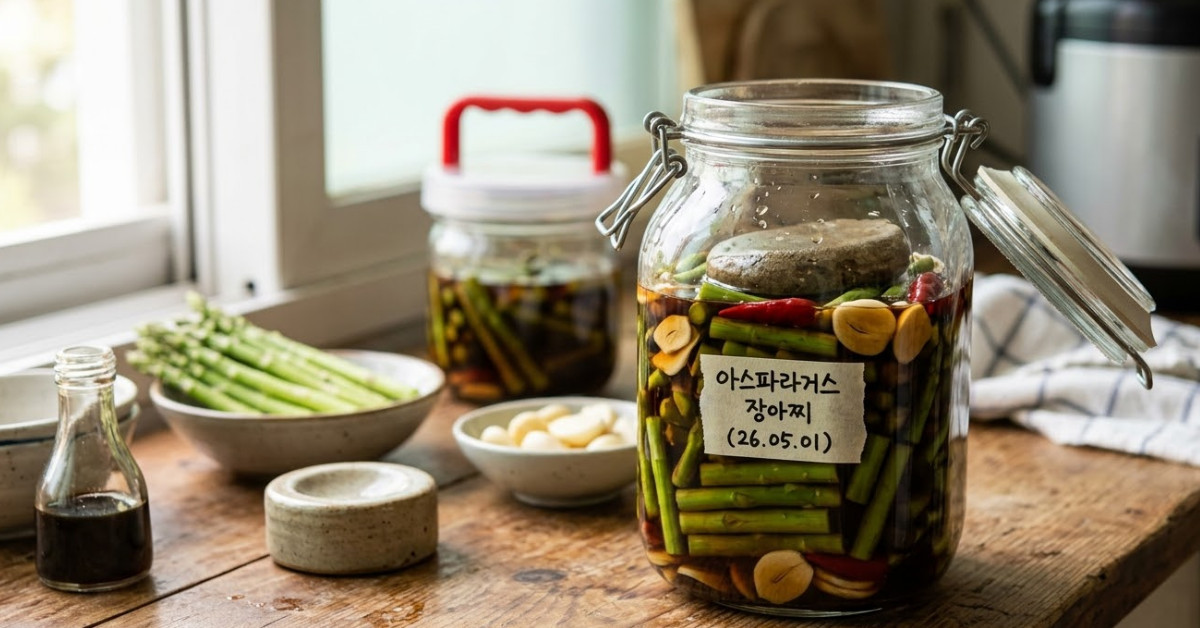
Soy‑marinated asparagus is a great make‑ahead preserve. Boil soy sauce, sugar, vinegar, and water, let the brine cool slightly, then pour it over the spears. Asparagus’s dense texture keeps it delightfully crunchy even when pickled. These pickles cut through fatty meat dishes and act as a natural digestive aid.
Health begins with small choices at the table
Instead of reaching for costly supplements or exotic tonics, the foundation of good health is eating fresh, seasonal ingredients wisely. Asparagus—packed with May’s seasonal vitality—is an excellent option for refueling immunity and energy that can dip in midlife. A simple bundle of green on your table can revive a tired body and lift a sluggish day. The fresh asparagus you spot at the market today is more than an ingredient—it’s a close‑at‑hand prescription for family wellness.













Most Commented