
Translation result.

Smashing the washer’s “hot water” button on autopilot? It might be wrecking your clothes. High temperatures can actually bake certain stains into fibers instead of lifting them out.

If you want truly clean laundry, match the water temperature to the type of stain and double-check your detergent and washer settings. Here are smart, fabric-friendly tips to keep clothes looking their best.
Hot water isn’t a cure-all for stains
It’s tempting to think hotter is always better. Warm water can help with grease and sanitize items, but it’s not the answer for every stain. Depending on what’s on the fabric, heat can actually set stains more firmly.
Protein-based stains are a classic example. Blood, sweat, milk, eggs and meat juices contain proteins that denature and coagulate when heated. Tossing these straight into hot water can make the stain bond with the fibers, turning a removable spot into a permanent one.
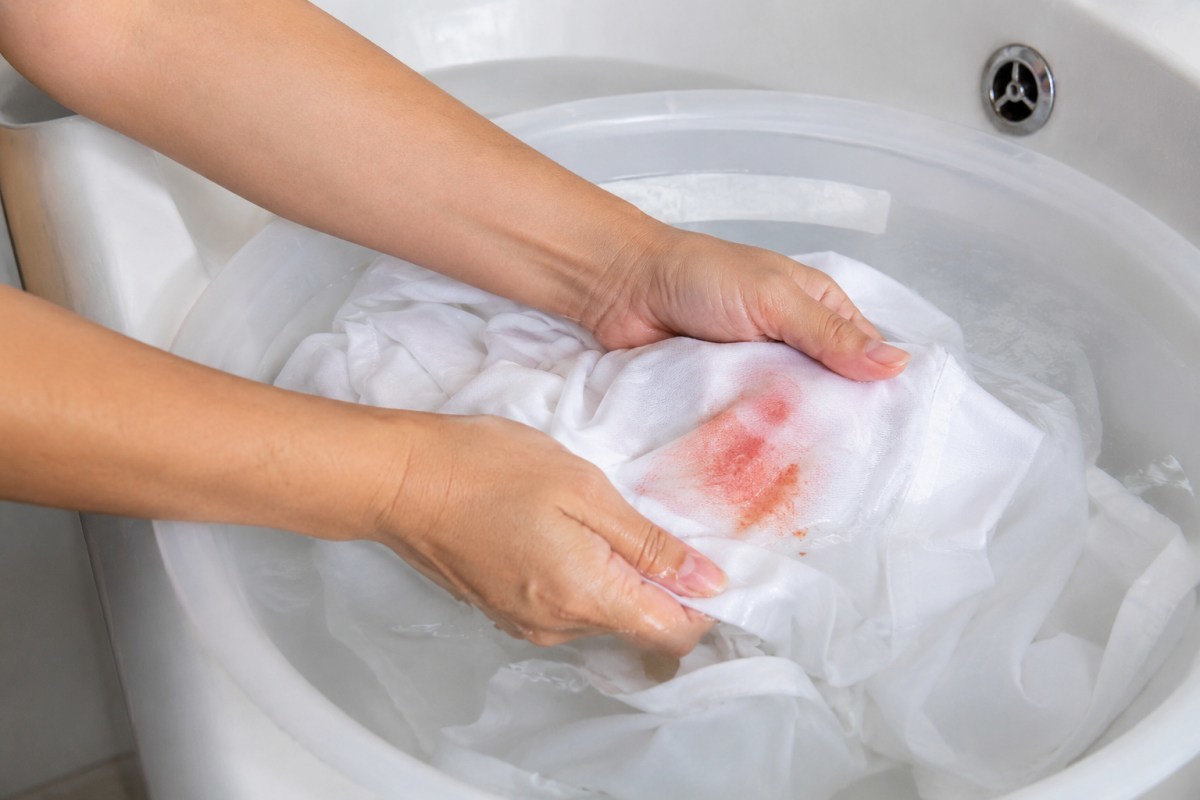
Putting blood-stained or heavily sweat-soaked clothes into hot water right away often locks the stain rather than removes it. Rinse these items in cold water or prewash to lift protein, then check the care label before the main wash.
High heat affects fabrics, too. Natural fibers like wool and silk can shrink or lose their sheen. Synthetics may warp or lose elasticity if exposed to prolonged heat. If a garment’s fit changes or the fabric feels stiff, heat might be to blame. Always check the care label before turning up the temperature.
Pick the right temperature for the stain
Want better results with less damage? Use the washer’s temperature settings the way they were meant to be used. Different stains call for different temperatures.
First up: cold water, at or below 30°C (86°F). Cold is your go-to for protein stains like blood, milk or meat juices. Pigment-rich stains such as chocolate or fruit juice are safer to treat cold at first, too. Delicates—think knits, delicate underwear and sheer blouses—also belong in cold water to avoid shrinking.
Modern liquid detergents are formulated to work well in cold water and handle everyday soils. For regular clothes that aren’t heavily soiled or greasy, cold cycles often do the job. Cold water also helps protect deep colors from fading.
Next: lukewarm water, around 40°C (104°F). This is the most versatile range. Body oils, sweat and sebum break down better at temperatures slightly above body heat. Stains like collar grime, darkened cuffs and light oily marks on cotton respond well to lukewarm water.
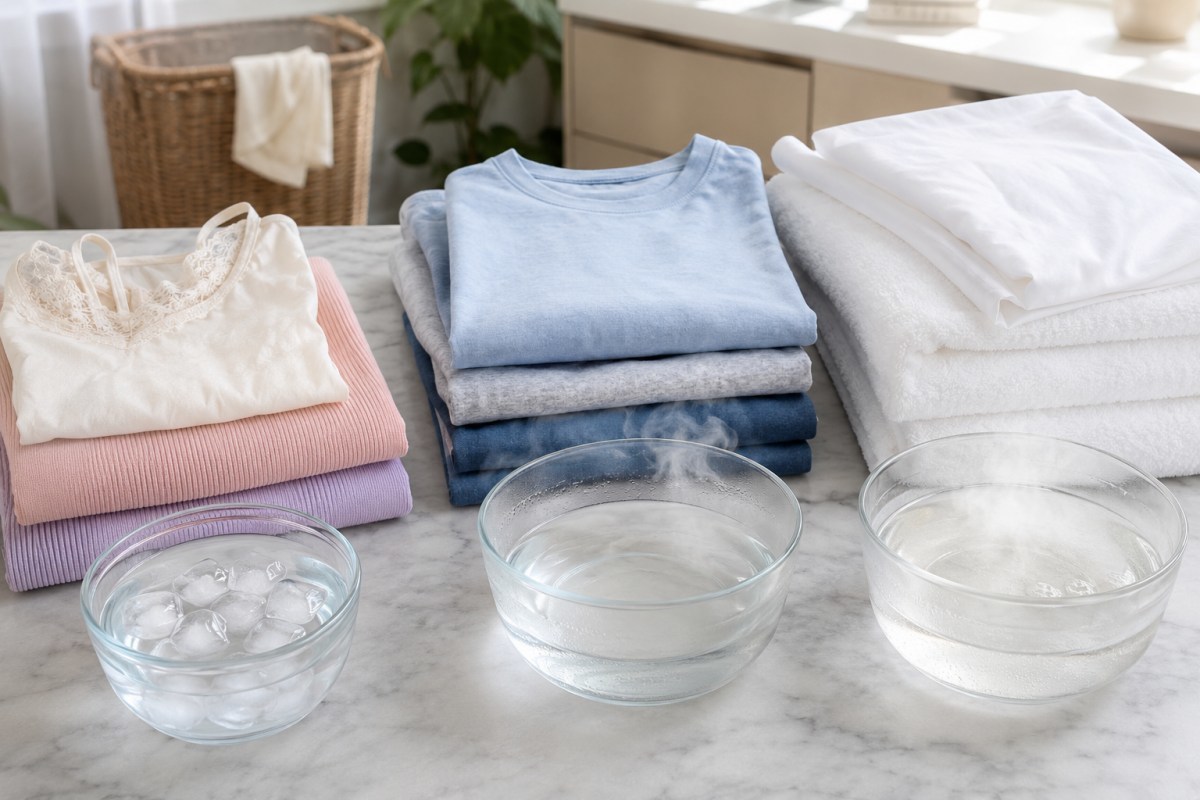
Most standard detergents perform reliably at lukewarm temps. Enzyme-based detergents, especially, can be more effective in moderately warm water than in scalding-hot cycles. If the care label allows, wash everyday items like tees, shirts and towels in lukewarm water for a strong but safe clean.
Finally: hot water at 60°C (140°F) or above—for hygiene, not everyday cleaning. Use this for towels, underwear, dishcloths and bedding when bacteria or odors are a concern. Hot washes also pair with oxygen bleach to brighten white cotton.
But beware: hot water can ruin fabrics. Colors can bleed, and delicate materials can shrink or lose shape. Make sure the item can handle boiling or high-heat cycles. Even towels with trims or blended fibers may not tolerate high heat, so check the label first.
Pre-treat stains before washing
Don’t toss stained items straight into the washer. Machines are great at general cleaning, but concentrated stains often need spot treatment first. Old stains rarely vanish by simply tumbling with other clothes.
Rinse blood and sweat stains in cold water, then apply a bit of gentle detergent or a spot remover and rub lightly. Avoid aggressive scrubbing—press and blot with your fingertips to lift the stain without damaging fibers. For oil stains, blot surface grease with a dry paper towel while the spot is dry, apply detergent, let it sit briefly, then rinse in lukewarm water.
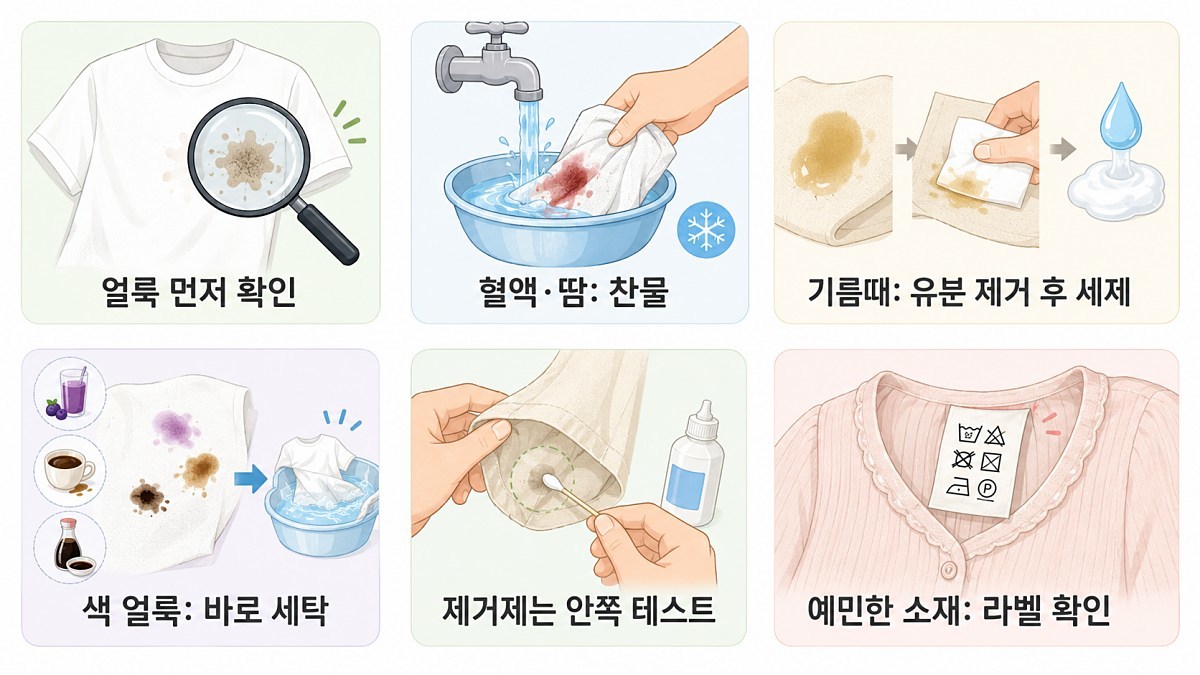
Pigment stains—fruit juice, coffee, soy sauce—get tougher the longer you wait. Blot them with water right away and launder ASAP. Don’t pour hot water onto fresh pigment stains; heat can drive color deeper into the fabric.
Always spot-test a stain remover on an inconspicuous area first. If color fades or the fabric changes, skip it. Delicate fabrics like silk, wool and rayon should be handled according to their care labels rather than scrubbed at home.
More detergent doesn’t mean cleaner clothes
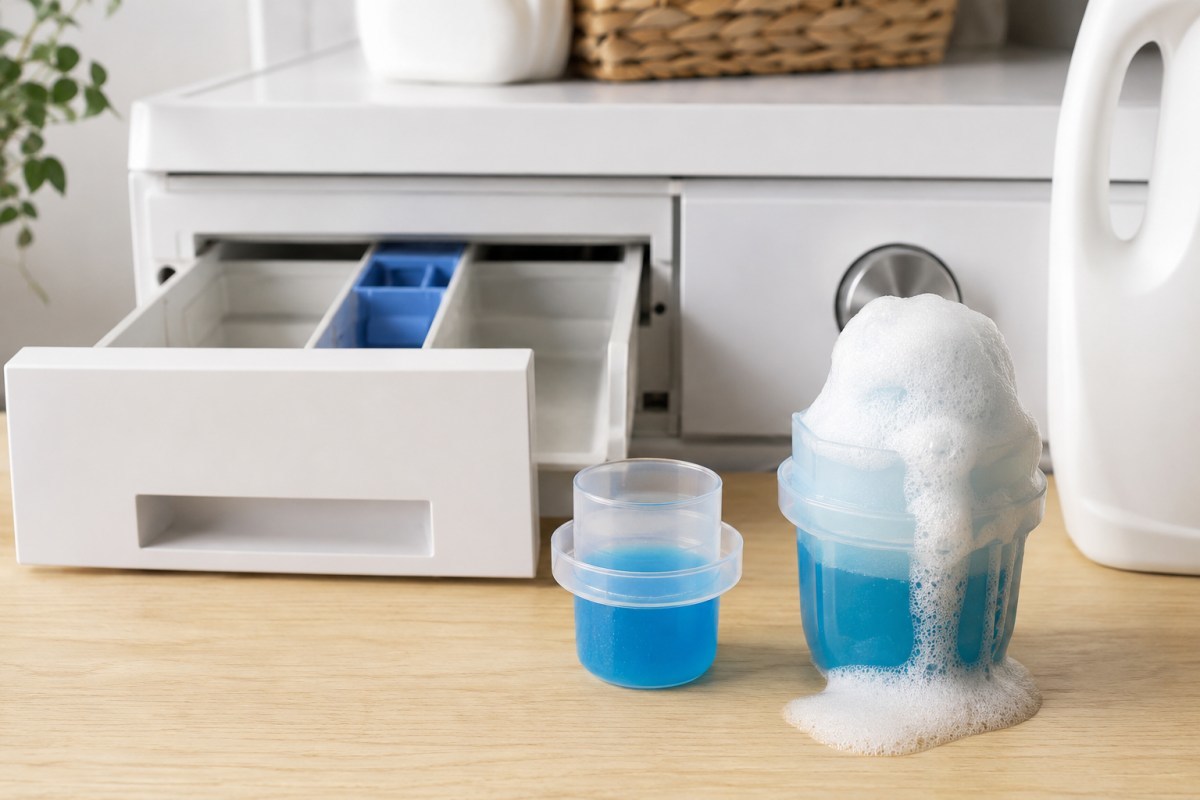
Detergent amount matters as much as temperature. Piling in extra won’t necessarily get clothes cleaner. Excess detergent can remain after rinsing, making garments feel stiff, irritating skin and encouraging buildup inside the washer.
Stick to the detergent label’s recommended amount. Adjust slightly for load size, soil level and water hardness, but don’t make overdosing a habit. Front-load (drum) washers use less water, so too much detergent creates excess suds and hampers rinsing.
If you wash in cold water often, liquid detergent is more reliable than powder. Powder may not dissolve fully at low temps and can leave particles trapped in fibers. Conversely, powder detergents can deliver stronger cleaning in lukewarm water, so choose based on soil and fabric.
Use fabric softener sparingly. Overdoing it for scent can reduce towel absorbency and leave a sticky residue in the drum. For fluffy, absorbent towels, cut back or skip softener altogether.
Sorting laundry determines the result
Sorting is step one. Separate colors—whites, lights and darks—to avoid dye transfer and dulling. Wash new or deeply colored pieces alone for the first few cycles.
Sort by fabric weight and type, too. Washing thin tees with thick towels means towels soak up most of the water and block movement. If laundry can’t move freely, water and detergent won’t reach fibers properly and cleaning suffers.
Keep heavily soiled items separate. Sportswear, work clothes and sweat-soaked garments should be washed apart; soak them in lukewarm water first to cut odor and grime. Mixing heavily soiled pieces with others can spread smells and reduce rinse effectiveness.
Observe the washer’s capacity. Overfilling leaves no room for tumble action. Water and detergent won’t spread evenly, and clothes won’t rub against each other to remove soil. Aim for about 70% drum capacity—you should still see space above the load so items can tumble.
Clean the washer to reduce odors
If your laundry smells musty even after washing, check the machine. Washers endure cycles of water and detergent, and trapped moisture encourages mold, limescale and residue. Heavy use of detergent and softener speeds up drum contamination.
Run a drum-clean cycle or use a washer cleaner about once a month. Follow the product instructions and pick a high-heat or dedicated cleaning program to remove residue and odors. After cleaning, leave the door open so the interior dries completely.
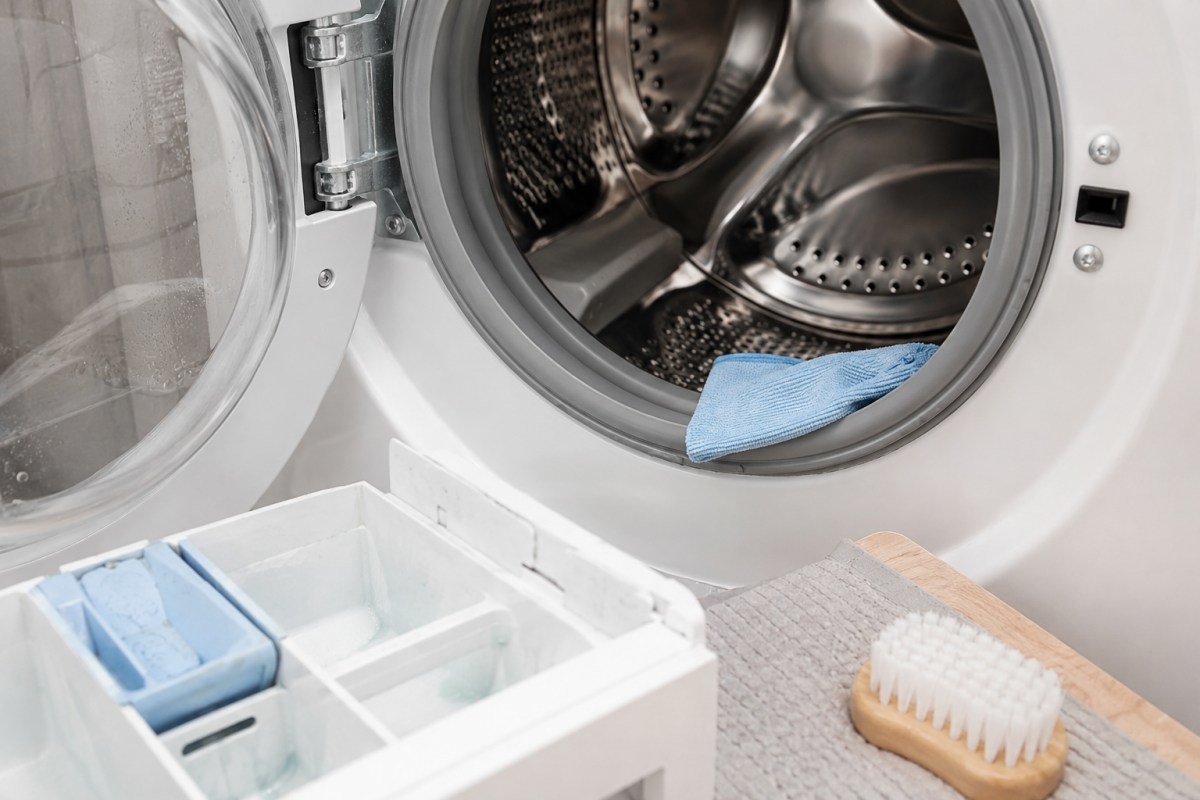
Front-load washers can trap water in the door gasket. Wipe the rubber seal with a dry towel after each wash to cut down on mold and smell. Remove and clean the detergent drawer regularly—hardened detergent and softener residue can harbor mold and transfer odors to laundry.
Keep the drain filter clean, too. Lint, hair and debris can block drainage and cause smells. Check and clear the filter every two weeks to a month per the manual. When removing the filter, have a shallow bowl or towel ready—the filter may release water.
Drying can damage fabrics, too
Even perfectly washed clothes can shrink or lose shape while drying. High dryer heat is harsh on some fabrics. Avoid dryers or use low-heat settings for knits, performance wear, elastic underwear and thin blouses.
When air-drying, pick a shaded, well-ventilated spot. Direct sun can sanitize white cotton but may fade colors. Turn dark or richly colored items inside out to preserve hue.
Think about fabric when hanging. Wet knits can stretch under their weight—dry them flat. Shake out shirts and blouses to reshape before hanging and cut down on ironing. Hang towels without overlapping so they dry quickly and stay fresh.
Iron according to the care label. High heat can crush fibers or create shine. Use a thin cloth as a barrier and avoid lingering steam in one spot. For heat-sensitive materials, press briefly at a low temperature.

Good laundry starts with temperature control
Great laundry comes from the right combo of water temperature, detergent action and washer movement. Don’t just default to hot—identify the stain first. Cold for protein, lukewarm for grease and everyday soils, and hot when you need to sanitize. That simple rule will save many laundry mistakes.
Choosing the right temperature also saves energy and cuts utility costs. Heating water uses a lot of energy, so stick to cold or lukewarm cycles when possible. Picking the right temperature is the easiest way to protect fabrics and lower laundry bills.
Before you press start, scan the laundry basket one more time. Rinse blood-stained items in cold water, prepare lukewarm water for shirts with neck grime, and check materials before opting for a hot wash for towels or bedding. Those small decisions make a big difference in the final result.











Most Commented