
Can Vietnamese Spring Rolls Help You Lose Weight? Discover the Secrets of This Healthy Delight!
Daniel Kim Views
Translation result
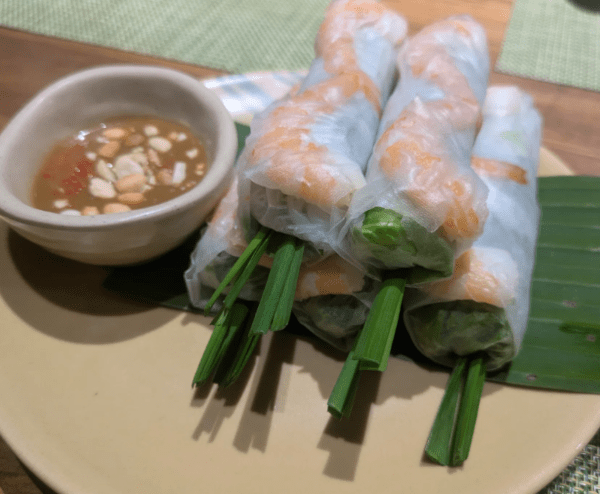
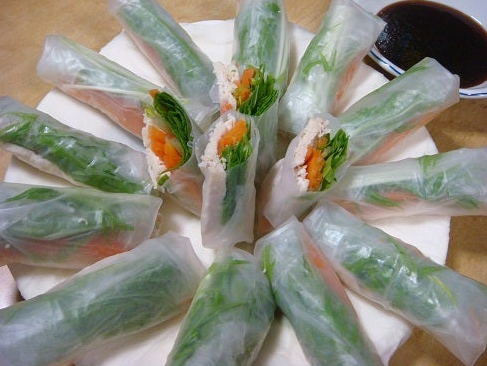
Vietnamese rice-paper rolls are a go-to dish for many Koreans. Wrapping an assortment of vegetables, meats, and seafood in rice paper looks tidy and makes eating feel more interactive and fun. Lately, they’ve gained extra attention as people talk about them as part of diet plans.
In fact, many choose them as diet-friendly options because you can eat your fill with relatively little guilt and naturally boost your vegetable intake. They’re also easy to prepare at home, which reinforces their reputation as a healthy choice.
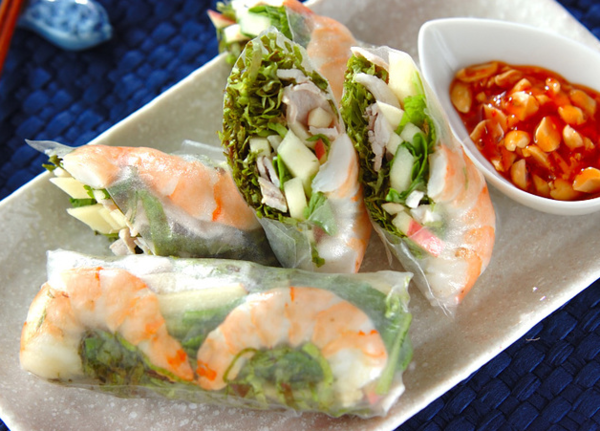
Calorie counts for rice-paper rolls vary widely depending on the ingredients.
Lots of people assume these rolls look hearty and must be high in calories. But the real calorie impact depends heavily on what—and how much—you put inside.
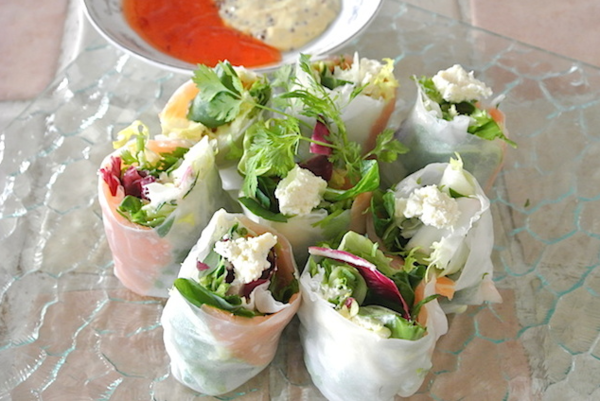
A single sheet of rice paper typically has only a few dozen kilocalories. If you fill rolls mostly with vegetables, the overall calorie load stays relatively low. Piling on cucumbers, cabbage, perilla leaves, and lettuce increases satiety while keeping calories down. On the flip side, loading them with pork belly, fried ingredients, or sweet sauces can raise the calorie count much more than you’d expect.
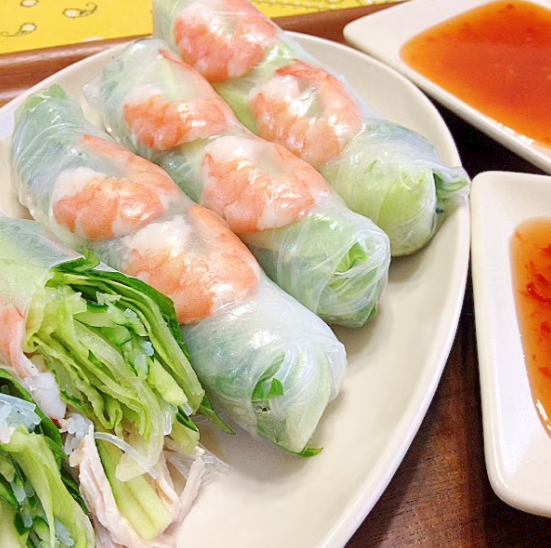
The fact that they encourage eating lots of vegetables is a key advantage.
One big reason rice-paper rolls come up in diet talk is their built-in vegetable boost. While typical meals often focus on carbs and meat, these rolls practically force you to add a generous helping of greens.
High-fiber vegetables help you stay full and slow your eating pace. Because you assemble them as you eat, people tend to eat more slowly with rice-paper rolls. That slower rhythm can help prevent overeating.
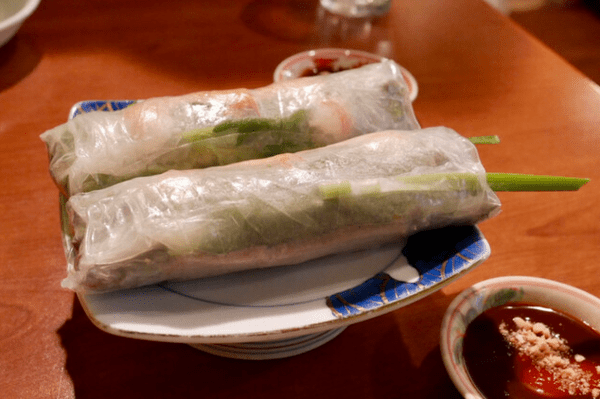
People also say they’re a great way to add protein.
Rice-paper rolls aren’t just a veggie dish—they’re a convenient vessel for protein. Common fillings include chicken breast, beef, or shrimp.
Protein is essential in diet plans because it helps with satiety and preserves muscle mass. That’s why rice-paper rolls can feel like a more balanced choice compared with carbohydrate-heavy meals.
But the catch is in the sauces and ingredient choices.
That said, rice-paper rolls aren’t automatically diet food. Dipping them excessively in sweet chili or peanut sauce can spike your sugar and fat intake quickly. And piling in pork belly or fried components will push total calories up fast.
Ultimately, the mix of ingredients matters most. When people use them as part of a diet, they often recommend boosting the vegetable-to-protein ratio and cutting back on sauce.
There have been real cases in Korea of people using rice-paper rolls for weight loss.
Korean health shows and diet testimonials have often featured meal plans centered on rice-paper rolls. One example followed an office worker who switched his dinners to these rolls while trying to lose weight; he reported eating more vegetables, feeling fuller, and cutting down on late-night snacking.
Experts note that if you balance vegetables and protein well, rice-paper rolls can make a fairly balanced meal. Their appeal as a diet option isn’t just about low calories—it’s about delivering both satiety and nutritional balance.










Most Commented