
Translation result
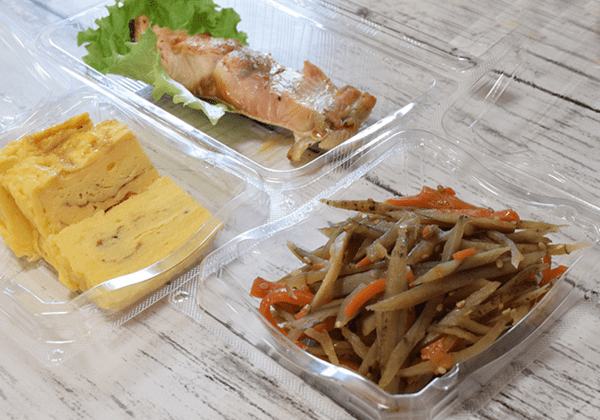
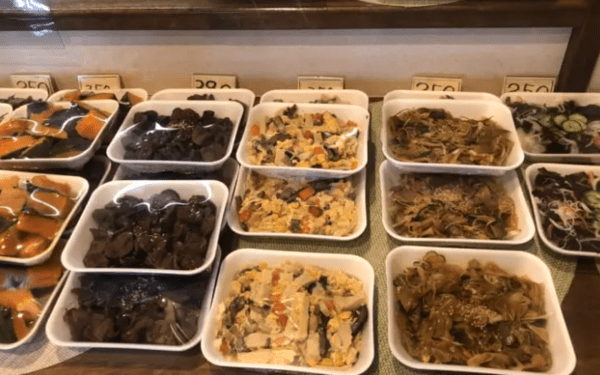
With dual-income households and single-person living on the rise, more people are turning to prepared side-dish shops as a daily convenience. You can skip cooking and still enjoy a variety of ready-to-eat options. From kimchi and seasoned greens to stir-fries and salty fermented seafood, the variety is so wide that many shoppers now prefer these shops to supermarkets.
But experts warn there are a few things you should always check when buying prepared side dishes. They say relying only on price or judging freshness by smell can be riskier than you think.
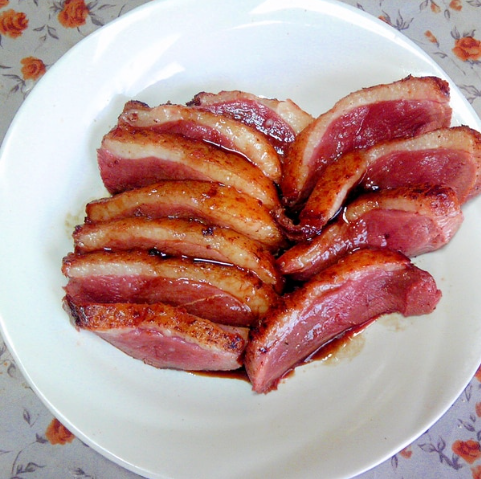
Too many people check only the price and skip the country of origin
Price is often the first thing shoppers notice when choosing side dishes. The problem is that many buyers skip verifying where ingredients come from. Origin matters a lot for meat and seafood sides. Lately, items like grilled duck made from frozen Chinese ducks or certain squid salads have raised concerns, and some imported products have been repeatedly flagged for antibiotic residues and heavy metals.
Food-safety surveys have sometimes found antibiotic residues in certain imported poultry and reported cases where lead or cadmium exceeded safety limits. Because these imports are often much cheaper than domestic options, people worry that the price gap may reflect weaker controls over raw-ingredient management.
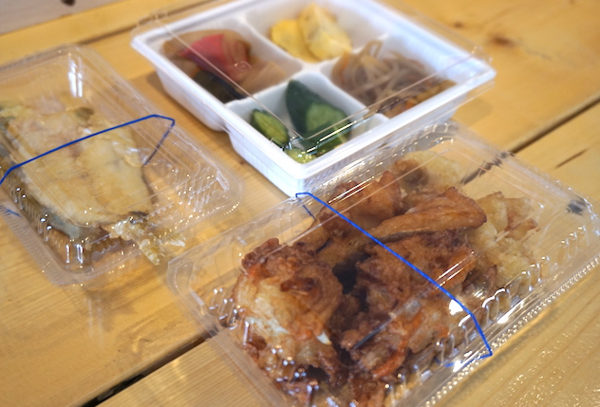
When side dishes are very cheap, check the expiration date and condition
Shops often mark prices down near closing time or put items in clearance sections. The issue is that many consumers grab bargains without a second thought. Items with near sell-by dates or those that have been on display a long time should be inspected for signs of deterioration.
Stir-fries and braised dishes can look fine on the surface but lose flavor and freshness depending on storage. In summer, temperature control is especially important, so be extra cautious with foods that have been sitting out for a while.
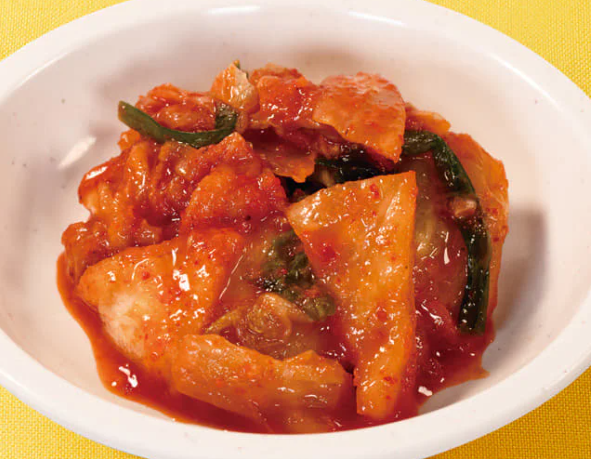
Don’t judge fermented side dishes by smell alone
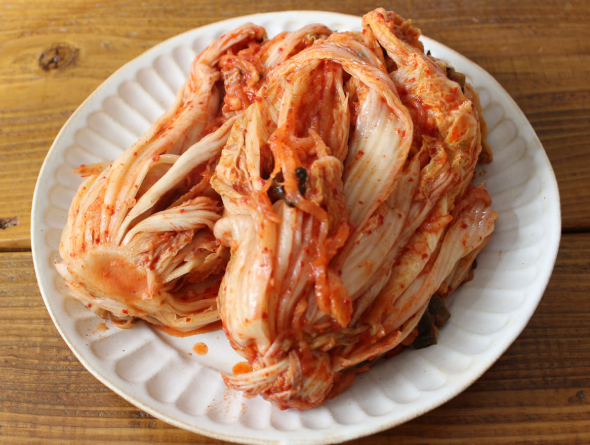
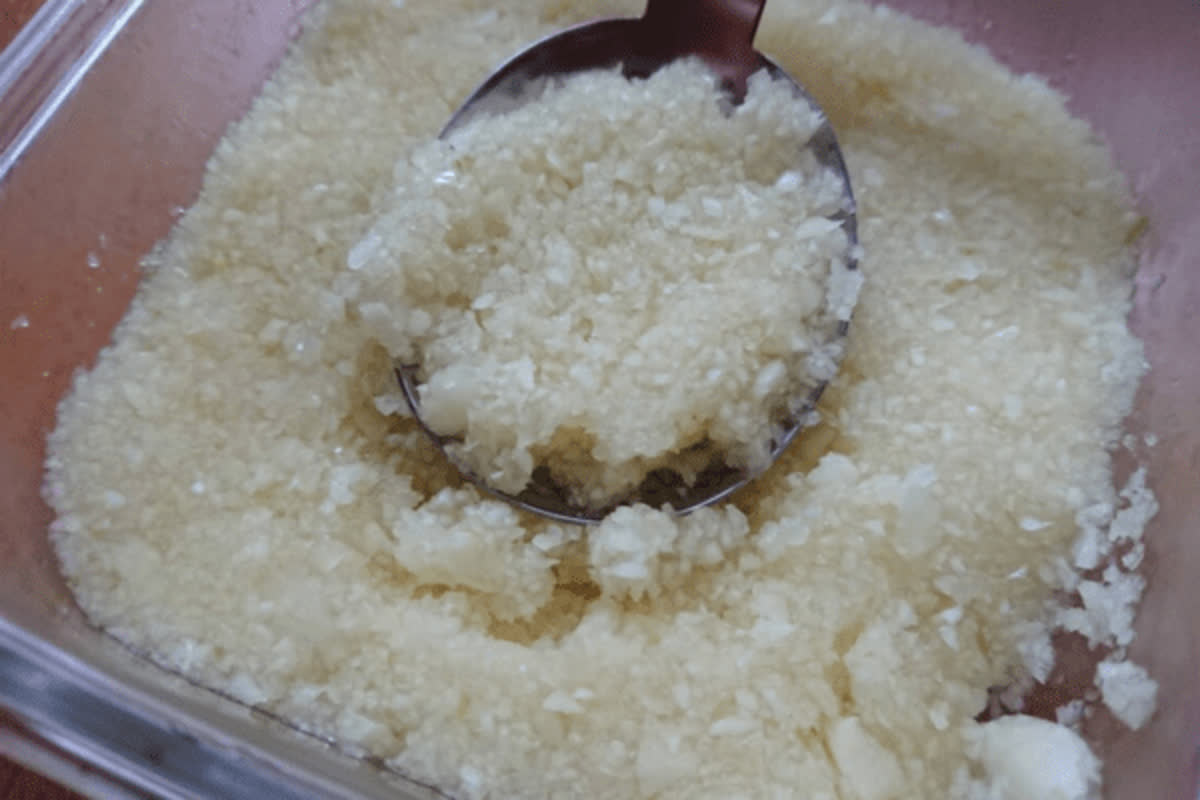
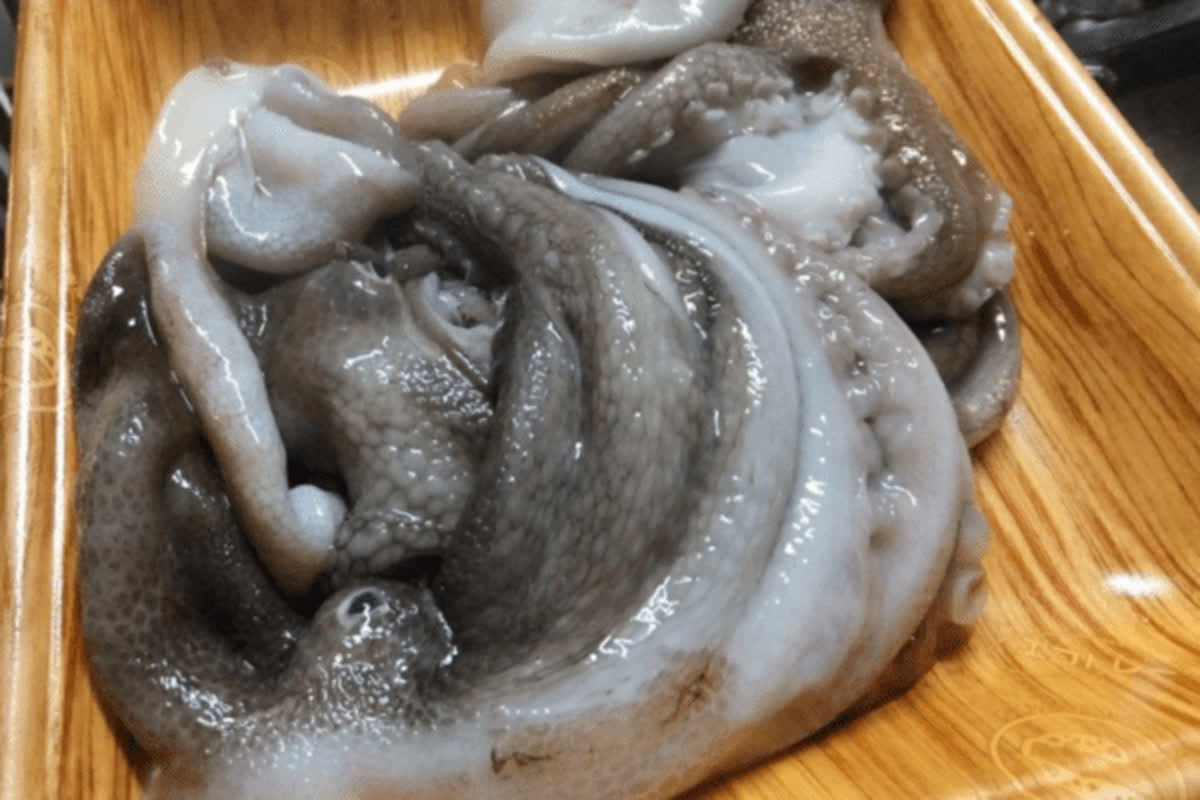
Fermented items like salted seafood and kimchi naturally have strong aromas, which can make it hard to assess their condition. Some people assume “if it doesn’t smell off, it’s fine,” and buy it on that basis. Experts say smell alone isn’t a reliable measure of freshness for fermented foods.
Their strong scent can mask over-fermentation or storage-related spoilage, making it hard to notice problems. Experts recommend checking the production date, storage conditions, and the seller’s handling practices together.
There have been domestic controversies over side-dish origins
Several incidents have sparked debate about the origins of ingredients used by side-dish shops. In one reported case, a vendor was caught labeling imported ingredients as domestic and selling them that way. Many customers said they bought items based on price and only later checked the origin, leaving them shocked.
That episode led to renewed emphasis on checking origin labels. Experts stress that it’s especially important to verify both origin and production date for meat and kimchi products.
Ultimately, you miss a lot if you only look for “cheap and tasty”
Prepared side-dish shops are convenient and offer a lot of variety. But because many people eat these foods every day, experts say it’s wise to check origin, distribution and storage conditions instead of choosing based on price alone. While smell can help with fermented items, manufacturing dates and overall condition are often more telling.
At the end of the day, healthy eating isn’t just about what you put on your plate—it’s also about choosing foods that are in good condition.











Most Commented