
Why Vietnamese Spring Rolls Are the Secret to Better Digestive Health: 5 Key Benefits
Daniel Kim Views
Translation result
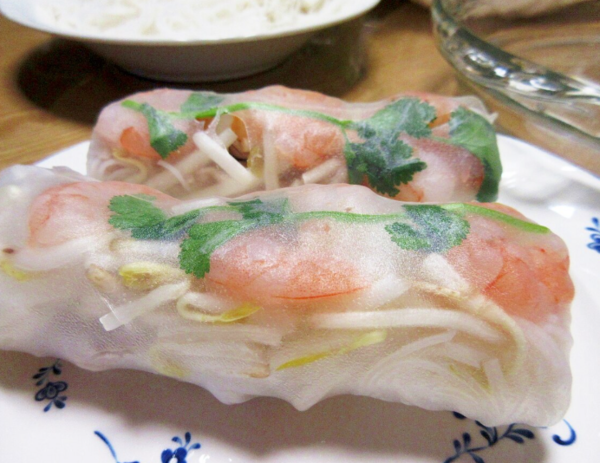
How a delicious wrap can reset your gut: why Vietnamese spring rolls help with constipation
When you pop into a local Vietnamese spot, one thing people inevitably order is the spring roll. Wrapped in rice paper with a mix of fresh veggies and fillings, it’s a light, feel-good choice. Because it lets you pack in lots of produce, it’s often hailed as a gut-friendly option—and doctors sometimes recommend it for folks dealing with constipation.
But the reason it helps goes beyond just eating more greens: the spring roll’s very makeup supports a healthier gut environment. Knowing how and why this happens is the key.
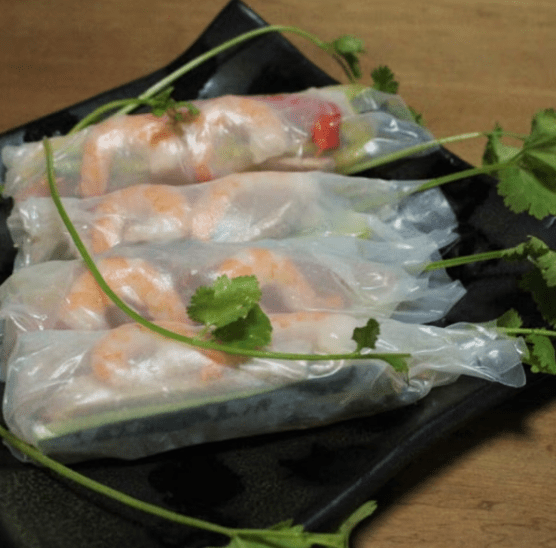
Different fibers give your gut a one-two punch
Spring rolls typically include lettuce, perilla leaves, carrots, cucumber and more. Each veggie brings a different kind of dietary fiber to the table. Soluble fiber helps soften stool, while insoluble fiber stimulates the intestines and supports regular elimination.
So instead of just one type of fiber, you get a blend that works together. The result is a combined “soften and propel” effect that makes bowel movements easier.
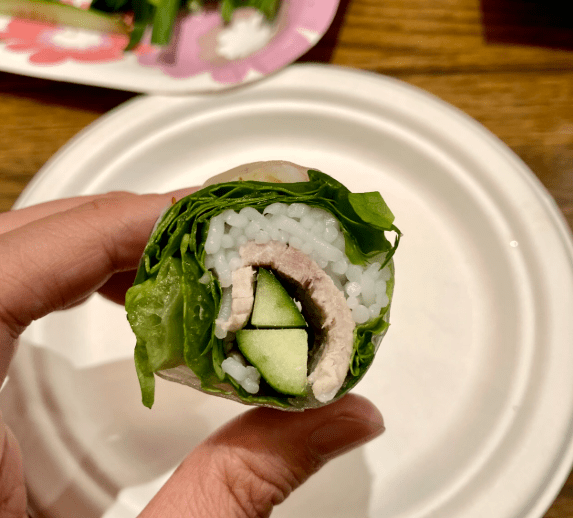
They feed good gut bugs and improve your microbiome
Dietary fiber is fuel for beneficial gut bacteria. Eating a variety of veggies—like those in spring rolls—helps shift your gut microbiome in a healthier direction over time. As helpful bacteria increase, intestinal movement becomes more efficient and bowel habits smooth out.
This isn’t just a quick fix; it actually changes your gut environment. That’s why the benefits become more noticeable the more consistently you include these foods.
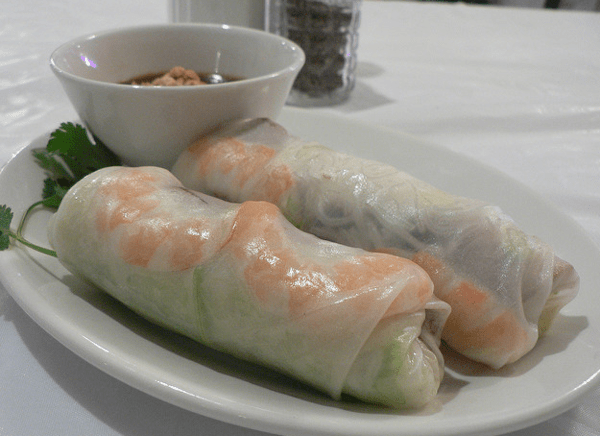
Hydration plus fiber equals softer stools
Spring rolls use vegetables with high water content and are often eaten with sauces and other moist fillings, so you naturally take in extra fluids. Hydration is crucial for keeping stool soft.
Too much fiber without enough fluids can actually harden stool. Spring rolls tend to hit both targets: fiber and hydration. The balance of “fiber + water” is what really matters.
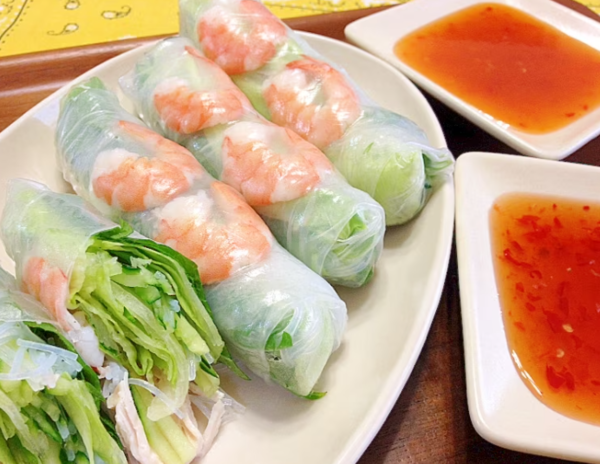
Eating slowly, not overeating, gives your gut a break
Because you assemble or eat spring rolls one by one, your meal pace naturally slows. That helps prevent overeating and lets digestion proceed more steadily.
Speed-eating can stress the gut, but the format of spring rolls reduces that risk. They’re more than just food—the way you eat them supports better digestion.
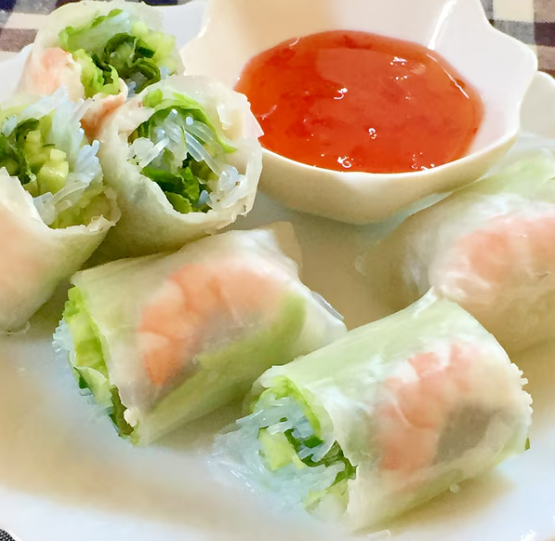
Bottom line: it’s the meal structure that changes your gut
Spring rolls help with constipation for more than the obvious reason of being veggie-packed. They mash together diverse dietary fibers, proper hydration and a slow-eating format. That combo keeps your gut moving smoothly and helps improve the environment inside your intestines.
The takeaway: don’t treat this as a one-off trick. Making these kinds of meals a regular habit is what really moves the needle on gut health. A small shift in how you eat can lead to major improvements in digestion.










Most Commented