
Why ‘Suk Bugak’ is the Must-Try Spring Snack: A Complete Guide to Crispy Mugwort Delights
Daniel Kim Views
Translation result
When spring’s fragrant mugwort turns leathery and tough, revive it as ssukbugak — crunchy mugwort crisps that are impossible to stop eating.
Mugwort is a hallmark of spring, but if you miss its peak it quickly becomes coarse and fibrous. Young shoots are perfect in seasoned greens or soups, but once the stems thicken they get stringy and unpleasant to eat raw. The classic rescue is bugak, which flips that chewiness into a delightful crisp.
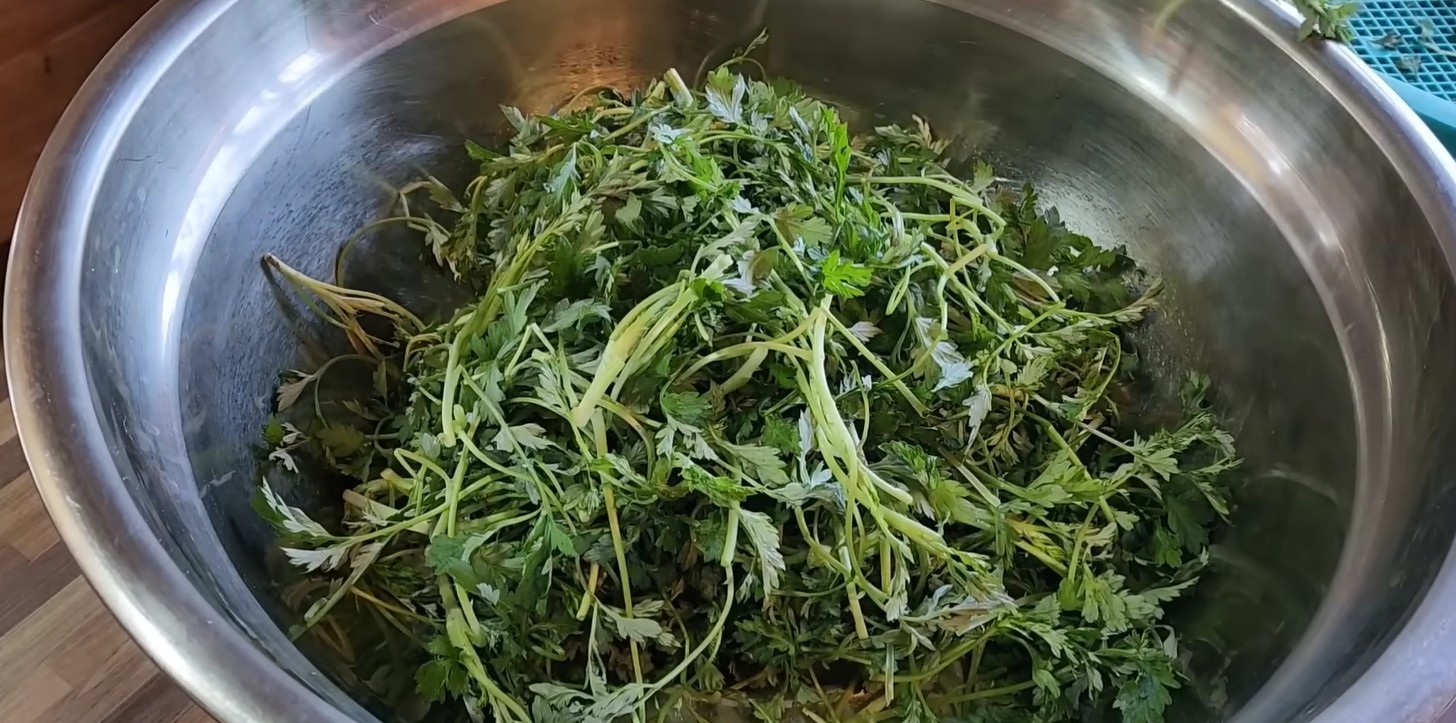
Bugak is a traditional snack made by coating vegetables or seaweed in a starch paste, drying them, and deep-frying. Using mugwort preserves its aroma while completely transforming the texture. Even tough mugwort becomes nutty and crisp, turning into something you’d reach for as a snack.
The secret to great ssukbugak is the prep. Start by washing the tough mugwort thoroughly, then blanch it briefly in boiling water with a pinch of salt. Blanching softens the fibers and cuts bitterness. Rinse the blanched mugwort in cold water to set the color, then squeeze out the excess moisture.
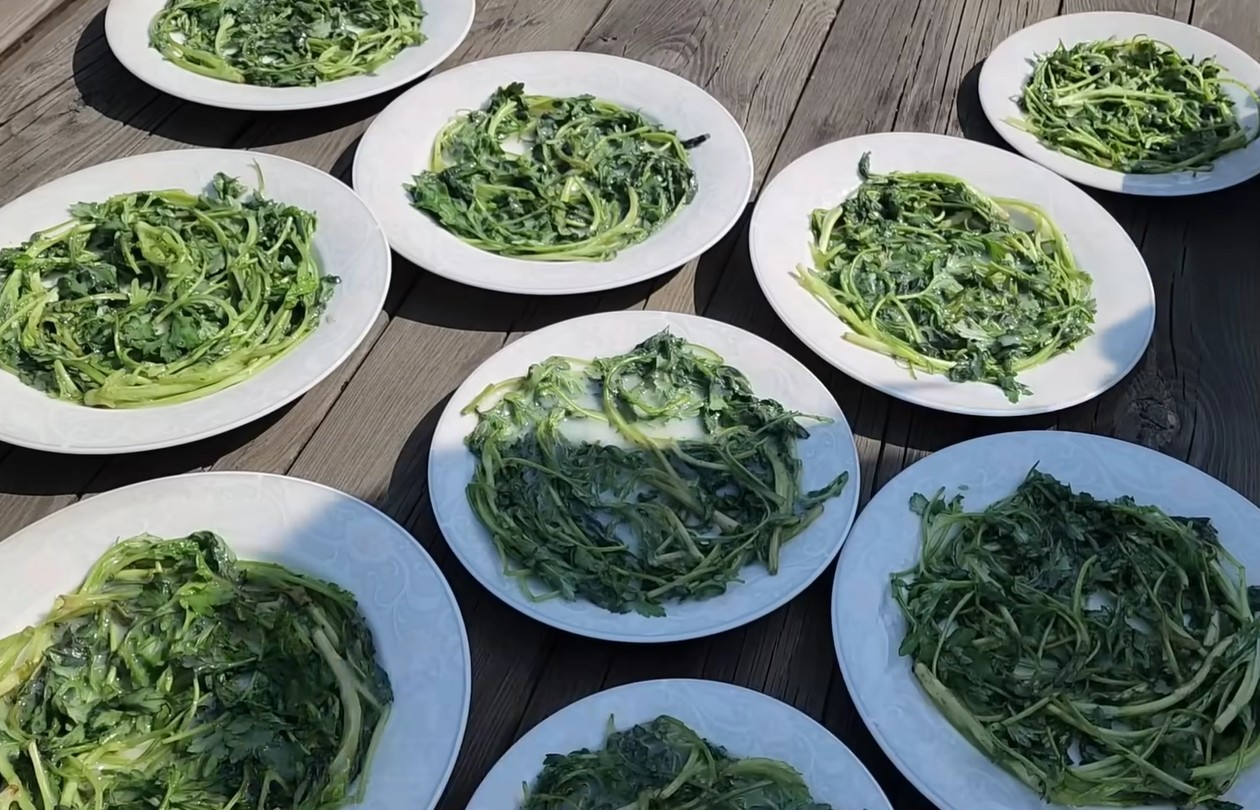
Next, coat the mugwort with a paste. Traditionally, cooks use a glutinous rice paste: mix glutinous rice flour with water and simmer over low heat until it thickens. Apply a thin layer of this paste—too thick a coating will soak up oil during frying and make the pieces heavy.
Lay the coated mugwort flat without overlapping and dry it completely in sunlight or a well-ventilated spot. This drying step makes or breaks the result: any residual moisture will keep the pieces from puffing and cause sogginess, so let them dry thoroughly until crisp.
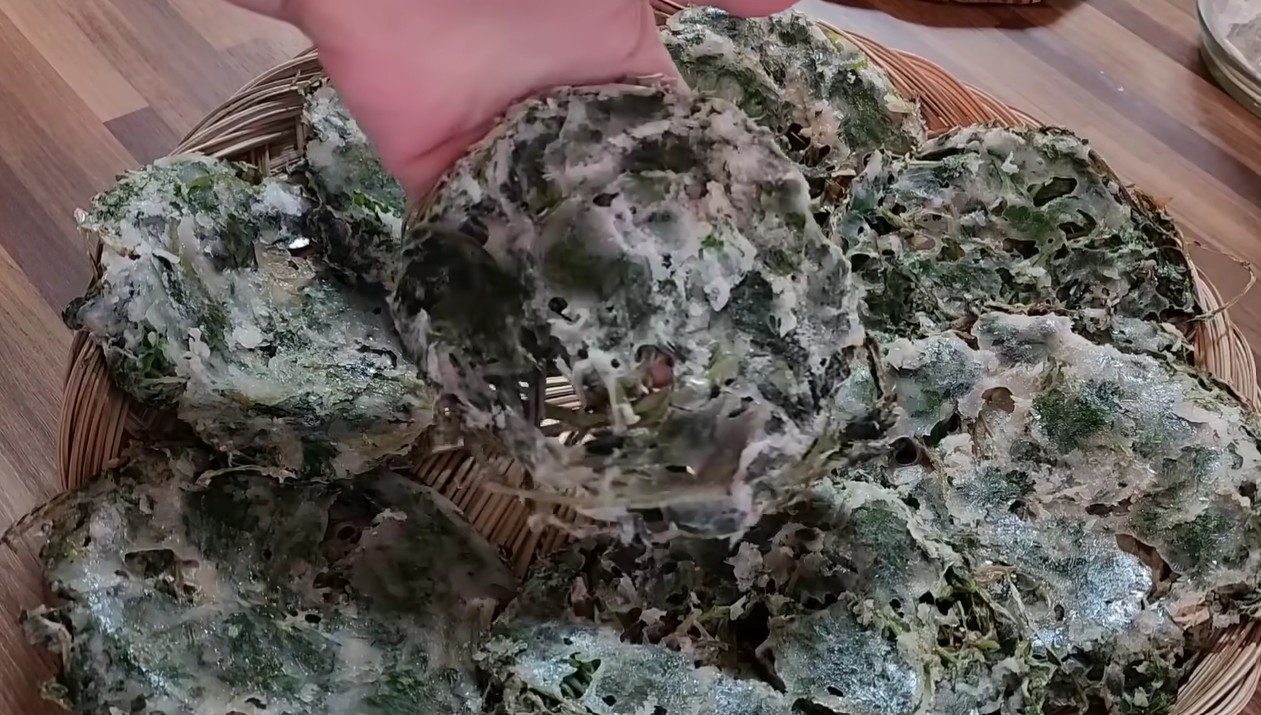
Once fully dried, fry the mugwort in oil heated to about 170°C. The pieces will puff up instantly and turn crisp. Don’t over-fry—leave them in only briefly to avoid darkening or a bitter taste.
Drain the fried ssukbugak on paper towels, then finish with a light sprinkle of salt or sugar. For a bolder kick, add red pepper flakes or a soy-based glaze. It’s simple, irresistible, and dangerously snackable.
The biggest advantage of ssukbugak is ingredient efficiency. You can transform otherwise wasted tough mugwort into a snack or side dish with a completely new texture. Because the mugwort’s aroma stays intact, you can savor a little taste of spring longer. The dried form also stores well, so you can enjoy it over time.
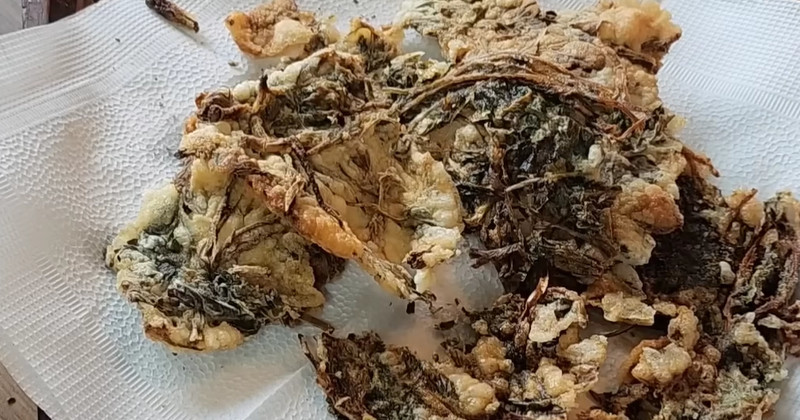
From a nutritional perspective, mugwort offers dietary fiber and various nutrients that can help restore energy in spring. Frying adds oil, but the flavor is so concentrated that a small portion goes a long way, which helps curb overindulgence.
Be careful with oil temperature and drying. If the oil is too cool, the pieces won’t crisp; if it’s too hot, they’ll burn. Frying before they’re completely dry can cause oil splatter and ruin the texture, so thorough drying is essential.
As chefs and home cooks reinterpret traditional dishes, ssukbugak is enjoying a comeback. It’s moved beyond a simple side and now stars as a snack or bar bite, with creative variations popping up everywhere.
Your daily personal fortune report! How will your day go?











Most Commented