
Translation result
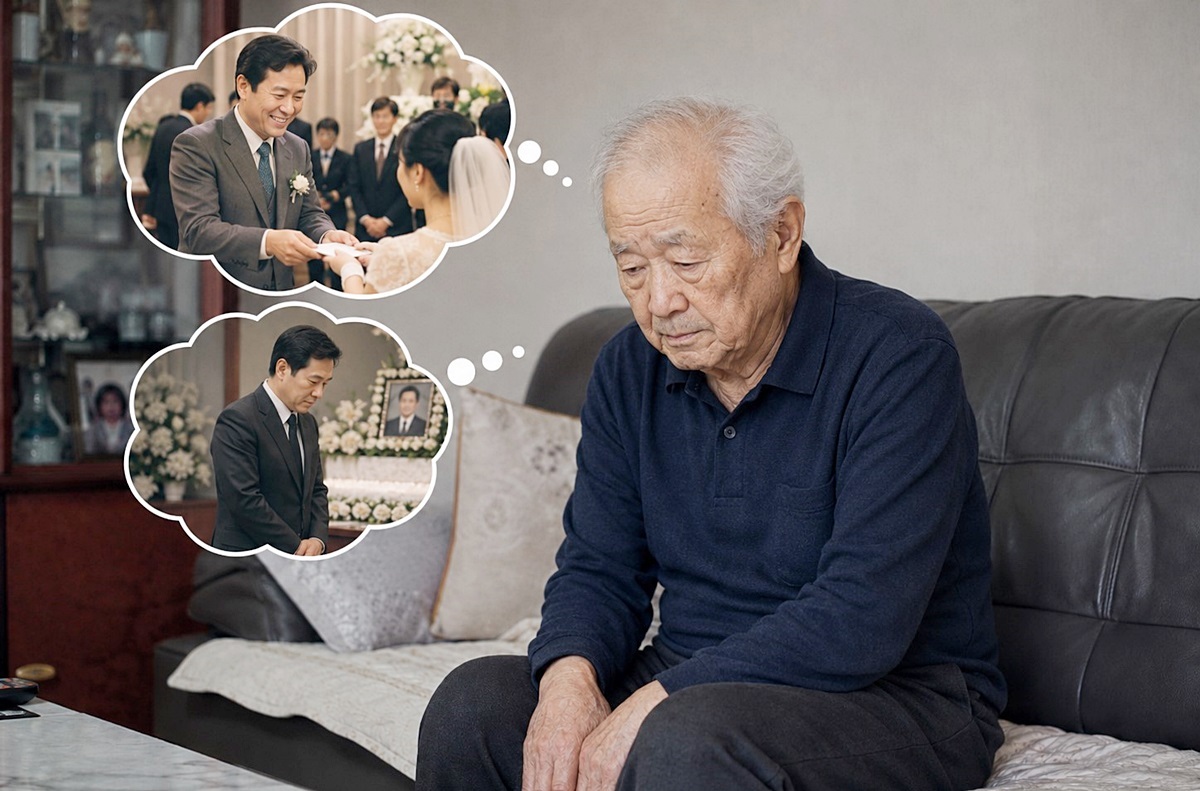
Many people grow up believing the connections they form in youth become lifelong assets. So when a friend announces a wedding, they carve out time to attend. When they hear of a funeral, they travel to pay respects. They try not to miss first-birthday parties, 60th-birthday celebrations, business openings, promotion gatherings, and other events.
Bringing cash gifts for weddings or funerals, choosing presents, making check-in calls, and showing up in person—these acts are often regarded as the basic courtesies of social life.
Are the relationships you built in youth truly life’s assets?
You give time, money, and attention with the hope that it will be returned. You assume those gestures will remain in people’s memories. But with time, many discover a quiet truth: relationships don’t always repay you in kind.
Life teaches you that visiting someone ten times won’t guarantee they’ll visit you ten times. You may expect friends to rally around you in hard moments, yet reality can fall short. Some who never missed your events when you were younger may not even reach out when you need them.
You might have paid for meals, bought gifts, made time, and genuinely cared—only to find others don’t hold those acts in lasting gratitude. Some take kindness for granted. Others decline because they’re busy. And as relationships drift, past favors are sometimes forgotten.
People live weighed down by their own lives, so they react more strongly to their own struggles than to what others do for them. Expecting exact reciprocity—getting back exactly what you gave—sets you up for disappointment.
After age 60, this realization often grows sharper. In youth, work and social life keep you occupied, leaving little room to dwell on hurts. As you age, roles shrink and social circles narrow. Retirement or an empty nest means you’re less often at the center of gatherings.
That’s when you look back at past ties and remember how much time and care you invested. If you discover fewer people remain by your side during loneliness or hardship, a sense of emptiness can follow.
You might think, “I took care of them—why don’t they take care of me?” and regret not focusing more on yourself or your family. Such feelings can deepen into a broader sense of futility about life.
I took care of them—why don’t they take care of me?
Not all relationships end like that. Some people recognize true goodwill and remember it. Friends who quietly reach out in hard times, acquaintances who appear at crucial moments despite infrequent contact, and people who give without keeping score—these relationships exist. The pain runs deepest when you place big expectations on those who won’t reciprocate.
The more you give, the more you tend to expect in return. But others may not feel the same intensity you felt. What matters deeply to you can register as a passing kindness to someone else. What you think you’ll remember forever they might forget in days. If you can’t accept that gap, resentment and anger build with age.
To protect yourself from that pain, it helps to lower your expectations about relationships. That doesn’t mean stop caring. It means don’t act primarily because you expect repayment later. Act because you can, because you want to honor basic courtesy, or because you genuinely care. When outcomes differ from your hopes, you’ll be less wounded.
The same applies to attending events. Go when you truly want to celebrate or console. If you attend out of obligation, pride, or with a calculated hope of getting something back, you will only exhaust yourself. Talk of “managing” relationships often hides calculation and anxiety. Trying to be a good person to everyone ultimately wears you down.
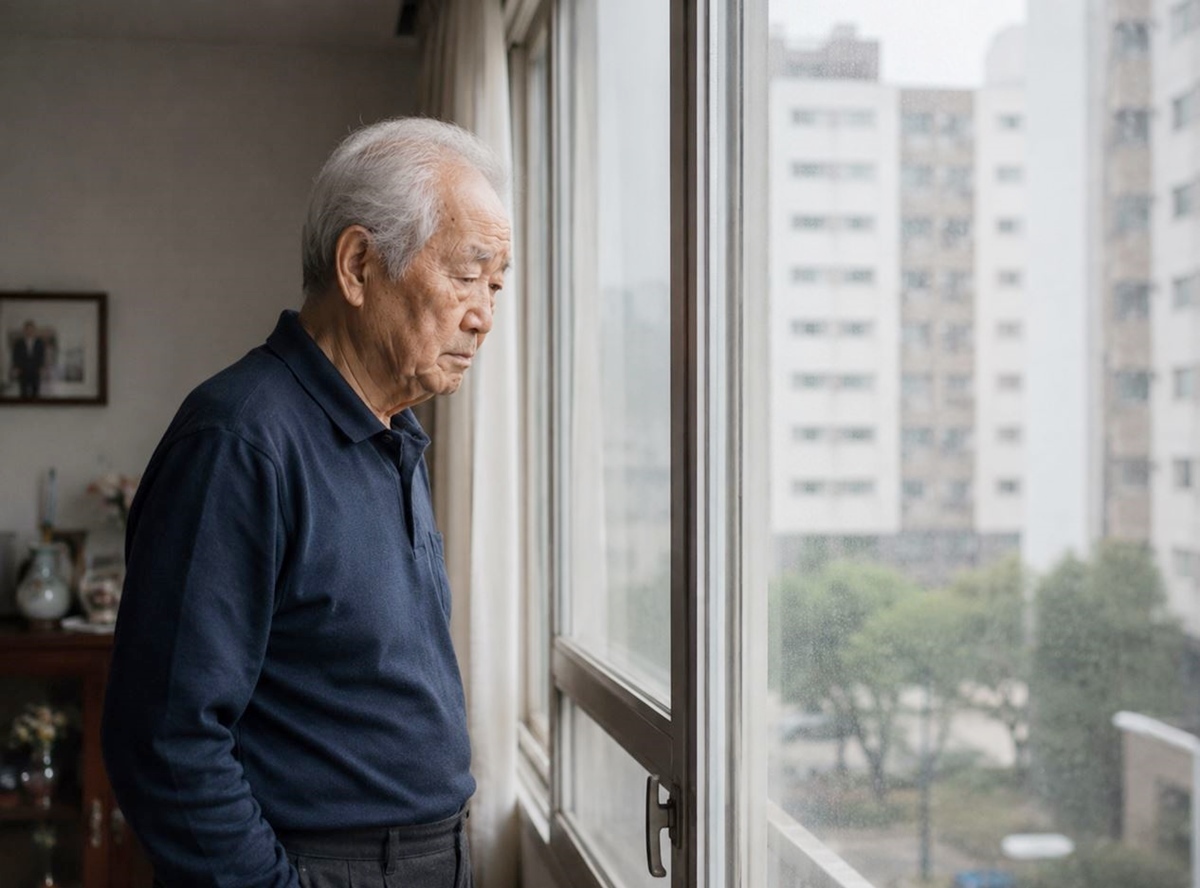
Quality matters more than quantity. In youth, knowing many people can feel like power. A phone full of contacts, a crowded social calendar, and frequent invitations can make you feel widely connected.
But as you age, true strength comes from depth, not breadth. A few people who understand your situation, listen, and whom you can call without feeling like a burden are far more valuable. One or two sincere relationships ease loneliness more than dozens of shallow ones.
So rather than trying to attend every event, invest in the people with whom you truly want to share your life. Be selective. If you try to give everyone equal attention, you’ll end up unable to fully give to anyone—and you’ll wear yourself out.
Devote care to those you truly want to be close to—and take care of yourself
Another essential practice is to care for yourself first. Many people overspend and overextend their time when young to appear generous. But later in life, what remains is your life—not others’ opinions. Your health, family, retirement, and inner peace must be secure before you can offer others a healthy heart.
Giving without self-care often turns into resentment. If you frequently think, “I did so much,” you may already be driven by a desire for reward. Pause and ask whether you act from genuine willingness or from a need for recognition. Those who keep their own lives centered wobble less in their relationships.
As you age, change your standards for giving. Rather than spreading yourself thin, give only as much as won’t hurt you. Give within what you can handle, give what you won’t regret even if it isn’t returned, and give in ways that don’t jeopardize your daily life.
That way generosity won’t harden into bitterness. It’s good if others show gratitude, but if they don’t, you should be able to let it go because you chose to give. This isn’t a call to become cold; it’s a call to mature. Don’t treat every relationship like a transaction, but don’t sacrifice endlessly either.
Ultimately, the fact that you often don’t receive as much as you give is not a reason for despair. It is an invitation to view relationships more realistically. People live from their own perspective; memories fade and gratitude can ebb. Clinging to what you gave only hurts you.
Give with a joyful heart and keep your expectations light. Rather than obsessing over unreturned feelings, cherish the people who remain by your side now and protect your peace. Happiness in later life comes not from wide recognition but from living comfortably within a small circle without resentment. Not receiving as much as you gave does not mean your life failed. It simply means it’s time to return some of the care you offered others back to yourself.















Most Commented