
Translation result
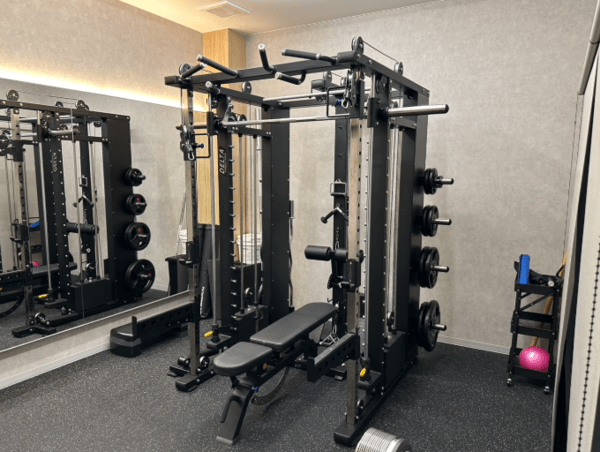
For years, heading to the gym after work was a near-universal ritual for office workers. Running on treadmills and lifting weights became the default of fitness culture, and many people joined gyms to build muscle and manage their weight. Lately, though, that routine is starting to change.
People in their 20s and 30s increasingly want workouts that do more than shape the body — they look for stress relief, hobbies and social connection. As a result, saunas, climbing gyms and boxing studios are emerging as new favorite fitness destinations.
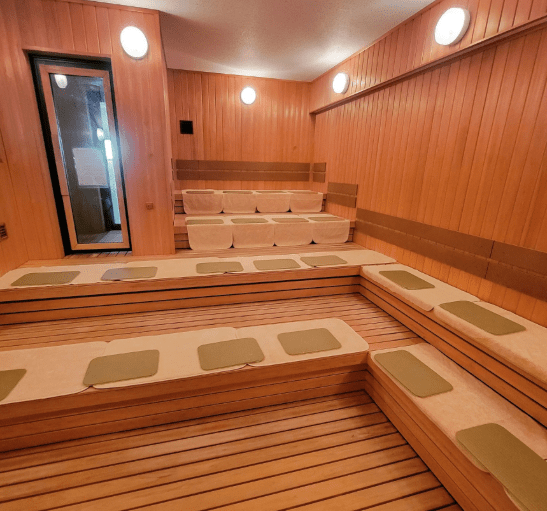
Saunas are shifting toward a culture that prioritizes recovery over exercise
More young adults now treat recovery and rest as essential parts of a fitness routine. Workers who sit for long stretches often carry chronic fatigue and stress, so many find passive recovery — loosening up and resting — more appealing than intense training.
Against that backdrop, visits to saunas and jjimjilbangs (Korean public bathhouses) have risen among people in their 20s and 30s. They report that a session “helps the body unwind” and leaves them feeling mentally calmer than a typical workout. Boutique “sensory” saunas and premium spa experiences have also gained traction.
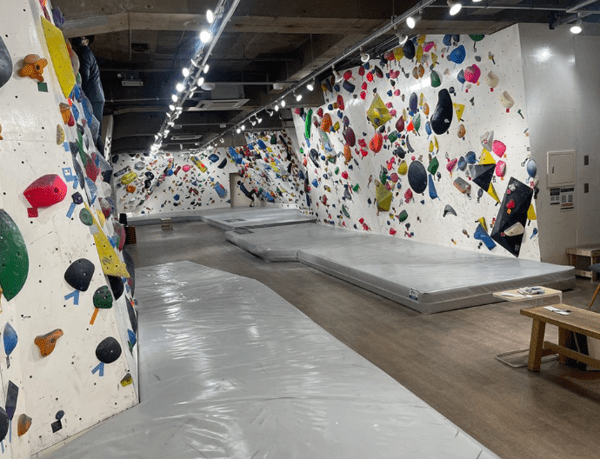
Many say climbing feels part workout, part game
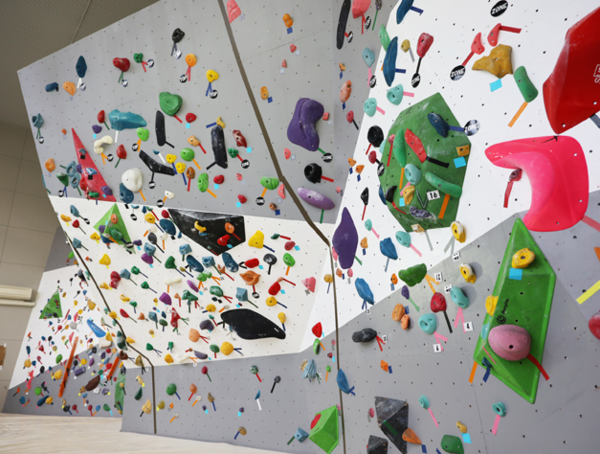
Indoor climbing has surged in popularity over the past few years. Young people are drawn to it not just for strength building but because each route presents a problem to solve — it feels like a game as you work toward the top.
Climbing also stays engaging when done solo, and it photographs well for social feeds. On social media, climbing check-ins and photos have even become a trend.
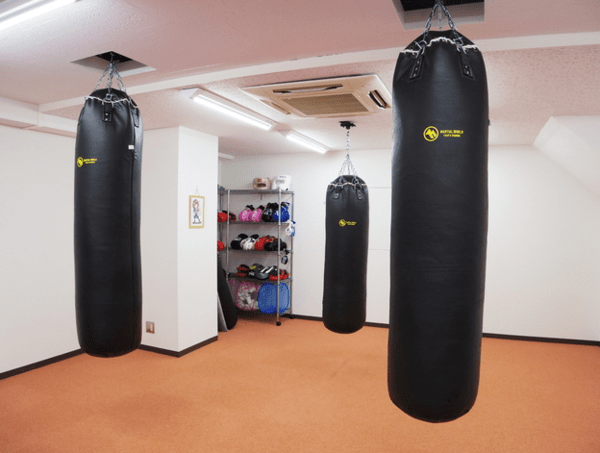
Boxing gyms are catching on as effective stress-relief workouts
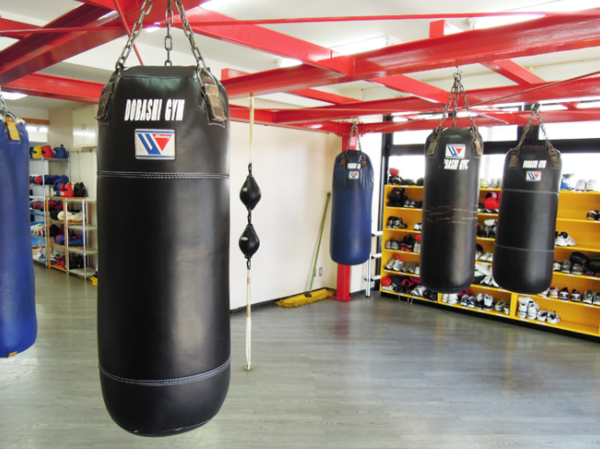
Boxing has also become a common pick among office workers. Many prefer it because it provides a stronger outlet for stress than typical weight-loss routines. Hitting a heavy bag or working mitts delivers an immediate sense of release for a lot of people.
Boxing sessions can produce heavy sweat in a short time, increasing perceived workout value. The rise of women-only boxing clubs and weight-loss boxing programs has made the sport more accessible to new audiences.
Ultimately, many say the purpose of exercise itself has changed
Trend analysts and experts note that the focus among people in their 20s and 30s has shifted from “building the body” to seeking “experience and satisfaction.”
Where once the emphasis was on body shaping and muscle gain, people now prioritize stress relief, enjoyment and self-care. That has led many to favor forms of movement they find pleasurable rather than repetitive, goal-driven routines.
Examples of this shift have already made headlines in Korea
Korean trend programs and social media have repeatedly highlighted changes in how people in their 20s and 30s approach fitness. One domestic segment even featured office workers opting for saunas and climbing sessions instead of post-work gym time.
Interviewees said things like, “It feels more like a hobby than exercise,” “Stress relief has become more important,” and “You can’t stick with workouts you force yourself to do.” Comments mirrored those views: “You start finding activities more fun than the gym,” “Mental health matters now,” and “Try climbing once and you’ll keep going.” Overall, observers say exercise is evolving from basic physical upkeep into choices that enhance life satisfaction and reflect personal taste.













Most Commented