
Translation result
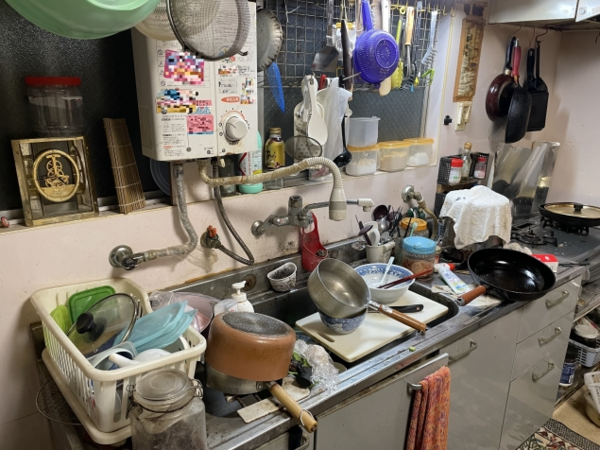
When people think of kitchen hygiene, they usually picture the sink, cutting boards or dishcloths. But in recent months utensil holders—the containers used to store spoons and chopsticks—have drawn attention as surprisingly vulnerable places for bacteria to grow. Many point to a simple habit: putting utensils back into the holder before they’ve fully dried after washing.
In a narrow, damp container where water can collect, bacteria can multiply quickly. As a result, routine tips on household hygiene increasingly emphasize cleaning and maintaining utensil holders.
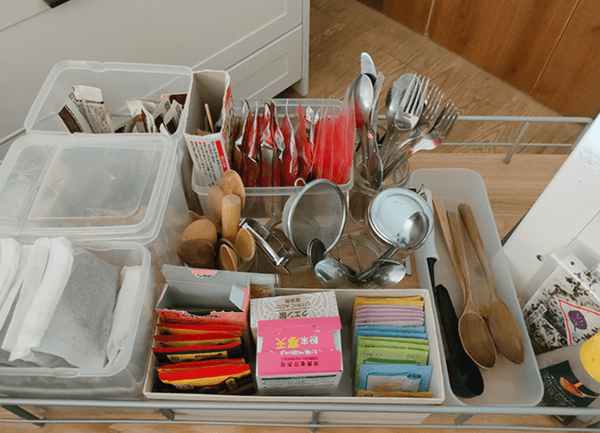
Many people single out the habit of placing damp utensils directly into the holder as the core problem.
Putting utensils into the holder immediately after washing is common. The trouble is that droplets clinging to the ends of spoons and chopsticks drip down and pool on the holder’s bottom. Plastic or sealed holders often lack ventilation, so that trapped moisture can linger.
When people inspect holders that haven’t been cleaned in a while, they often find mineral deposits and dark grime on the base.
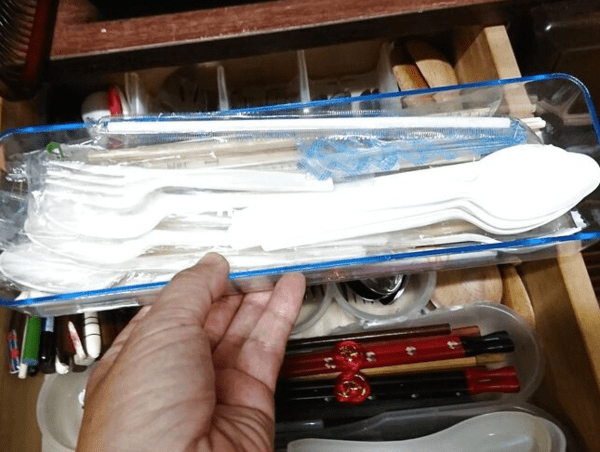
Baking soda is frequently recommended as a simple, effective cleaning solution.
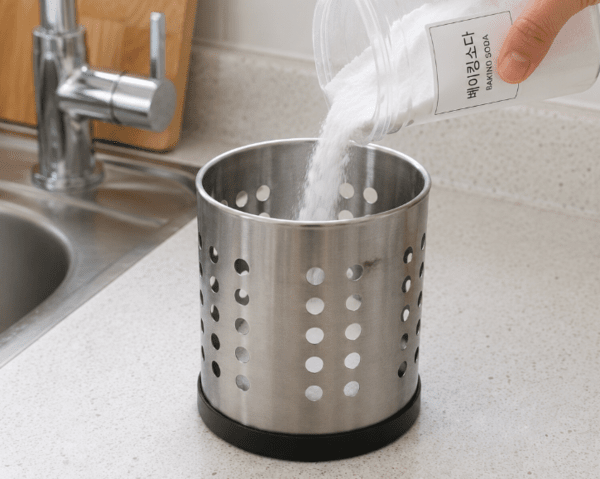
One of the most circulated tips uses baking soda to clean utensil holders. First, remove all the spoons and chopsticks and give them a quick scrub with a sponge.
Next, dissolve baking soda in lukewarm water, pour the mixture into the holder, and scrub the interior thoroughly with a brush or sponge. People often recommend baking soda for removing odors and grease when tackling household cleaning tasks.
Users also stress the importance of removing standing water and thoroughly drying the holder.
Cleaning is only part of the solution; regularly emptying any pooled water and allowing the holder to dry completely helps prevent ongoing moisture buildup. In response, more people are choosing holders with drainage holes or models that disassemble for easier cleaning.
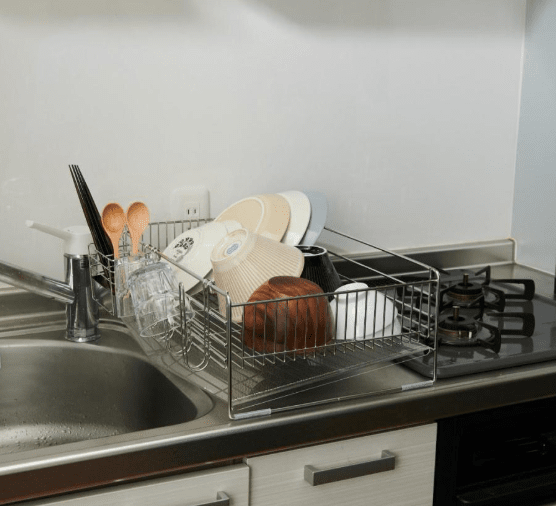
Ultimately, many experts say kitchen hygiene comes down to caring for the spaces you use most.
Experts and lifestyle writers note that the less visible a spot is, the more important it becomes to maintain. Utensils touch the mouth every day, so where and how you store them matters. As a result, more people are paying attention not only to washing utensils but also to managing the storage containers themselves.
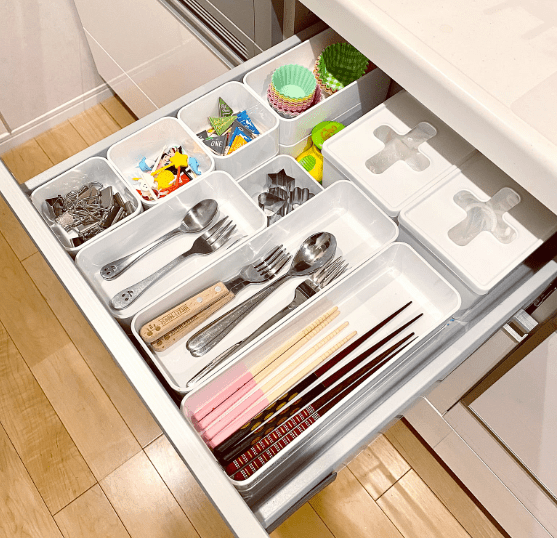
Utensil holder hygiene has flared into a wider conversation before.
Domestic lifestyle programs and social media have repeatedly highlighted the issue. One show drew attention when it opened a well-used holder and found mineral scale and grime at the bottom; the segment also shared a baking-soda cleaning method.
Comments included lines like, “I never thought about cleaning the utensil holder,” “I was shocked when I opened the bottom,” and “Now I always dry them before putting them back.” The exchange underscores a broader trend: people increasingly emphasize not only visible cleaning but also care for often-overlooked kitchen tools.














Most Commented