
Translation result
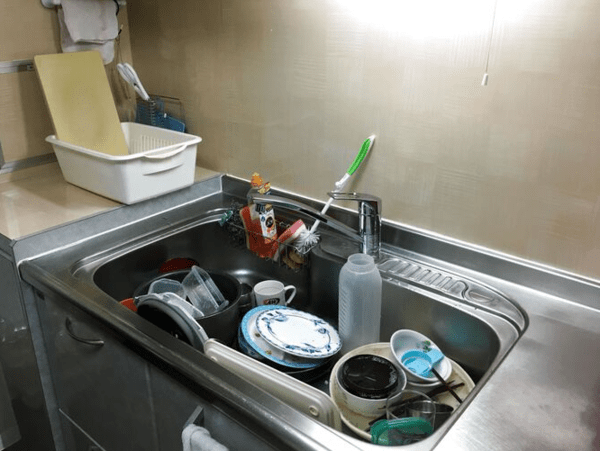
Most people turn their cups over after washing so water can drain, thinking they’ll dry faster and keep dust out. But experts say setting a cup rim-down so it sits flush against a surface can create hygiene problems: damp air can become trapped inside the cup.
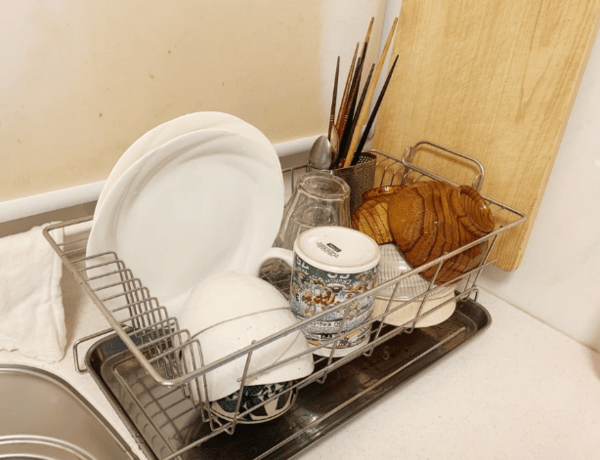
If moisture becomes trapped inside a cup, bacteria and mold can grow more easily.
When a cup is placed rim-down on a counter or drying rack, air can’t circulate inside. Immediately after washing, droplets and humidity cling to the interior, and if airflow is blocked the inside can stay damp for a long time.
That matters because those conditions are exactly what bacteria and mold favor. In warm, humid rooms like kitchens, growth can accelerate.
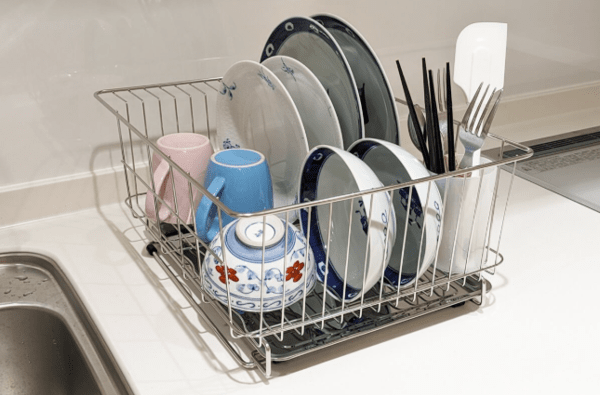
Common offenders include black mold and yeast.
Fungi often found inside cups or around drip trays include black molds such as Cladosporium and various yeasts. Not every mold causes immediate health problems, but experts warn that leaving growth unchecked over time is unsanitary.
Repeated buildup of residue and mold can produce odors and may pose greater risks for people with weakened immune systems.
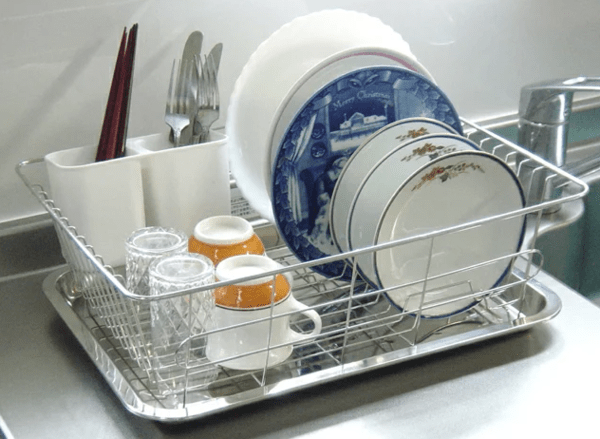
The best approach is to stand cups so air can circulate.
Experts recommend avoiding placements that press the cup rim flat against a surface. For example, tilt cups on an open drying rack or otherwise position them so air can flow — the interior will dry much faster. Wiping the inside with a dry dishcloth or paper towel after washing also helps.
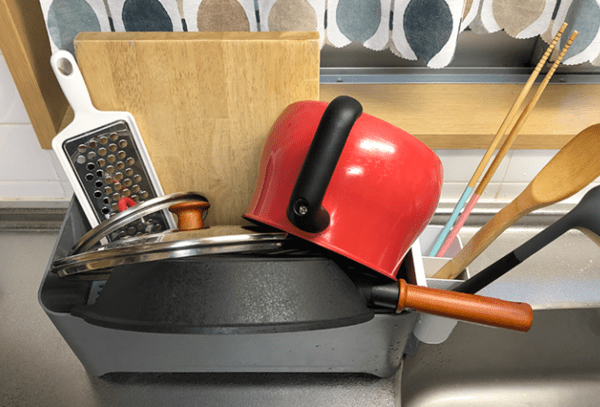
Managing the drip tray is also very important.
The drip tray is as important as the cups themselves. If water pools under cups, it creates an environment where bacteria and mold can thrive. Old residue, in particular, can become a prime site for mold spores to take hold.
Experts say you should empty and clean the drying-rack drip tray regularly.
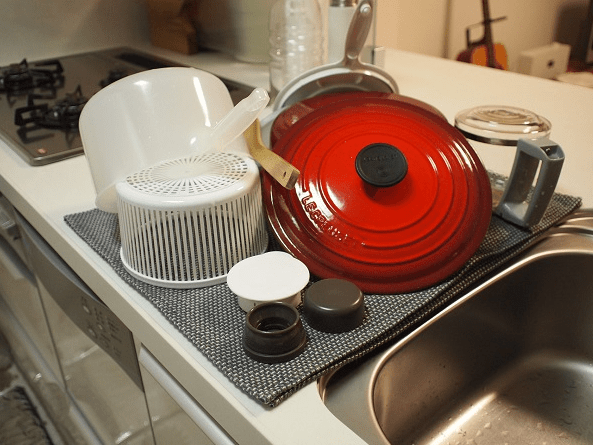
Domestic examples have highlighted cup-drying hygiene.
Korean lifestyle programs have shown several hygiene experiments on post-wash drying habits. In one test, producers compared cups left fully upside down with those stood to allow airflow; the closed cups retained moisture far longer, drawing attention.
Online commenters wrote, “I thought flipping cups was always best,” “So that explains the smell inside cups,” and “I’ll wash my drying rack more often.” Some users also reported that switching to a dedicated cup holder reduced unpleasant odors.














Most Commented