
Translation result
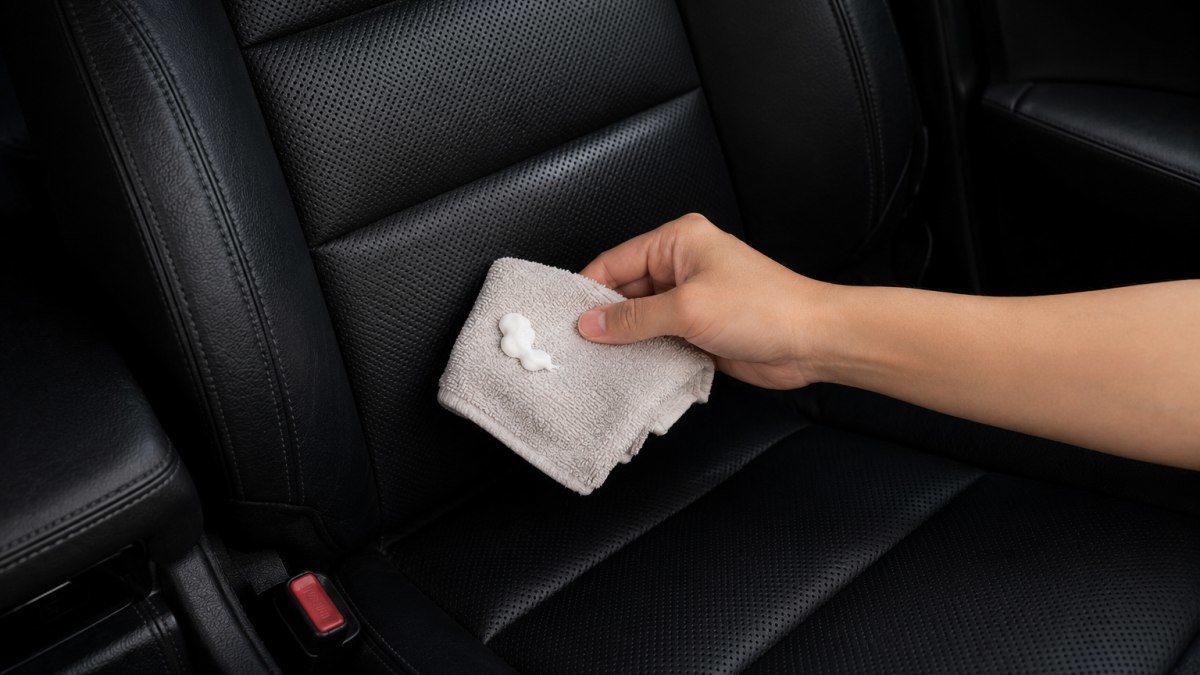
Anyone who owns a car has probably thought, “I should wash this.” But even when you make the effort to visit a car wash, the reality is often submitting your vehicle to the rough brushes of an automatic system or giving it a quick spray and leaving.
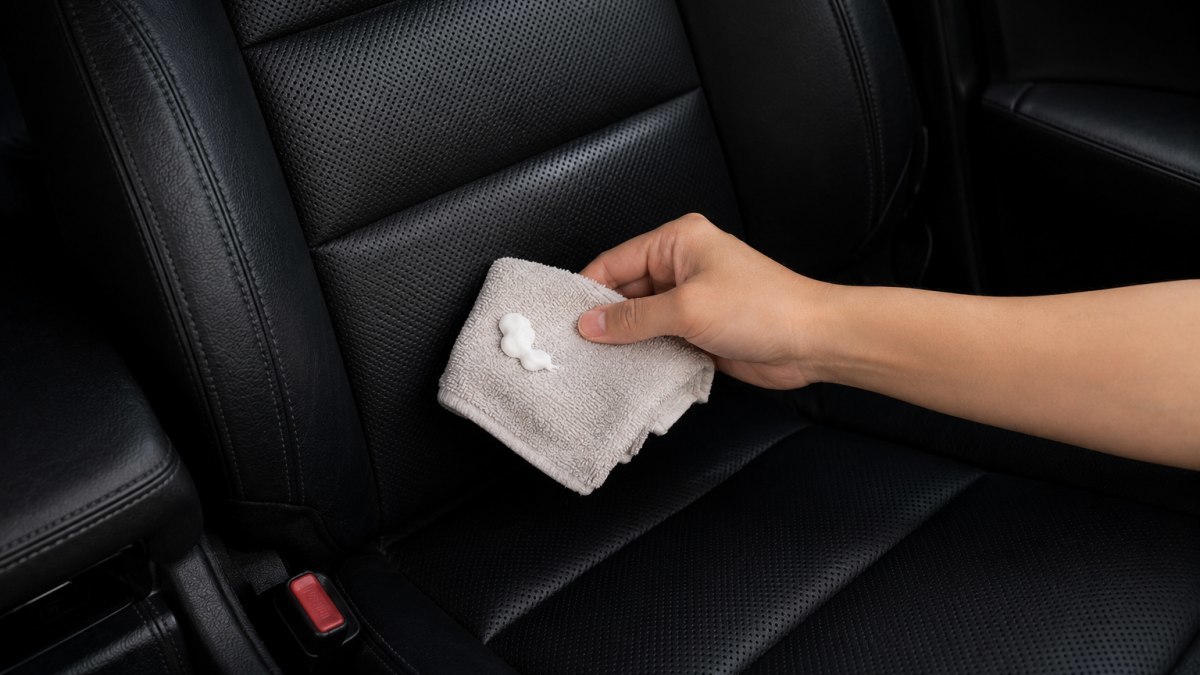
These tips are straightforward enough for drivers who are new to car care and practical for seasoned owners who treat their vehicles with care. Try them and set out with a cleaner car for the people who matter to you.
Removing Stubborn Grime and Oily Film
First, a method for cleaning a car’s exterior. After a highway run, windshields often end up coated with hardened bug remains or sticky tree sap. Add the oily film that attracts airborne grease, and visibility can become seriously impaired. In such cases, a tube of toothpaste from your bathroom can be an unexpected lifesaver.
Toothpaste contains very fine abrasive particles designed to remove tartar from teeth. Those abrasives can gently scour contaminants from automotive glass without resorting to harsh chemicals.
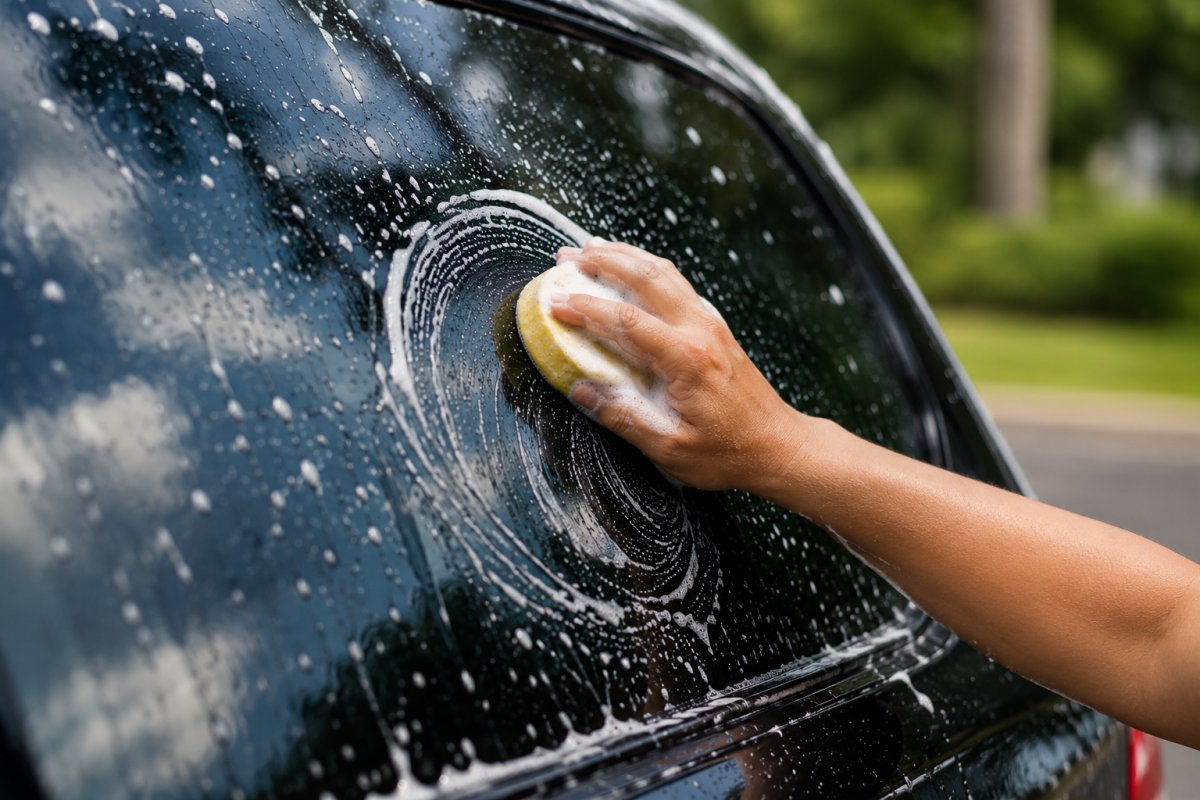
The process is simple. First rinse loose sand and dust from the glass with water. Then apply a modest amount of toothpaste to a soft sponge or cloth and rub the glass in gentle, circular motions—don’t scrub aggressively. Rinse thoroughly to remove all foam, and you should notice the glass becoming markedly clearer.
Be careful not to use abrasive steel wool or stiff brushes that aren’t intended for glass; they can leave permanent scratches.
Never use toothpaste on the inside of glass with tint film. Toothpaste chemicals can damage delicate coatings and cause discoloration. Use toothpaste only on exterior glass surfaces.
Rinse Leaves Less Dust? The Magic of Anti-Static Coating and Shine
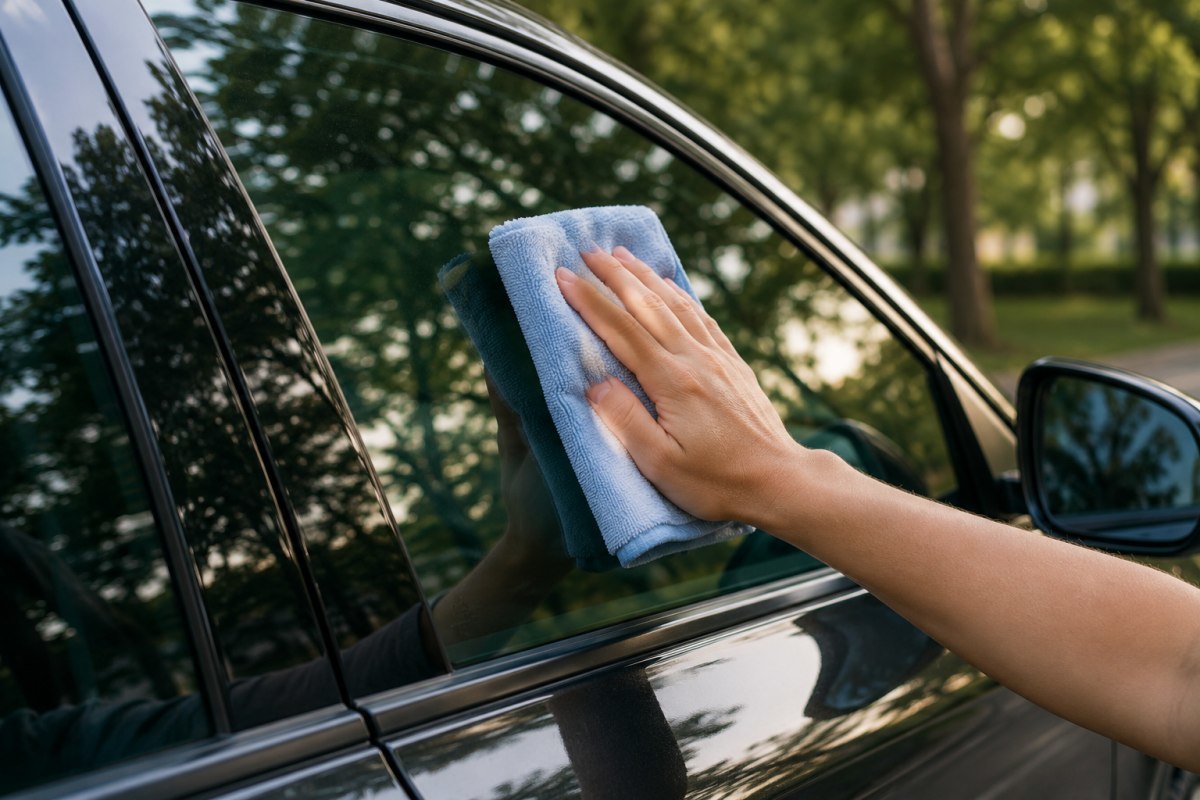
It can be disheartening to finish a wash only to see dust settle the next day. Reach for a hair conditioner (rinse). Conditioner does more than clean—it leaves a protective coating on the glass.
Conditioner contains silicone that creates a very smooth film on the glass. The main benefit is anti-static protection. Static electricity is a primary reason dust clings to glass in dry conditions; conditioner reduces that charge so dust is less likely to stick and more likely to bounce off.
The technique is easy. After drying the car thoroughly, place a small, coin-sized amount of conditioner on a dry towel and spread it thinly and evenly over the glass. Use only a tiny amount—too much can blur your view.
As a bonus, conditioner works similarly to anti-fog treatments for eyeglasses. On humid days, lightly wiping the inside of the windshield with a conditioner-treated towel can noticeably reduce fogging and improve visibility.
The Best Finish Is Newspaper — Achieving Spotless Clarity
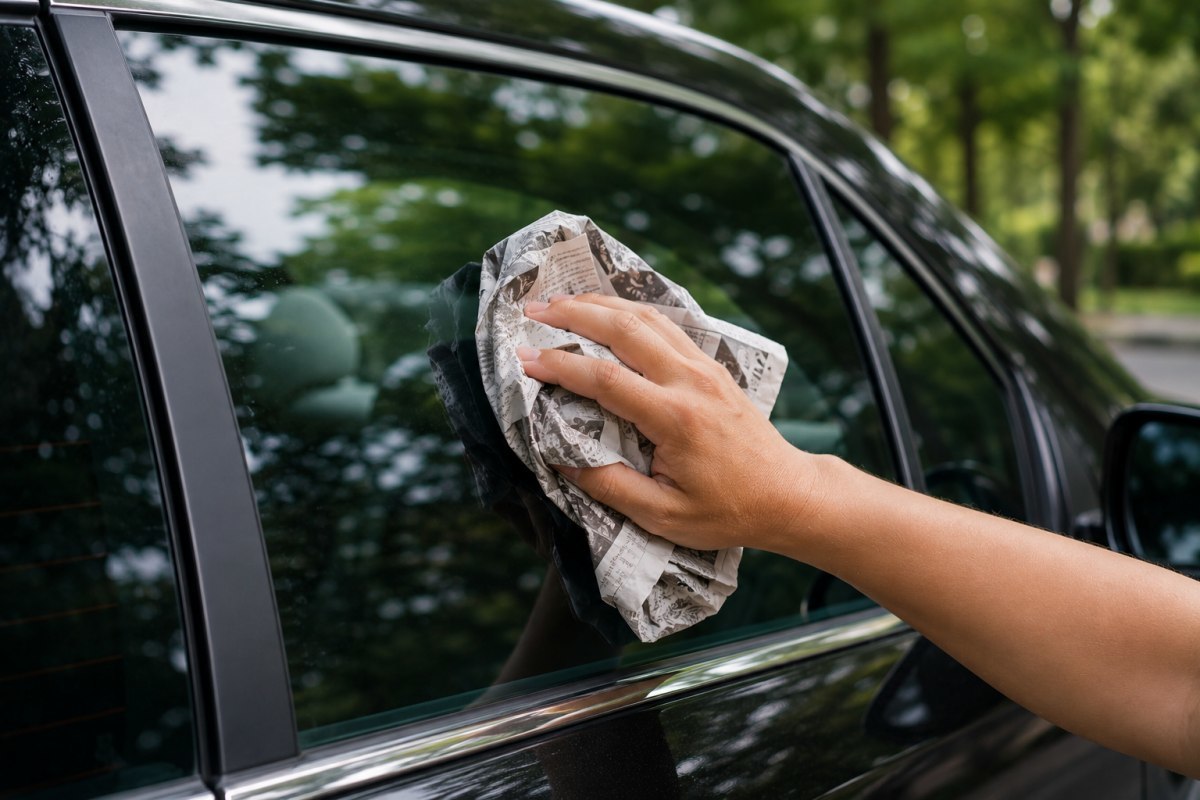
Even when you use an expensive microfiber towel or a brand-new cloth, sunlight can reveal tiny water spots or lint that make the glass look unkempt. The classic and most effective final tool is newspaper.
Newspaper works well for two reasons. Its paper fibers absorb moisture better than ordinary towels, which helps prevent water marks. And the ink contains oily components that act as a mild solvent, helping dissolve fine grease on the glass.
How to use it: right after washing, when a little moisture remains, crumple a sheet of newspaper into a ball and rub the glass to remove residual water. Replace the paper as it becomes damp.
As you wipe, the newspaper ink leaves a very thin film that adds a subtle shine, making the glass look nearly new. The result often rivals that of expensive glass cleaners.
Interior Care: How to Do It
Dashboards, vents, and cupholders have narrow, complex crevices that a simple wipe can’t reach. A worn toothbrush, cotton swabs, and an unexpected tool—the gel cleaner—can make a big difference.
Vents collect the most dust. Wrap a wet wipe around a toothbrush to clean them, or dab a cotton swab lightly in rubbing alcohol to remove unseen bacteria and grime.
Use gel to lift dirt from tight gaps. Press a slime toy or a dedicated gel cleaner into crevices around the gear knob or the bottom of cupholders and peel it away. The gel physically pulls out dust from places your fingers can’t reach.
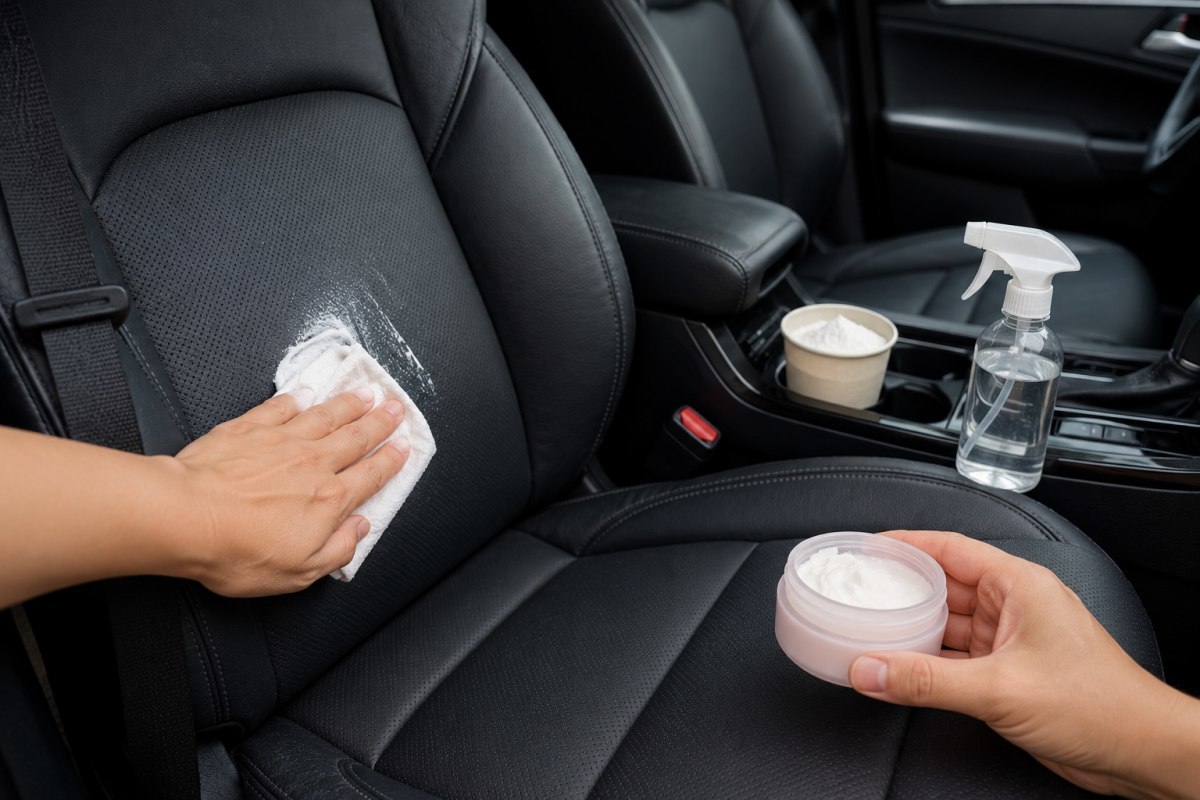
For seat care, an unused hand cream from your vanity can help. Leather seats, like skin, lose moisture and can crack over time. Spread a thin layer of an old or unsuitable hand cream to form a protective oil barrier and help preserve leather’s suppleness.
Rather than masking odors with air fresheners, tackle the source with baking soda. Baking soda neutralizes acidic odor molecules and absorbs smells effectively. Placing baking soda in a paper cup under a seat or in a cupholder provides noticeable deodorizing power.
For a quicker fix, mix water and baking soda at a 10:1 ratio in a spray bottle, mist seats and floors, then wipe with a dry towel.
Precautions When Cleaning the Car Exterior
Cleaning a car is more than removing dirt; it’s a delicate process of understanding and preserving each material. Even the best cleaners and clever techniques can cause serious damage if used in the wrong order or applied incorrectly. Learn these interior and exterior precautions to protect your vehicle.
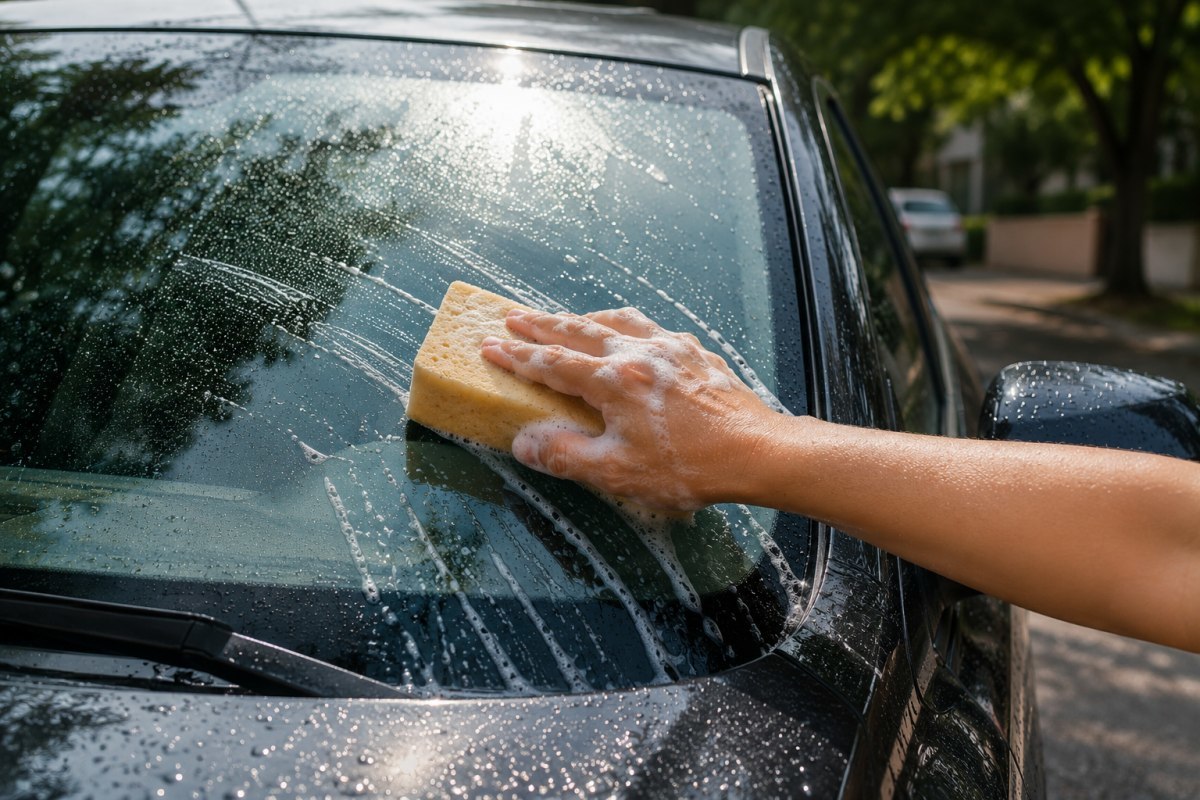
Car glass may look solid, but it’s vulnerable to fine scratches and sensitive to chemical reactions. Consider environmental factors before cleaning exterior glass.
First, avoid dousing hot glass with water. If a windshield heats under direct sun and you spray it with cold water or apply cleaner, sudden temperature changes can cause tiny expansion and contraction that lead to cracks. Cleaners can also dry too quickly in heat and leave permanent water spots. Always cool the glass in the shade before you begin.
Don’t forget to protect wiper rubber. When using toothpaste or abrasives to remove film, keep those substances away from the wiper blades. Abrasives can wear or harden the rubber, producing noise and reducing wiping performance. To prevent this, lift the wipers before you work.
Finally, follow the correct order for film removal and water-repellent coating. Applying a repellent over an oily film is like putting makeup on a dirty face. Remove the oil film completely and ensure water spreads evenly before coating to avoid streaks and preserve clear visibility.
Precautions When Cleaning the Car Interior
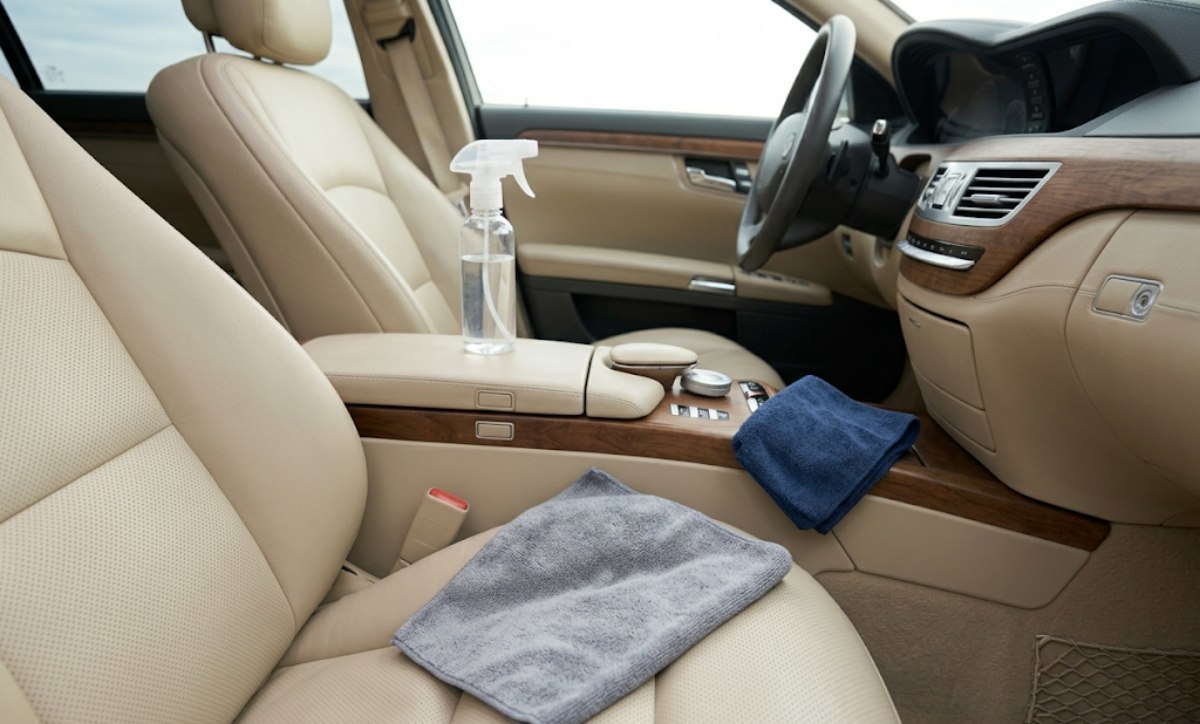
The interior combines leather, plastic, glass, and metal. Don’t apply a single all-purpose cleaner everywhere—follow the care guidelines for each surface.
The most important rule is not to spray cleaning solution directly. Spraying the dashboard or center-console buttons can allow liquid to seep into gaps and reach electronic boards or corrode components. Instead, dampen a towel or cotton swab with solution and wipe affected areas.
For interior glass, protect tint films. Many interior windows have thin films; high-alcohol cleaners, toothpaste, or abrasives can strip coatings or cause whitening. Use a well-wrung microfiber towel or a dedicated interior glass cleaner.
Leather seats are highly sensitive to moisture. Water can stiffen and deform leather. When using milk or hand cream as noted above, apply sparingly. Excess oil or moisture can clog leather pores and encourage mold or odors. After treatment, wipe away excess with a dry towel and ventilate the car to remove remaining moisture.
Most headliners are fabric or nonwoven material. Aggressive scrubbing can raise fibers and make the surface look worn. Excess water can weaken the adhesive inside the headliner and cause it to sag. Gently dab stains rather than rubbing hard—the light tapping motion preserves the material best.














Most Commented