
Translation result
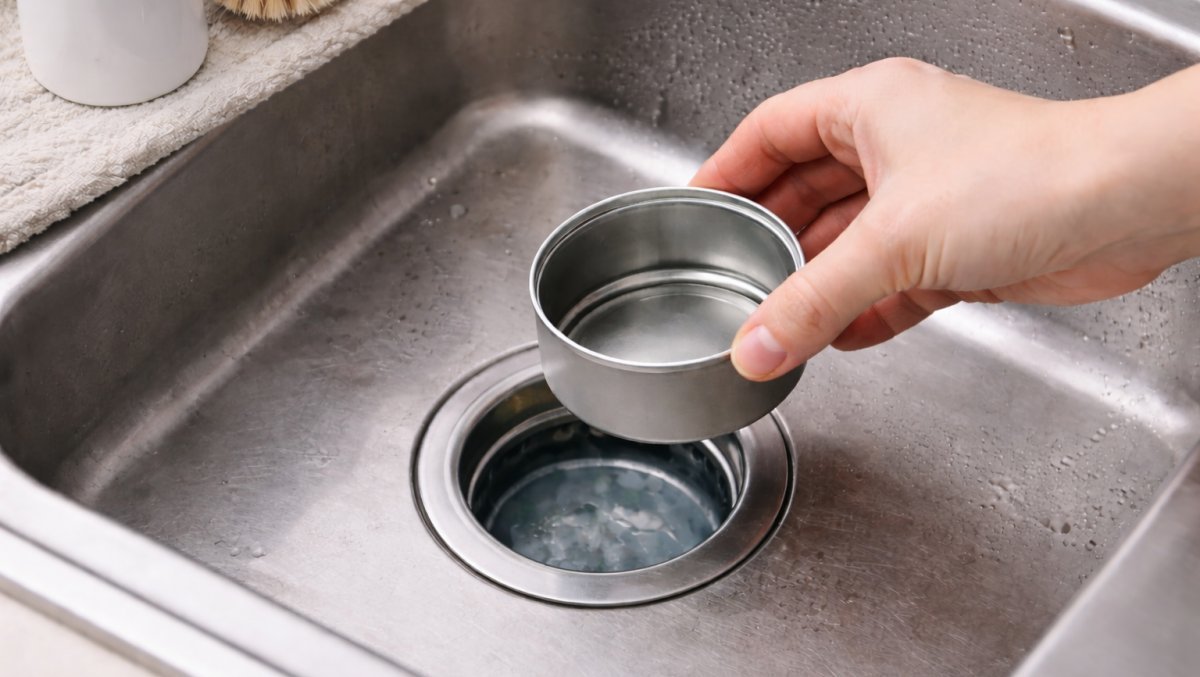
Tuna cans that once held a reliable side dish often turn into troublesome trash the moment they’re emptied. Among savvy householders, though, empty tuna cans are considered little goldmines—sturdy metal cylinders with the ideal low profile for bringing order to nooks and crannies around the home.
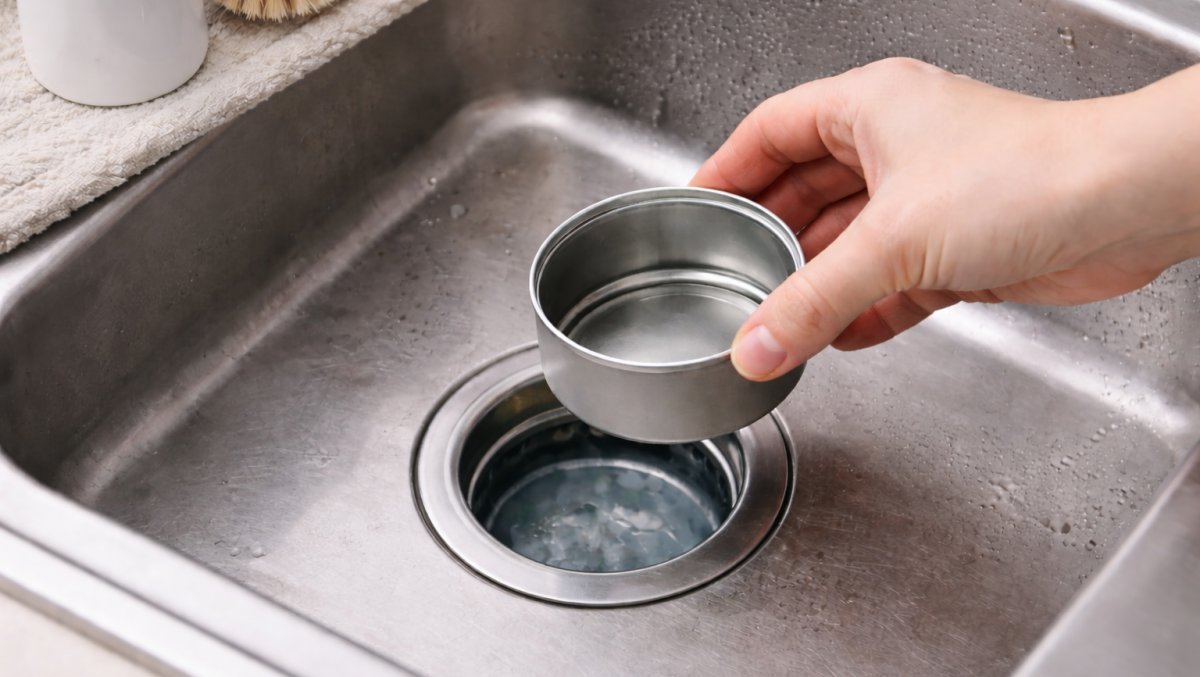
Empty tuna cans go beyond mere food containers; with a little ingenuity they become useful, everyday tools. Before you toss a used can into recycling, consider whether it could serve a new purpose in your home.
YouTube channel Jinjja GgulTip recommends a simple trick for stubborn sink odors and grime: put about 2/3 cup of oxygen bleach (sodium percarbonate) into an empty tuna can, add a splash of dish soap, and set the can into the drain.
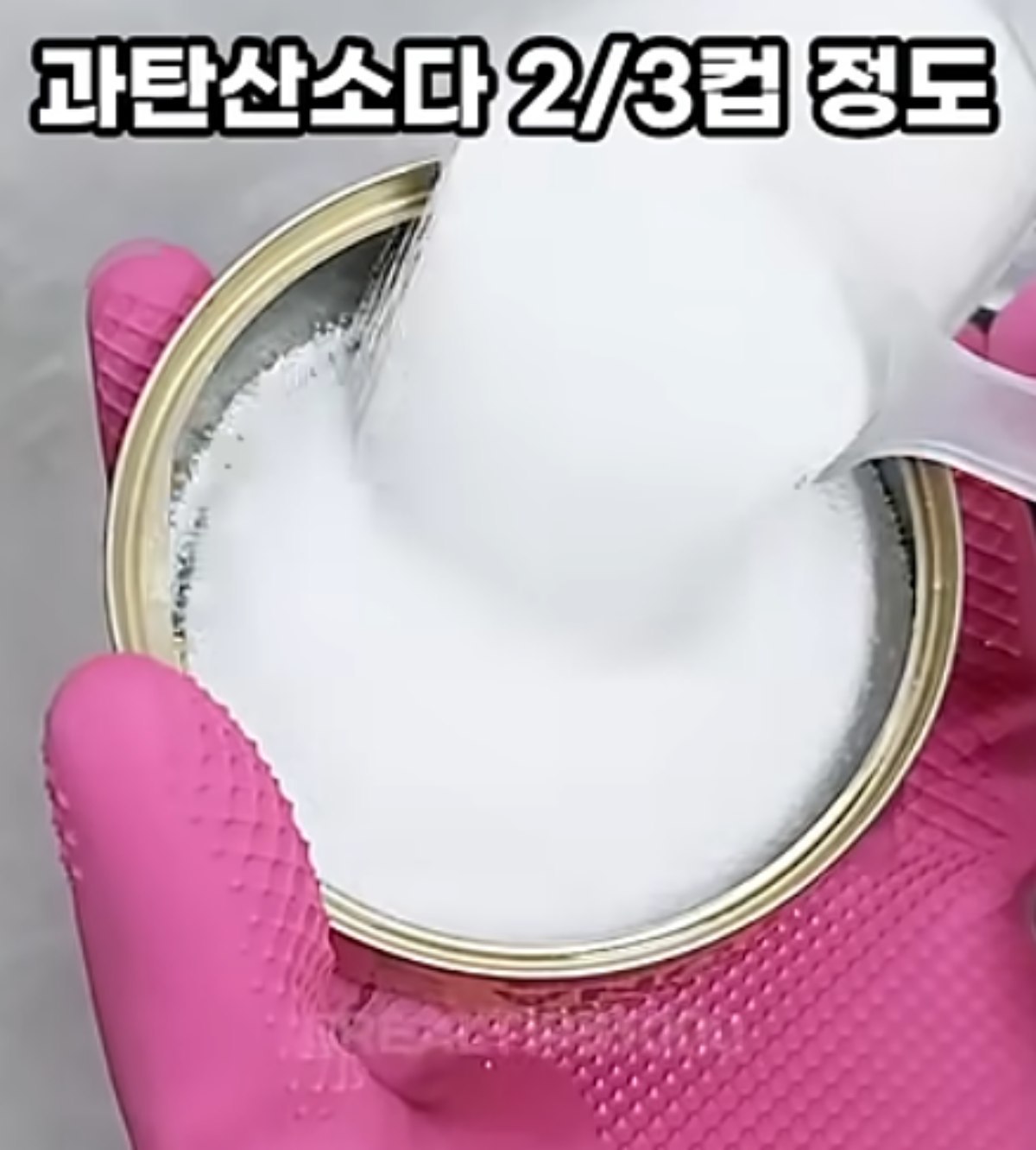
Slowly pour warm water—about 50°C (122°F)—over the mixture. The oxygen bleach will activate, loosening buildup in the pipes and helping trapped grime and odors wash away.
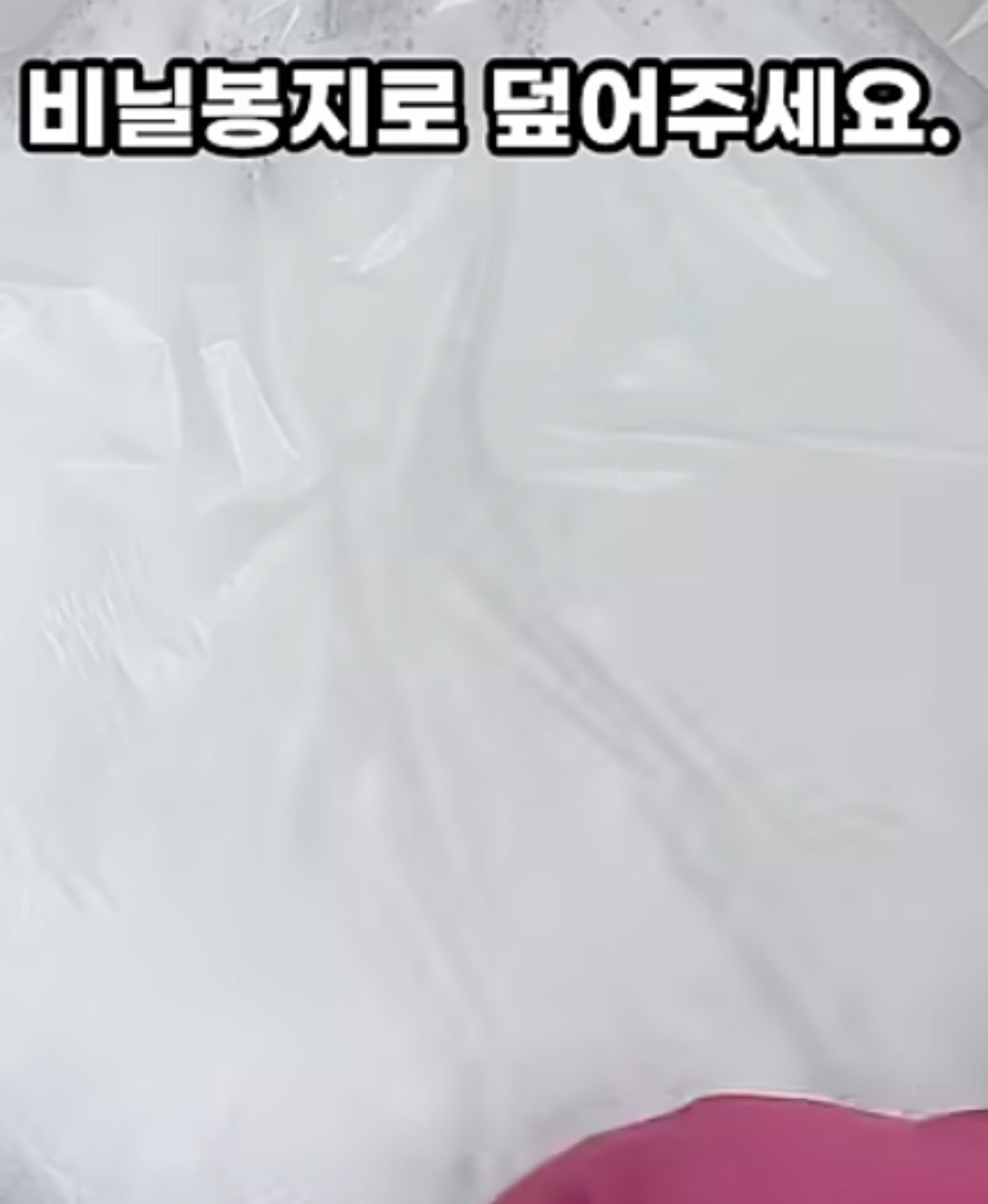
Then close the sink strainer, cover it with a plastic bag, and wait about 5 minutes. Remove the bag and use the foam that formed to scrub the sink surface.
Finally, remove the strainer and the tuna can and rinse them thoroughly. This quick method can remove sink scale and neutralize unpleasant drain smells, making it a handy at-home solution.
What precautions should you take when cleaning drains?
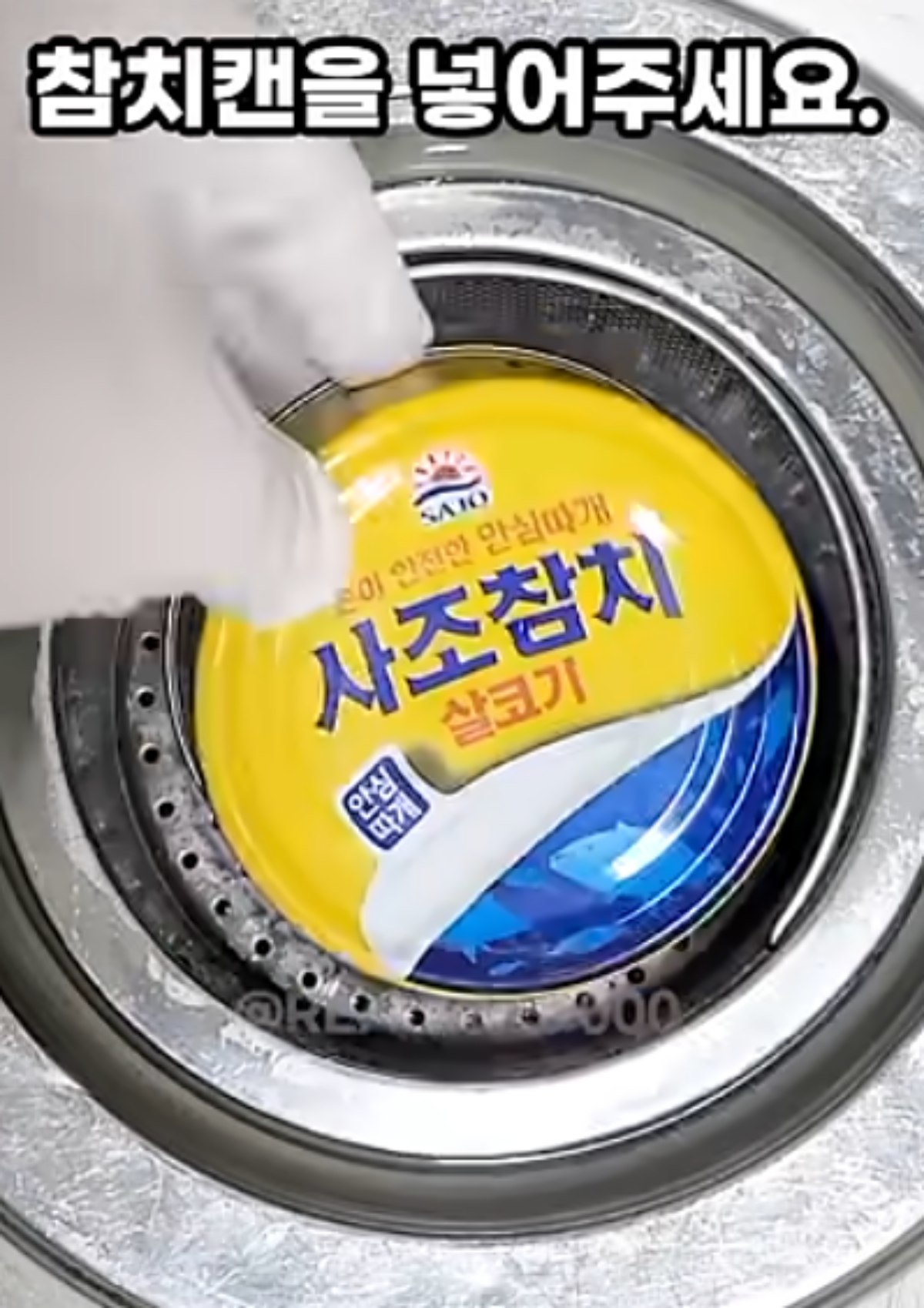
Take care when using this method. Pouring water hotter than 80°C (176°F) directly into a drain can deform or damage PVC pipes and cause leaks. Stick to warm water between 50°C and 60°C (122°F–140°F).
Also be mindful that gases released when oxygen bleach reacts with hot water can irritate your lungs. Work with windows open or a ventilation fan running.
Handle the tuna can cautiously: cut edges are sharp and can easily cause cuts. Use tongs or rubber gloves when placing or removing the can, and consider using a safety can opener to smooth the rim.
Afterward, wash the can thoroughly, separate the body and lid, and recycle according to your local guidelines.
Try these ways to use tuna cans at home!
Before repurposing, remove residual oil and any fishy odor. Dish soap alone may not suffice—soak the can in rice water or a vinegar solution for about 10 minutes, or sanitize it with boiling water mixed with baking soda to neutralize smells.
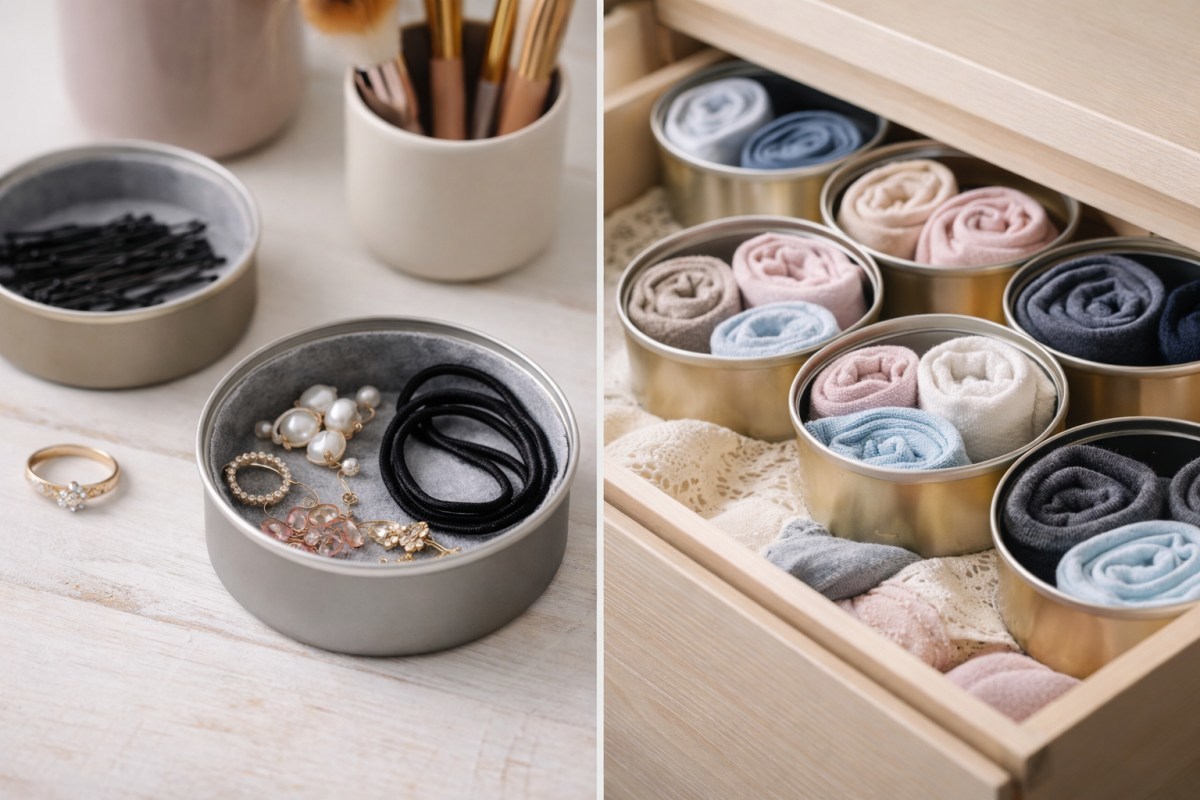
On a vanity, a lined tuna can keeps hair ties, bobby pins, and earrings visible and organized—use soft cloth or felt inside to protect delicate pieces.
In drawers, tuna cans make tidy dividers: roll socks and slot each pair into a can to keep drawers neat.
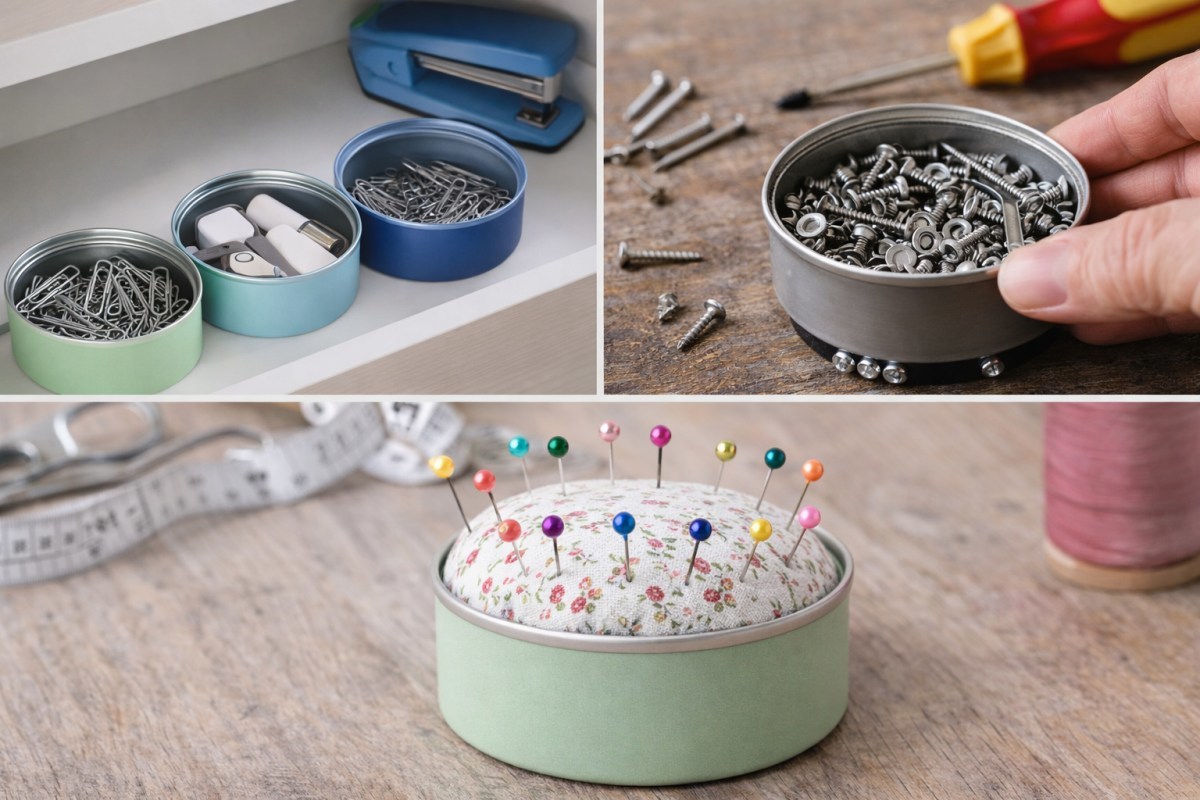
They’re useful at the office, too. Line up cans that match the drawer height and sort paper clips, staple refills, erasers, and USB drives by type. Wrap them with matching adhesive paper or paint them for a polished desk organizer.
For small hardware like screws and nails, attach a small magnet to the can’s bottom to keep metal pieces from spilling. It’s convenient to carry a can to the workspace and grab parts as needed.
On camping trips, a tuna can can serve as a stand for solid fuel or as a makeshift warmer: placing food on a can near the fire helps block ground chill and retain heat so dishes cool more slowly.
Turn a tuna can into a fabric pincushion by stuffing a cloth bundle with batting and setting it inside. The can’s weight keeps the cushion steady and prevents pins from scattering.
Using tuna cans in the kitchen!
Use them as oil strainers and used-oil collectors. After frying, place gauze or a strainer over a can and pour oil through to filter crumbs. Never pour used cooking oil down the sink—it pollutes water and clogs pipes. Instead, pour oil into an empty tuna can, let it solidify, and dispose of it in the trash.
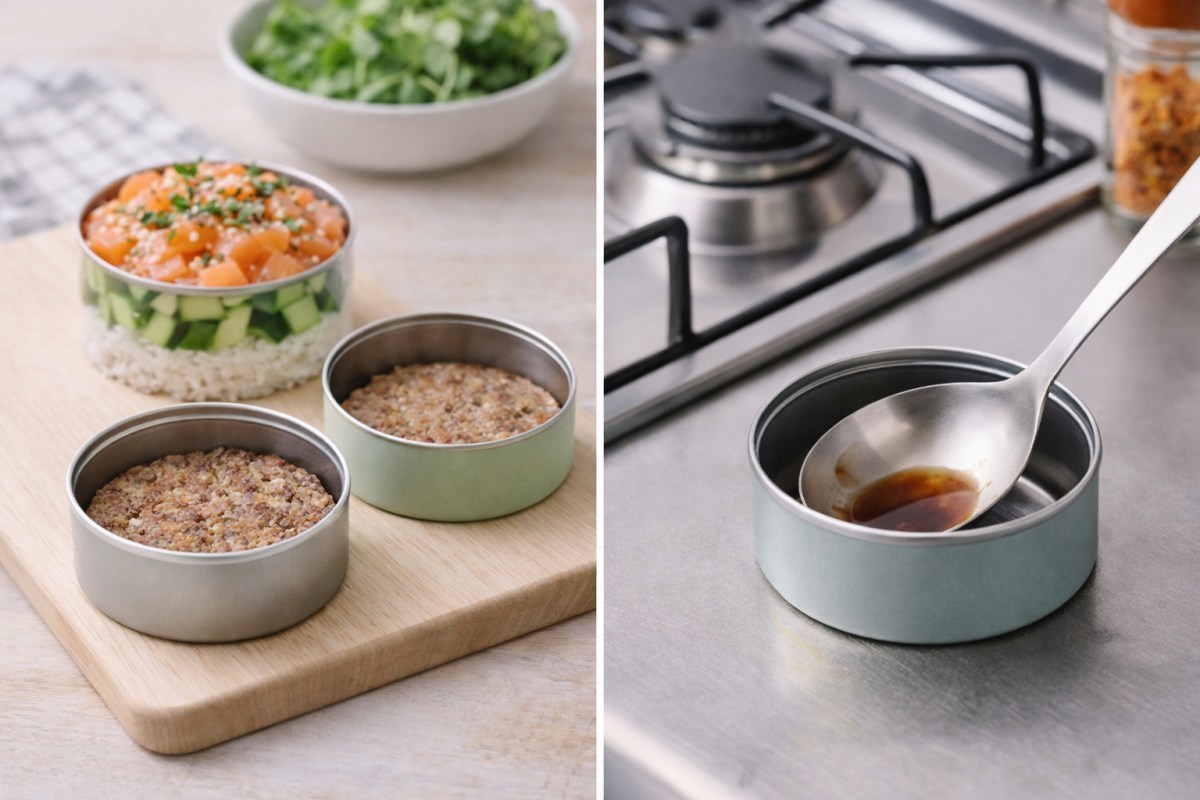
You can also use a tuna can for food presentation: remove both ends to form a cylinder and use it as a mold for chilled mousses, layered rice cups, or shaping burger patties. Because internal can coatings may leach at high temperatures, avoid using these cans for direct oven baking—reserve them for cold or room-temperature shaping.
A clean tuna can also makes a handy utensil rest while cooking, keeping ladles and spatulas off counters and stove surfaces; rinse it after use for easy cleanup.

They work well as coffee-capsule and tea organizers: place several cans near your coffee maker, sort capsules or tea bags by flavor, and label the tops for quick identification on busy mornings.
Use them around the house!
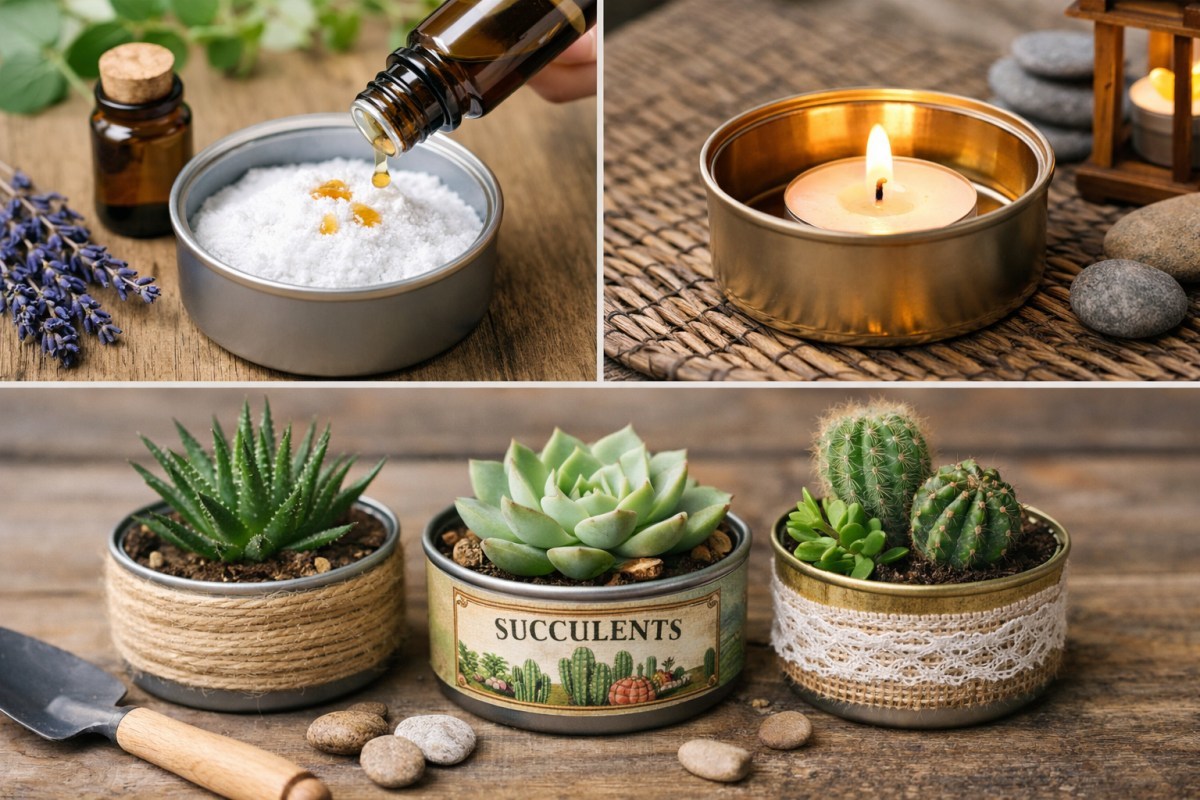
Upcycle tuna cans into mini indoor planters—punch a few drainage holes in the bottom and they’re ideal for succulents that don’t need frequent watering. Add a vintage label or wrap with twine to make a stylish Planterior accent.
Fill a can with baking soda and add a few drops of essential oil for a natural deodorizer—the metal helps keep the scent stable. Pop a tealight inside and the can’s walls reflect light for a brighter effect while preventing wax from dripping onto surfaces.
Place a baking soda–filled can in your shoe cabinet or a corner of the fridge, cover the top with thin gauze or mesh, and secure it with a rubber band for compact, effective odor control.
Use as children’s toys!
Tuna cans can serve as simple educational toys. Tape two cans together after filling them with beans or rice to make maracas that teach rhythm and coordination.
You can also fashion a mini doll bed for small figures—add scraps of fabric for a blanket and pillow and the can becomes a charming prop for imaginative play.













Most Commented