
Daiso’s Fashion Revolution: How Ultra-Low Prices Boosted Clothing Sales by 140% in March 2026
Daniel Kim Views
Translation result
Daiso has turned its beauty buzz into fashion momentum, expanding its influence.
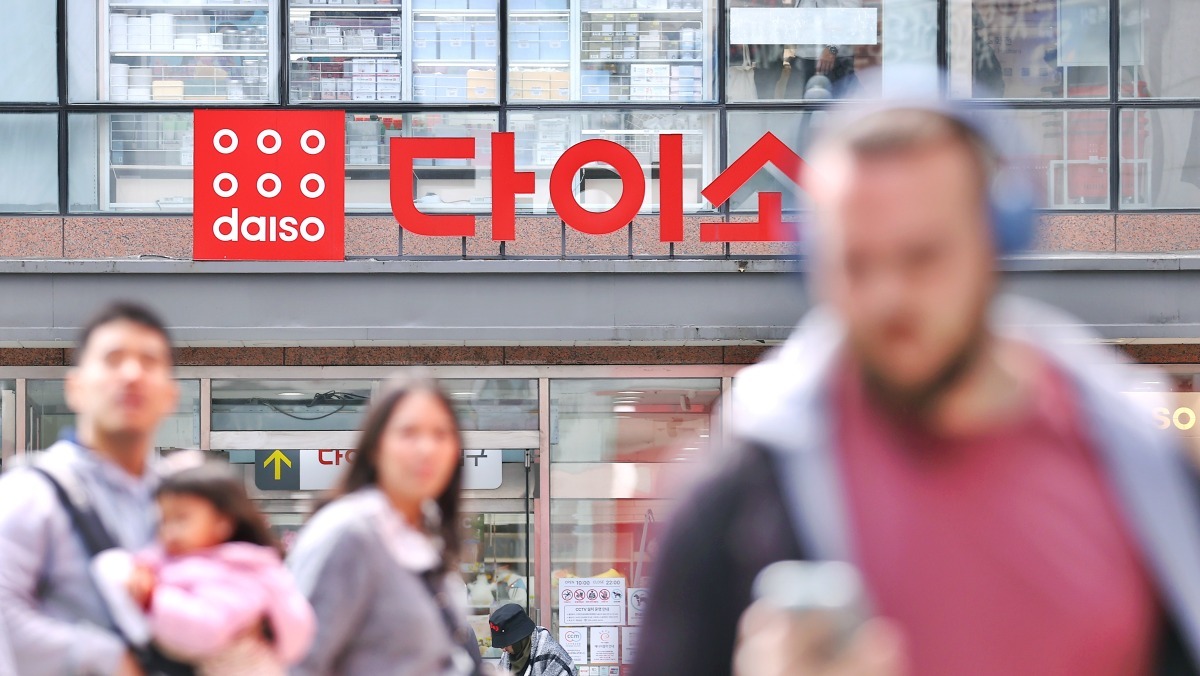
On the 26th, Daiso reported that clothing and apparel sales jumped about 140% year‑over‑year. After roughly 180% growth in January, the company has posted two straight months of steep, triple‑digit gains.
Daiso’s clothing strategy centers on ultra‑low prices. Key items—windbreakers, joggers and fleece‑lined pajama sets—are priced at 5,000 KRW or less (about $3.75), emphasizing unbeatable value. That’s far below typical fast‑fashion brands; popular brands’ windbreakers often top 100,000 KRW (about $75.00).
Shoppers have been buzzing online. On forums and social media, people quickly shared comments like, “A windbreaker costs less than a single Dubai chewy cookie that sells for over 7,000 KRW (about $5.25),” and “The quality isn’t as bad as I expected.” Some customers note that at other retailers you basically can’t buy outerwear for 5,000 KRW, underscoring Daiso’s rare price edge.
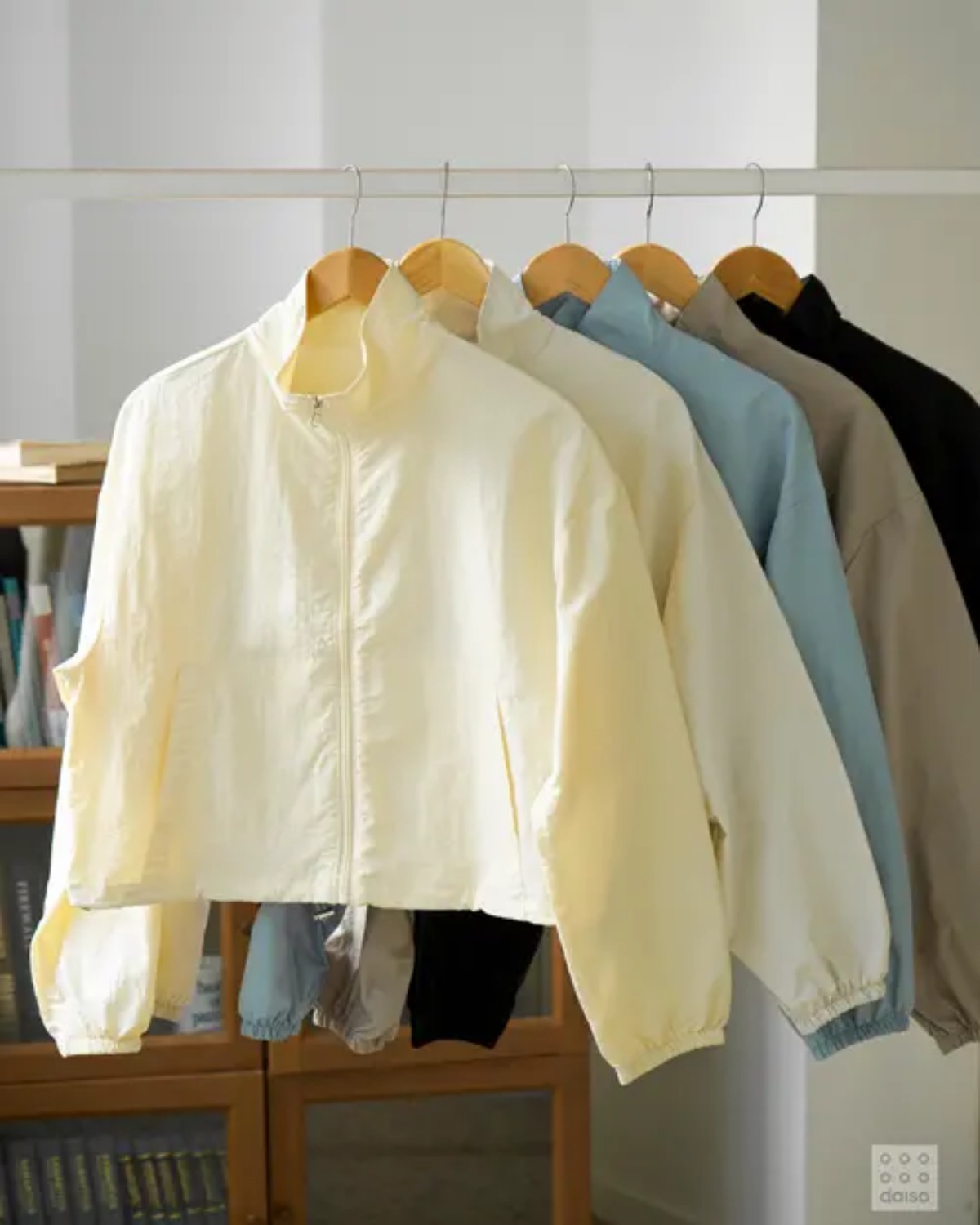
That demand pushed Daiso to broaden its product range. Where it once focused on socks and thermal underwear, it now offers windbreakers, joggers, fleece‑lined pajamas, T‑shirts and more. The number of items grew from about 100 in 2022 to roughly 700 by the end of last year, giving customers far more choices. This year it’s running a lineup of more than 600 items as it stakes its claim in everyday, lifestyle‑focused fashion.
To back up its price advantage, Daiso has been improving quality through collaborations with established fashion labels. A standout example is Basic House’s 100% cotton short‑sleeve T‑shirt, sold at a uniform price of 5,000 KRW (about $3.75). That proven model has sold tens of millions of units, and by offering fits from relaxed to cropped, it helped Daiso reach a wider audience.
With a sturdy nationwide network of roughly 1,600 stores, Daiso plans to keep adding seasonal pieces and year‑round daily items. Sticking to a uniform‑price policy between 500 KRW (about $0.38) and 5,000 KRW (about $3.75), the retailer looks to cement its role as a national, everyday lifestyle platform in the ultra‑low‑price fashion market.
Your daily horoscope: What’s in store for you today?












Most Commented