
|
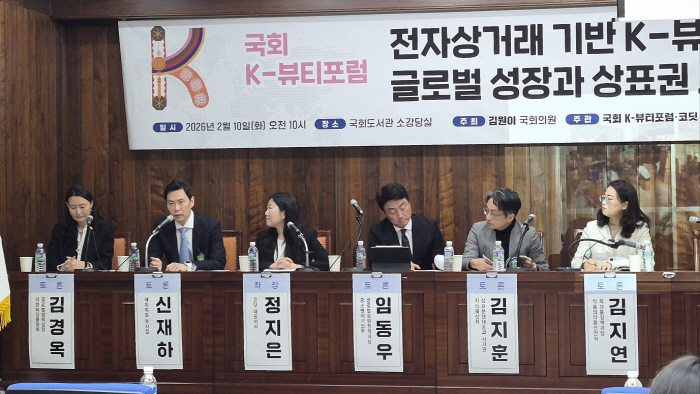
The ‘National Assembly K-Beauty Forum’ in Seoul’s Yeouido district didn’t shy away from the elephant in the room. The hot topic? How e-commerce K-beauty brands can go global while keeping their trademarks safe from copycats.
Forget about obvious fakes – today’s counterfeits are next-level deceptive. APR’s recent showcase of a genuine Mediheal ampoule next to its counterfeit twin proves just how far we’ve come from the days of “obvious knockoffs.”
|
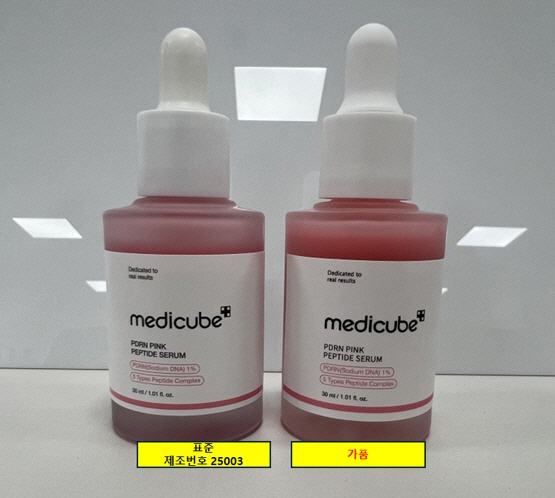
APR’s VP, Shin Jae-ha, didn’t mince words: “This isn’t just about protecting brands – it’s about keeping consumers safe.” Unlike fashion, where buyers might knowingly snag a knockoff, cosmetics customers usually think they’re getting the real deal. And while big players like APR are shelling out tens of millions of won monthly to fight fakes in China, there’s only so much they can do across borders.
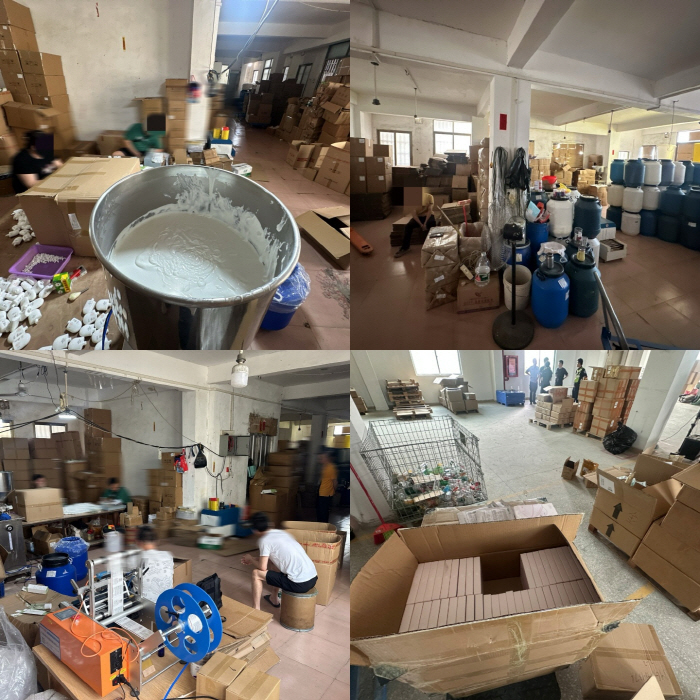
Here’s the kicker: most of these counterfeits are born in China, but by the time authorities catch on, the damage is done. Crack down in one country, and these operations just pop up somewhere else – it’s like a global game of whack-a-mole.
The culprit? Open markets make it way too easy for scammers to set up shop, sell fakes for a couple of weeks, then vanish into thin air. And with product pages that look identical to the real thing, even savvy shoppers can get duped.
While beauty giants like Amorepacific can throw resources at the problem, smaller K-beauty brands – the ones really driving innovation – are left scrambling. They know there’s an issue, but tackling it? That’s a whole other story.
Kim Kyung-ok from the Korea Cosmetic Association is pushing for more preventative measures. Her take? Help these smaller brands secure trademarks overseas ASAP and give them a game plan for early defense – it’s the best bang for their buck.
Take The Founders, the company behind Anua. They’re not messing around – we’re talking constant monitoring across 11 countries, real-time fake detection, and boots on the ground to track down counterfeit sources. But let’s be real: this kind of operation isn’t cheap or easy to run.
The government’s stepping up too, with 17.5 billion KRW (11.9 million USD) earmarked for helping companies navigate international regulations and protect their intellectual property. They’ve also upped the support limit for IP protection consulting from 15 million KRW (10,200 USD) to 30 million KRW (20,400 USD) per export voucher. But some industry voices say it’s not enough – without some serious penalties for distributing fakes, this cycle’s just going to keep on spinning.
Shin puts it bluntly: while manufacturers might face the music, many distributors don’t seem to grasp how serious their actions are. His solution? Bring down the hammer with some hefty criminal charges.
|











Most Commented