
Translation result
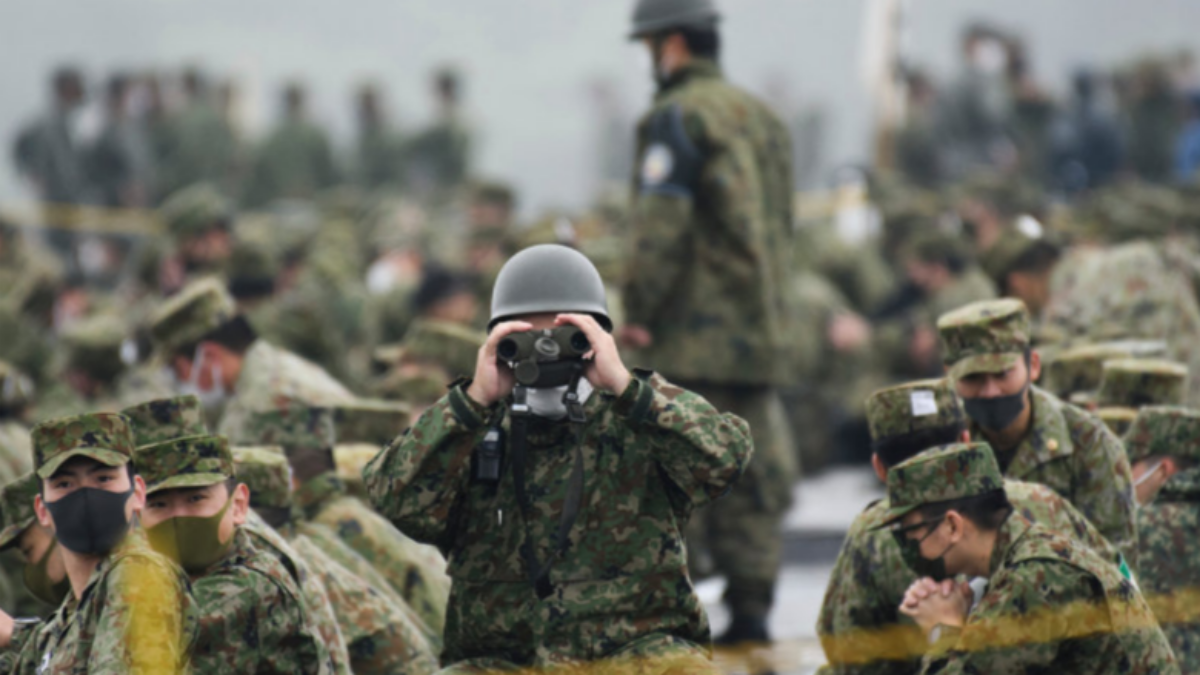
“Where did the pacifist constitution go?”…Japan shifts back into ‘military power’ mode
Japan has reached a point where it can no longer be seen simply as a country bound by its pacifist constitution.
By 2025, Tokyo’s defense budget climbed to $62.2 billion (approximately 82.9 trillion KRW), marking the most aggressive rearmament drive since the Self-Defense Forces were formed during the Cold War.
Breaking with the postwar image of a defeated aggressor, Japan is reemerging as a major military actor in Northeast Asia, standing alongside China and South Korea.
Defense spending hits 1.4% of GDP for the first time since 1958
SIPRI data show Japan’s 2025 military spending reached $62.2 billion (approximately 82.9 trillion KRW), a 9.7% increase year-over-year, making it the second-largest defense spender in Asia and Oceania.
More significant than the headline number is that defense outlays rose to 1.4% of GDP — the highest level since 1958. Analysts view this as evidence of a qualitative shift in Japan’s defense posture, not just a budget uptick.
In 1958, shortly after the Self-Defense Forces were founded, Tokyo pursued large-scale rearmament under the First Defense Build-up Plan with substantial U.S. support.
The informal cap the cabinet later observed — keeping defense spending under 1% of GDP, set by the 1976 cabinet — did not yet exist; the country was then in a period of rapid military expansion.
The return of an ‘offensive’ Self-Defense Force after 70 years
The 2025 figures indicate Japan is moving beyond its long-standing posture as a minimally defensive state.
Where the Self-Defense Forces once functioned primarily as a shield, they now appear to be developing spear-like capabilities, unsettling the symbolic balance of the postwar order.
Crucially, the recent budget growth targets long-range strike and offensive systems rather than routine personnel costs or maintenance.
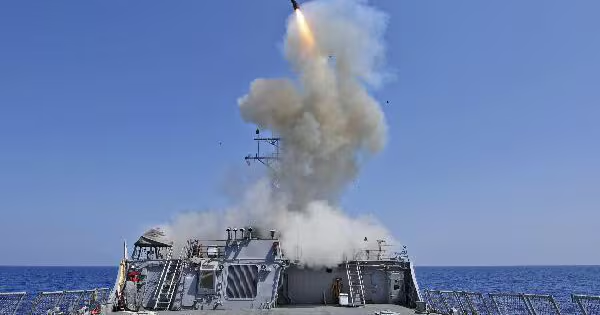
Tomahawks, Type-12 missiles, drones — Japan is building ‘stand-off’ firepower
A substantial portion of the new funding is directed toward stand-off, long-range precision-strike systems.
Plans to acquire U.S.-made Tomahawk cruise missiles and to develop extended-range variants of the Type-12 anti-ship missile indicate Tokyo is seeking the capability to strike neighboring mainlands and naval forces.
Paired with more Aegis-equipped ships and a growing inventory of unmanned aerial and surface systems, the Self-Defense Forces are evolving from a defensive force into one that can engage distant targets first.
That divergence — a constitution that proclaims pacifism while the force structure grows more offensive — is heightening tensions among neighboring states.
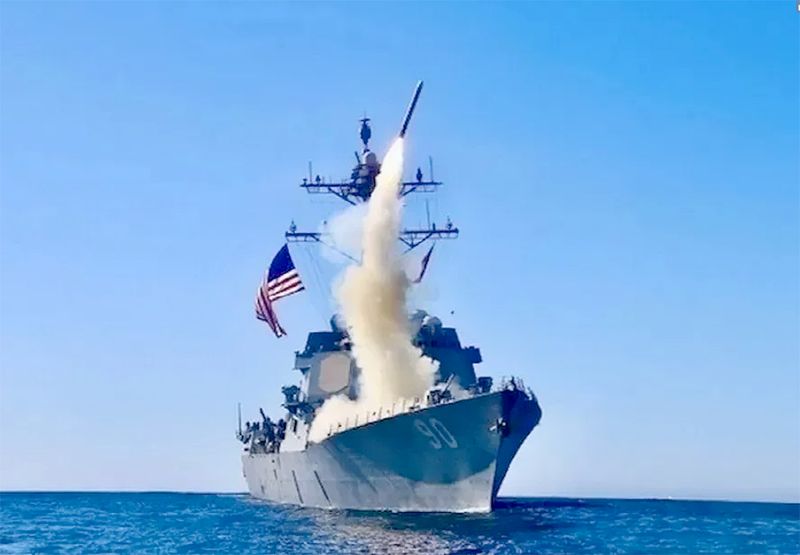
Ally to South Korea — and its most challenging competitor
Japan’s military buildup carries mixed implications for South Korea.
On one hand, as North Korea’s tactical nuclear and missile threats grow, Japan’s acquisition of counterstrike and long-range assets strengthens deterrence within the U.S.-Japan-ROK security architecture.
From Seoul’s perspective — already fielding the Hyeonmu family of missiles with ranges near 800 km and possessing significant conventional strike capabilities — Japan can be a partner in sharing the burden of deterring both Pyongyang and Beijing.
On the other hand, if Tokyo’s investments translate into a more competitive defense industry, Japan could quickly become South Korea’s fiercest rival in export markets.
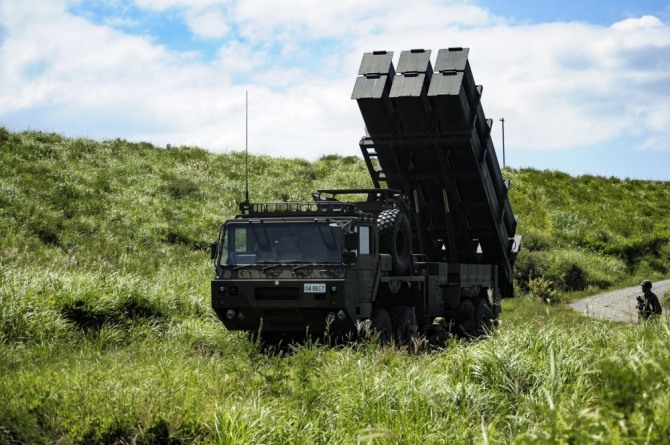
From a ‘peaceful nation’ to an arms exporter — Japan is rewriting the rules
Tokyo is reinvesting the larger defense budget to deepen its domestic defense industrial base and has loosened the old Three Principles on Arms Exports, opening the door to overseas transfers.
The decision to allow exports of the next-generation fighter (GCAP), which Japan is developing with the U.K. and Italy, signals a clear intent to compete in global markets rather than remain a domestically focused defense supplier.
Japanese firms with strong scientific foundations, capital resources and high interoperability with U.S. forces could be formidable competitors in Western procurement competitions.
That shift poses a major challenge to South Korea’s defense exporters, which have won business in Poland, Australia and the Middle East by offering competitive pricing and fast delivery.
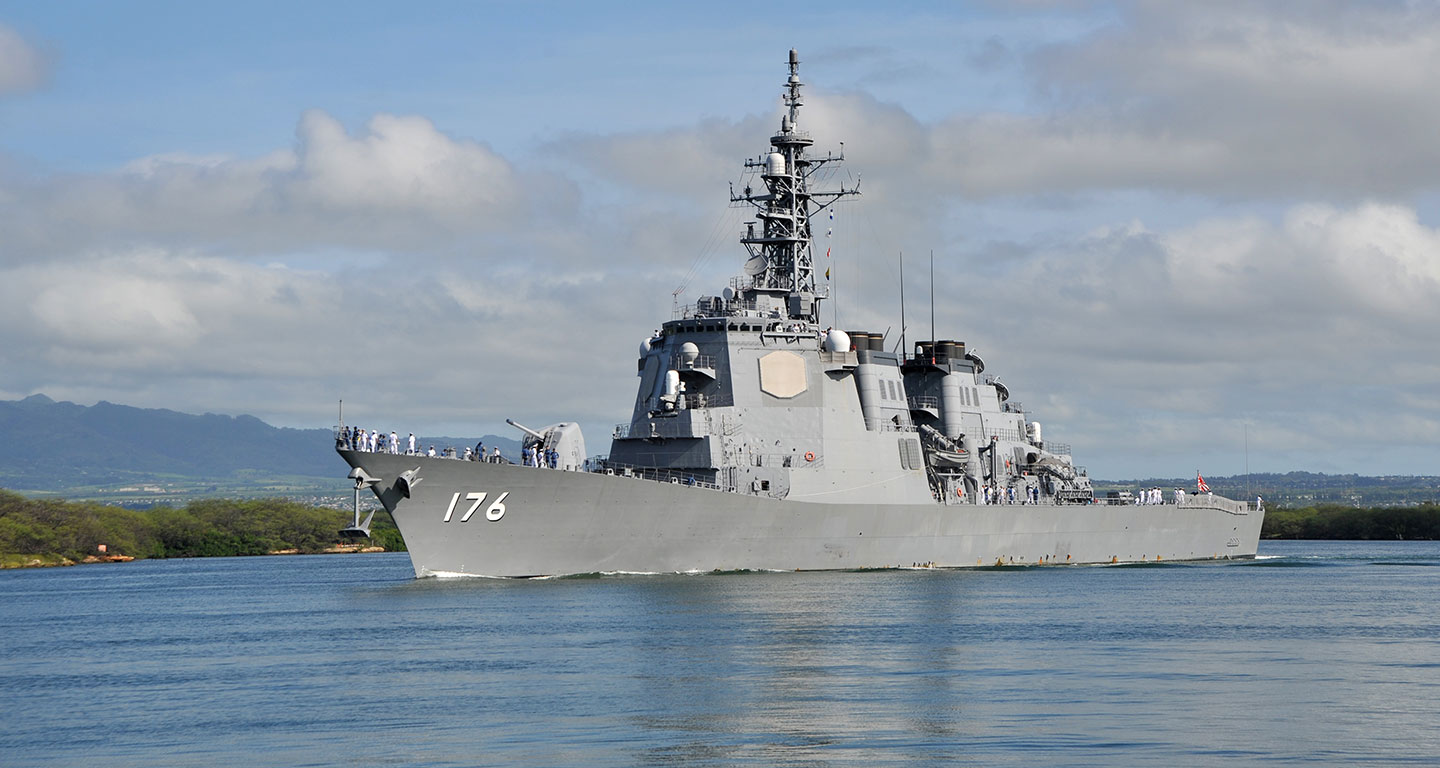
Ally and rival — the most complex competitor K-defence faces
Until now, discussions of Japan in security circles have emphasized its role as a partner in deterring North Korea and China.
But if budget increases, relaxed export rules and accelerated technology development proceed together, Japan will rapidly become a powerful competitor in markets South Korea has only recently opened.
Tokyo’s advantages in system compatibility with Western platforms and perceived product quality could directly pressure the areas South Korean firms have occupied through price and quick delivery.
In short, Japan’s rearmament strengthens peninsula security while simultaneously posing the toughest industrial hurdle K-defence must overcome.











Most Commented