
Translation result
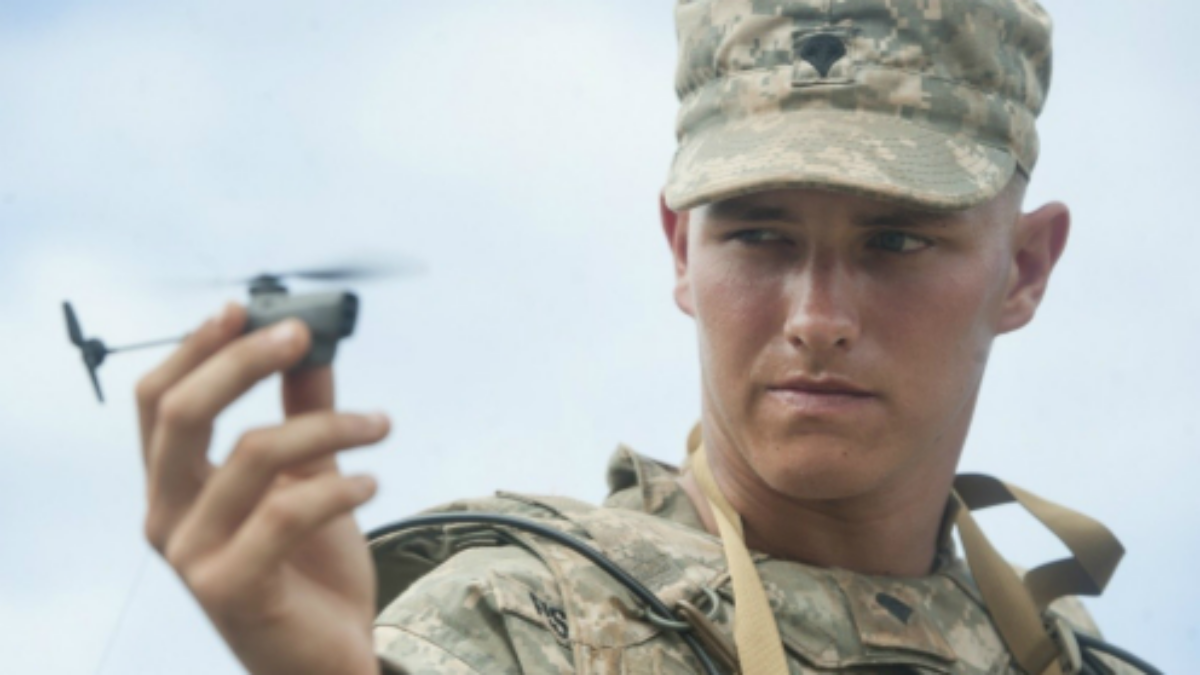
Log 1 Block 2: loitering munition soldiers can carry
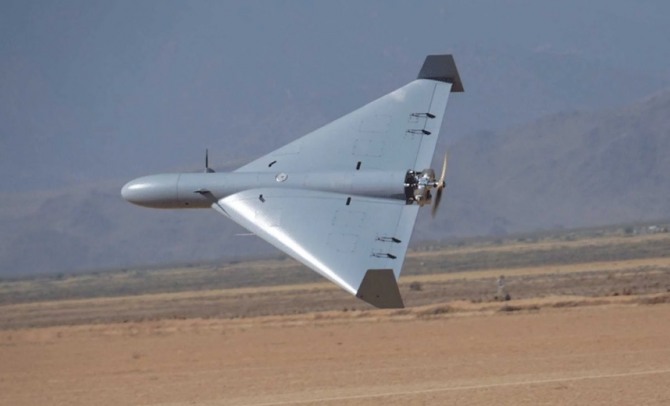
The Log 1 is a quadcopter-style VTOL suicide drone that can loiter over a battlefield and dive onto a target the moment an operator authorizes the strike.
The Block 2 upgrade improved battery life and propeller efficiency, extending its operational radius beyond 20 km (about 12.4 miles) and adding a high-resolution thermal imager capable of detecting concealed enemy positions.
That lets small infantry units and special operations teams conduct reconnaissance past 20 km without calling for artillery and issue strike orders in real time while watching live video.
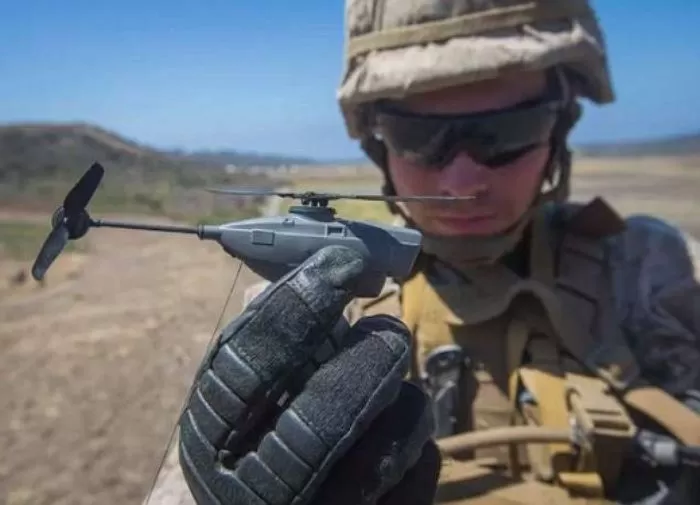
‘Shaped-charge jet’ can threaten tanks
Small drones historically posed a threat to dismounted troops and unarmored vehicles but had limited effect against tank-level heavy armor.
With a shaped-charge jet warhead option on Block 2, attacking the relatively thin top armor of tanks and armored vehicles can now realistically achieve penetration and destruction.
This breaks the assumption that only anti-tank missiles can hunt tanks and means a handful of soldier-carried drones can, depending on the situation, threaten armored formations.
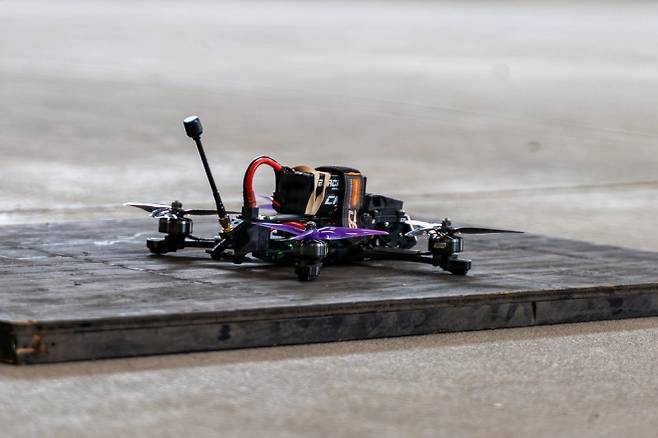
More accurate than mortars, more flexible than anti-tank missiles
Traditional mortar employment forced forward observers to expose themselves to call coordinates, fire multiple rounds, then observe impacts and correct.
Loitering munitions combine reconnaissance and strike in a single system, compressing the process to see → confirm → strike and dramatically reducing both procedure and time.
Unlike missiles launched from fixed platforms, drones can patrol the battlespace and dive on targets as they appear, providing much greater flexibility against concealed or moving threats.
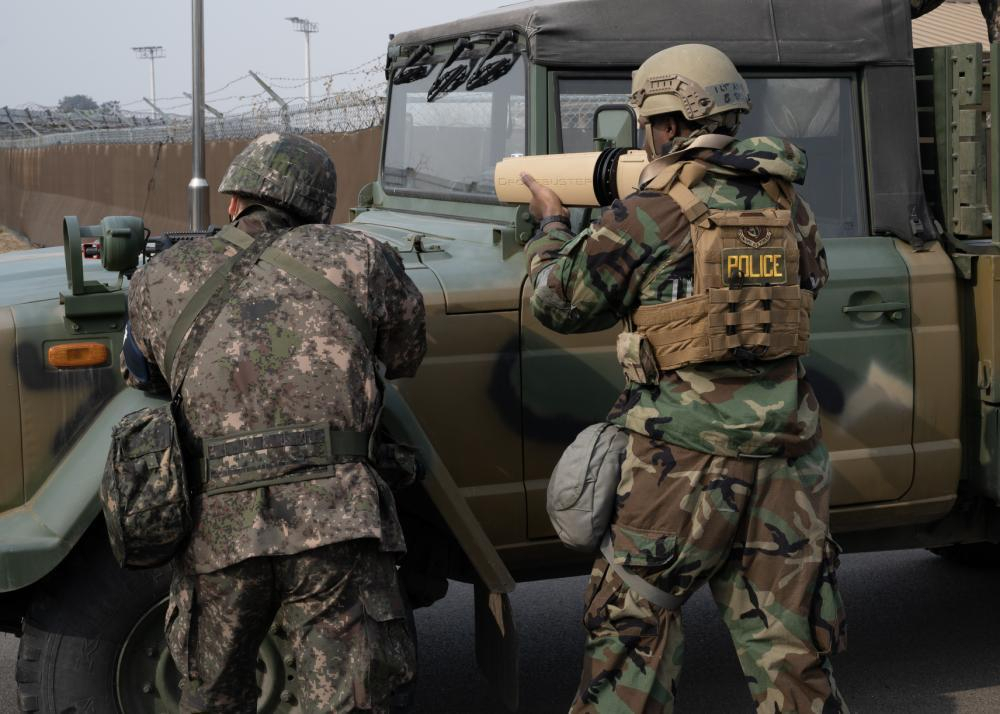
Individual-level firepower lets units hold without air support
Special operations teams operating deep inside enemy territory often cannot rely on timely air or artillery support; when they can, the delays and risks are high.
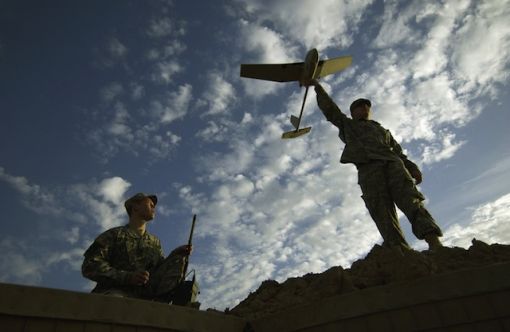
Distributing loitering munitions like the Log 1 among team members lets operators find and immediately neutralize targets from concealment, effectively putting a measure of air-delivered firepower into individual hands.
As a result, the battlefield is shifting away from waiting solely for higher-echelon fires toward front-line squads and platoons acting as networked, autonomous strike nodes.
The problem is airspace and frequencies: without control, chaos
If units begin launching these systems indiscriminately, trouble will follow quickly.
First, if tens or hundreds of drones operate across the front at once, commanders need a systematic way to assign altitude and sector responsibility and to deconflict airspace so friendly aircraft and helicopters don’t collide with them.
The same discipline applies to radio frequencies: uncoordinated use creates interference and confusion, and in the event of jamming or electronic attack, situational awareness can be lost.
What the South Korean military should learn: three things before buying equipment
First, publish employment rules tailored to mission and terrain. Detailed doctrine is needed for mountain guard posts, West Sea and East Sea coastal defense, urban counterterrorism, and special operations against North Korea — specifying when, who, and how many drones to employ.
Second, establish target-approval and civilian-harm review procedures. Small drones used without strict rules will increase friendly-fire incidents and collateral damage.
Third, build an integrated command-and-control system for airspace and frequencies. Rather than “one drone per unit,” higher echelons must be able to see and control how many drones occupy which times and spaces to make them effective tactical assets.















Most Commented