
Translation result

Naval power isn’t defined solely by budget size or the number of hulls. If shipyards stop turning and supply chains seize up, even the most capable warship becomes just another line on a plan.
The U.S. Navy’s Fiscal Year 2027 Shipbuilding Plan places industrial-base revitalization at its center, backed by a $65.8 billion investment (about 90 trillion KRW).
Facing China’s rapid naval expansion, the initiative is a long-term strategy to lift not only procurement but the United States’ ship production rate and maintenance capacity at the same time.
That $65.8 billion figure isn’t merely for buying ships. It’s a commitment to repairing degraded shipyards, rebuilding the skilled workforce and restoring parts supply chains from the ground up.
Shipyard Bottlenecks: The Real Threat Beyond Ship Counts
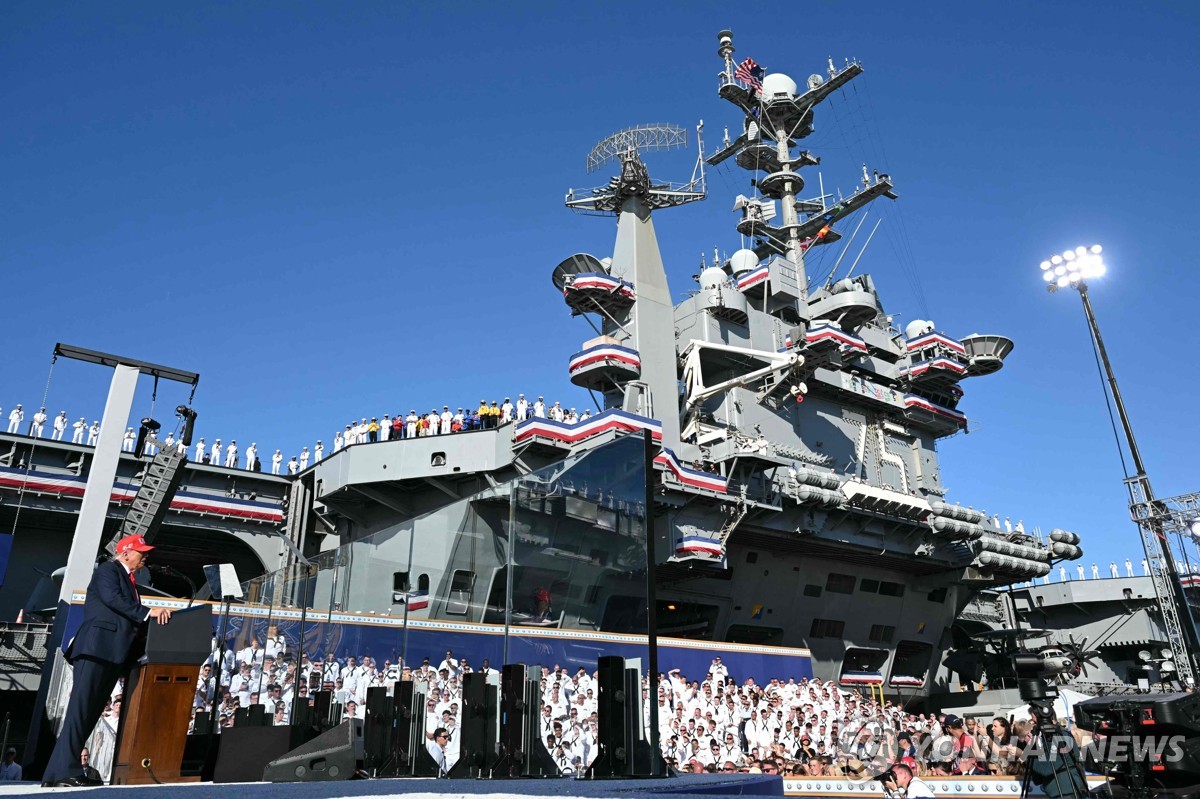
Discussion of military dominance has long centered on fleet size. The immediate crisis the U.S. Navy faces is not hull count but severe construction delays and maintenance backlogs — the bottlenecks inside shipyards.
The Navy has moved beyond simply listing hulls. It has reworked its plan to prioritize manufacturing infrastructure: securing skilled labor, restoring maintenance docks and shoring up industrial capacity.
If the U.S. clears those bottlenecks, it can forward-deploy more ships across multiple theaters. For China, which has leaned on numerical advantage, a faster U.S. production tempo will erode that edge.
In the Indo-Pacific maritime contest, the deciding factor will be sustainment — the ability to repair ships and return them to the fight on schedule — rather than marginal gains in weapon performance. That’s why command and logistics must operate in lockstep.
U.S. Supply Gaps and the Opening for Korean Shipbuilders
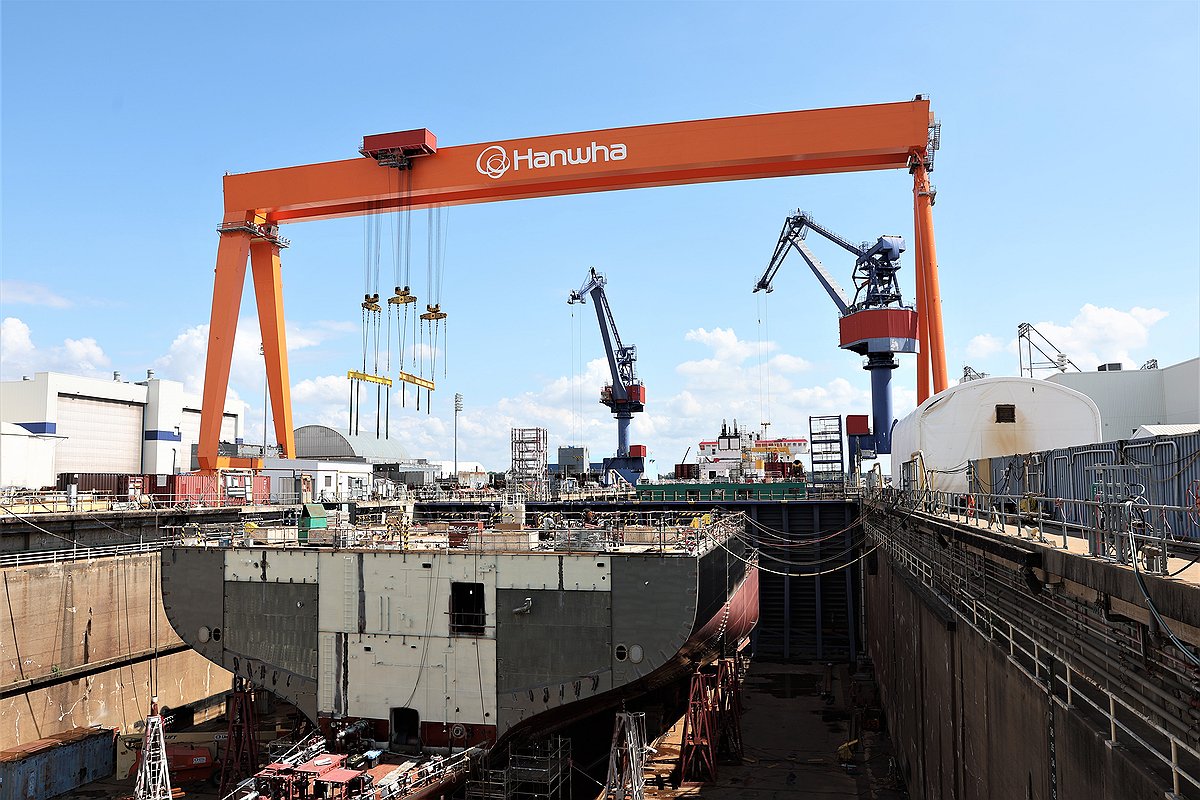
Modern warfare is won on sustainment: second- and third-wave resupply matters more than the initial strike. When raw-material sourcing, parts quality control and long-term contracts wobble, even the best systems become chokepoints.
The void in U.S. shipbuilding infrastructure presents a strategic opening for South Korea’s world-class yards and a prompt for deeper supply-chain cooperation.
Rather than building U.S. warships outright, Korean shipbuilders are more likely to win work on maintenance, repair and overhaul (MRO) for U.S. Navy vessels, hull-block production, and military parts supply partnerships.
Seoul should position itself as a practical partner that fills America’s manufacturing gaps, not force itself into roles that don’t fit. In defense markets, delivery reliability beats sticker price.
The Cold Calculus Behind the Flashy Ship Photos
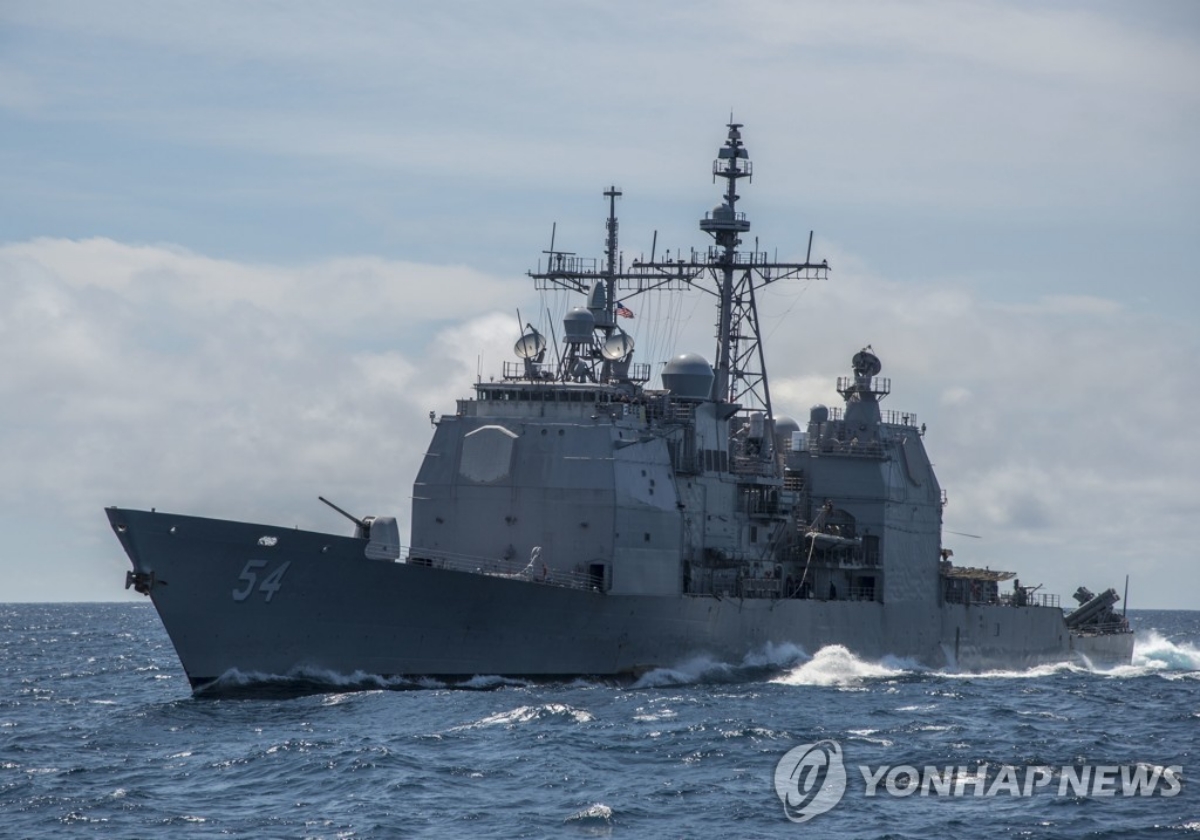
A glamorous label like “Golden Fleet” doesn’t expand a navy overnight. Designing, building and training a crew for a single ship requires significant time and expense.
If planners fail to close the gap between plans and operational reality, reorganization will amount to little more than slogans. The key indicators to watch are the speed of government contracting, shipyard investment and the pace of unmanned-systems integration.
Rebuilding U.S. supply chains will ripple across the global security ecosystem — from strengthened Chinese interception networks to more sophisticated electronic warfare. Ultimately, the core of defense competition is how fast nations can build and repair ships.
For Korea’s defense sector, rising exports will make on-time delivery and maintenance capacity the decisive competitive edges. Naval power is realized not in glossy photos but in a shipyard’s ability to produce and sustain ships repeatedly.
실시간 인기기사
- “If you can’t get to war on time, it’s just scrap” … The Pentagon slashed its weapons list and sparked an uproar
- “Detect, jam and strike in one go” … How ‘Spear 3’ overturned the airstrike paradigm
- “We were effectively blind for five years” … Outcry as the UK’s air-defense gap comes to light













Most Commented