
Translation result
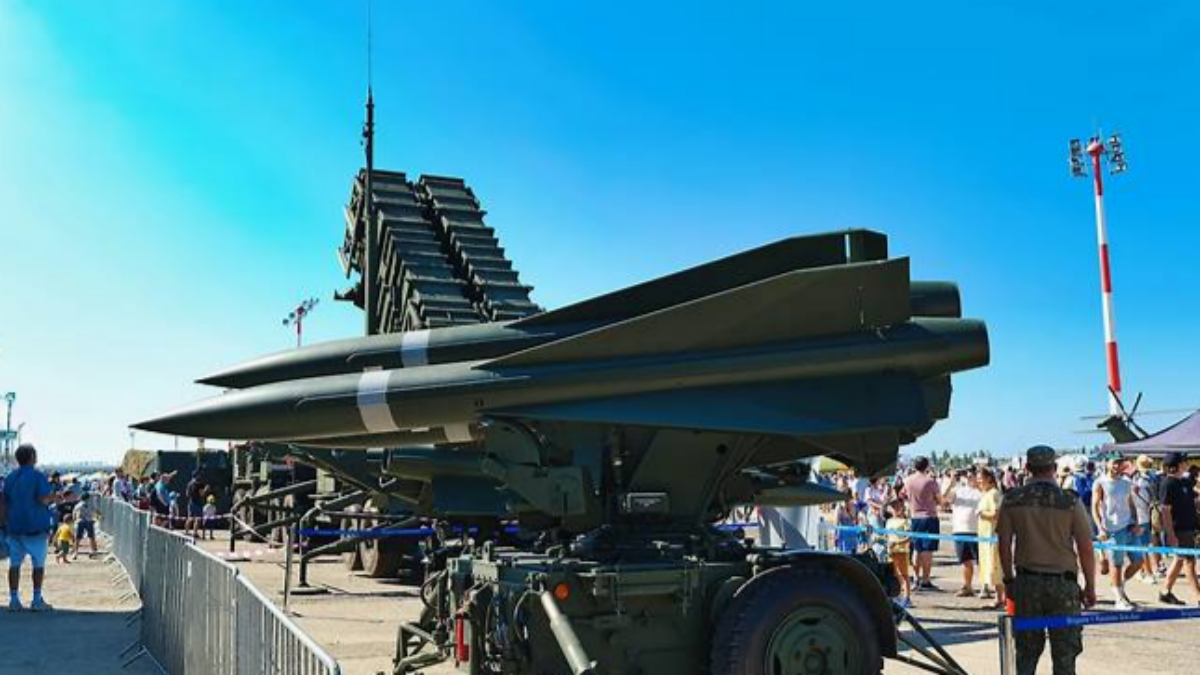
Can fly 600km and strike a single window
A U.S. Tomahawk cruise missile fired from the Philippines hit a target about 600km away with pinpoint accuracy, showcasing American midrange strike capability in the South China Sea.
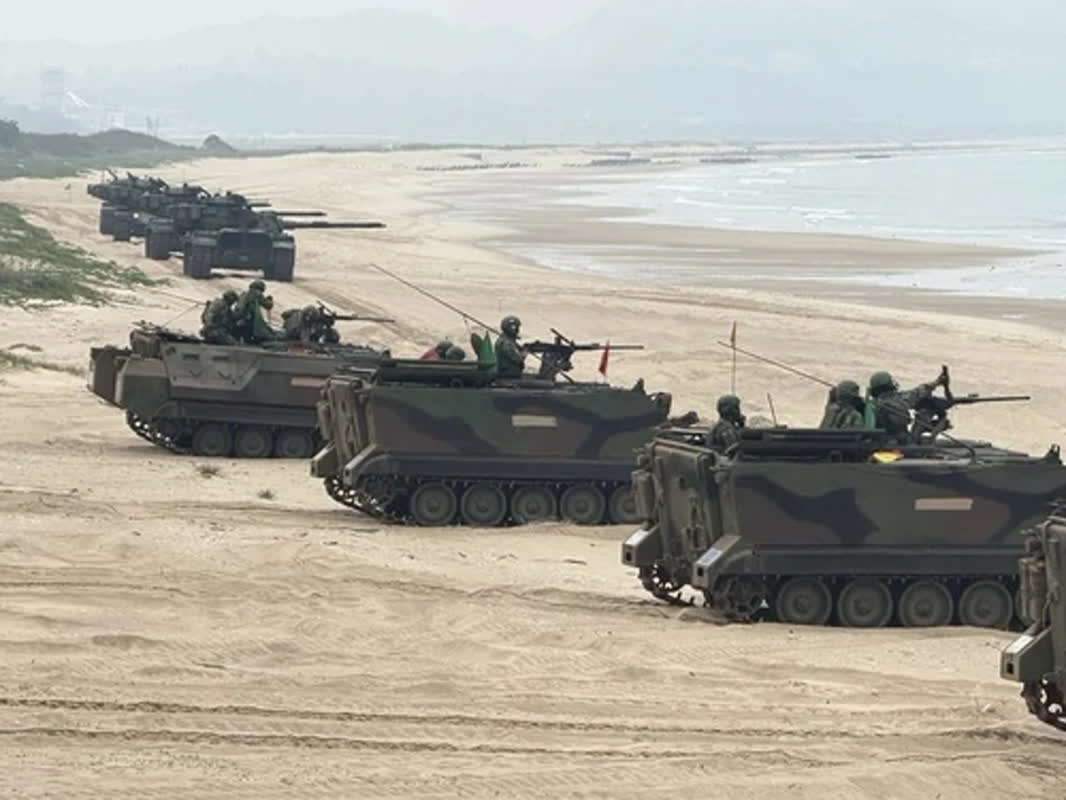
The shot was part of the annual U.S.‑Philippine exercise Balikatan. In the scenario, a missile launched from Tacloban in central Philippines would reach Port Magsaysay on Luzon.
Philippine military officials described the precision bluntly: if you were to aim at a single window from a long distance, the system could hit that window. They stressed the assessment without embellishment.
Analysts say the move shifts the dynamic in the region. A Philippines that can host U.S. midrange strike platforms changes how confrontations with Chinese coast guard and maritime pressure are managed — the battlefield itself is being reshaped.
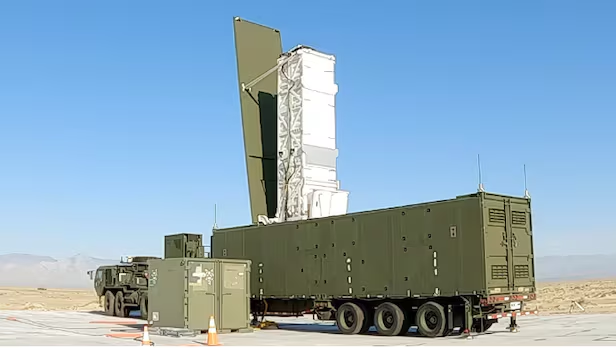
Typhon turns the Philippines into a land‑based forward launch hub
The system drawing the most attention is the U.S. Army’s new ground‑based midrange missile system, Typhon.
Unlike strike options that rely solely on Navy ships, Typhon is built to conduct long‑range precision fires from ground launchers placed on Philippine soil.
Its truck- and containerized launchers can move along roads and through ports, helping concealment and repositioning.
If Manila fields Typhon operationally, Philippine territory would shift from a defensive outpost to a forward launch platform capable of holding key Chinese facilities at risk.
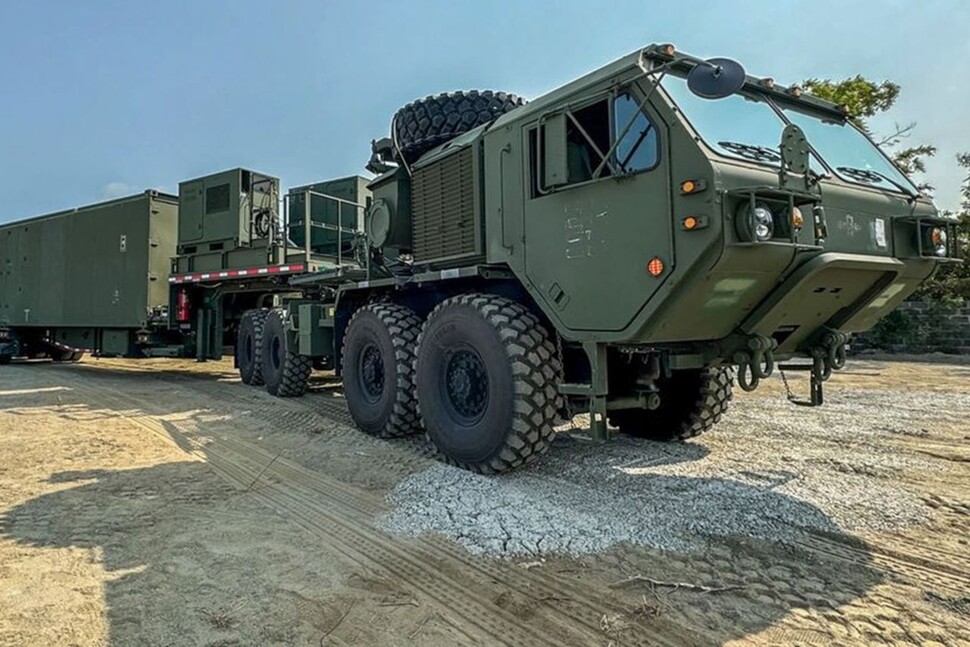
Tomahawk + SM‑6: a pairing that can reach deep into China
Typhon’s operational concept pairs two missile types on the same launcher architecture.
First, the Tomahawk cruise missile is a long‑range, terrain‑following weapon able to strike fixed land targets out to roughly 1,600km with high precision.
Second, the SM‑6 — originally developed as a ship‑based multi‑mission missile — would, in this configuration, engage and defeat sea and air threats beyond 200km.
That combination lets a single ground launch site field Tomahawks aimed at mainland bases, radars and command nodes while also employing SM‑6s to counter approaching ships and aircraft — fusing strike and air‑defense roles on one platform.
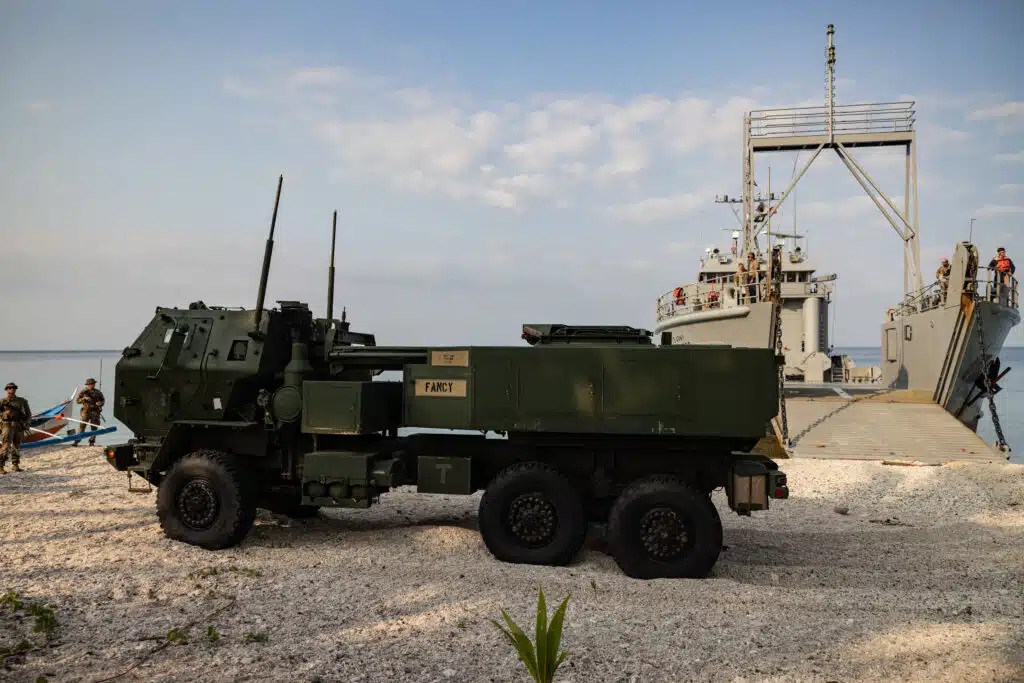
If Typhon deploys to the Philippines, how far into China can it reach?
Permanently deployed Typhon units in northern Luzon or central Philippine islands would extend reach far beyond adjacent seas.
China’s southern theater naval bases, the full expanse of the Taiwan Strait, and most military facilities on artificial islands in the South China Sea would fall within Tomahawk range.
In a Taiwan contingency, the moment Chinese naval and air forces sortie, Philippine‑based U.S. launchers would become an unpredictable factor — commanders could not be certain when or where strikes might originate.
That forces Chinese planners to factor in not only fleet movements but also the prospect of strikes on mainland command and communications nodes originating from Philippine soil, complicating their operational calculus.
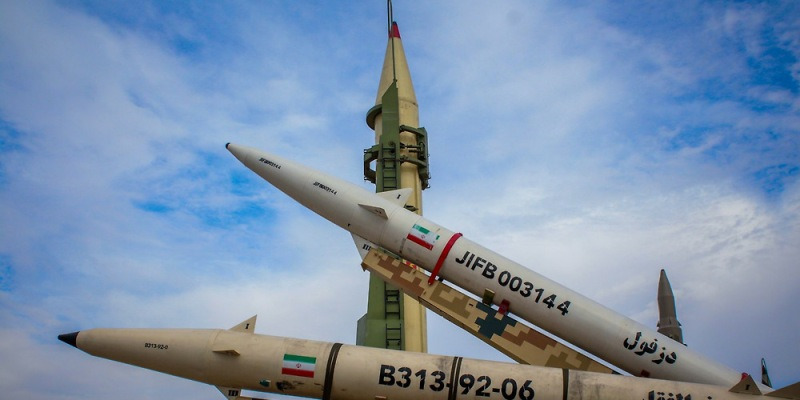
Invisible shackles that pin down China’s fleet
Ground‑launched Typhon has clear survivability limits.
Its size and constrained mobility make launchers vulnerable to detection by reconnaissance satellites, patrol aircraft and drones, which would likely put them at the top of an adversary’s targeting list in a crisis.
To mitigate that, the U.S. disperses launchers and regularly shifts firing positions, using deception and mobility to create a credible but elusive threat.
Analysts argue the effect is psychological and strategic: even before a single missile is fired, the system forces Chinese leaders to hesitate and second‑guess their plans.
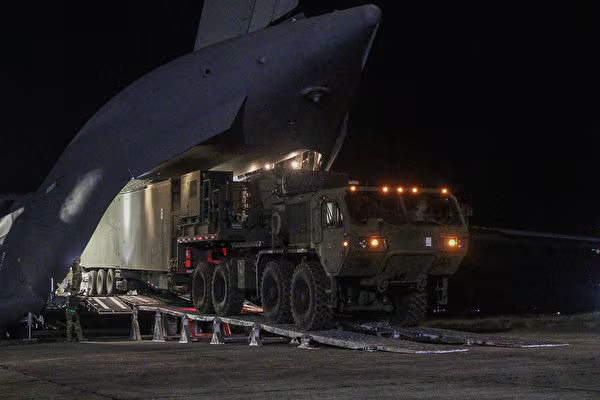
South China Sea: from maritime disputes to a long‑range strike theater
The Philippines has long been on the defensive in the South China Sea, responding to Chinese coast guard water cannon and blockade tactics by fishing and paramilitary vessels.
But as Typhon, Tomahawk and SM‑6 systems become established on Philippine soil, the contest risks evolving from surface skirmishes to mainland strike posturing.
Each Philippine island becomes a potential launch node in Beijing’s calculations — a place “from which a missile could strike our bases.”
Some analysts now describe the post‑Typhon South China Sea as a new front where midrange precision strike systems directly contest one another.
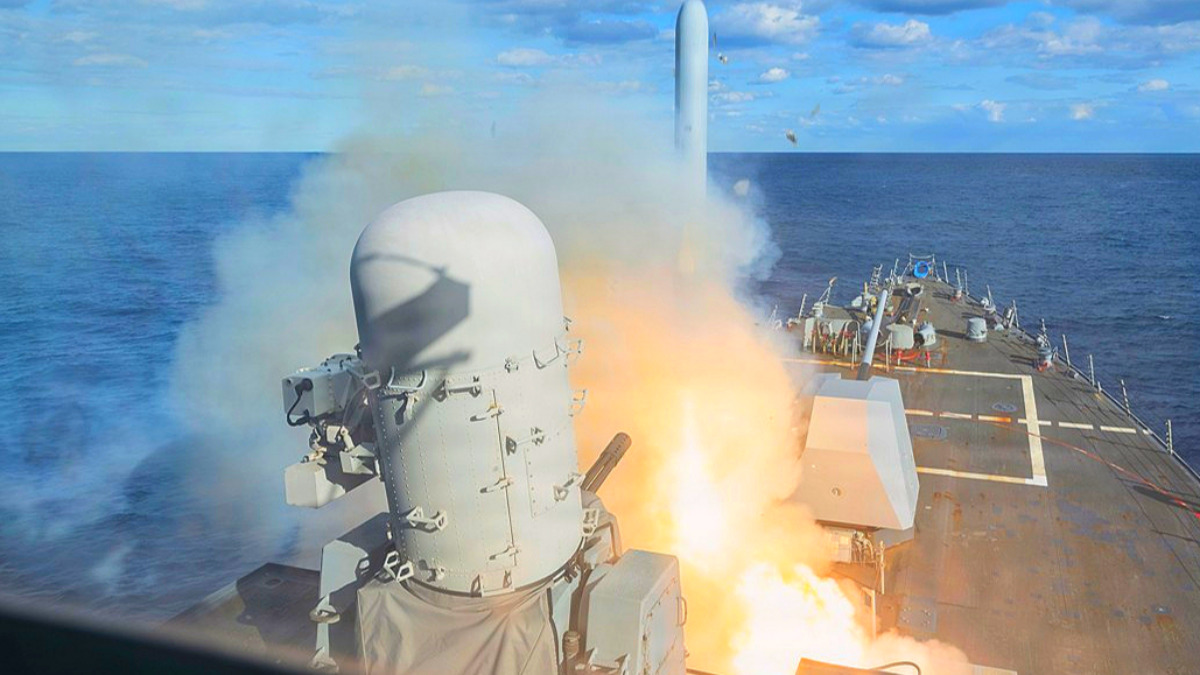
Not just a single shot — its presence alone changes strategy
Typhon and Tomahawk are altering the strategic landscape even if they never fire a round.
China must now account for Philippine‑based midrange strike options when planning operations over Taiwan and in the South China Sea, affecting the disposition of troops, ships and air‑defense assets.
With relatively few launchers, the U.S. and the Philippines can impose asymmetric deterrence that narrows Beijing’s choices.
Future debates about naval and air posture across the South China Sea and western Pacific will likely hinge on one key question: how far and how deeply will Typhon be positioned?n










Most Commented