
Translation result
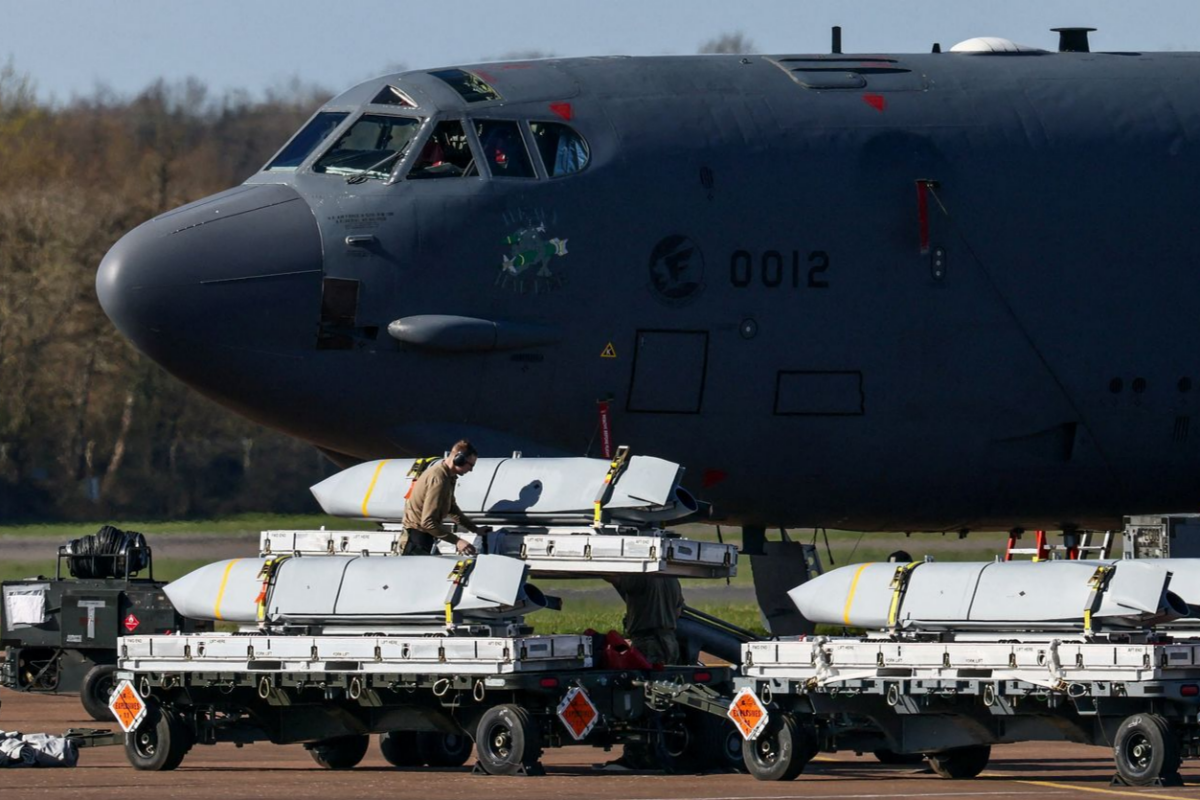
F‑35A Damaged over Iran, Makes Emergency Landing at U.S. Airbase
U.S. Central Command (CENTCOM) said on March 19 that a U.S. Air Force F‑35A was damaged while conducting a combat mission over Iranian airspace and made an emergency landing at a nearby U.S. airbase in the Middle East. A CENTCOM spokesman said the aircraft landed safely and that the pilot was in stable condition, but declined to specify the cause and said the incident is under investigation. CNN and MoneyToday reported the jet came under fire that U.S. officials suspect originated from Iranian forces, and noted the episode could be the first time an F‑35 has been struck since the type entered service in 2016.
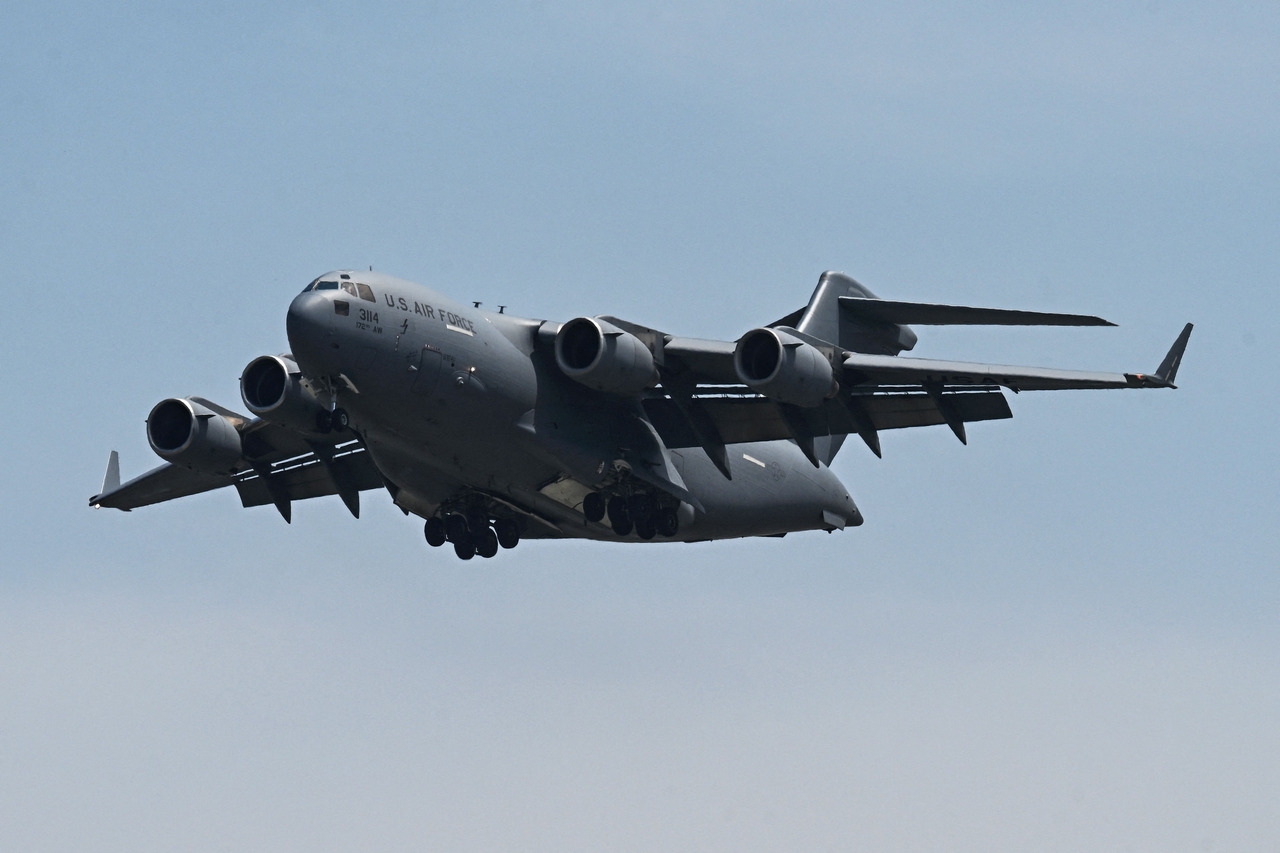
Iran Claims Its New Air-Defense System Shot It Down; U.S. Denies
Iran’s Islamic Revolutionary Guard Corps (IRGC) released a statement asserting that a new IRGC air-defense system shot down the F‑35. A spokesman for the Hattam al-Anbiya central military headquarters told Mehr News that the aircraft was struck in the pre-dawn hours over central Iran, adding that the blast’s size suggests the jet likely crashed and that pilot ejection was unlikely. Iranian outlets circulated video and photos they say show wreckage, presenting the shootdown as a fait accompli. The U.S. military has disputed those claims, saying the jet made an emergency landing and stressing the pilot and aircraft returned safely.
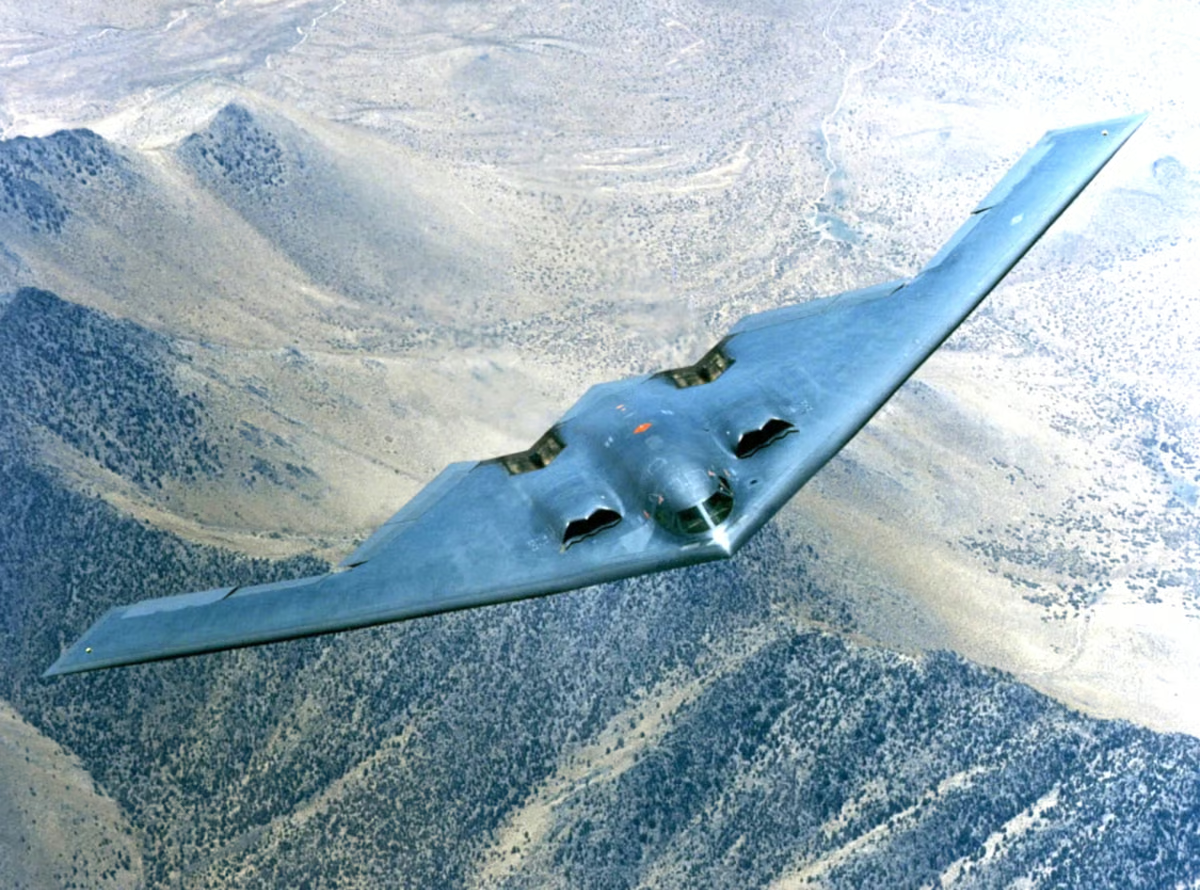
First Hit Report Emerges Just After Pentagon Said Iran’s Air Defenses Were “Flattened”
The report arrived soon after the U.S. Defense Department characterized Iran’s air defenses as effectively “flattened.” Defense Secretary Pete Hegseth and Joint Chiefs Chairman Dan Cain told a situational briefing that the U.S. was prevailing decisively and that Tehran’s air defenses had largely collapsed. Later the same day, however, reports surfaced that an F‑35 had been struck over Iran and made an emergency landing. CNN noted that while the U.S. previously lost three F‑15Es in an accidental strike tied to Kuwait, this incident could represent the first time a U.S. combat jet was struck by enemy fire in a conflict with Iran.
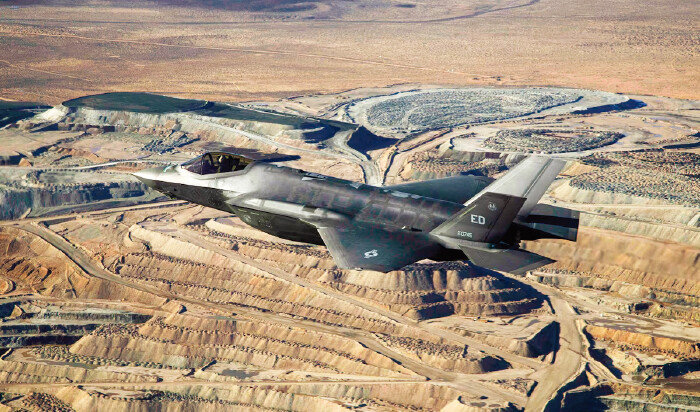
How Did They Track a Stealth Jet? EO/IR-Guided Strike Possible
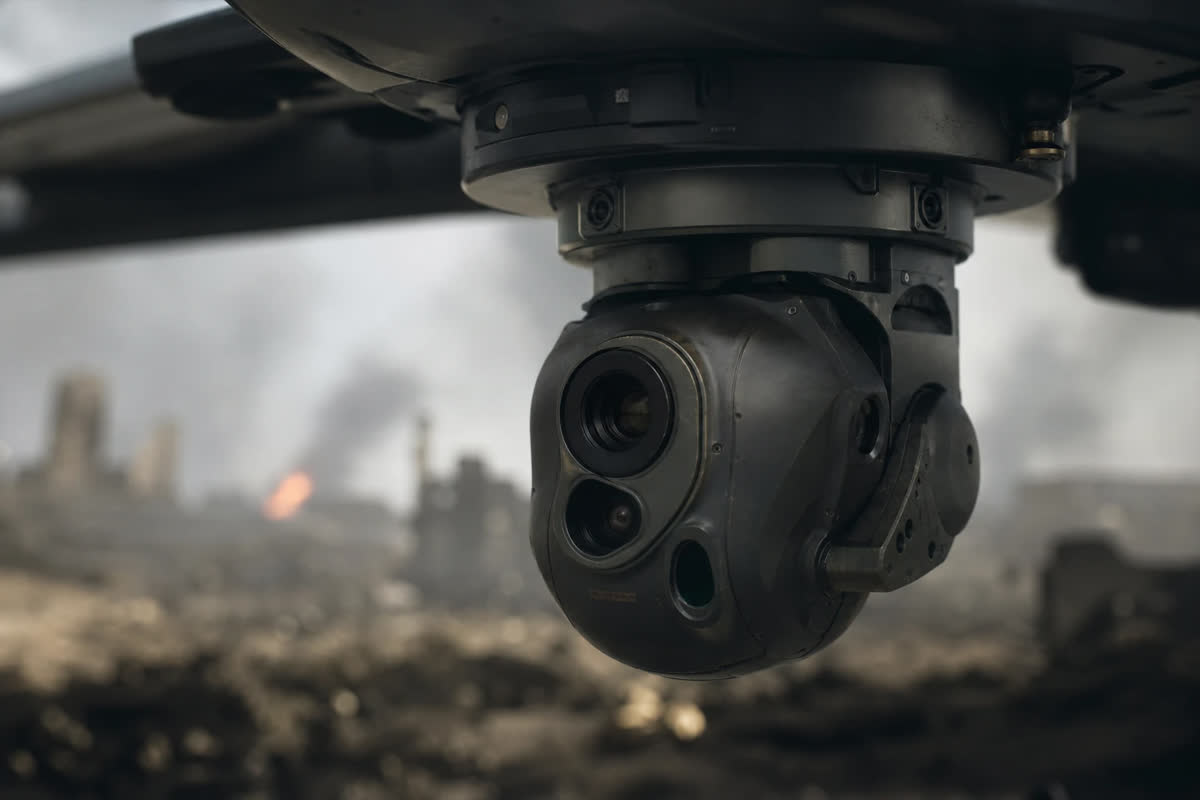
Analysts have questioned how a stealth aircraft could be detected. Reporting from YTN and the South China Morning Post notes that while the F‑35 significantly reduces radar cross-section (RCS), it cannot eliminate engine heat and exhaust. Those signatures can make the jet vulnerable to infrared (IR) and electro-optical (EO) sensors. SCMP reported that the aircraft that made the emergency landing was more likely hit by an EO/IR-guided weapon than by a radar-guided system. Korean outlets such as Maeil Business report Iran has fielded new air-defense layers since 2024 — medium-range systems called ‘Arman’ and short-range ‘Azarakhshi’ — combining phased-array radars with thermal-imaging detectors to identify and engage low-observable targets like the F‑35.
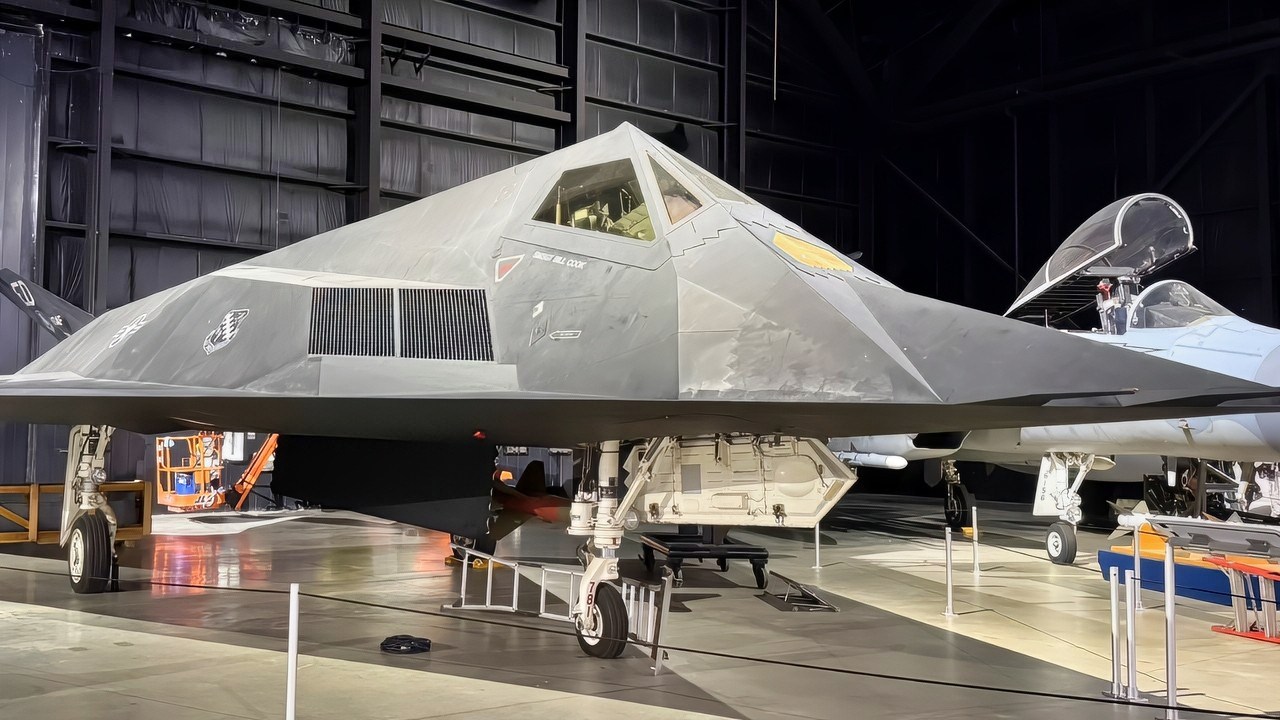
27 years ago: Why the 1999 F‑117 Shootdown Reentered the Conversation
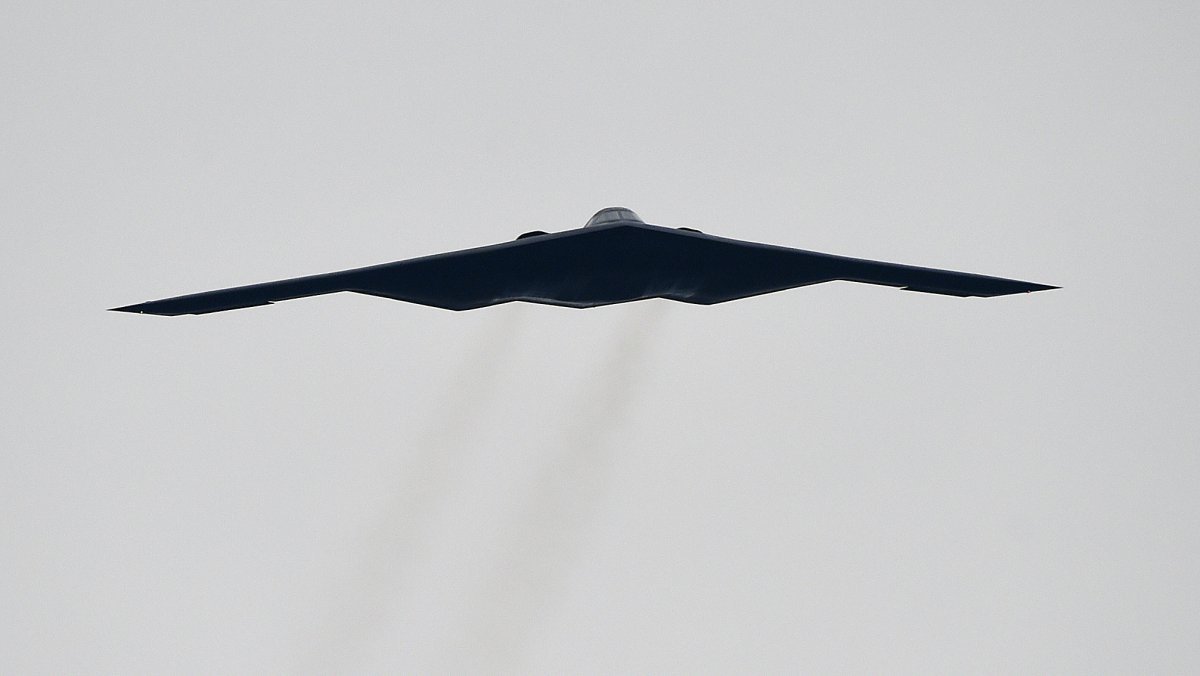
Not an Official Shootdown — Yet — but a Symbolic Blow
So far, officials have confirmed only the following:
- One U.S. F‑35A was damaged while on a mission over Iran and made an emergency landing at a U.S. airbase in the Middle East,
- Iran’s Revolutionary Guard claims it shot the jet down with a new air-defense system, and
- The U.S. maintains the episode was an emergency landing, not a shootdown, and highlights the pilot and aircraft’s safe return.
Iran’s assertion of a complete shootdown has not been independently verified. Still, even the possibility that an F‑35 was hit for the first time since the type’s 2016 introduction carries symbolic weight. It could dent confidence in the program and challenge the U.S. narrative of uncontested air dominance. If Tehran publicizes that its newer systems struck a U.S. stealth fighter, adversaries from the Middle East to Russia and China could seize on that message for strategic messaging.
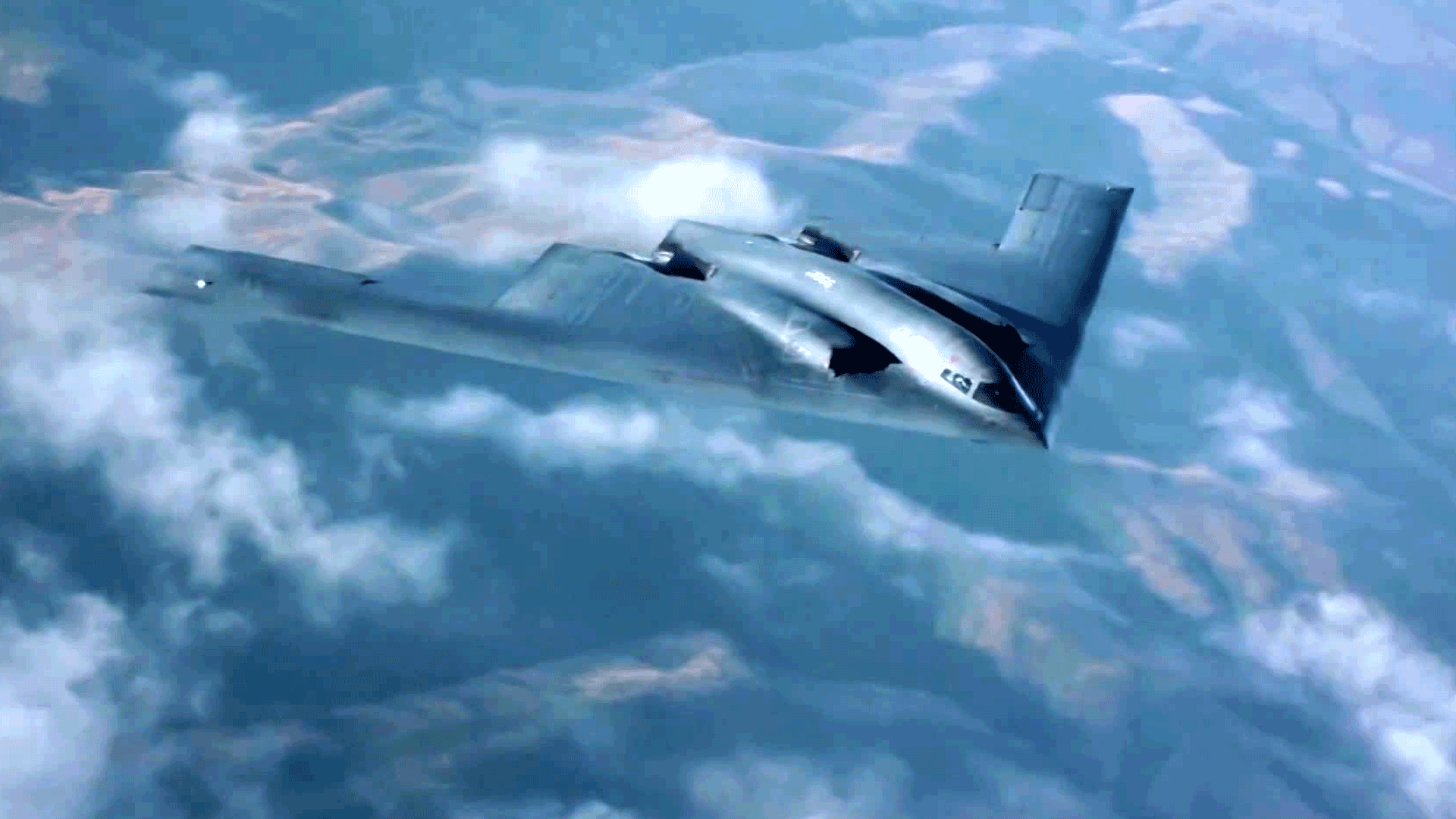
The Old Lesson: Don’t Overtrust Stealth
The operational takeaway is straightforward. Stealth remains a valuable survivability feature, but
- EO/IR sensors,
- low-frequency radars,
- and networked, multilayered air defenses
can erode stealth’s effectiveness. Repeated low- and medium-altitude missions increase exposure and create windows of vulnerability.
That an F‑35 was reportedly struck just as U.S. and Israeli officials were declaring Iran’s air defenses defeated underscores a broader point: even the most advanced air forces risk unexpected setbacks if they underestimate an opponent’s sensor capabilities or rely solely on low-observable technology.













Most Commented