
Translation result
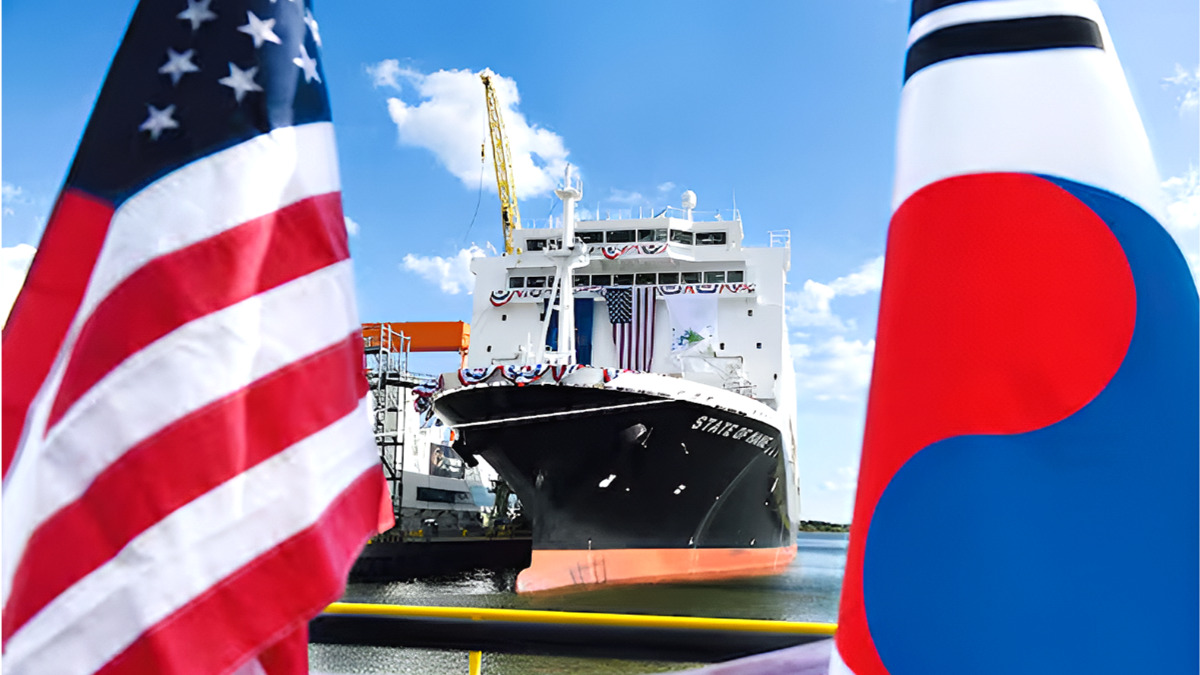
When analysts talk about deterrence in the Indo‑Pacific, images of aircraft carriers, stealth fighters and missile inventories often come first. But the capability that actually prevents war flows from the rear areas too—from factories, shipyards and maintenance depots supporting forward forces.
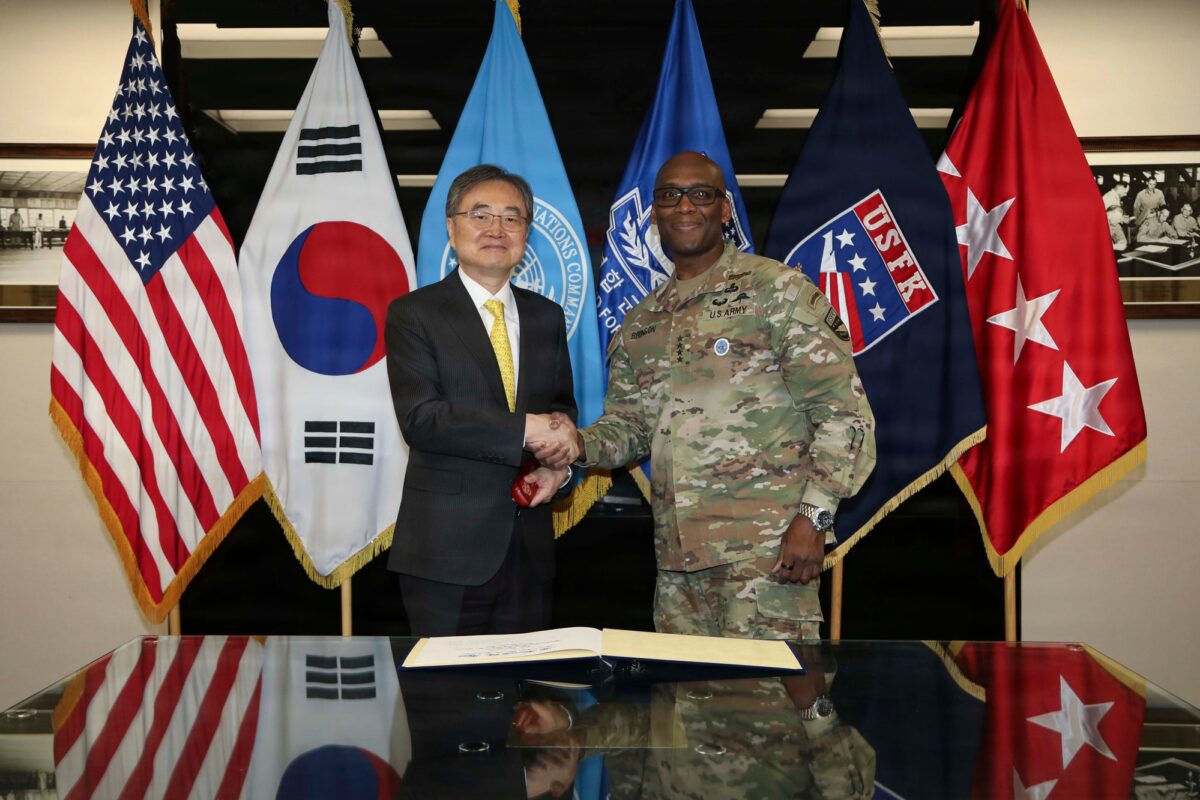
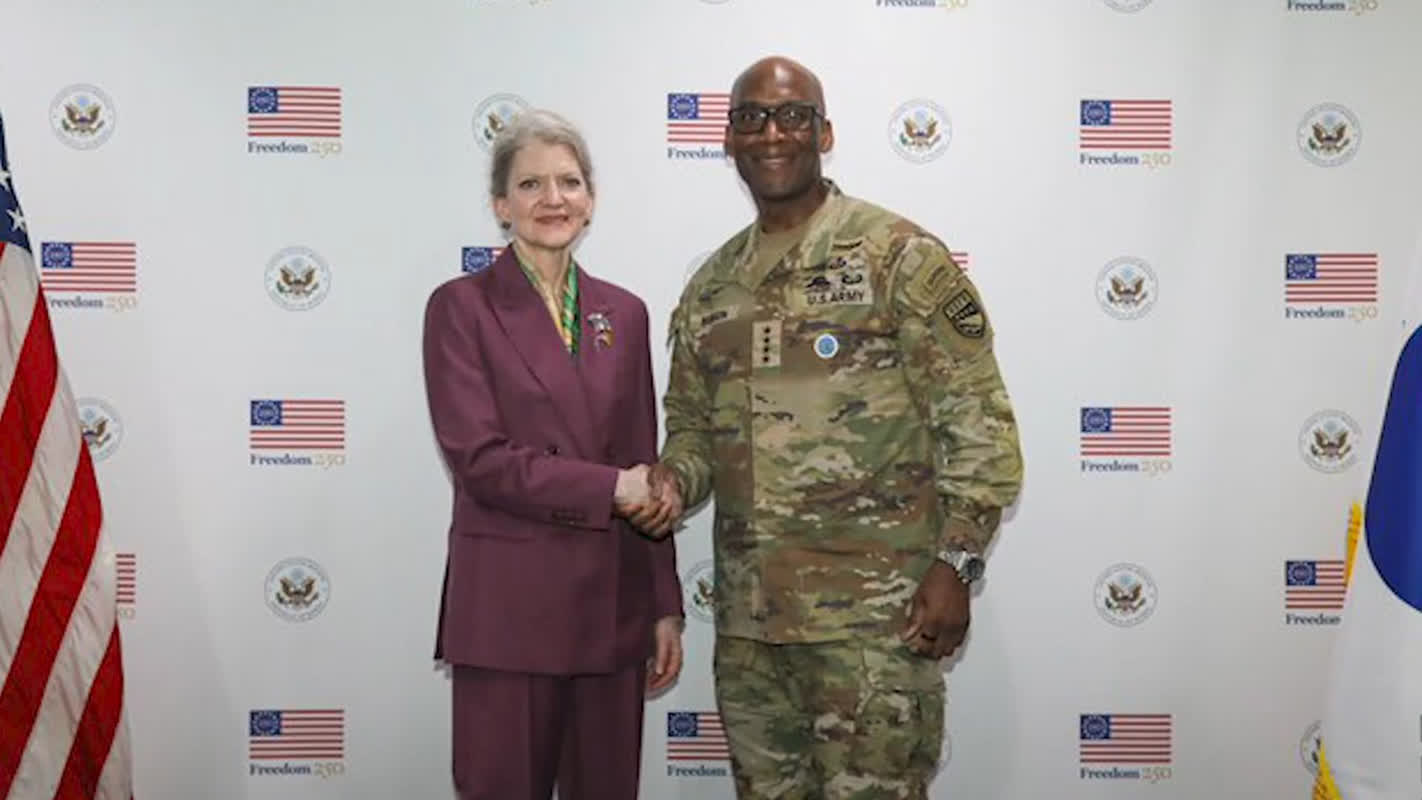
Gen. J.B. Brunson, commander of U.S. Forces Korea and the ROK‑U.S. Combined Forces, says industrial-base capacity and burden‑sharing among allies are central to deterrence in the region.
His point is straightforward: to deter an adversary you must make them believe you can sustain combat operations through to the end.
More important than fielding a single advanced weapon is the ability to replenish expended ammunition quickly and to identify which shipyard can repair a damaged vessel and return it to the fight without delay.
The unseen force that determines the front line’s fate: MRO capabilities

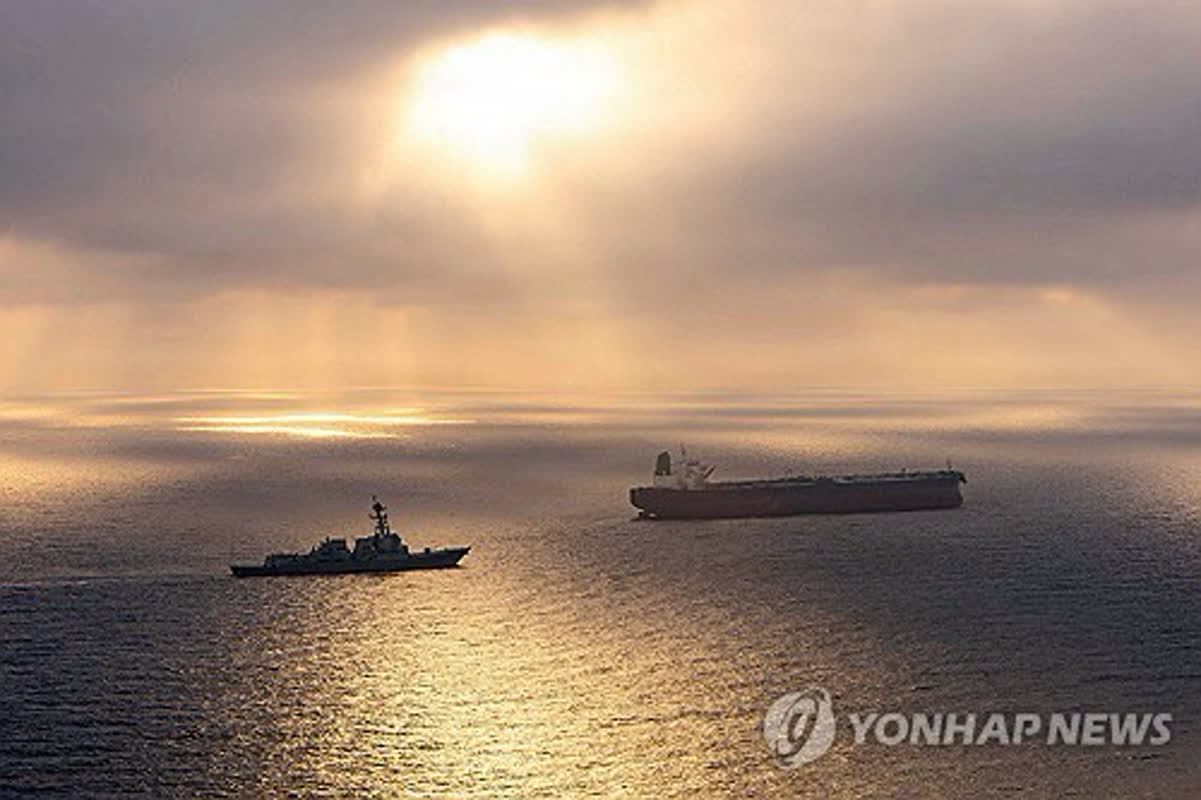
Recently, the U.S. Navy logistics ships Wally Schirra and Cesar Chavez completed maintenance in a Korean dry dock, with further work scheduled. That operational flexibility matters.
It underlines that South Korea’s defense industry is more than a weapons exporter. The capacity to repair vessels in forward waters is itself a form of operational endurance.
The military calls this maintenance, repair and overhaul—MRO. Beyond peacetime efficiency, MRO capability often dictates how quickly combat power can be restored during a crisis.
If a damaged ship must steam back to U.S. shipyards, the resulting gap in capabilities will be significant. Tapping allied maintenance facilities keeps commanders from losing momentum.
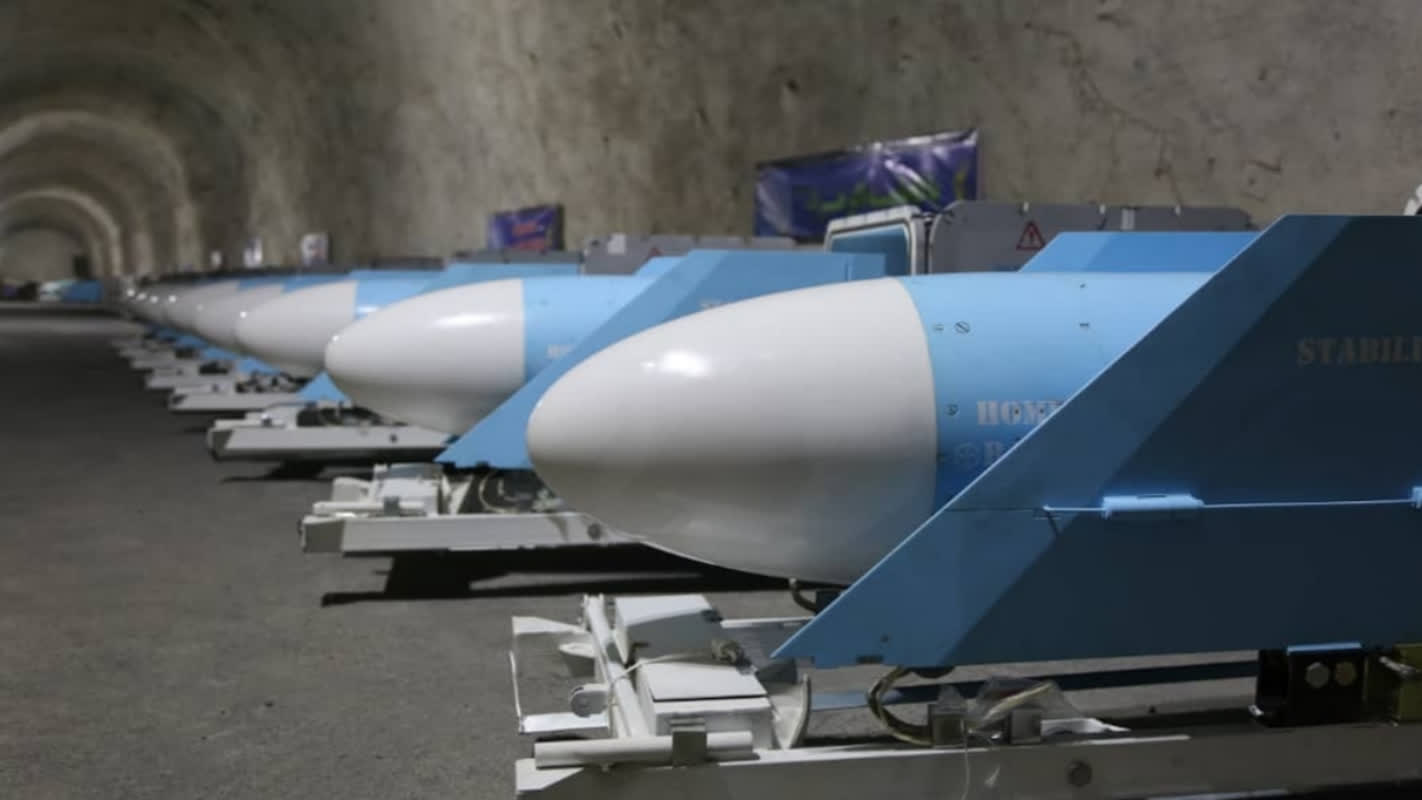
By contrast, scaling precision‑munition production is far more complex. Pumping more money into budgets won’t suddenly put missiles on the market next month.
Growing missile production requires propellant, guidance systems, semiconductors and skilled labor. Recent conflicts show that costly precision weapons are consumed at a fast clip.
On top of that, Indo‑Pacific logistics lines—linking Guam, Japan, South Korea and Australia—are long and exposed, vulnerable to enemy submarines and cyberattack.
True deterrence, then, extends beyond stockpiling at forward bases. It depends on designing distributed supply and maintenance capabilities among allies well in advance.
From security consumer to a global security producer
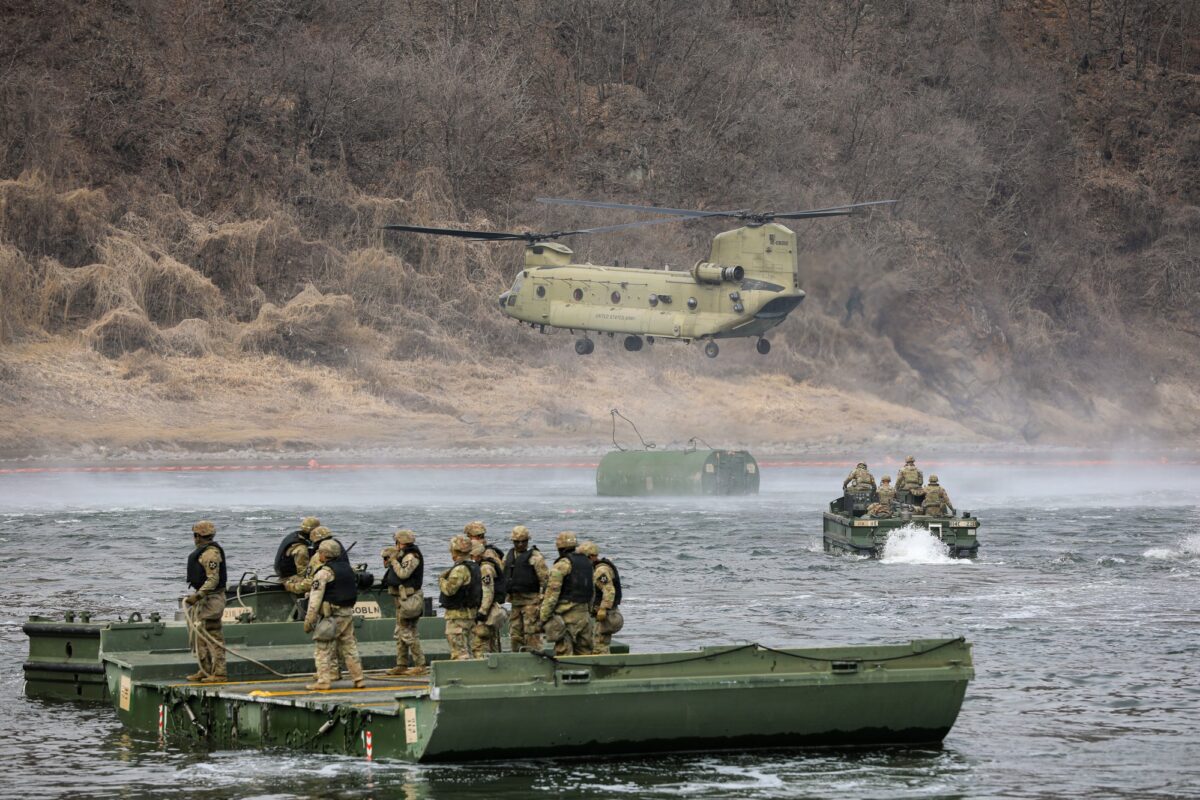
That evolving landscape offers South Korea a significant opportunity—and a heightened responsibility—to increase its value to the alliance in shipbuilding, munitions, armored vehicles and aircraft maintenance.
As Seoul’s role in allied networks grows, it must harden and secure supply chains and shoulder greater economic and political pressures from neighboring states.
Moving from a security consumer to a producer means more than improving export figures. It means sharing the burden of sustaining allied operations during a crisis.
Peace in the Indo‑Pacific depends not just on bold statements or frontline brigades, but on the factories, ports and shipyards that keep those forces supplied and ready.
Trending now
- “K‑defense needs to be on guard”: Industry warns as Japanese weapons begin arriving in the Philippines
- “We can track China’s forces underwater at every turn”: Beijing rattled as Poseidon squadron reaches 14 aircraft
- “We’ll track North Korean forces underwater to the end”: Defense Ministry surprises with sudden reveal of the ‘Jangbogo‑N’ development plan










Most Commented