
With the Strait of Hormuz effectively blocked amid the wider Middle East conflict, tankers taking longer alternate routes have been arriving in South Korea in rapid succession.
Industry sources told Yonhap on May 30 that the third and fourth South Korean tankers to transit the Red Sea since the Hormuz blockade arrived at Daesan and Ulsan ports on May 29.
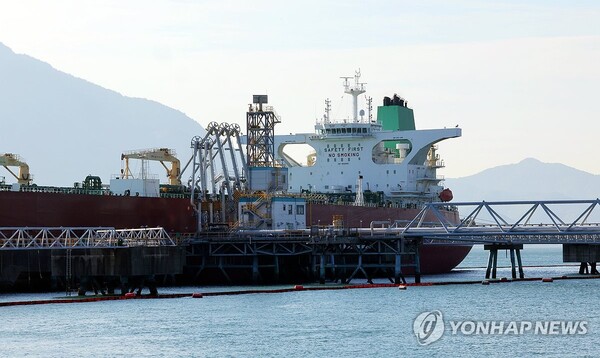
Combined, those tankers carried roughly 2 million barrels of crude oil.
Last month, the first and second tankers that used the Red Sea route also berthed at domestic crude terminals.
Another tanker transited the Red Sea on the 23rd and is expected to arrive in South Korea next month.
To keep supplies flowing, the government and industry have been moving crude by pipeline to Saudi Arabia’s Yanbu port and loading it onto ships there. Officials plan to rely on that route for imports and stockpiling until the regional situation stabilizes.
Despite the steady arrivals, the route cannot yet be considered secure.
The Red Sea is a primary operating area for Iran-backed Houthi forces and is widely regarded as a high-risk sea lane.
Although the route was already underused because of safety concerns, it has emerged as the de facto alternate to the Strait of Hormuz.
The U.K. Maritime Trade Operations (UKMTO) reported that a vessel sailing near Yemen’s Hodeidah was threatened by armed groups last month; officials suspect Houthi involvement.
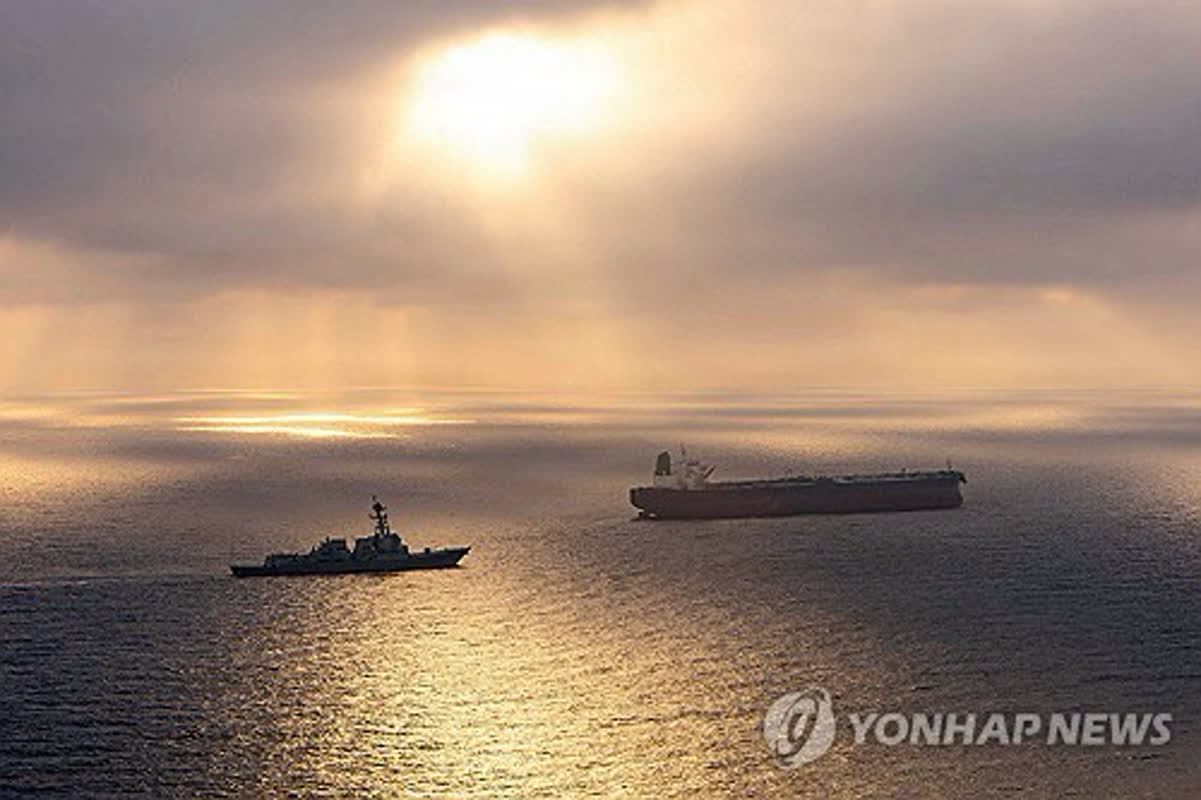
As a result, the Republic of Korea Navy’s Cheonghae Unit has been escorting ships through some high-risk stretches to assist navigation.
A Ministry of Oceans and Fisheries official said, “So far, none of our vessels that transited the Red Sea have been attacked. However, because foreign-flagged ships have reported threats, the ministry remains vigilant and is closely monitoring the situation.”












Most Commented