
Translation result
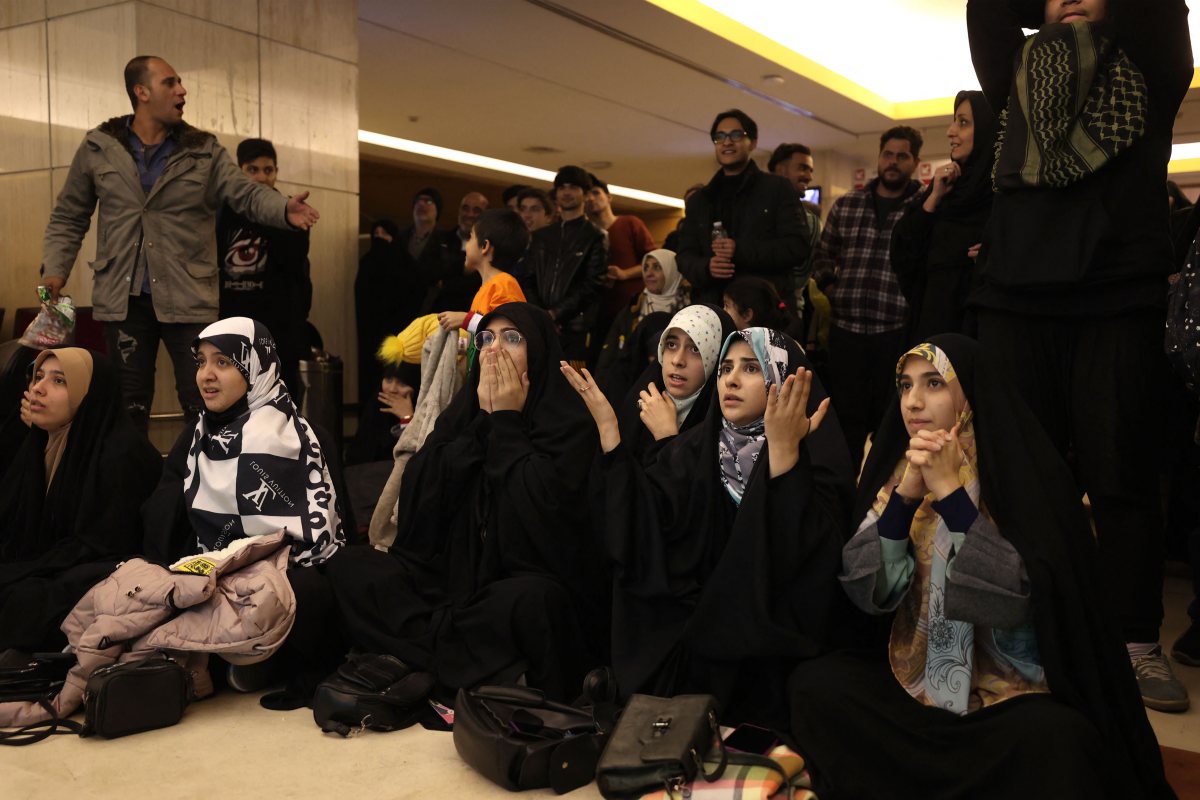
Leaders Hide in Bunkers; They Can Weather Airstrikes
Iran’s leadership gauges success not by the strikes themselves but by whether the regime endures afterward. Even if nuclear sites, military bases and command centers are punched hard, Tehran does not view that as defeat so long as the supreme leader and the Islamic Revolutionary Guard Corps’ command survive in underground bunkers and keep control.
Decades of subterranean command centers dug across the country mean that going underground during air raids is an established wartime pattern. Tehran also understands that U.S. and Israeli aircraft cannot remain over Iranian airspace indefinitely and that munitions stocks are limited.
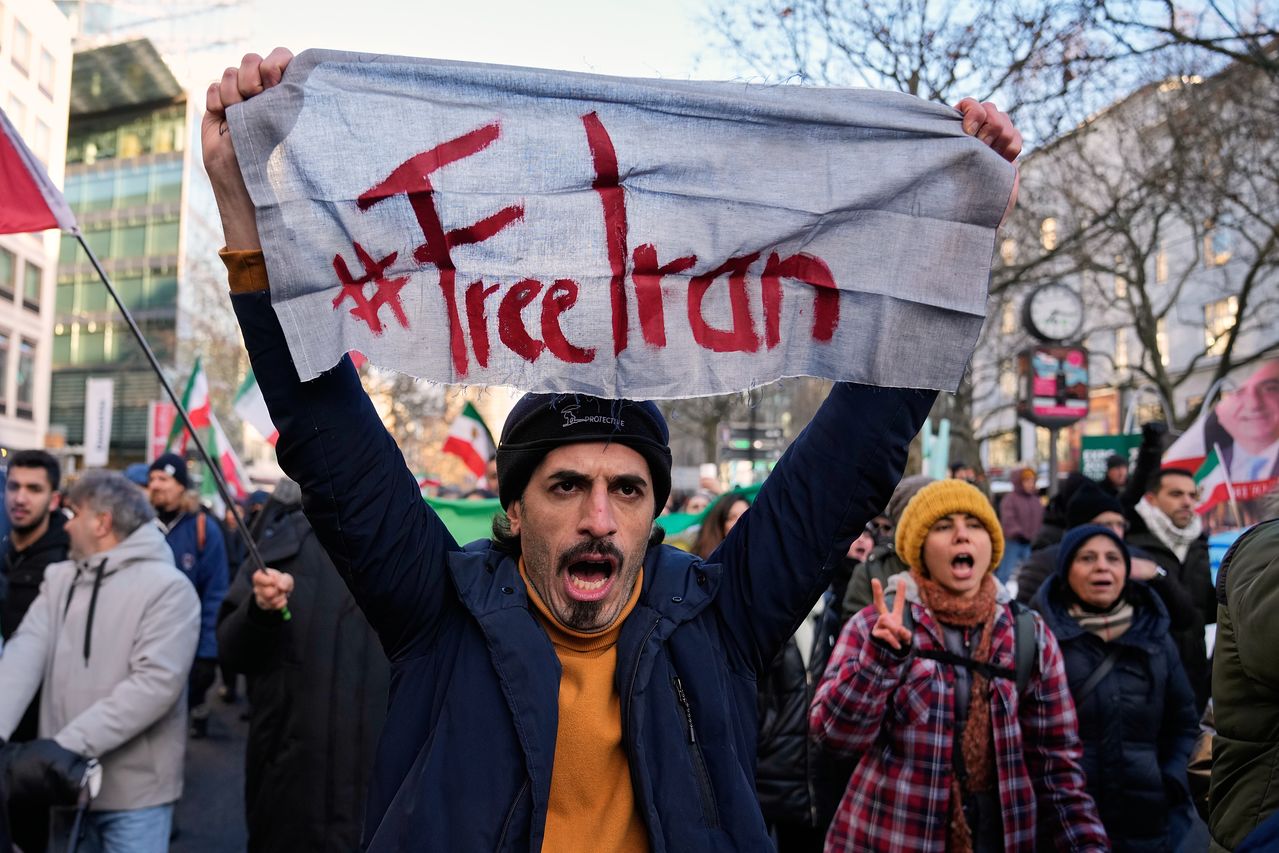
A Bigger Threat Than Bombs: a Shift in Popular Will
Clausewitz called war “the continuation of politics by other means.” Washington’s stated aim is to blunt Iran’s drive for nuclear weapons and ballistic missiles. But in Tehran, nukes and missiles are treated as symbols of regime survival—not bargaining chips. As with North Korea, decades of engagement have not dissuaded a determined nuclear program, and many analysts doubt that airstrikes alone will break Iran’s resolve.
Tehran has long used the deaths of soldiers and civilians from strikes as rallying points—portraying them as martyrs in a holy struggle to tighten internal cohesion. The real existential risk for the regime is not the bombs themselves but the moment when citizens, pushed past endurance by strikes and economic collapse, abandon the regime.
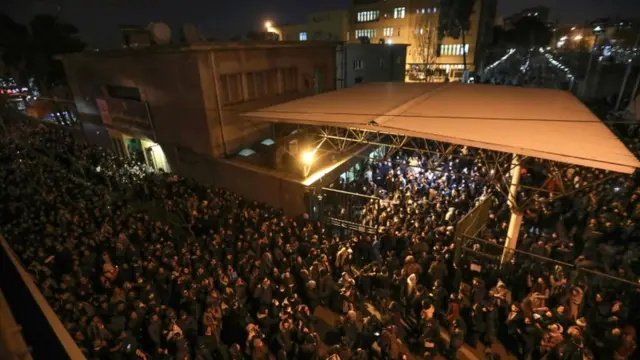
Iran’s Main Fear: an Armed Uprising
Iran International reported April 27 that Tehran’s Supreme National Security Council convened to plan responses under the assumption that large-scale protests are a matter of when, not if. IRGC secretary Mohammad Bagher Zolghadr chaired the meeting, and participants reportedly concluded that stopping protests entirely would be difficult—the only question was timing.
A U.S. naval blockade, sharp currency swings and surging prices have strained livelihoods and recreated the economic conditions that sparked January’s mass demonstrations. Human-rights groups estimate casualties in those protests may number in the tens of thousands, and Tehran fears the next wave will be more organized and more heavily armed.
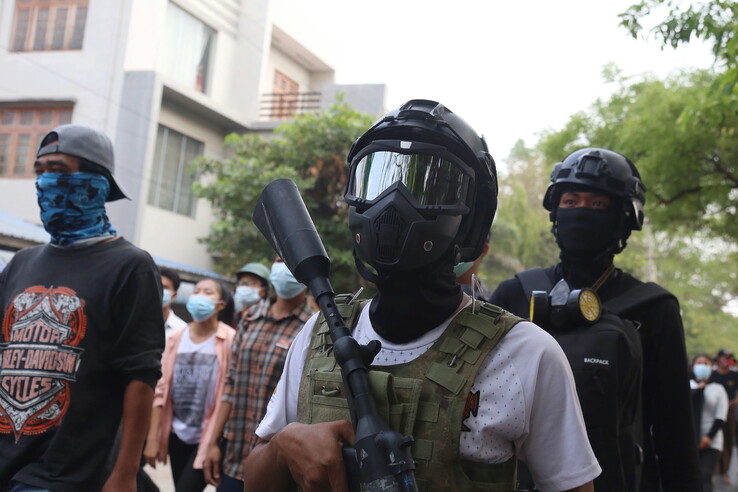
Armed Protesters Are Already Operating: Attacks on Checkpoints and Police Stations
Since March, shootings and explosive attacks targeting IRGC checkpoints and police stations have spread across Iran. In central Tehran, a Basij vehicle was struck by a remote-controlled IED. Some citizens are filming IRGC positions and passing the locations via social media and encrypted messengers to U.S. and Israeli contacts—efforts that could guide external strikes.
Protest leader Rayan Amiri told Israeli media, “Last time, millions came out unarmed, but this time will be different,” saying mobilization is underway without detailing specifics. Observers interpret that as an overt signal that the opposition may be preparing for armed action.
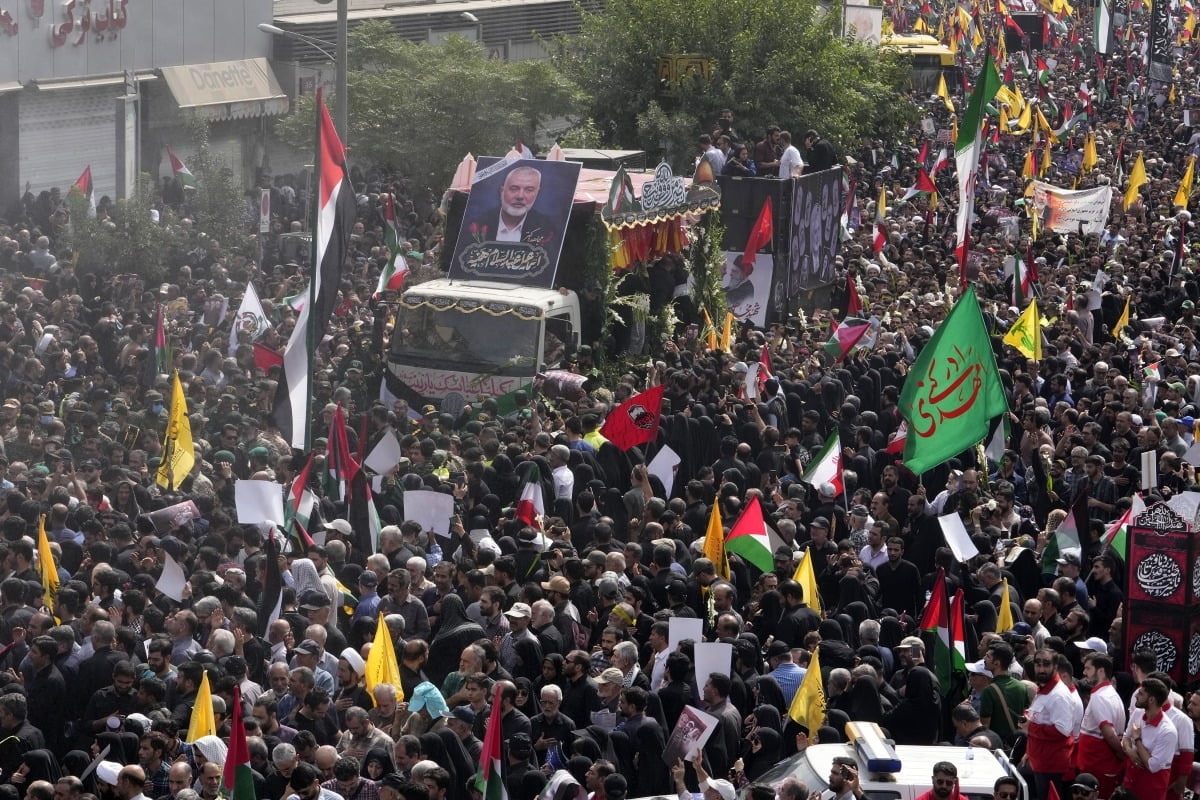
U.S. Deploys Units Trained for Urban and Mountain Warfare—Target: Regime Holdouts
Recent U.S. force movements in the region align with that contingency. The U.S. sent a brigade combat team from the 82nd Airborne Division (about 3,000 troops) to the Israel‑Jordan area and a brigade combat team from the 10th Mountain Division (about 3,000 troops) to Erbil, Iraq—light infantry formations optimized for urban and mountain fighting.
They are supported by an armored cavalry regiment with M1A2 tanks and M2 infantry fighting vehicles, a field artillery brigade operating HIMARS, and a combat aviation brigade with Apache and Black Hawk helicopters. The Marine Corps has moved roughly 4,400 personnel from the 31st and 11th Marine Expeditionary Units—veterans of urban combat in Iraq and Afghanistan—aboard amphibious assault groups into CENTCOM’s area. Military analysts characterize this as the classic formation for clearing regime holdouts in cities and conducting stabilization operations alongside insurgent and civilian militias.
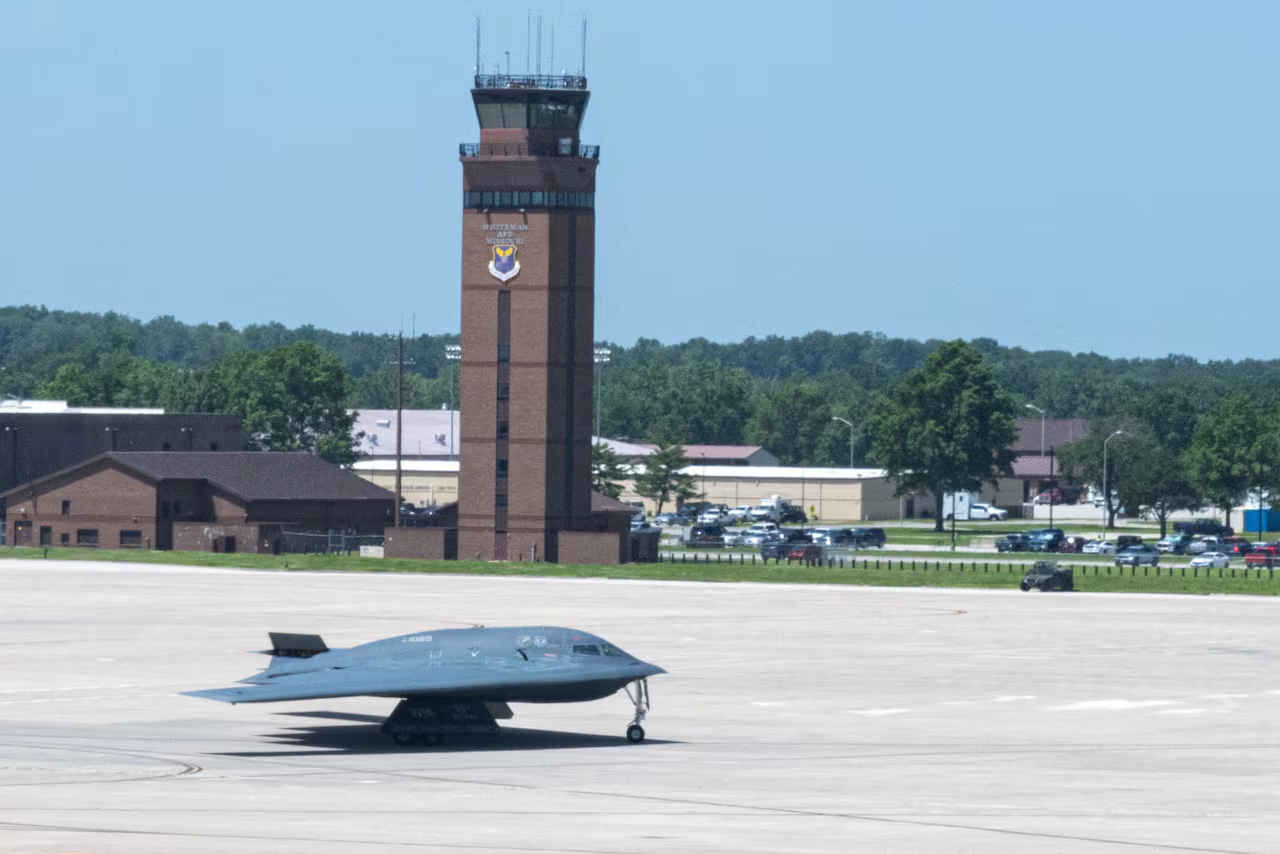
U.S. Airpower Shifts Toward Close Air Support, Not Strategic Bombing
The composition of U.S. air assets in the region has changed. Some F‑22s were pulled from Ovda Air Base and replaced by 36 A‑10C Warthogs for close air support. 6 AC‑130J Ghostrider gunships were deployed, and 12 Marine F/A‑18C fighters were forward-stationed in Jordan.
This mix prioritizes heavy, precise fire in support of friendly ground forces in urban and mountainous terrain rather than broad strategic bombing. The arrival of HC‑130J search‑and‑rescue and MC‑130J special‑operations aircraft at Al Udeid Air Base in Qatar appears aimed at recovering downed pilots and special‑operations teams during urban operations. Put simply, the U.S. posture looks designed to support an internal armed uprising militarily and to conduct stabilization operations to eliminate regime remnants.
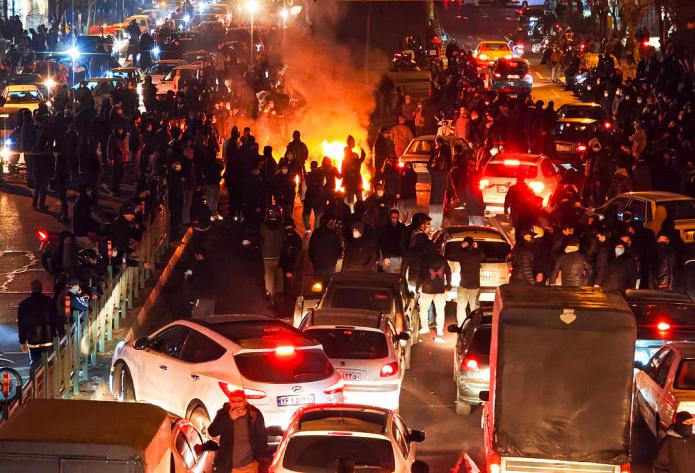
Large Forward Stockpiles: “At This Scale, It Looks Like a Prelude to War”
Sustained combat requires ammunition, fuel, spare parts and food. Flight‑tracking data show daily C‑17A and civilian 747‑400 cargo flights from the U.S. and Europe to the Middle East rose to about 10–17 flights per day since April. A C‑17A can carry roughly 70 tons, and a 747‑400 freighter can carry more than 110 tons—meaning hundreds to thousands of tons of materiel are arriving daily.
Analysts note that since the Gulf War, the U.S. has rarely forward‑deployed this volume of ammunition and supplies without seeing combat. If Washington and Tehran fail to reach a dramatic negotiated settlement, the conflict could shift from “bombing plus sanctions” to “internal uprising plus urban warfare,” analysts warn.










Most Commented