
Translation result
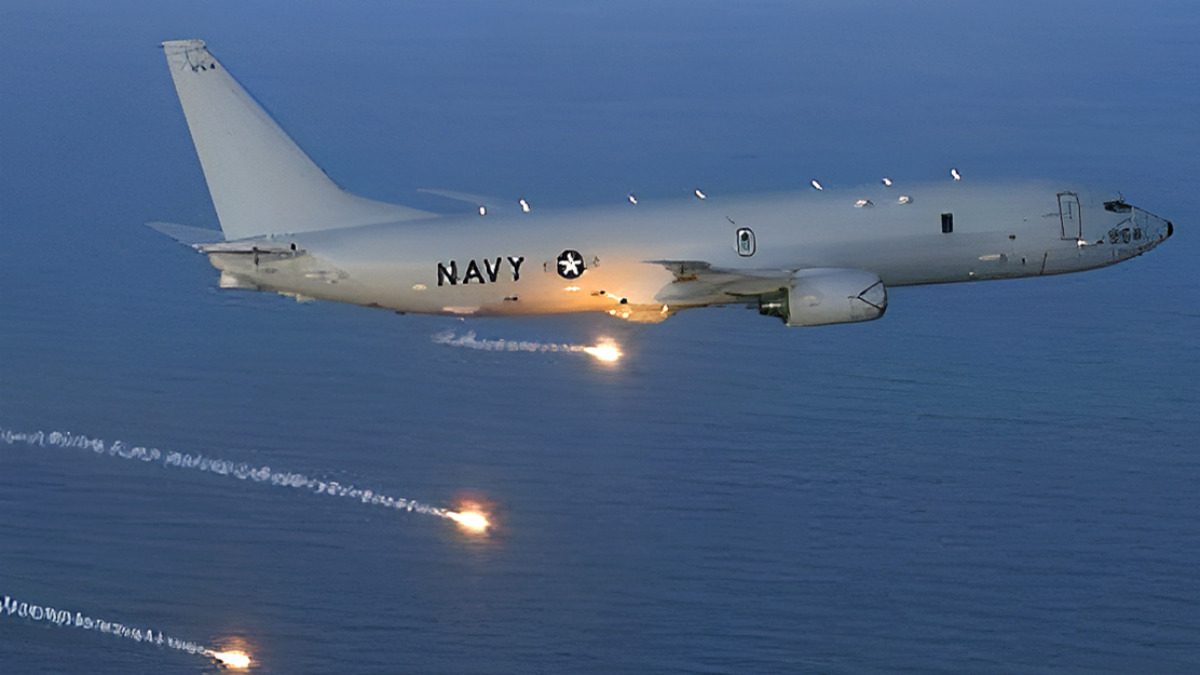
On May 27, the Royal Australian Air Force received the 14th and final P-8A Poseidon maritime patrol aircraft.
That delivery does more than add another airframe. It completes Australia’s planned maritime surveillance network and marks the end of a years‑long modernization effort.
The P-8A is a sophisticated platform that integrates anti‑submarine warfare, maritime strike, intelligence collection and reconnaissance capabilities in a single airframe.
For Australia—tasked with defending vast maritime approaches—the question isn’t only how many aircraft it owns, but how far and how continuously it can extend its surveillance coverage without gaps.
A key early‑warning asset guarding three vast seas
Geographically positioned at a strategic crossroads, Australia must monitor and help control the sensitive waters of the South China Sea, the Indian Ocean and the Pacific.
With an uptick in long‑range activity by the Chinese navy and an expanding submarine force, maritime patrol aircraft have evolved from pure reconnaissance platforms into central elements of deterrence.
The addition of the 14th airframe expands operational flexibility—providing breathing room for scheduled maintenance, crew training and mission rotations during contingencies.
Where earlier shortages risked coverage gaps, a 14‑aircraft fleet makes sustained patrols more feasible even during prolonged tensions at sea.
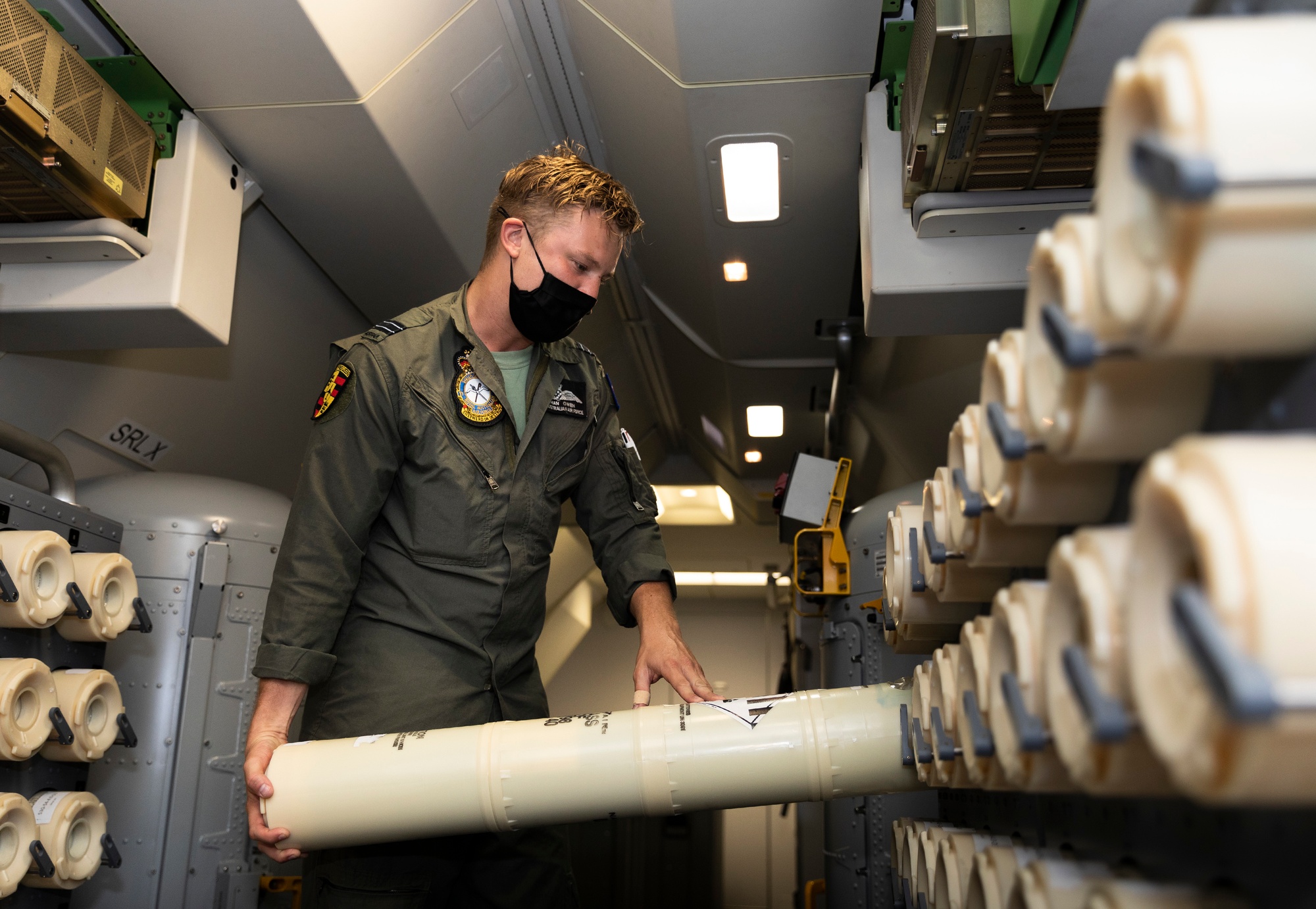
That said, more airframes alone won’t automatically scale surveillance capability. The P-8A uses the Boeing 737 commercial airframe, but its mission systems require highly trained specialists.
Operational effectiveness depends on pilot and crew proficiency, sustained engine‑maintenance capacity, and sufficient inventories of sonobuoys and anti‑submarine weapons.
Submarines operating in deep water are hard to spot from space; patrol aircraft must deploy sonobuoys and fuse acoustic and other sensor data to detect and track them.
Australia poised to become a key partner in global anti‑submarine operations
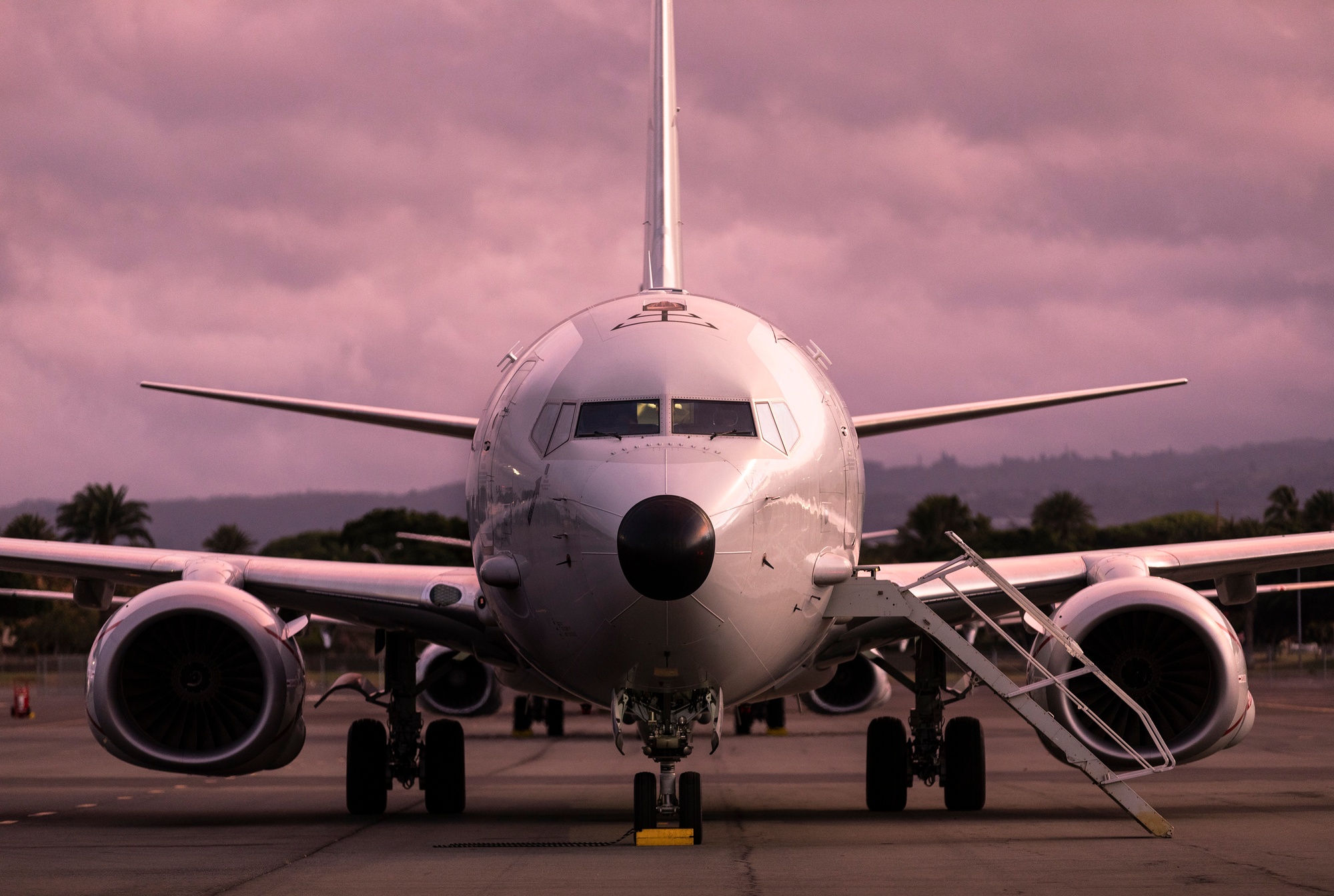
Allies including the U.S., U.K., New Zealand and India also operate the P-8A, which enhances interoperability for real‑time information sharing and joint exercises.
With a full 14‑aircraft fleet, Australia can assume a larger role in allied missions—from freedom‑of‑navigation patrols in the South China Sea to AUKUS cooperation and other coalition initiatives.
Long‑range airborne patrols let Canberra monitor distant waters in real time without needing to forward‑deploy expensive surface combatants every time.
The final delivery is a clear signal that Australia’s multi‑year upgrade of its maritime patrol network has reached its intended baseline capability.
Trending Now
- “We’ll track North Korean forces underwater to the end” — Defense Ministry unveils ‘Jangbogo‑N’ development plan
- “South Korea is Asia’s dagger aimed at China” — USFK commander’s remark sparks uproar
- “Concerns about reduced training vanished” — South Korea’s Air Force showcases live‑armament for the F‑35A and F‑15K










Most Commented