
Translation result
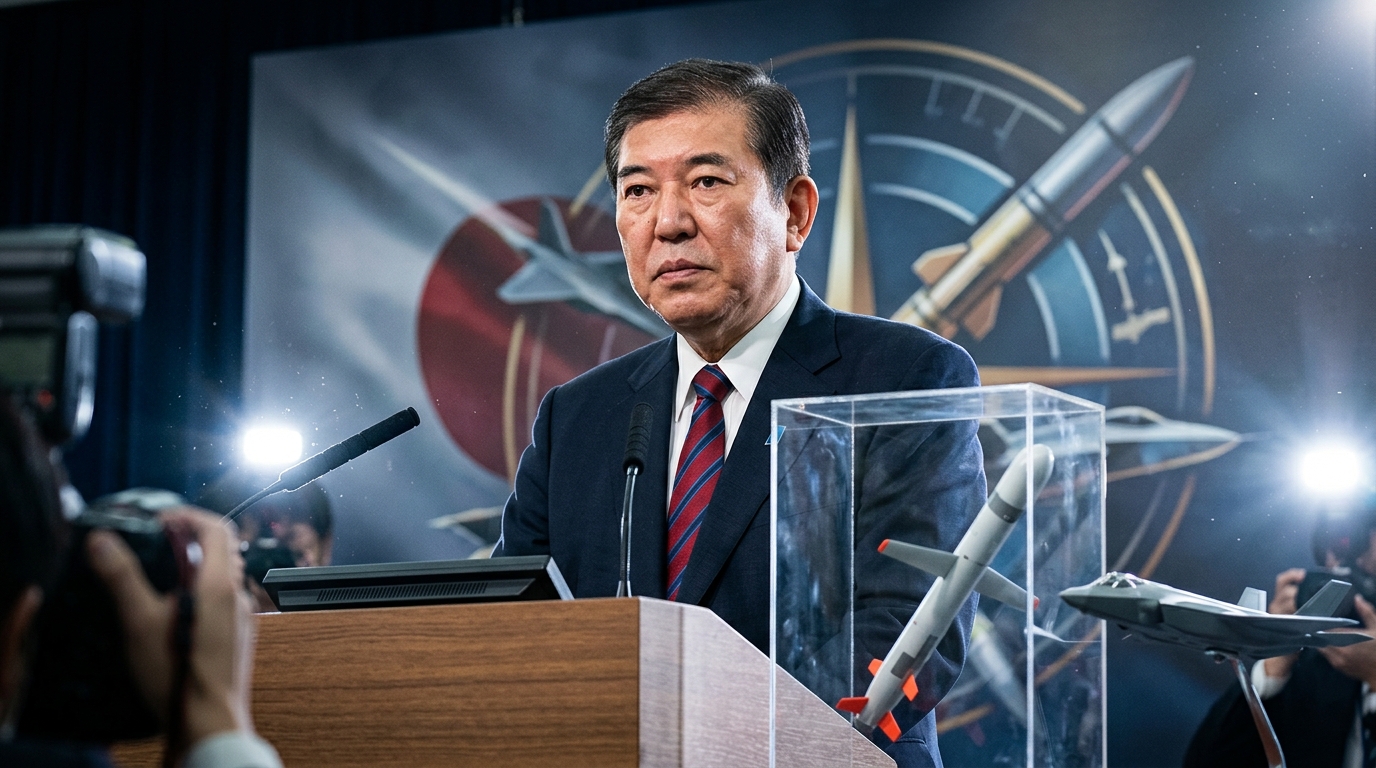
Japan’s postwar restraint has finally collapsed. In Stockholm International Peace Research Institute’s (SIPRI) 2025 military expenditure data, Japan recorded $62.2 billion — a 9.7% increase year‑on‑year — lifting defense spending to about 1.4% of GDP.
This is more than a budget uptick. It represents a breach of the informal “1% of GDP” ceiling Tokyo’s cabinet set in 1976 under the postwar pacifist framework. It is also the largest defense outlay in roughly 67 years, dating back to the early Cold War rearmament that followed the Self‑Defense Forces’ 1958 founding.
From Shield to Spear: Qualitative Shifts Present the Bigger Risk
More than the headline number, it’s how Tokyo plans to spend the money that matters. The government is directing the increase toward stand‑off strike capabilities — upgrading Tomahawk cruise missiles and enhanced variants of the Type 12 anti‑ship guided missile — alongside new Aegis‑equipped hulls and expanded unmanned systems. In short, the Self‑Defense Forces are rapidly shedding a six‑decade identity as a primarily defensive force.
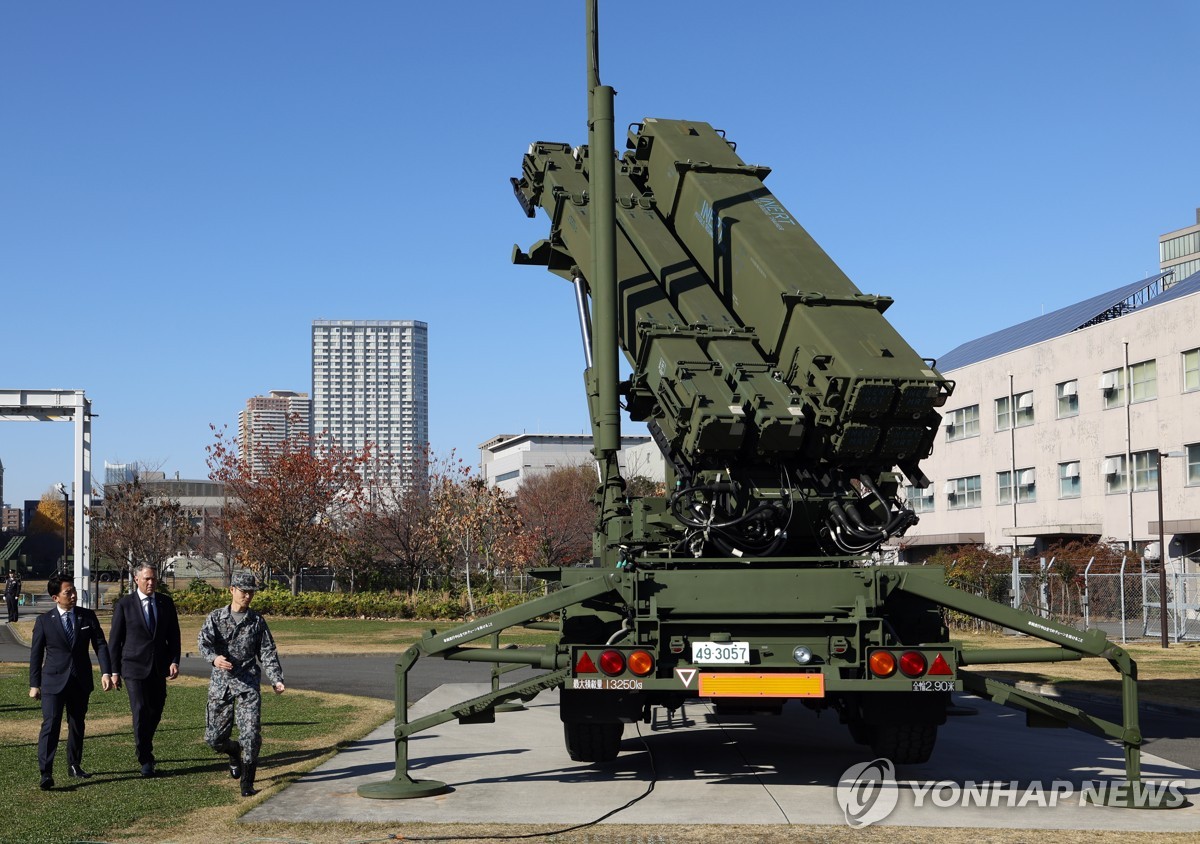
The shift from sustaining defensive networks to acquiring homeland‑strike capabilities alters the balance of power in Northeast Asia. Regional military spending in Asia and Oceania rose 8.1% to roughly $681 billion, but Japan’s 9.7% increase outpaced China (7.4%) and India (8.9%).
$47.8 Billion vs. $62.2 Billion — A Dual Shadow Over South Korea’s Defense Industry
South Korea’s 2025 defense budget held roughly steady at $47.8 billion, essentially flat year‑on‑year. As Japan pulls ahead by more than $14.4 billion and cements its position as the region’s No. 2 spender, Korea faces a comparatively stagnant phase.
From a deterrence perspective, Tokyo’s improved retaliatory capabilities can strengthen the trilateral deterrent among South Korea, the United States and Japan. For the ROK armed forces — which field world‑class conventional strike systems such as the Hyunmoo family (with ranges exceeding 800 km) — an ally capable of sharing the burden of countering North Korean threats is strategically welcome.
GCAP Export Approval Reorders the Global Arms Market
The competition has shifted to industry. Tokyo has paired higher defense spending with a major overhaul of its three principles on defense equipment transfers, loosening export restrictions. Most notably, it has cleared third‑country sales of the next‑generation fighter (GCAP) it is co‑developing with the UK and Italy.
That poses a direct challenge to South Korea’s defense exporters, which have gained market share in Poland, Australia and the Middle East on the strength of delivery speed and cost competitiveness. If Japan — backed by deeper capital, foundational science and close interoperability with the U.S. — actively contests Western procurement bids, Korean firms will face an unprecedentedly powerful rival.
Japan’s $62.2 billion defense bill in 2025 is not just a statistic. By shedding nearly seven decades of restraint, Tokyo has positioned itself as both a security partner for Seoul and a formidable competitor targeting the same export markets that underpin K‑defense’s growth.
Most Popular Now
- “As the world re-arms, South Korea’s top supplemental budget item is fuel subsidies — emergency defense funding is effectively absent”
- “The cost of higher defense spending: a 2.02 million‑ton carbon bill — military emissions erased 60% of the industry’s reduction target”
- “Preparing for the post‑Ukraine war era — experts warn North Korea could move toward a formalized alliance with Russia”










Most Commented