
Translation result
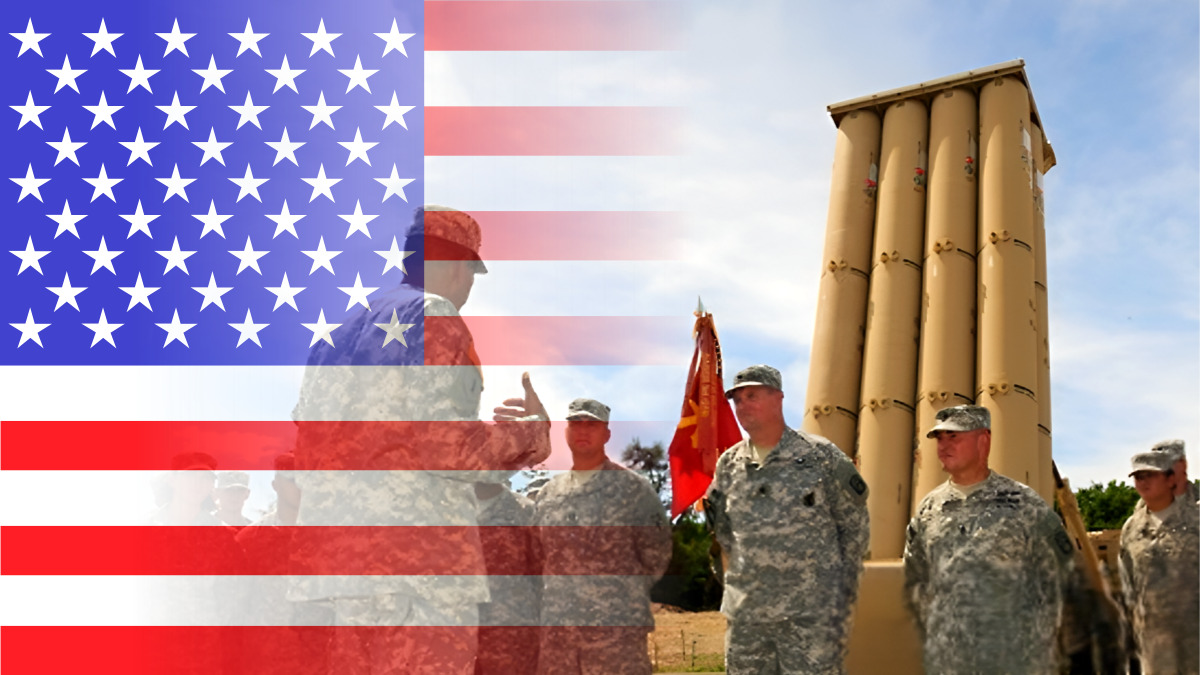
Guam — long regarded as a quiet Pacific resort and a secure rear base for U.S. forces — is fast becoming one of East Asia’s most dangerous geopolitical flashpoints.
The U.S. is investing heavily to rebuild Guam’s defenses, responding to a new generation of Chinese ballistic and hypersonic missile threats.
The move reflects a sober calculation: if Guam’s air defenses are breached, U.S. air and sea supply routes to the Taiwan Strait and the Korean Peninsula could be cut off.
The Pentagon’s Missile Defense Agency (MDA) recently approved a contract modification of $407.16 million with Lockheed Martin to develop and certify the Aegis Guam System.
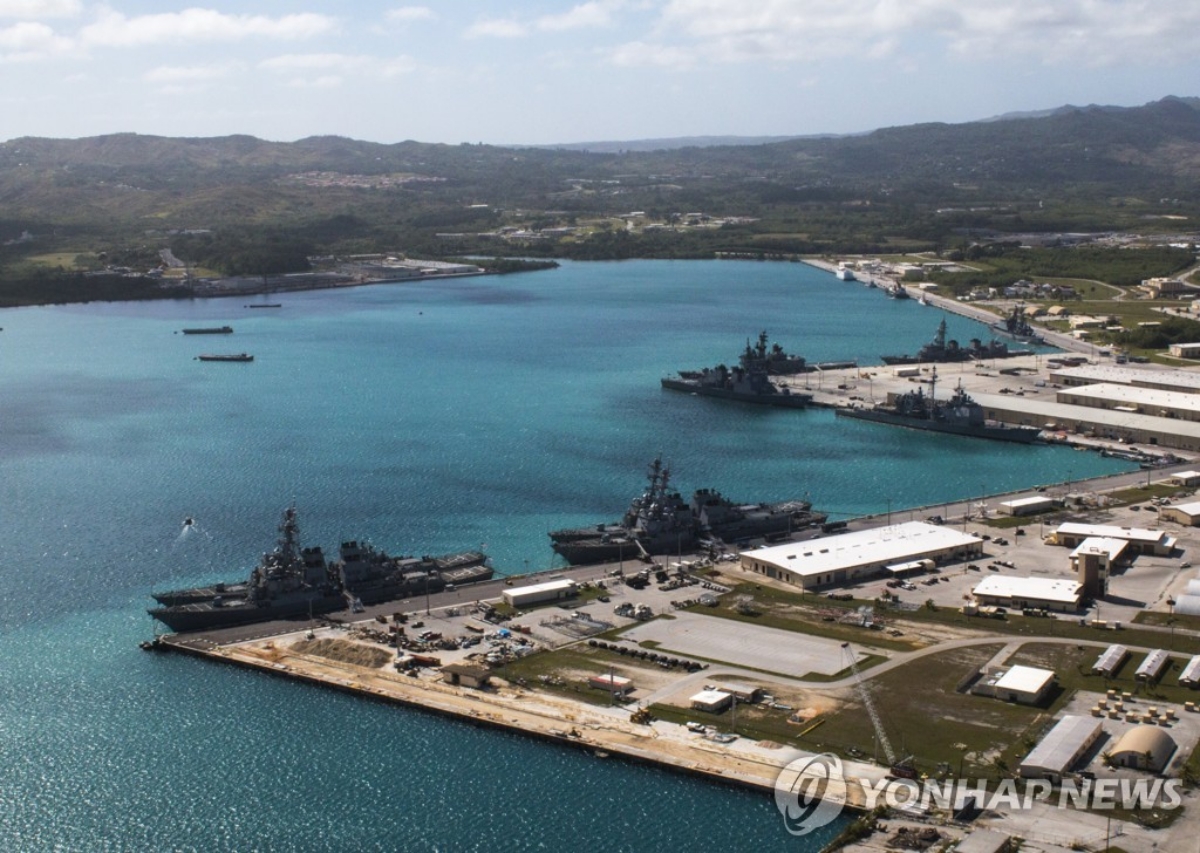
The contract change pushes the program’s cumulative value, now targeting completion in 2029, from roughly $1.528 billion to about $1.935 billion.
That sum translates to roughly 2.6 trillion KRW (approximately $1.95 billion) — a significant taxpayer investment concentrated on the defense of a single island in the middle of the Pacific.
Rear Bases Now the First Targets if War Breaks Out
The urgency to fortify Guam is driven by a rapid expansion of China’s missile capabilities.
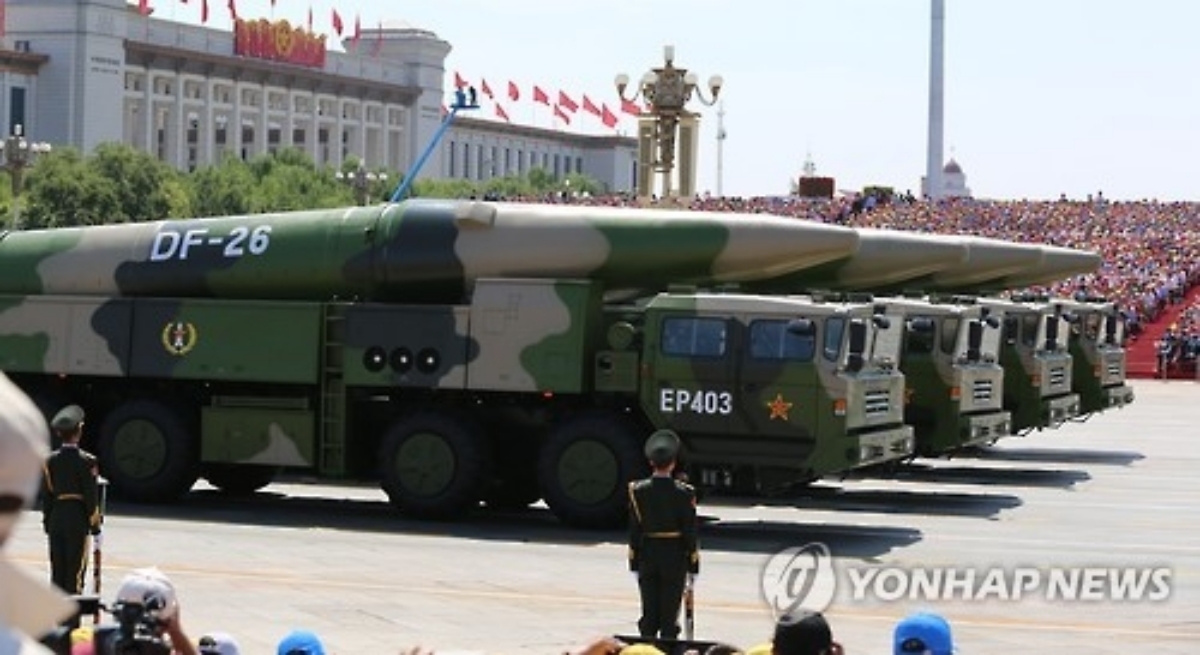
Once safely outside China’s strike envelope, Guam now lies within range of the DF-26 — nicknamed the “Guam killer” — and the DF-17 hypersonic glide vehicle.
U.S. analysts warn that, in a full-scale conflict, China would likely target Andersen Air Force Base and Apra Naval Base on Guam early to blunt U.S. retaliation.
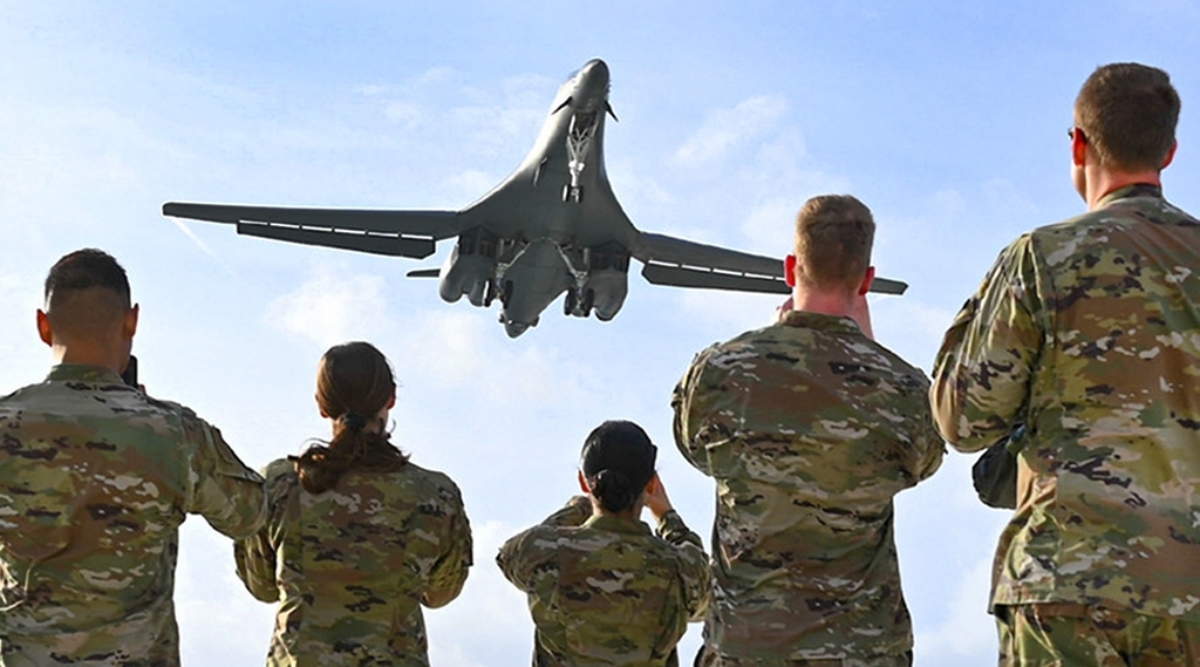
Guam is a launch hub for stealth fighters, B-1B strategic bombers and nuclear-powered submarines. An initial strike that disables those facilities would severely degrade U.S. operations across the Pacific.
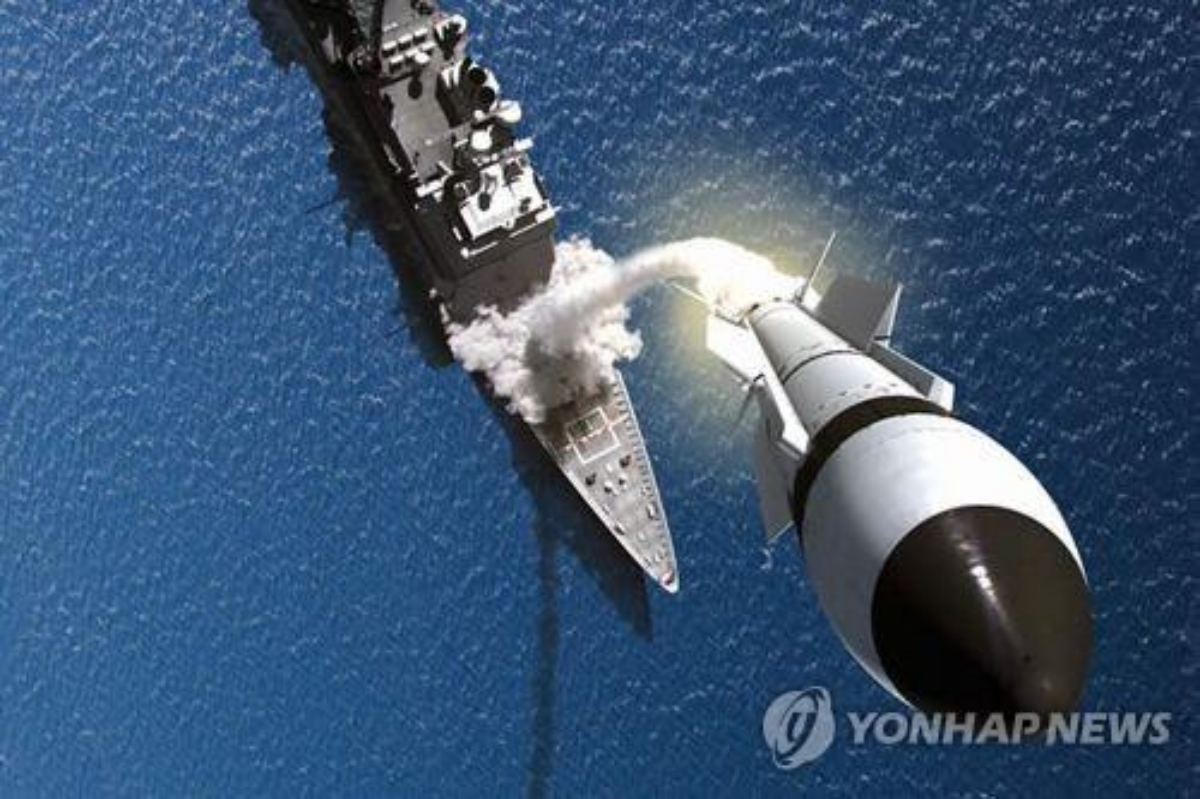
U.S. officials concluded a single interceptor can’t handle the volume and variety of trajectories Chinese missiles could present. The Aegis Guam effort, led by Lockheed Martin, is designed to be more than a single radar site.
It links multiple layers — SM-3 interceptors for exoatmospheric threats, THAAD for high-altitude defense, and lower-altitude systems such as the SM-6 and Patriot (PAC-3) — into a unified command-and-control network. The goal is a dense, 360-degree, multi-layered shield.
Guam’s Survival: The Lifeline for Reinforcements to the Korean Peninsula
Changes to Guam’s security posture have direct implications for the Korean Peninsula.
In a peninsula contingency — such as a major North Korean provocation — the U.S. would need to stage large reinforcements and forward strategic assets. Guam is a primary staging area and logistics hub; it’s the air and sea bridge that supports South Korea.
If Aegis Guam deployment is delayed or Guam’s defenses are overwhelmed by an intense Chinese salvo, strategic bombers destined to support U.S. forces in South Korea could be unable to launch or forced to withdraw from the island.
In short, the survivability of U.S. reinforcement forces — a central pillar of peninsula defense — depends heavily on the strength of Guam’s shield.
Behind the announcement of this roughly 2.6 trillion KRW (approximately $1.95 billion) program lies a stark military reality: rear bases have become front-line targets, and the U.S. must weigh complex calculations to safeguard allied security.











Most Commented