George Will, Washington Post columnistAging aircraft and a shortfall of roughly 2,000 pilots have exposed deep weaknesses in the U.S. defense industrial base. The Iran campaign demonstrated the power of air strikes against critical facilities, but it also underscored that the Air Force must bolster its capabilities to reduce reliance on ground forces.The B-52, the Air Force’s workhorse strategic bomber, earned its reputation in Vietnam and has been prominent again in the Iran operations. Of the 76 B-52s currently in the fleet, even the newest was built in 1962. War Zone reporter Joseph Trevithick notes that the Pentagon plans to operate the type through 2050—by then the newest airframe will be 88 years old. The Air Force has upgraded B-52s repeatedly and is fitting new engines and avionics, but airframes will ultimately reach the end of their service lives.David Deptula, director of the Mitchell Institute for Aerospace Studies, warned in an op-ed that much of the Air Force’s combat, bomber, and trainer inventory was designed and built before the internet. Ten aircraft types that first flew more than 50 years ago—more than 2,600 airframes—now represent roughly two-thirds of the service’s inventory. Former Defense Secretary Robert Gates has warned that “our Air Force’s size has stalled.”The situation is more acute than those numbers suggest. Since Operation Desert Storm in 1991, fighter squadrons have fallen from 134 to 56. Fighter pilots’ average monthly flight hours have dropped from 22.3 to under 10. The average operational age of fighters has climbed from 9.7 years to 30.3 years. Even the advanced trainer the Air Force highlights first flew in 1959, during the Eisenhower administration.The Iran campaign also exposed the fragility of U.S. weapons stockpiles. Mackenzie Eaglen, a senior fellow at the American Enterprise Institute, estimates U.S. forces expended more than 1,000 Tomahawk cruise missiles in a matter of weeks. At current production rates of roughly 90–100 Tomahawks per year, she cautions it would take about a decade to replenish that inventory unless production ramps up dramatically. China and Russia have taken note of how difficult it is to surge advanced-weapons production quickly.A 2024 Defense Strategy Board report described today’s security threats as the most severe since 1945 and warned of the possibility of a short-notice, large-scale war. Deptula argues the Air Force is the most aged and reduced in size since it became a separate service in 1947 and is not prepared to deter—or win—a major conventional conflict.Pilot shortages remain chronic. The Air Force is more than 2,000 pilots short of its authorized requirement. Heather R. Penney, a senior fellow at the Mitchell Institute, says the service has failed over the past two decades to improve retention meaningfully. She rejects the notion that unmanned systems can replace pilots, arguing that no algorithm or software can substitute for the human creativity, initiative, and judgment required under the fog and friction of combat.The Iran campaign showed air power alone cannot achieve objectives such as regime change. Still, it helped the U.S. pursue a political aim: degrading Iran’s ability to threaten other countries. The Institute for the Study of War concluded that U.S. and Israeli operations seized air superiority over Iranian airspace within 72 hours—an outcome aided by Israeli precision strikes against Iran’s air-defense radar network in April and October 2024.Iran’s missile capability comprises not only missiles and launchers but also personnel, communications and computer networks, and production and logistics facilities. U.S. strikes destroyed at least 69 facilities tied to missile, warhead, and explosive production—including ball-bearing plants that are critical to guidance systems—and more than 11 research-and-development sites. Rebuilding that industrial base will take years, and those effects were achieved without committing a single U.S. ground troop.With major powers increasingly assuming a baseline of peace and political leaders intent on avoiding casualties, the Air Force must be able to carry out a wider range of missions to help minimize future ground-force losses. Strengthening that capability is an urgent strategic priority.


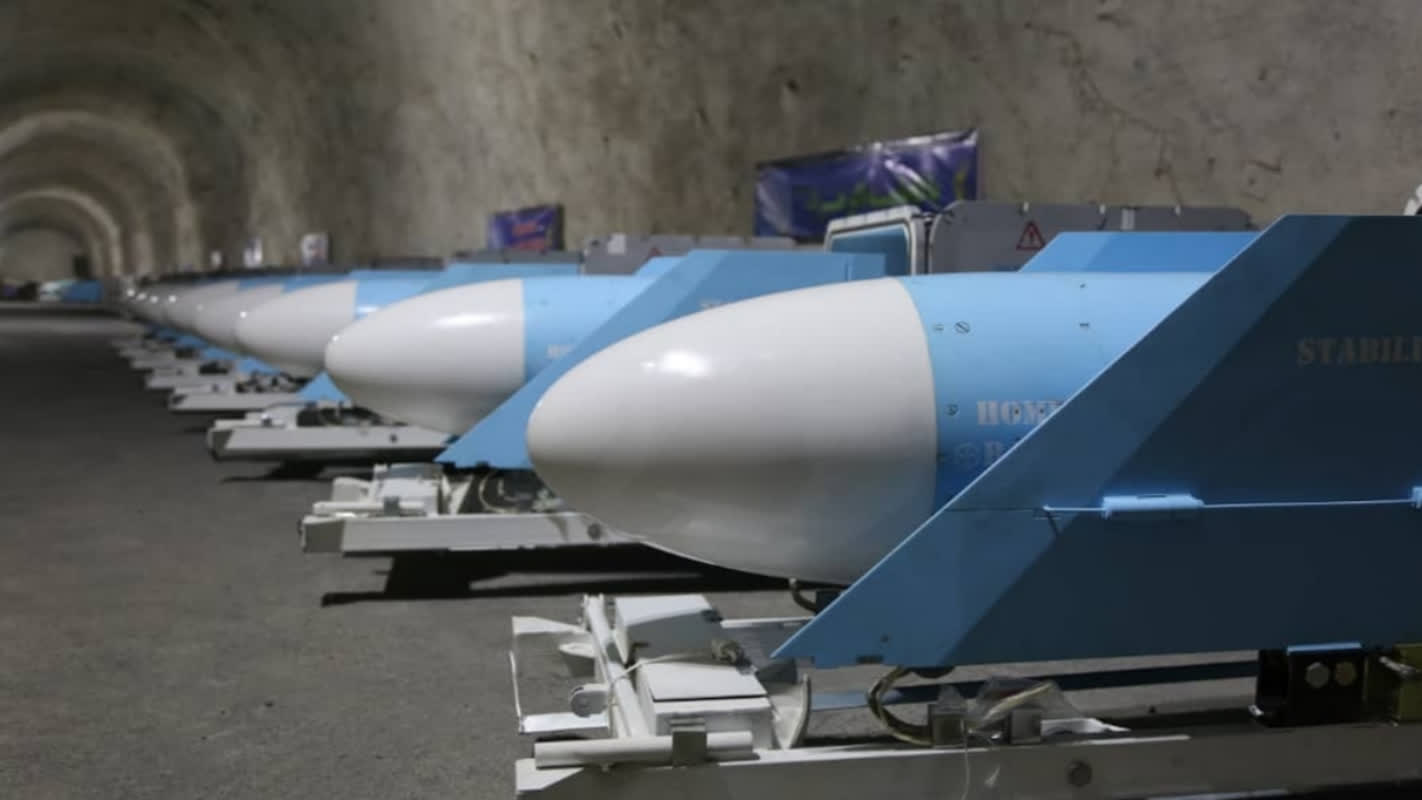 30 of 33 Iran Missile Bases Still Active: Intelligence Defies Trump Claims
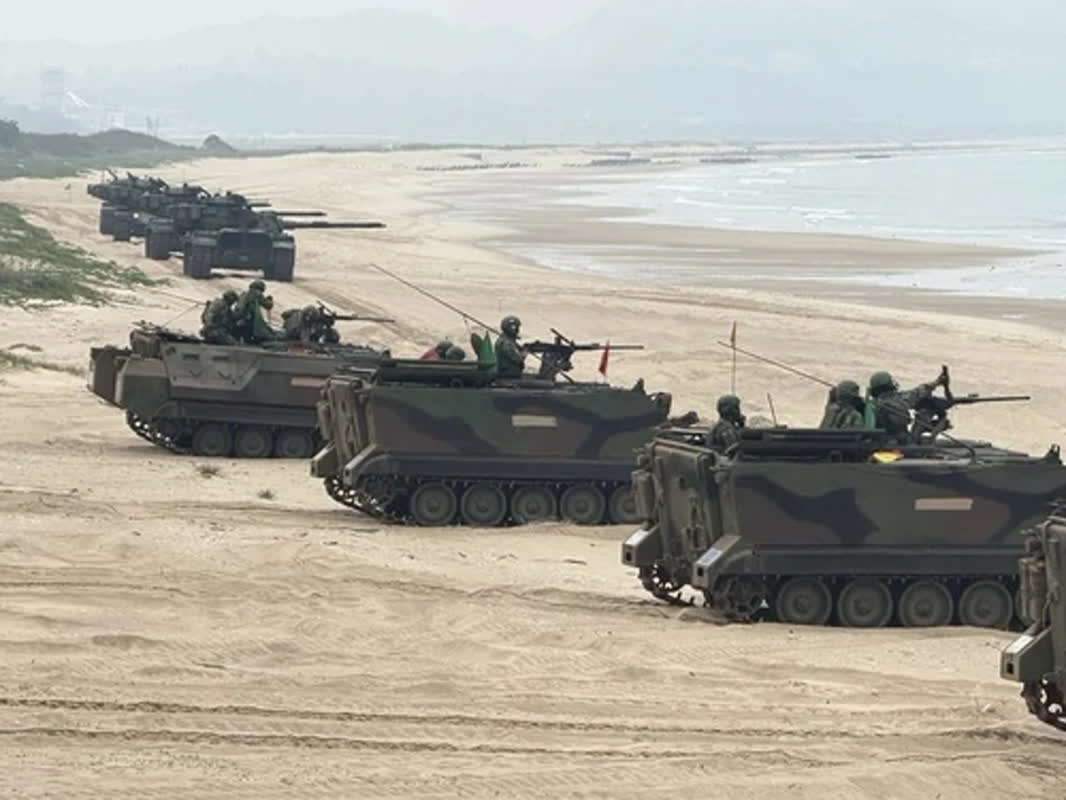 US Javelin Missiles Deployed in Taiwan's High-Stakes Live-Fire Drill
 North Korea's 10-Year Nuclear Threat: Is a Limited Strike Imminent?
 AI vs. Video Compression: How RMX is Redefining Tactical Edge Tech
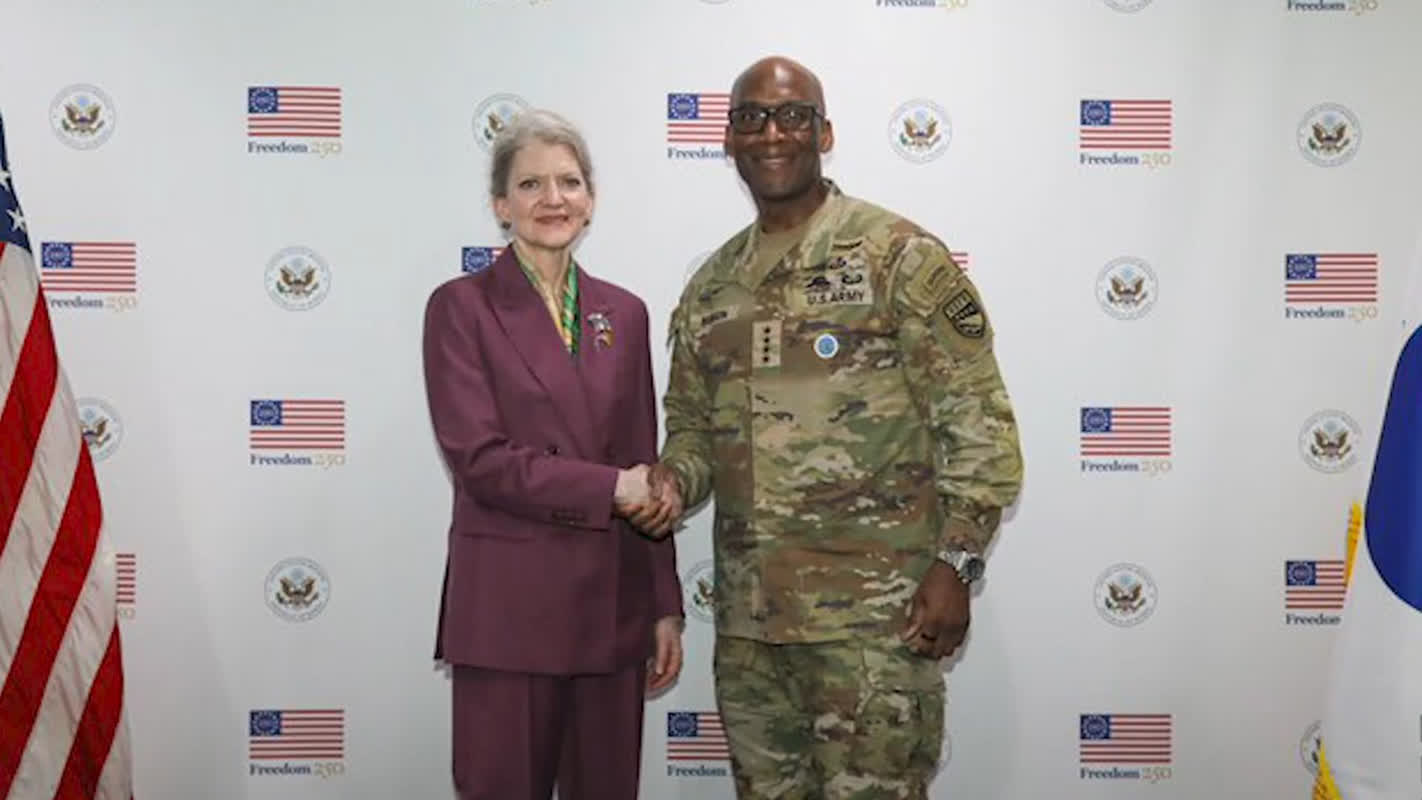 US-South Korea Security Meeting Sparks Tension Over Military Control
 Iran Claims Missile Strikes on U.S. Military Bases: Did They Hit?








Most Commented