
Quick access to main page (top) Direct access to main contents Quick access to main page (bottom)

1,000 Radars Delivered: How the F-16’s New ‘Eyes’ Change the Game

Daniel Kim Views  

Translation result

드론
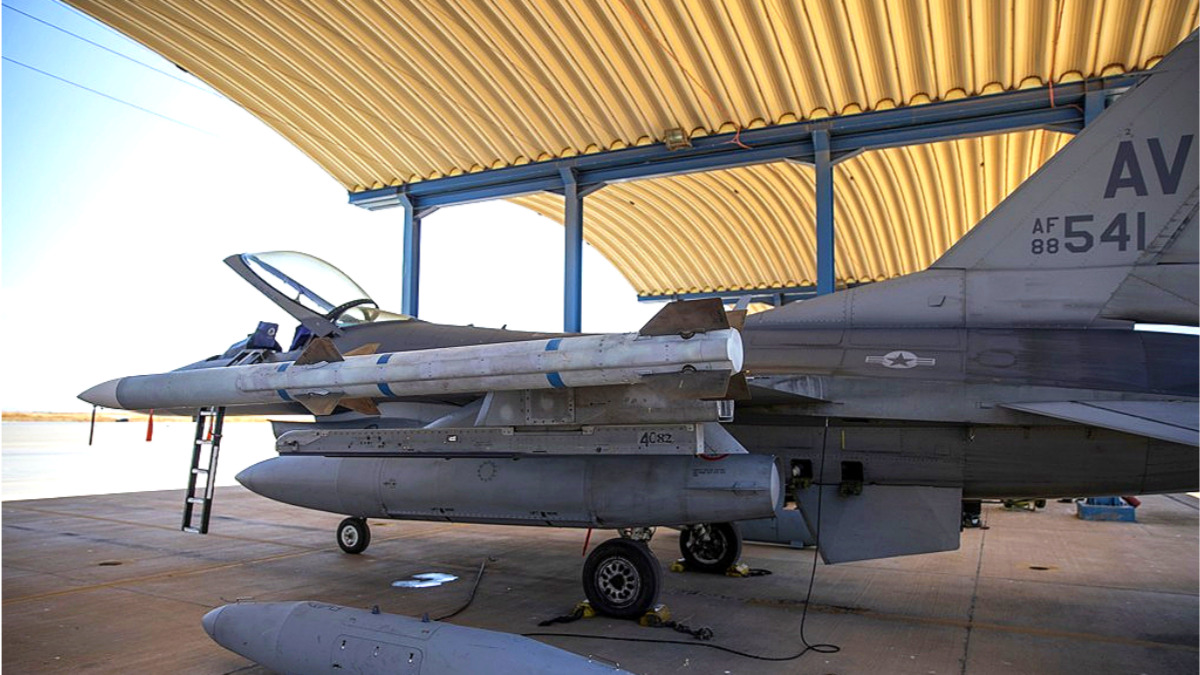
F-16 / Source: Yonhap News

Foreign media are reporting that the APG-83 AESA radar for the F-16 has reached its 1,000th delivery. To most observers it looks like a simple parts swap on an older fighter.

The operational impact, however, is substantial. In modern aerial combat, the side that detects and identifies the threat first — and can shoot first — typically gains the decisive advantage.

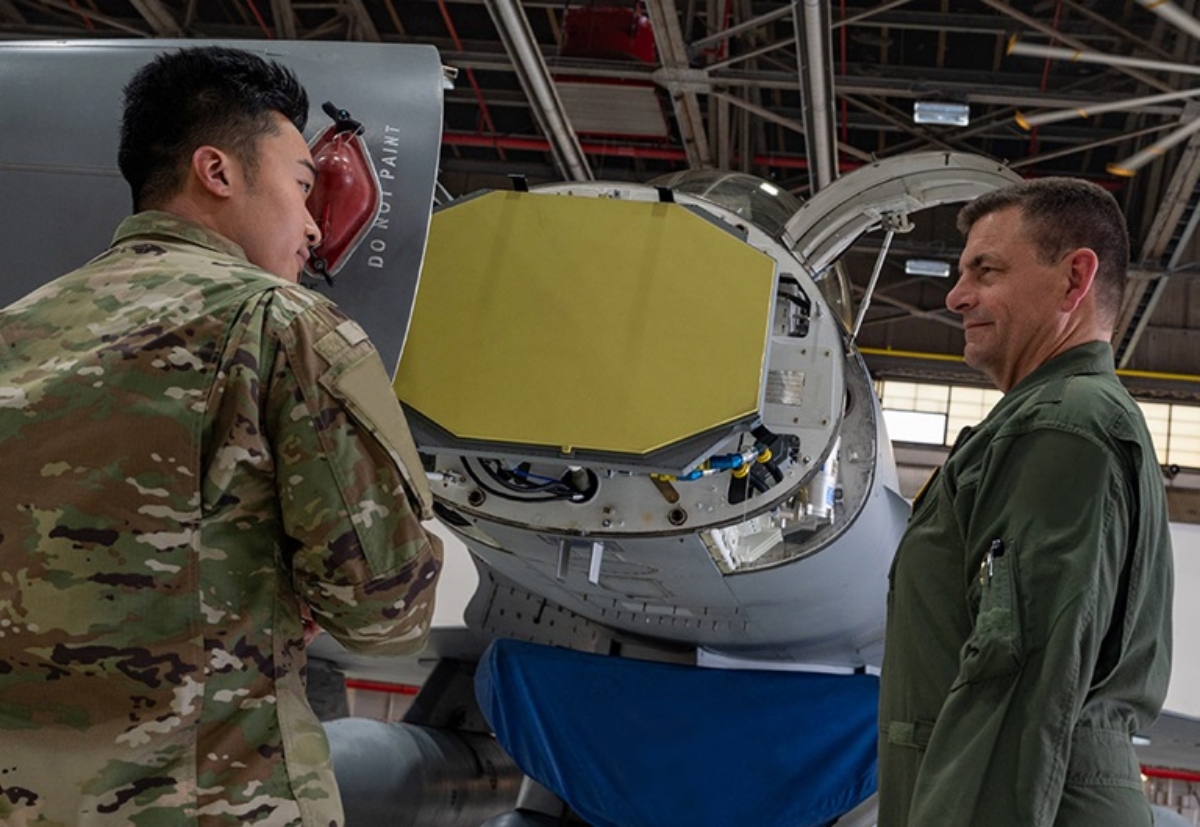
Unlike mechanically scanned radars that steer antennas, AESA systems steer beams electronically. That enables much faster retargeting and the concurrent tracking of multiple contacts.

For pilots, that means smoother displays and precious extra seconds to assess threats and make decisions.
드론
APG-83 AESA / Source: Northrop Grumman

The upgrade builds on technologies pioneered for high-end stealth fighters such as the F-22 and F-35. It won’t turn a non‑stealth F-16 into an invisible aircraft.

What it does do is improve mid‑range fire-control accuracy and deliver high‑resolution imagery of distant ground targets, enhancing situational awareness and targeting.

A More Realistic Choice Than Buying New Fighters

Many countries want F-35s, but high acquisition costs and production backlogs make immediate procurement difficult.

Upgrading an F-16’s radar and mission computer offers a pragmatic, near‑term solution. It preserves trained pilots and existing maintenance infrastructures while boosting combat capability.
드론
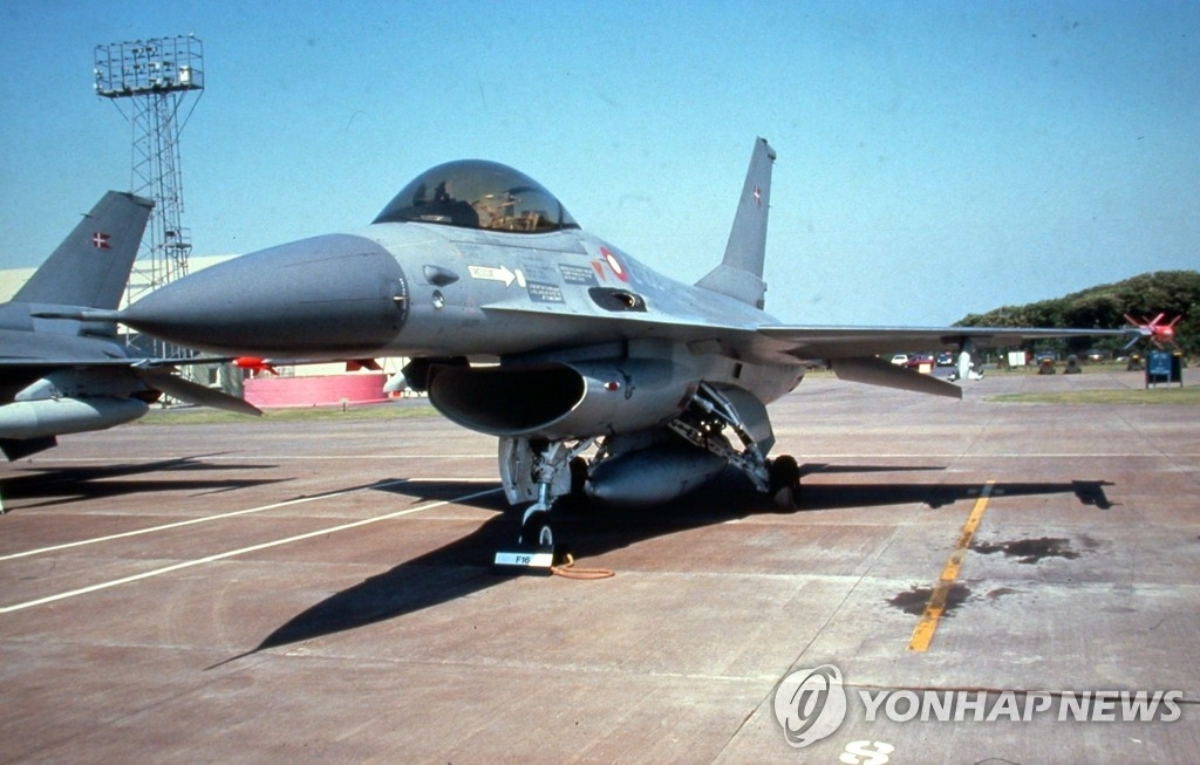
F-16 / Source: Yonhap News

Taiwan, the Philippines and several Eastern European nations are pursuing the upgrade to close capability gaps while they wait for new fighters to arrive.

When modern fighters are scarce, giving legacy jets a new “eye” is often the fastest, smartest way to sustain combat power.

That said, a radar swap alone isn’t a cure‑all. Cockpit displays, datalinks, electronic warfare systems and mission software must be integrated for the upgrade to reach its full potential.

A Common Language for Allied Air Forces

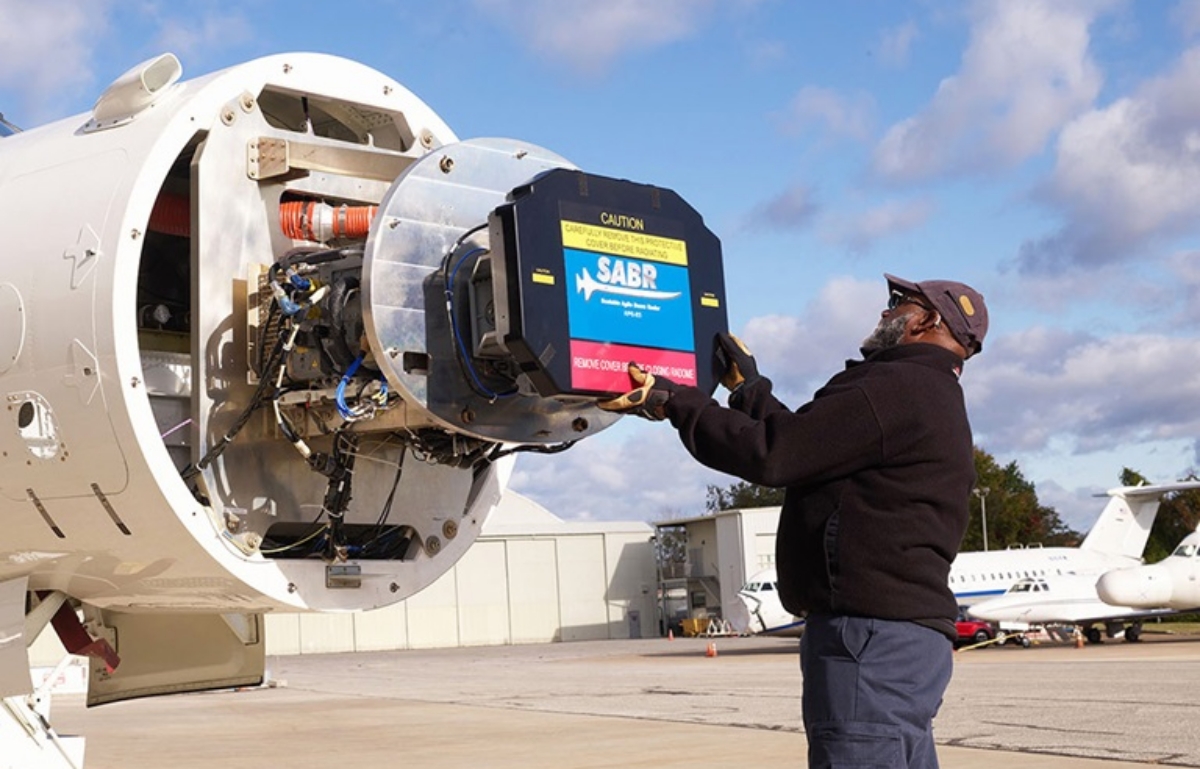
Wider adoption of the APG‑83 matters because it helps U.S. and allied air forces speak the same sensor language. Common systems simplify the exchange of target data and shared situational awareness.
드론
APG-83 AESA / Source: Northrop Grumman

When sensor-performance gaps shrink in large multinational exercises, mixed formations can operate like a single, tightly woven surveillance network.

But competitors such as China and Russia aren’t standing still. They are fielding more capable jammers and longer‑range missiles to blunt the radar’s advantages.

A superior radar is only the start. Pilots, tacticians and electronic warfare specialists must be trained to interpret the data quickly and to employ emission‑control tactics when needed.

Ultimately, the APG‑83 buys time while forces wait for costly new fighters. For air forces that need aircraft ready to fly today, it provides the most practical deterrent.

Trending Now

  • “They finally found a way to stop drone swarms” — U.S. Navy’s official sortie sends shockwaves worldwide
  • “Even if North Korea destroys all the roads, it won’t matter” — Monster helicopter undermines front and rear defenses; South Korea orders more
  • “We don’t know where it came from” — U.S. Special Ops’ weapon fools enemy air defenses, surprising observers
Daniel Kim
content@tenbizt.com

Comments0

300

Comments0

[Military] Latest Stories

  • 30 of 33 Iran Missile Bases Still Active: Intelligence Defies Trump Claims
    30 of 33 Iran Missile Bases Still Active: Intelligence Defies Trump Claims
  • US Javelin Missiles Deployed in Taiwan’s High-Stakes Live-Fire Drill
    US Javelin Missiles Deployed in Taiwan's High-Stakes Live-Fire Drill
  • North Korea’s 10-Year Nuclear Threat: Is a Limited Strike Imminent?
    North Korea's 10-Year Nuclear Threat: Is a Limited Strike Imminent?
  • AI vs. Video Compression: How RMX is Redefining Tactical Edge Tech
    AI vs. Video Compression: How RMX is Redefining Tactical Edge Tech
  • US-South Korea Security Meeting Sparks Tension Over Military Control
    US-South Korea Security Meeting Sparks Tension Over Military Control
  • Iran Claims Missile Strikes on U.S. Military Bases: Did They Hit?
    Iran Claims Missile Strikes on U.S. Military Bases: Did They Hit?

Weekly Best Articles

  • Choi Dong-seok’s Family Bond: How a Simple Engraving Reveals Deep Love for His Children
  • Kwak Sun-hee’s Stunning Wedding Photos: A Celebration of Love and Courage
  • Is ‘I Am a Natural Person’ Just a Big Lie? Comedian Yoon-taek Reveals Shocking Secrets!
  • Health Scare: Why Fans Are Worried About Go Ji Yong’s Dramatic Weight Loss
  • Discover the Winter Gongju Chestnut Festival: A Taste of Korea at H-Mart in the USA!
  • 2026 Spring Wildfire Prevention: How Gyeryong City is Cutting Response Time to 30 Minutes!

You May Also Like

  • 1
    Trump Slashes AI Review Window to 30 Days Amid National Security Debate

    Politics 

    Trump Slashes AI Review Window to 30 Days Amid National Security Debate
  • 2
    Ukraine’s EU Bid Surges as Hungary Drops Opposition Amid Russian Attacks

    Politics 

    Ukraine’s EU Bid Surges as Hungary Drops Opposition Amid Russian Attacks
  • 3
    Trump Backs Colombia's 'El Tigre' — What It Means for U.S. Relations

    Politics 

    Trump Backs Colombia’s ‘El Tigre’ — What It Means for U.S. Relations
  • 4
    Trump Backs Colombia's Far-Right Outsider—What's at Stake?

    Politics 

    Trump Backs Colombia’s Far-Right Outsider—What’s at Stake?
  • 5
    12.5% Tariff Hit: South Korea Faces New U.S. Trade Penalties

    Politics 

    12.5% Tariff Hit: South Korea Faces New U.S. Trade Penalties

Popular Now

  • 1
    12.5% Tariff Alert: Why the U.S. Is Targeting South Korean Imports

    Politics 

  • 2
    Marta Kostyuk Makes History at French Open Amid Ukraine Crisis

    Politics 

  • 3
    37 Years in Exile: The Tiananmen Leader Who Just Wants to Go Home

    Politics 

  • 4
    South Korea's Cheongju Airport Faces Crisis as Passenger Numbers Explode

    Politics 

  • 5
    Nuclear Submarine Race: South Korea's High-Stakes Bid for U.S. Fuel

    Politics 

Weekly Best Articles

  • Choi Dong-seok’s Family Bond: How a Simple Engraving Reveals Deep Love for His Children
  • Kwak Sun-hee’s Stunning Wedding Photos: A Celebration of Love and Courage
  • Is ‘I Am a Natural Person’ Just a Big Lie? Comedian Yoon-taek Reveals Shocking Secrets!
  • Health Scare: Why Fans Are Worried About Go Ji Yong’s Dramatic Weight Loss
  • Discover the Winter Gongju Chestnut Festival: A Taste of Korea at H-Mart in the USA!
  • 2026 Spring Wildfire Prevention: How Gyeryong City is Cutting Response Time to 30 Minutes!

Must-Reads

  • 1
    Trump Slashes AI Review Window to 30 Days Amid National Security Debate

    Politics 

    Trump Slashes AI Review Window to 30 Days Amid National Security Debate
  • 2
    Ukraine’s EU Bid Surges as Hungary Drops Opposition Amid Russian Attacks

    Politics 

    Ukraine’s EU Bid Surges as Hungary Drops Opposition Amid Russian Attacks
  • 3
    Trump Backs Colombia's 'El Tigre' — What It Means for U.S. Relations

    Politics 

    Trump Backs Colombia’s ‘El Tigre’ — What It Means for U.S. Relations
  • 4
    Trump Backs Colombia's Far-Right Outsider—What's at Stake?

    Politics 

    Trump Backs Colombia’s Far-Right Outsider—What’s at Stake?
  • 5
    12.5% Tariff Hit: South Korea Faces New U.S. Trade Penalties

    Politics 

    12.5% Tariff Hit: South Korea Faces New U.S. Trade Penalties

Popular Now

  • 1
    12.5% Tariff Alert: Why the U.S. Is Targeting South Korean Imports

    Politics 

  • 2
    Marta Kostyuk Makes History at French Open Amid Ukraine Crisis

    Politics 

  • 3
    37 Years in Exile: The Tiananmen Leader Who Just Wants to Go Home

    Politics 

  • 4
    South Korea's Cheongju Airport Faces Crisis as Passenger Numbers Explode

    Politics 

  • 5
    Nuclear Submarine Race: South Korea's High-Stakes Bid for U.S. Fuel

    Politics 

Share it on...










