
Japan’s Historic Military Shift: Long-Range Missiles and the 100 Trillion Won Defense Budget
Daniel Kim Views
Translation result
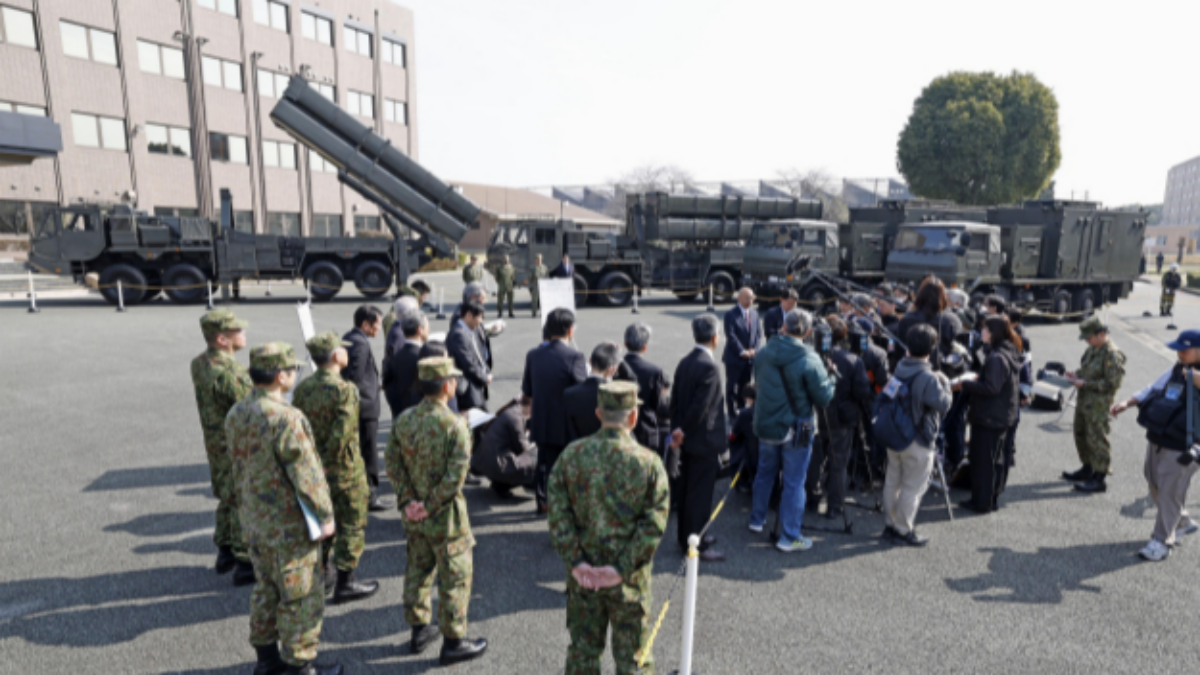
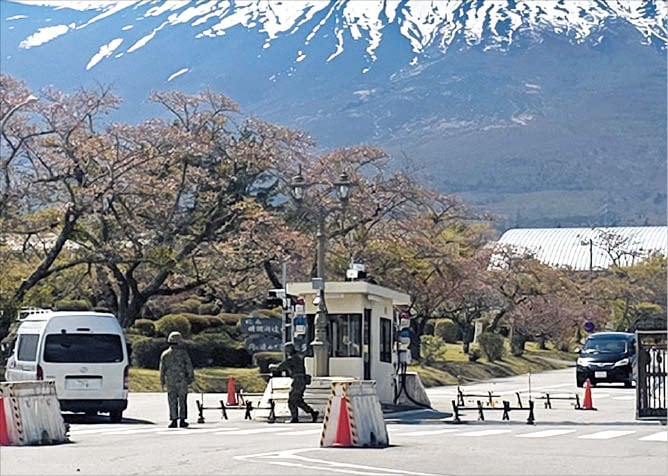
Japan rearming again from the foothills of Mt. Fuji
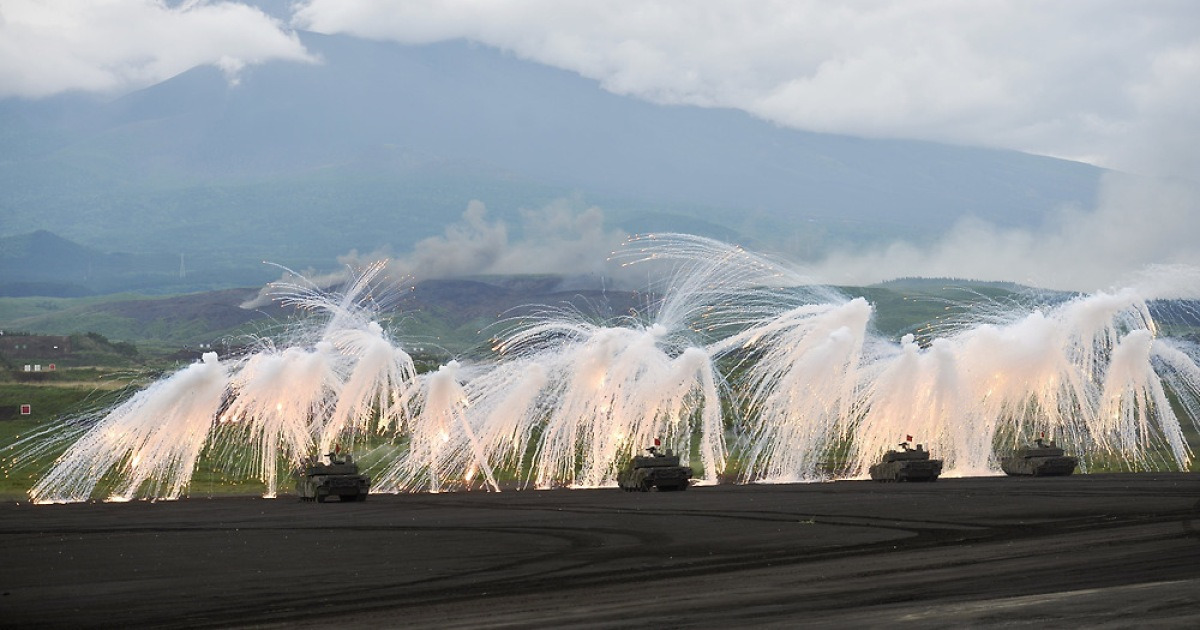
Japan has deployed its first postwar long-range missiles to the Ground Self-Defense Force’s Fuji garrison in Shizuoka Prefecture, at the foot of Mt. Fuji. Once viewed as emblematic of Japan’s postwar pacifist constitution, the area is now the frontline of a major shift in Tokyo’s defense posture. The government has openly signaled its intent to build forces closer to what it calls a “country that can wage war,” prioritizing long-range missiles and drone systems. Defense spending has swelled to roughly 100 trillion KRW (approximately $75 billion) a year—making rearmament tangible after eight decades.
Lifting the lethal-weapons ban and creating an intelligence agency accelerate Japan’s push toward militarization
Tokyo revised its “three principles on the transfer of defense equipment” to effectively permit exports of lethal weapons, rolling back a restriction that stood for more than six decades. The Lower House approved legislation to create a National Intelligence Agency—often described as a Japanese CIA—enhancing Tokyo’s intelligence and clandestine capabilities. Lawmakers are also moving to allow the transfer of surplus escort ships the SDF no longer needs to partners such as the Philippines and Indonesia at no cost. Officials frame the ship transfers as a way to strengthen allies near the South China Sea and the Taiwan Strait and to help deter China. The defense minister plans to visit Manila and Jakarta to sell defense and security packages directly.
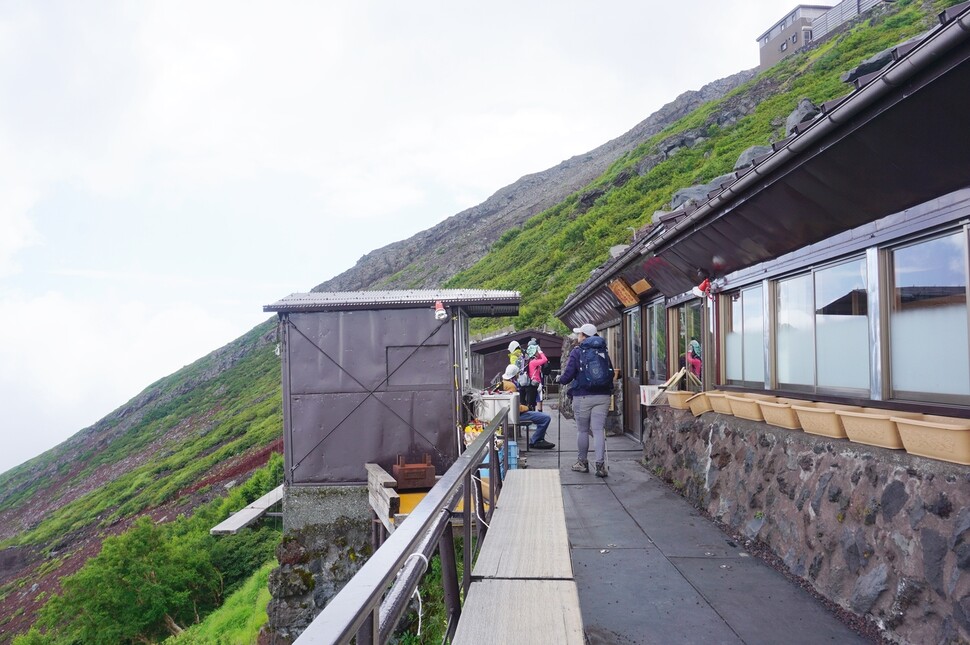
Mixed feelings among residents near Mt. Fuji
Residents of Oyama town and Gotemba city, near the Fuji garrison, have lived alongside the Self-Defense Forces for more than 70 years, but opinions split over the missile deployments. Older generations who lost family members in wartime express strong opposition to any missiles. Younger people worry that a posture framed as “deterrence” will simply make their towns targets. Meanwhile, many men in their 40s and 50s argue pragmatically that Japan needs credible means to stop threats after watching North Korean launches and China’s assertive moves. Across the spectrum, people accept the SDF’s presence but remain wary of a shift toward a more overtly offensive stance.
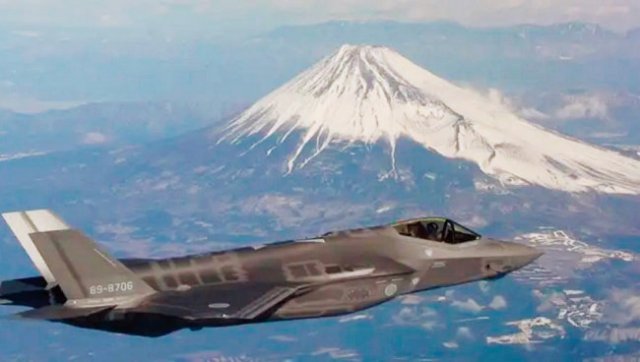
A 100 trillion KRW (approximately $75 billion) defense budget: how do you defend an island nation?
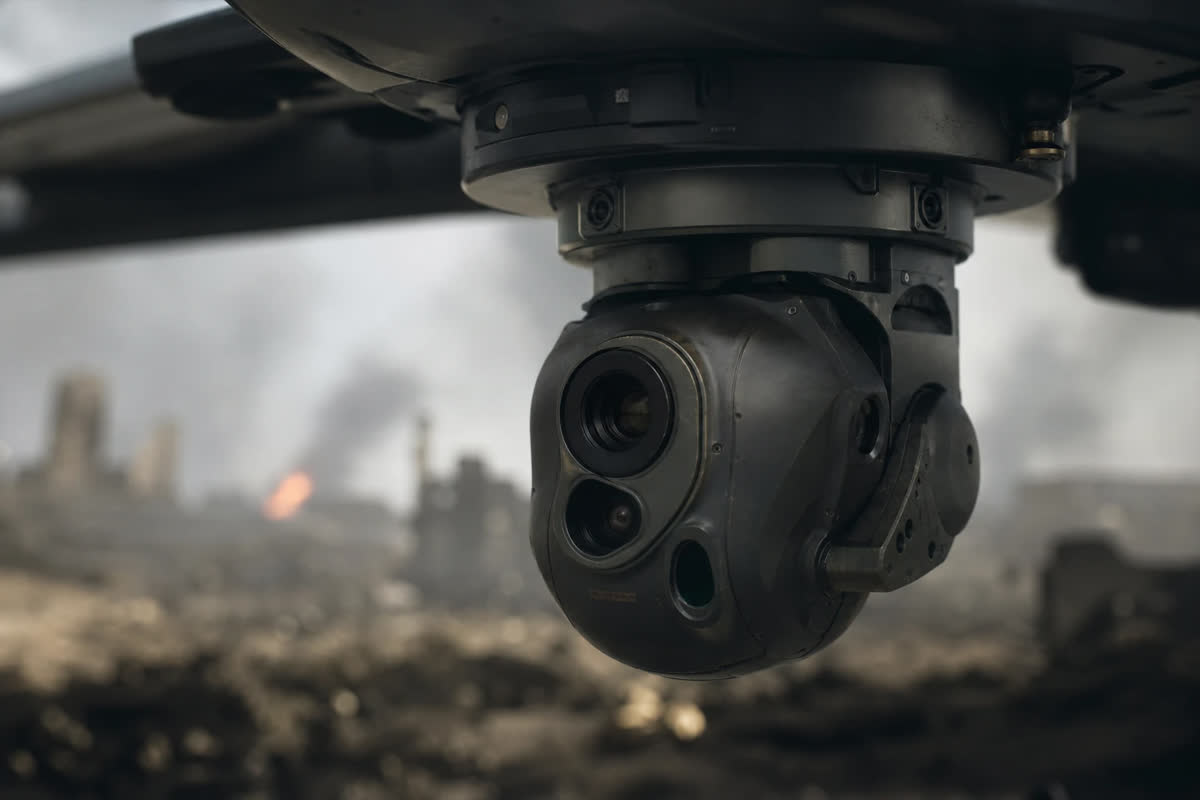
Tokyo’s central dilemma is practical: how to defend an archipelago of roughly 14,000 islands with limited personnel and budgets. The SDF fields about 220,000 personnel—below authorized levels and well under South Korea’s nearly 500,000 troops. To compensate, Japan is betting on systems that can strike before being struck and on unmanned platforms that reduce risk to personnel. The plan calls for deploying 1,000–2,000 km-range missiles across the home islands, on outlying islands and aboard Aegis-equipped ships to hold potential adversary missile bases at risk. At the same time, Tokyo is building a network of drones, unmanned surface vessels and unmanned ground vehicles on first-island-chain areas such as the Nansei Islands to detect and blunt approaching threats early.
Fuji garrison: long-range firepower plus an unmanned defense network
The Fuji garrison already hosts high-speed glide munitions with ranges of several hundred kilometers, and officials say they plan upgrades that would extend reach to roughly 2,000 km (about 1,240 miles). That capability signals more than passive defense; it gives Japan a retaliatory reach that could threaten maritime approaches and some targets inside neighboring countries. Linked with unmanned reconnaissance and strike platforms on outlying islands, the network would allow Tokyo to surveil and strike adversaries while minimizing risk to personnel. Tokyo allocated roughly 1 trillion KRW (approximately $750 million) this year—to accelerate unmanned aircraft procurement. Under that plan, the Fuji garrison is evolving from a training area into a key node in a nationwide long-range strike architecture.
From “Is the SDF unconstitutional?” to enshrining the SDF in the constitution
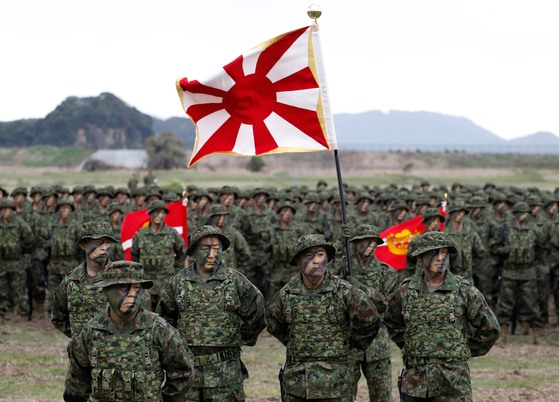
The final piece is the legal and psychological bolstering of Japan’s military. Article 9 of Japan’s pacifist constitution renounces war and bans maintaining armed forces, but the Self-Defense Forces have long occupied a gray zone—functionally legal yet constitutionally contested. The current government is pushing a constitutional amendment to explicitly recognize the SDF. Officials say the change would boost morale and clarify at home and abroad that Japan fields a regular military for defense. Taken together, the missile deployments and rearmament that began at the foot of Mt. Fuji mark the launch of a comprehensive Japanese rearmament effort—one that seeks to reshape budgets, forces, laws and public perception.











Most Commented