
UK Deploys Advanced Mine Detection Drones to Secure Hormuz: What This Means for Global Shipping
Daniel Kim Views
Translation result.
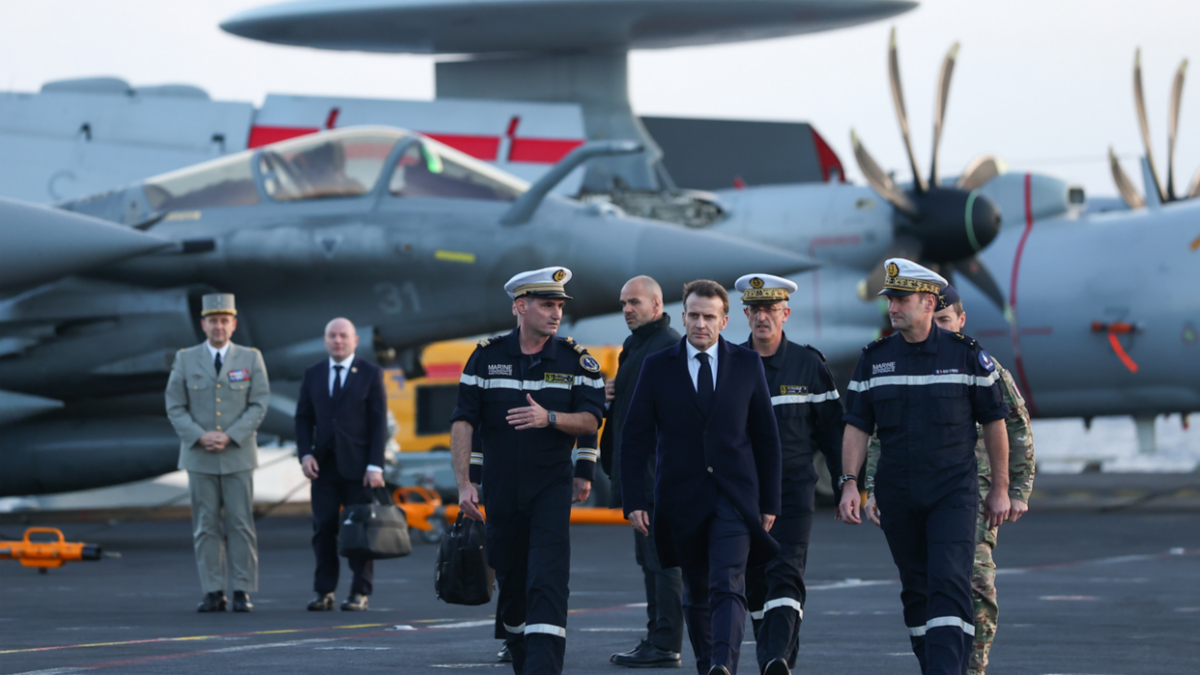
After France’s Carrier, Britain Moves In
France signaled its presence in the Strait of Hormuz escort mission by dispatching the Charles de Gaulle carrier strike group. The next European navy answering the call is the United Kingdom. London has announced plans to deploy additional assets to protect merchant vessels and neutralize mine threats in the contested waters near Iran. If France brought the heavy card of a carrier strike group, Britain is contributing an advanced, mine-warfare and reconnaissance–focused package.
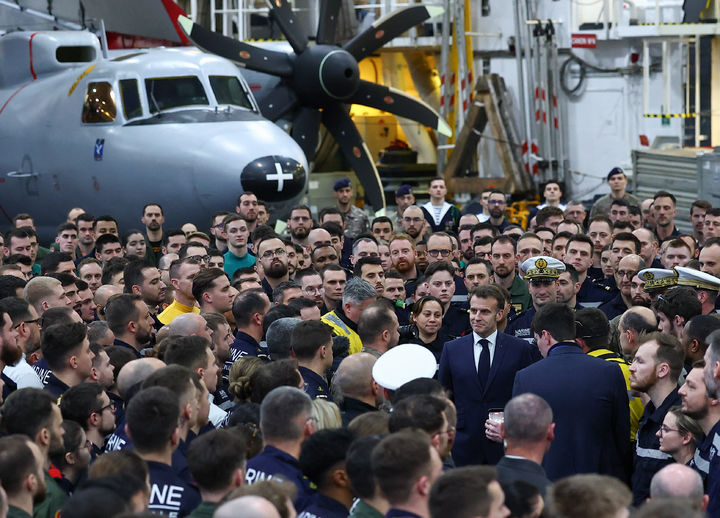
Deployment Pledge From 40-Nation Meeting Co-Hosted by the UK and France
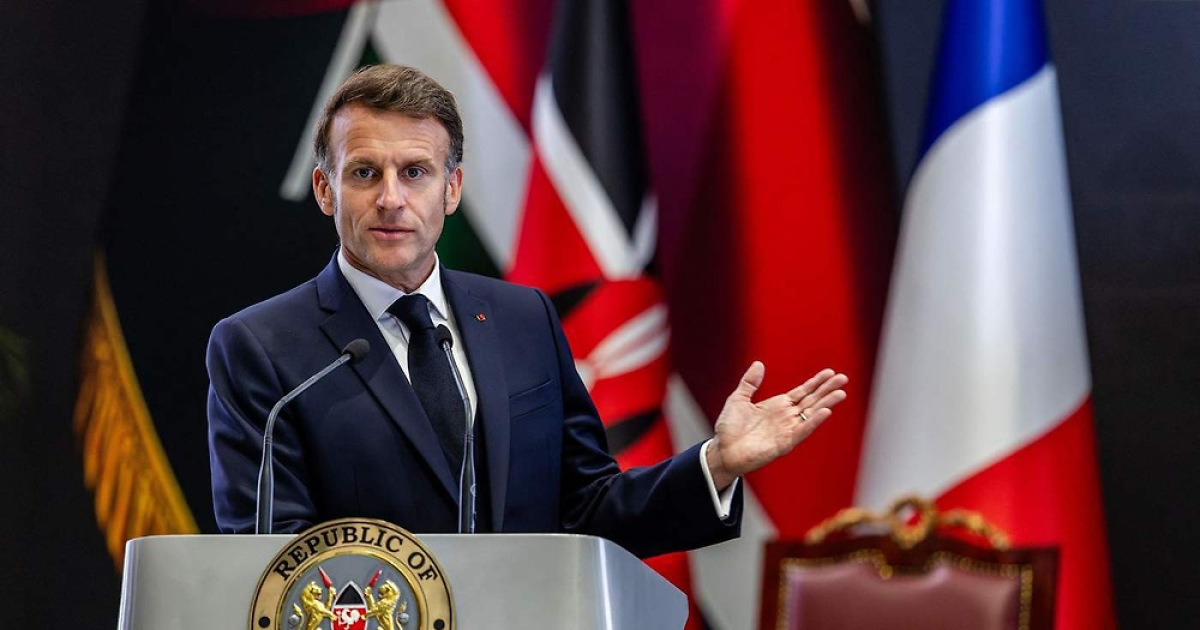
John Hilli, the U.K. defense secretary, used a virtual meeting of defense ministers from 40 countries—co-hosted by London and Paris—to center the discussion on navigation safety in the Strait of Hormuz. Britain said it will send advanced mine-detection systems and airborne reconnaissance assets to the escort mission. The emerging picture is a division of labor: France’s carrier group will position near the Red Sea and the Gulf of Aden–Bab el-Mandeb corridor, while the U.K. covers mine clearance and escort duties around Hormuz. Publicly the mission protects freedom of navigation; strategically it applies pressure on Iran to abandon any attempts at a long-term blockade.
![기고]美](https://cdn-union.tenbizt.com/contents/crawler-dev/image/2026/05/CP-2025-0103/image-fdce08da-88c1-41bc-8c33-6d286972df9e.jpeg)
‘Kraken’ Drone Boats and Typhoons: Britain’s Packaged Force
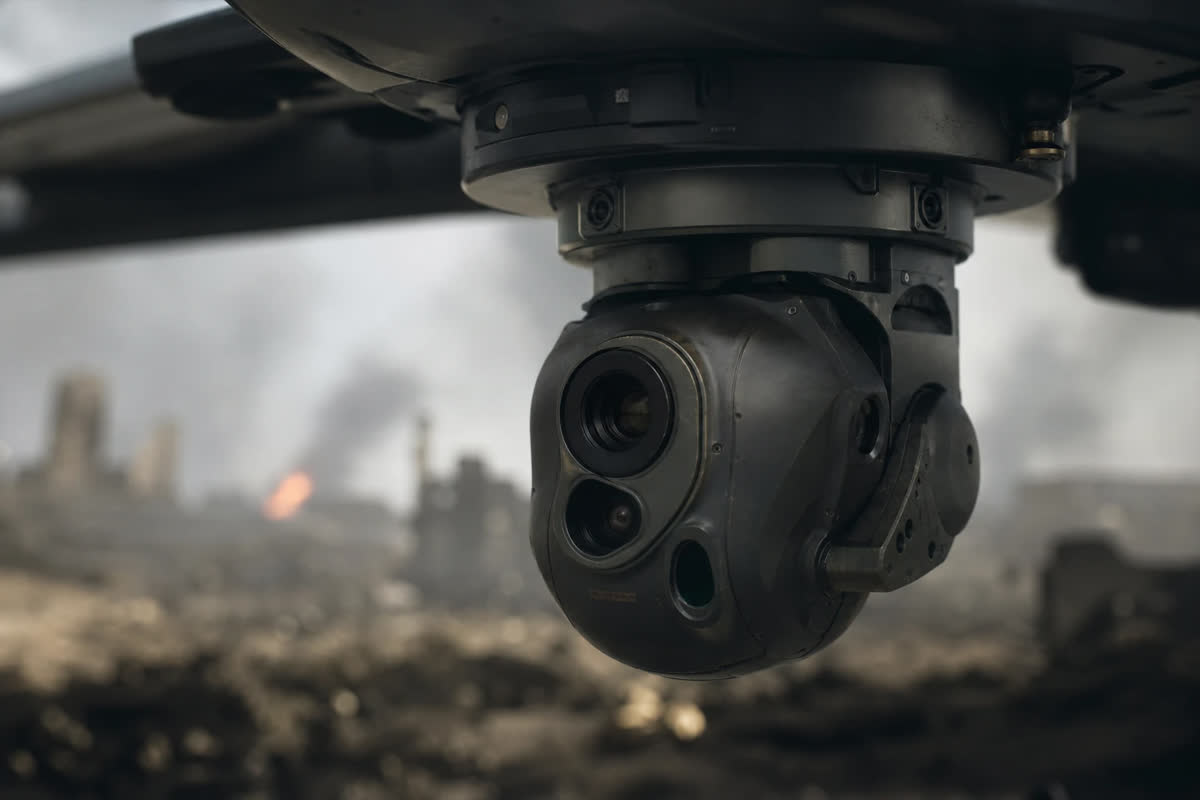
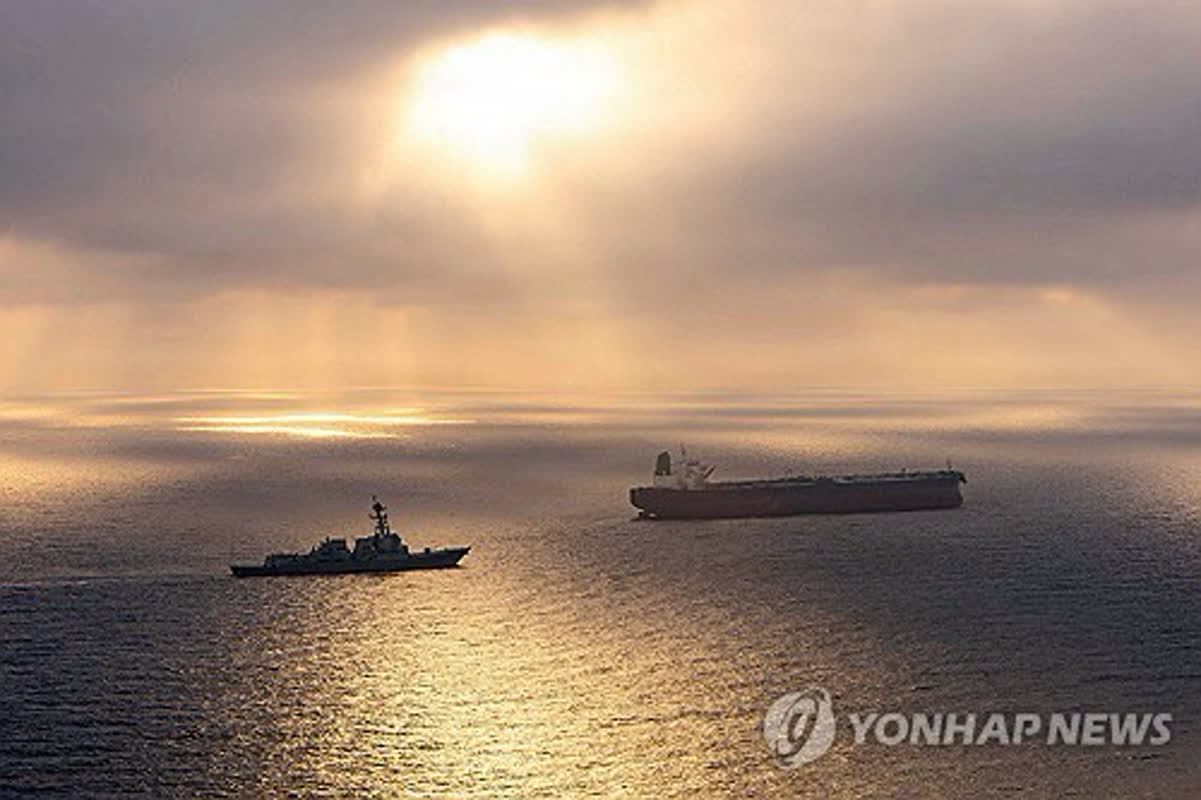
At the center of Britain’s contribution is an automated mine-detection system built around Kraken-series drone boats. Unmanned surface vessels will sweep sea lanes, detect mines and underwater threats, and help chart safe corridors for shipping. Typhoon fighters will provide airborne reconnaissance, persistent overwatch, and deterrent patrols when needed. Alongside the already announced destroyer HMS Dragon, the naval support ship RFA Lyme Bay will act as the mothership for the mine-detection drones and serve as a transport, maintenance, and command hub.

Defense, Independence, Reliability: Three Keys Britain Emphasizes
Hilli framed the mission as allied but defensive, independent in its posture, and squarely focused on merchant-vessel protection. Emphasizing mine clearance and navigation safety—rather than a preemptive strike—signals sensitivity to Iranian and broader Middle East opinion. At the same time, the deployment underscores Britain’s intent to act as a naval power with its own distinct responsibilities within a U.S.-led coalition.

A Separately Budgeted Effort—Not a One-Off but a Sustained Operation
The U.K. Treasury approved roughly £115 million (about $172.5 million) for the deployment—about 230 billion KRW (approximately $172.5 million). Allocating a dedicated budget rather than treating the move as symbolic indicates London expects to sustain operations for months, rotating drones, jets, and ships to maintain surveillance and escort coverage in the Hormuz region.
France’s Carrier in the Red Sea and Gulf of Aden; Britain Pressures the Strait of Hormuz
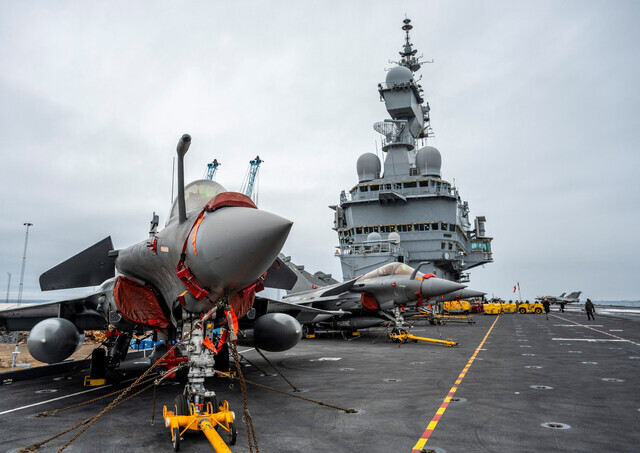
France has moved the Charles de Gaulle carrier strike group from the Mediterranean toward the Red Sea and the Gulf of Aden–Bab el-Mandeb corridor, a strategic route linking Suez, the Red Sea, and the Indian Ocean. With the U.K. focusing on the Strait of Hormuz and the Gulf of Oman, NATO’s core naval forces will effectively exert control over the entrance to the Persian Gulf and the northern Indian Ocean. For commercial shipping, that means France and Britain are covering both chokepoints; for Iran, it raises the likelihood of encountering Western naval forces whatever course it takes.
Iran’s Warning and the Possibility of ‘Managed Tension’
Tehran warned that any warship—British, French, or otherwise—entering Hormuz would face an immediate and decisive response. Still, the odds of large-scale naval or air battles between Iran and Western navies remain low. The more likely outcome is a posture of managed tension: both sides avoiding direct confrontation while maintaining pressure. Even so, with France’s carrier strike group backed by Britain’s unmanned mine-warfare assets, fighters, and destroyers, the Strait of Hormuz has become, at least for now, a focal point where navies from around the world are converging.










Most Commented