
How the U.S. Military’s New Drone Strategy is Shifting from Power to Quantity: A Look at the 2026 Replicator Project
Daniel Kim Views
Translation result.
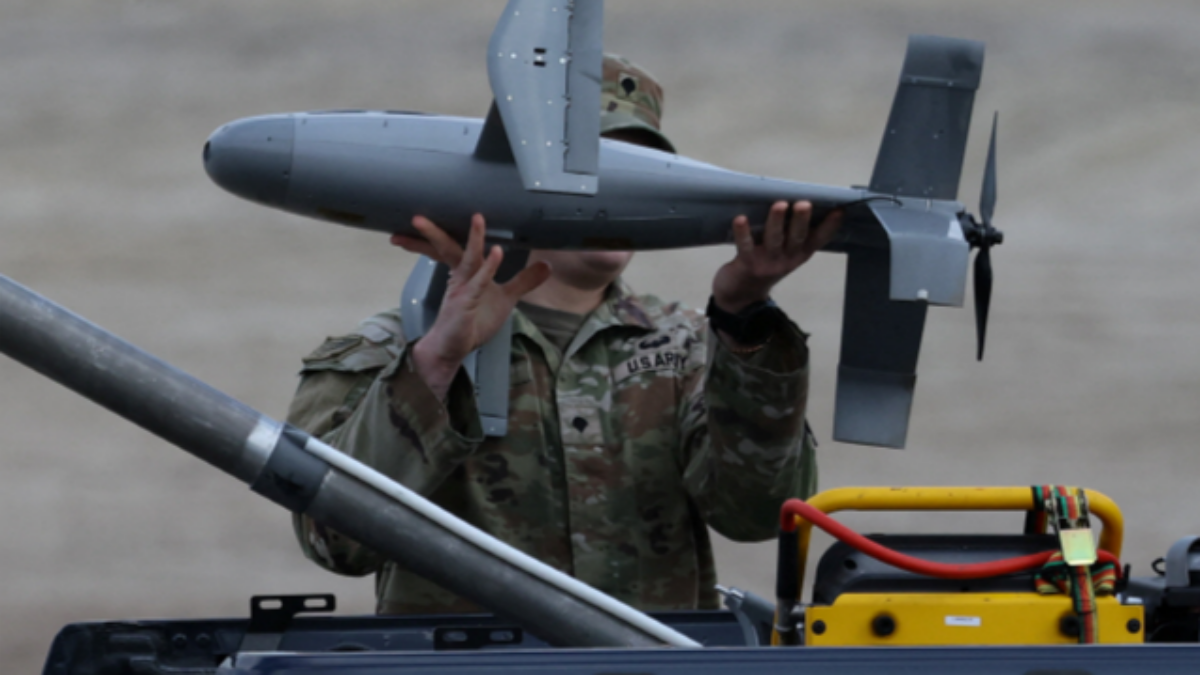
A strategic shift: not “stronger drones” but “more, used together”
The Pentagon’s new drone strategy isn’t about producing tougher, higher-cost aircraft. It’s about changing how those systems are used: bundling thousands—or even tens of thousands—of inexpensive drones into coordinated formations that operate like a single organism. Where manned aircraft plus a handful of drones were once the model, the U.S. is elevating drone swarms to a central combat role. The competition in future wars is shifting from “who has the most powerful platforms” to “who can field greater numbers at once and connect them more effectively.”
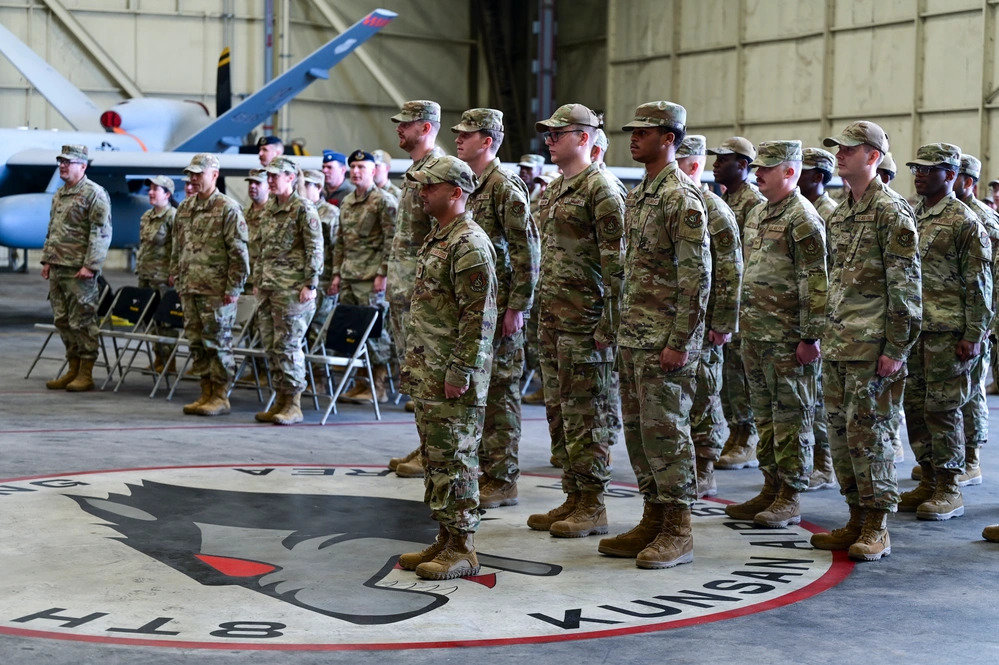
Replicator: investing in command-and-control, not platforms
The Replicator program aims to deploy tens of thousands of low-cost attack drones by 2026 and scale to hundreds of thousands after 2027. But the program’s real pivot isn’t sheer quantity; it’s an open command-and-control architecture layered above those airframes. A commander could assign a mission—say, suppress an enemy air-defense node—and an AI-driven system would automatically split reconnaissance, jamming and strike tasks across hundreds of drones. In effect, a single commander could coordinate thousands of drones simultaneously.
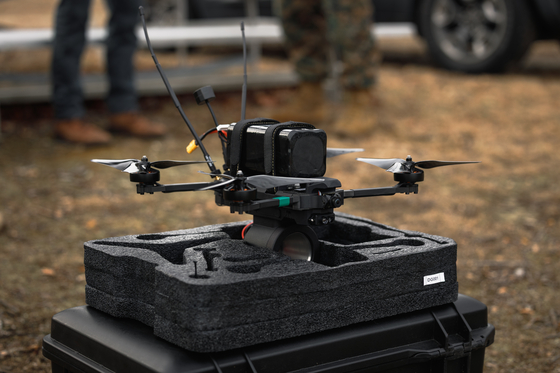
Drones recategorized as “consumables,” not “equipment”
The Pentagon’s decision to reclassify small unmanned systems as “consumables” rather than aircraft is symbolic and tactical. It signals a shift toward designs and price points that accept single-use losses—think of them more like grenades than repairable platforms. That enables tactics that saturate the battlefield without agonizing over each lost unit. Still, the department insists that humans will retain final authority over targeting and use-of-force decisions. The approach pushes automation to the edge while keeping responsibility and rules of engagement squarely in human hands.
China’s massed-offensive approach vs. America’s control-efficiency play
Beijing has been preparing to exploit commercial parts and mass production to field swarms of cheap drones intended to attrit U.S. forces and systems. The U.S. response is not simply “build more.” It’s to organize and bind those assets far more effectively. In tomorrow’s fights the decisive edge won’t be raw inventory alone but the speed and precision with which commanders can parcel missions, share battlefield data, and keep the swarm functioning despite losses. From that perspective, America’s real wager is the networked AI command system above the airframes, not the airframes themselves.
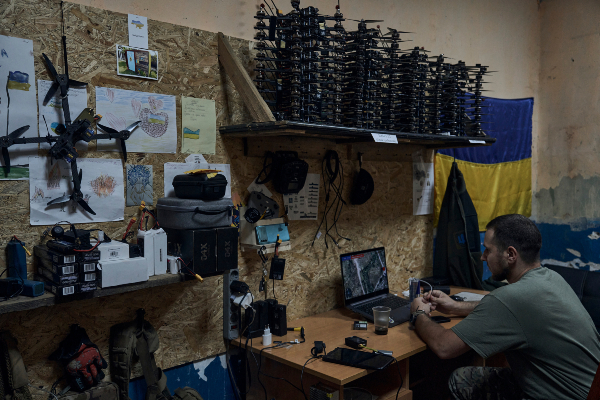
“No connection, no inclusion”: a blunt ultimatum to allies and defense firms
That shift functions as an ultimatum to U.S. allies and defense contractors: if you want to operate with U.S. forces, demonstrate how well your systems interoperate with U.S. joint command-and-control networks. Range and warhead size matter less than the ability to integrate into a shared C2 architecture. Systems built around closed, national-only networks—no matter how capable on paper—will struggle to plug into allied operational effects. In practice, failure to integrate with U.S.-led force networks risks exclusion from coalition operations and from large segments of the global defense market.
Opportunities and challenges from South Korea’s perspective
Seoul plans major drone expansion, with concepts ranging up to a notional “500,000 drone warriors.” But the next phase will likely turn on integration, not just inventory. If Korean firms align with the U.S. pivot, they can develop interoperable software, sensors and relay systems that plug into American networks and scale together. Equally important is how quickly Korea fields its own swarm tactics and AI-driven mission-allocation tools for independent operations. In the coming era, the ability to orchestrate and sustain a swarm will be a far more telling metric than simple platform counts.












Most Commented