
US Shifts to Low-Cost Missile Strategy: How Korean Defense Firms Can Capitalize on the $70.5 Billion Opportunity
Daniel Kim Views
Translation result
The U.S. Department of Defense is shifting doctrine. Rather than relying primarily on high-end missiles that cost billions of won each, the Pentagon is moving toward a new class of guided weapons that can be mass-produced at low cost.
Defense officials recently signed baseline agreements with four contractors — including Anduril — to procure low-cost containerized cruise missiles, known as LCCMs.
The initial agreement covers more than 10,000 rounds over three years. That volume marks a decisive turn from the long-standing U.S. approach of buying small numbers of high-performance systems to a strategy focused on affordable mass production.
Tomahawk’s 5.3 billion KRW price tag (approximately $3.98 million) and the rise of low‑cost weapons
The shift follows painful shortages of munitions experienced in recent real-world conflicts, including operations tied to Iran. Those shortfalls exposed a gap in U.S. force posture: in a sustained fight, even highly capable missiles can’t be treated as consumables when each round costs millions.
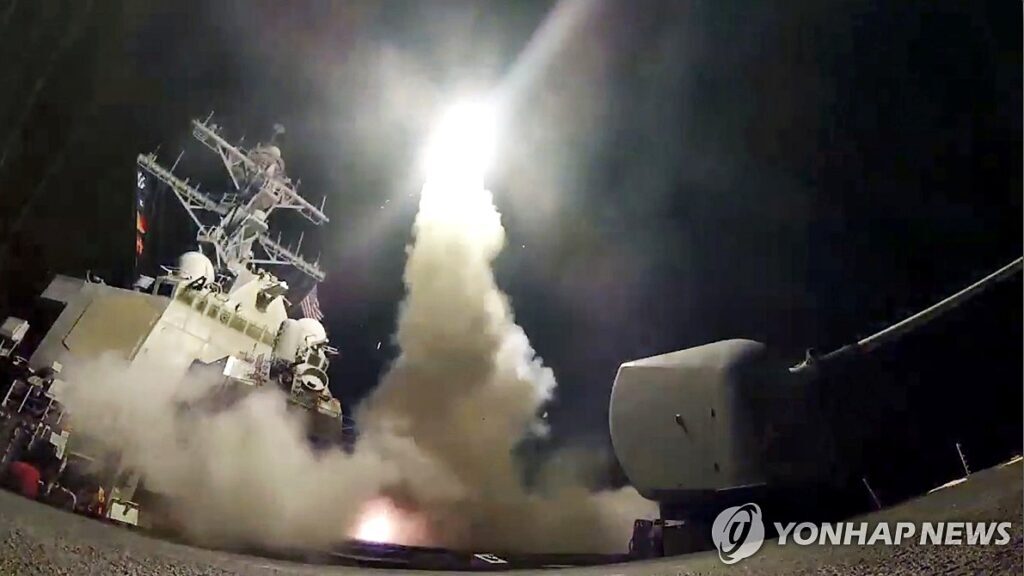
The Tomahawk cruise missile costs roughly 5.3 billion KRW (approximately $3.98 million) per round — about 5.3 billion won. Its range and accuracy remain unmatched in many roles, but its price makes it impractical to use at scale in prolonged combat.
Under the new procurement model, the Pentagon plans to buy large quantities of lower‑cost missiles priced in the hundreds of thousands of dollars each. The goal is to plug capability gaps left by high-end systems and to rapidly grow overall missile inventories.
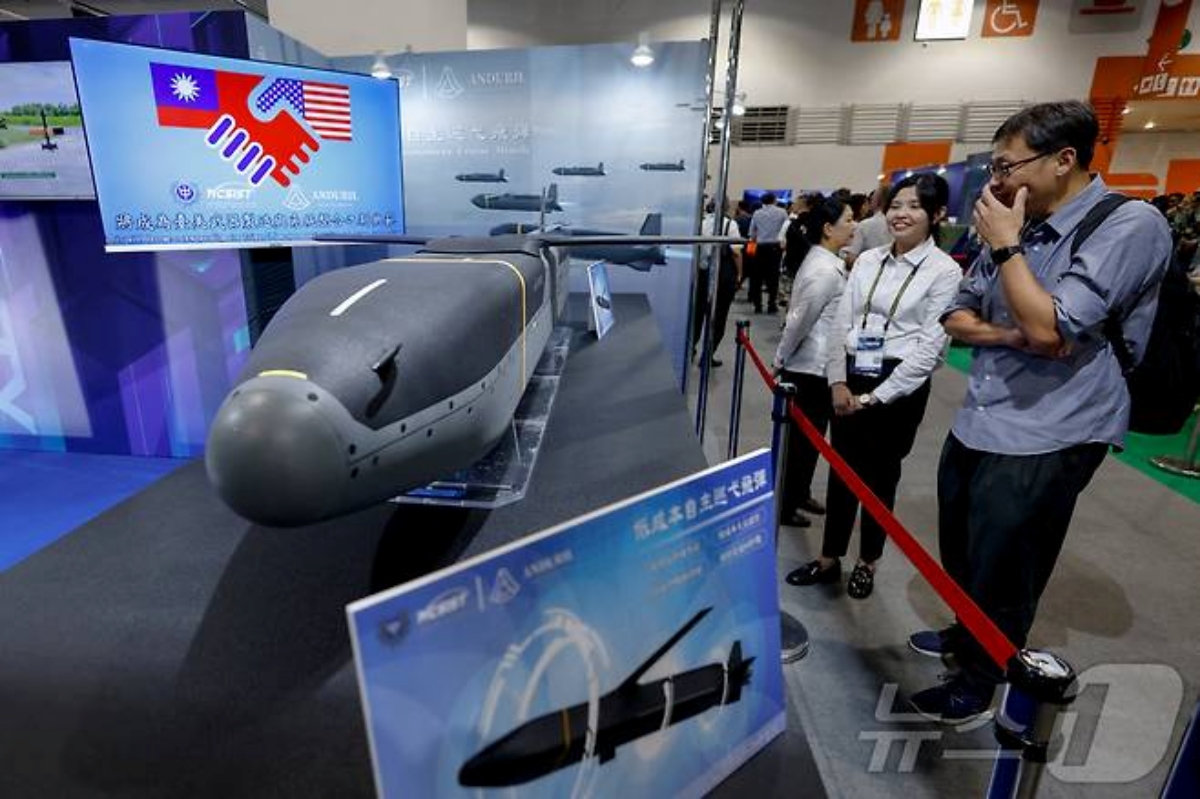
Anduril, which is leading the effort, has committed to delivering at least 1,000 Barracuda‑500M autonomous cruise missiles per year.
The Barracuda‑500M launches from mobile containers, giving commanders flexibility on where and how to employ the weapons. Anduril has driven down unit costs by adopting commercial manufacturing practices.
Reflecting the urgency, the U.S. requested about $70.5 billion for missile procurement in its fiscal 2027 budget — a roughly 188% increase from the prior year. The budget request signals a sustained push to build stockpiles through volume buying.
How K‑industry could unlock mass production of 10,000 rounds
The U.S. shift creates a major export opportunity for South Korean defense firms that combine advanced guidance technology with high-rate production capabilities.
South Korea already fields a broad guided‑weapons portfolio — including Cheongung, Shingung and Haesung — and LIG Nex1 has taken a leading role in developing the indigenous long‑range air‑to‑ground cruise missile Cheonryong.
Korean companies have proven expertise in seekers and guidance systems required for low‑cost cruise missiles.
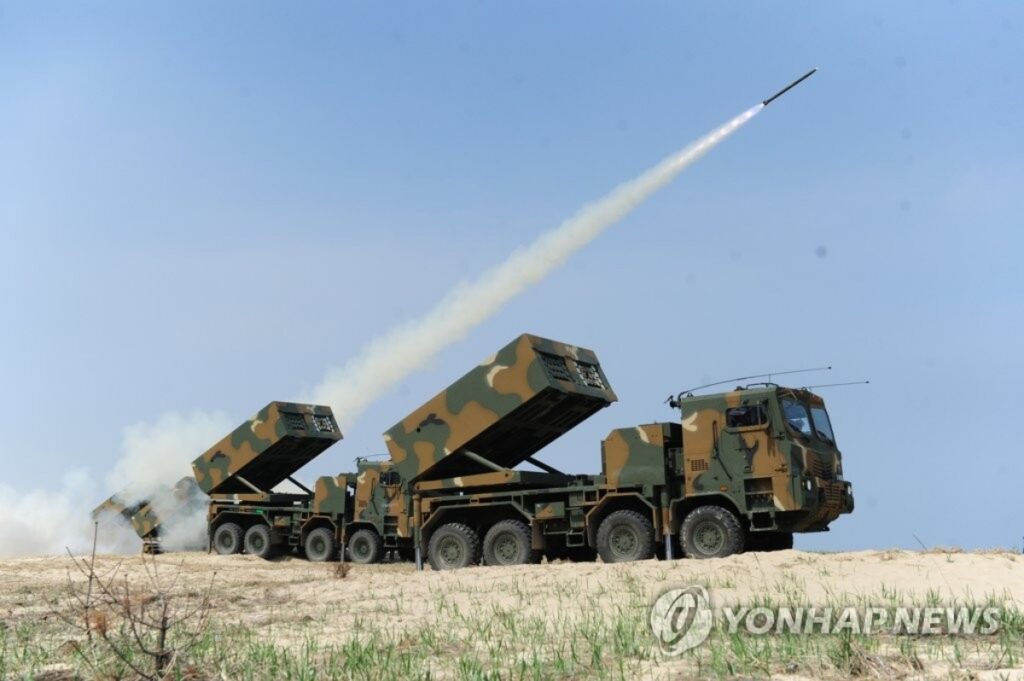
Layer in Hanwha Aerospace’s large-scale production infrastructure, and a Korean low‑cost missile offering becomes even more competitive.
Hanwha has secured supply contracts worth trillions of KRW through exports of the Cheonmu system and claims strong efficiency in producing propulsion systems and warheads.
Poongsan — with expertise in drone munitions and fuze technology — is positioned to maximize the lethality and cost effectiveness of loitering munitions.
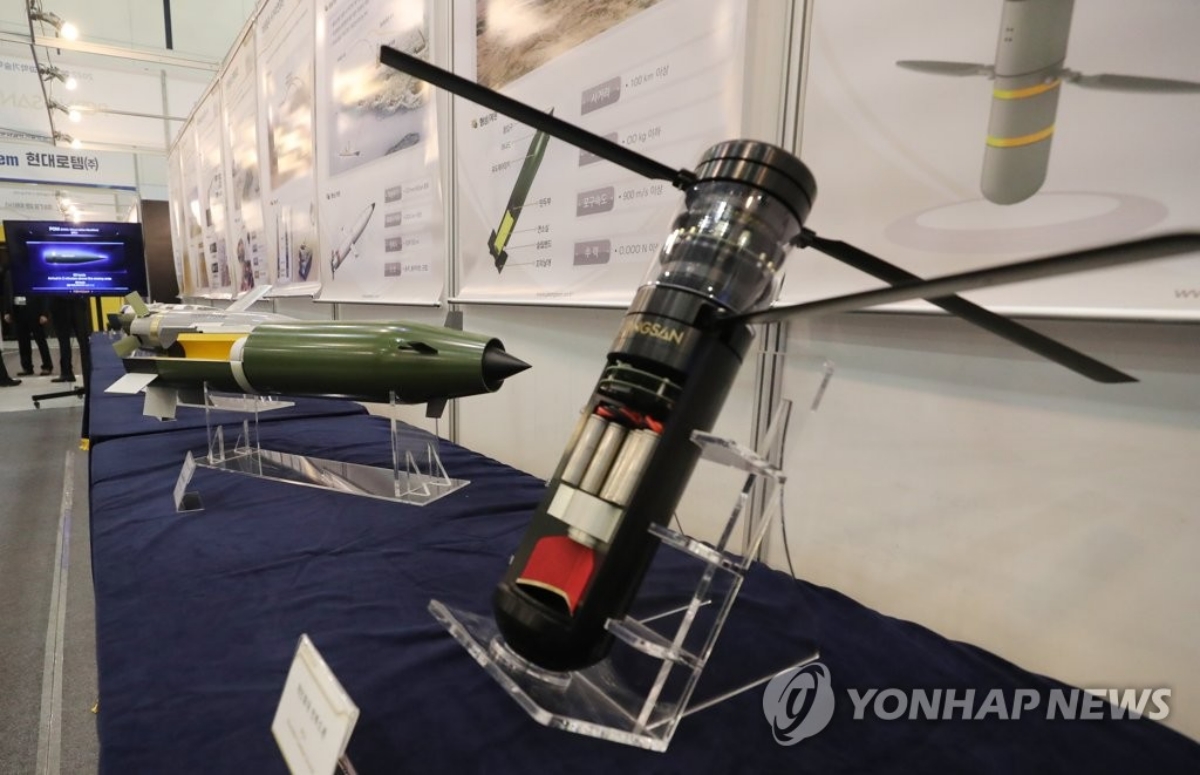
Korean firms say they already have the technical foundation. What they need now is a clear signal from Seoul that it will compete in the mass‑procurement market.
If South Korea shifts procurement away from an exclusive focus on high‑end systems and, like the U.S. model, pairs start‑up innovation with large‑scale manufacturing, it could become a primary global supplier of low‑cost missiles.










Most Commented