
Is It a Drone or a Missile? Analyzing the ‘Namuh’ Attack Debris Arriving in South Korea
Daniel Kim Views
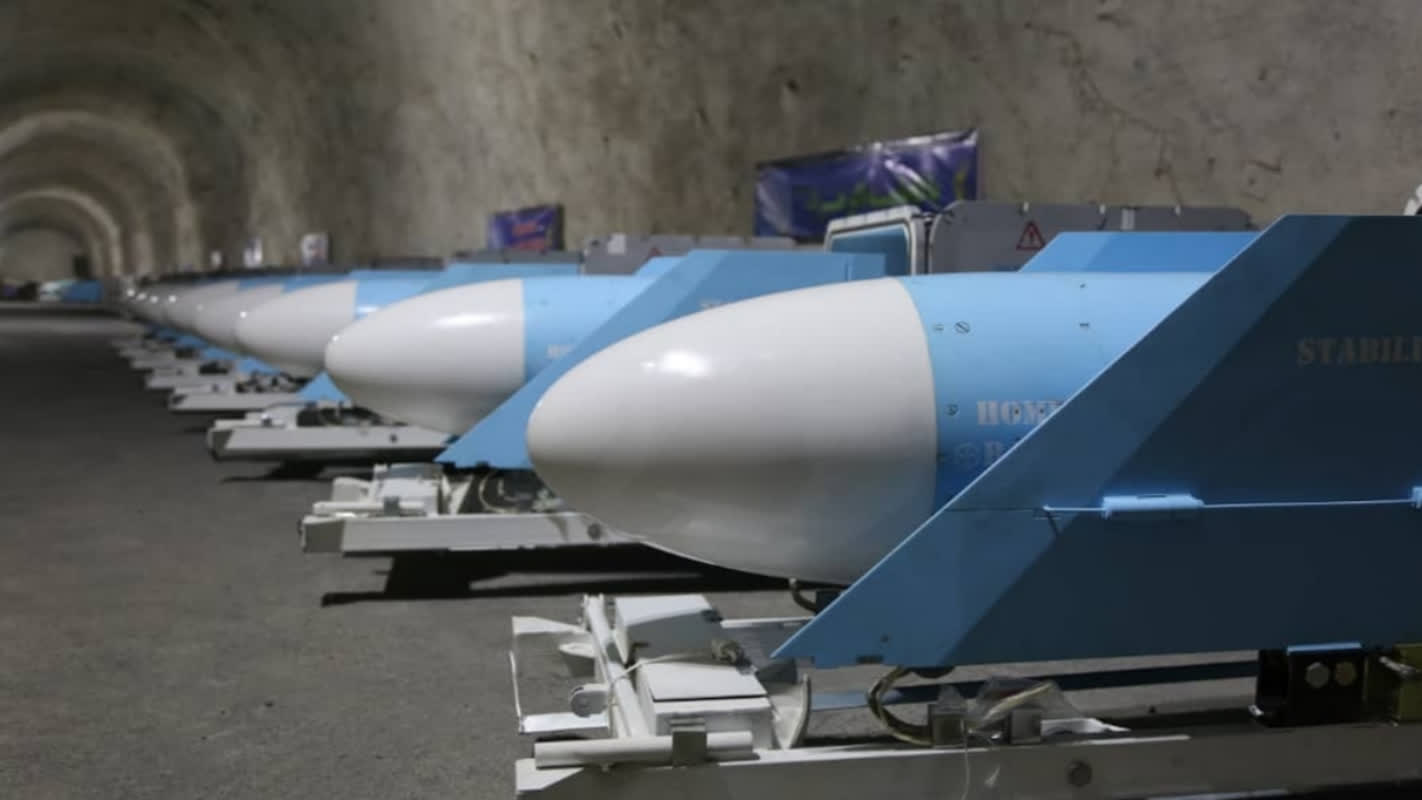
[Anchor] Wreckage from the airborne object that struck the Namu arrived in South Korea today (May 15). Officials are increasingly treating an anti-ship missile as the more likely cause than a drone, and specialist forensic analysis is set to begin. Mina Kim reports. [Reporter] Engine debris from the airborne object that struck South Korea’s merchant vessel Namu in the Strait of Hormuz has arrived in South Korea. In a press notice, South Korea’s Foreign Ministry said the wreckage reached Korea on May 15 by air after consultations with the UAE government. Officials said specialists will subject the recovered material to detailed forensic analysis. The wreckage was flown from Abu Dhabi in a diplomatic pouch on a civilian airliner and arrived in Korea that morning; it appears to have already been moved to a research institute. When reporters asked Foreign Minister Cho Hyun whether the wreckage was coming in a diplomatic pouch and whether Iran had responded, he declined to provide specifics. 「Cho Hyun / Foreign Minister」 (There are) various ways to transport wreckage… I will provide more details to the National Assembly on the 20th. Unlike diplomatic pouches, which often bypass routine customs checks, an aircraft engine is classified as military material. Reportedly, the UAE’s foreign ministry coordinated the export with immigration and judicial authorities. Meanwhile, investigators are conducting a detailed probe to identify the attacker and determine the weapon and platform involved. On May 13, the Defense Ministry dispatched a technical analysis team of about 10 experts, including personnel from the Agency for Defense Development (ADD), to Dubai. For now, officials say the evidence points more toward a missile than a drone. Earlier, Wi Sung-lak, director of the National Security Office, said there is no conclusive evidence to call the object a drone and that options such as a missile remain open. Given that the damage is close to the sea surface, analysts say a low-flying anti-ship missile is a plausible explanation. Iran fields several small anti-ship missiles, including the Nasr-1 and Kowsar, as well as medium-class weapons such as the Qader. With recovery and domestic transport of the engine complete, the probe into the cause is accelerating. This is Mina Kim for Yonhap News TV. [Video reporting: Kim Dong-hwa] [Video editing: Kim Kyung-mi] [Graphics: Lee Ye-ji, Kang Sung-hoon] [Footage provided by: Ministry of Foreign Affairs] [News review] #ForeignMinistry #Iran #DefenseMinistry #StraitOfHormuz #Attack #Namu #JointGovernmentInvestigation #AntiShipMissile #DiplomaticPouch #aircraft_engine_wreckage Yonhap News TV tips and inquiries: KakaoTalk/LINE jebo23 Mina Kim (goldmina@yna.co.kr)














Most Commented