
Trump Administration’s Iran War Costs Soar to $29 Billion: What It Means for Future Defense Budgets
Daniel Kim Views
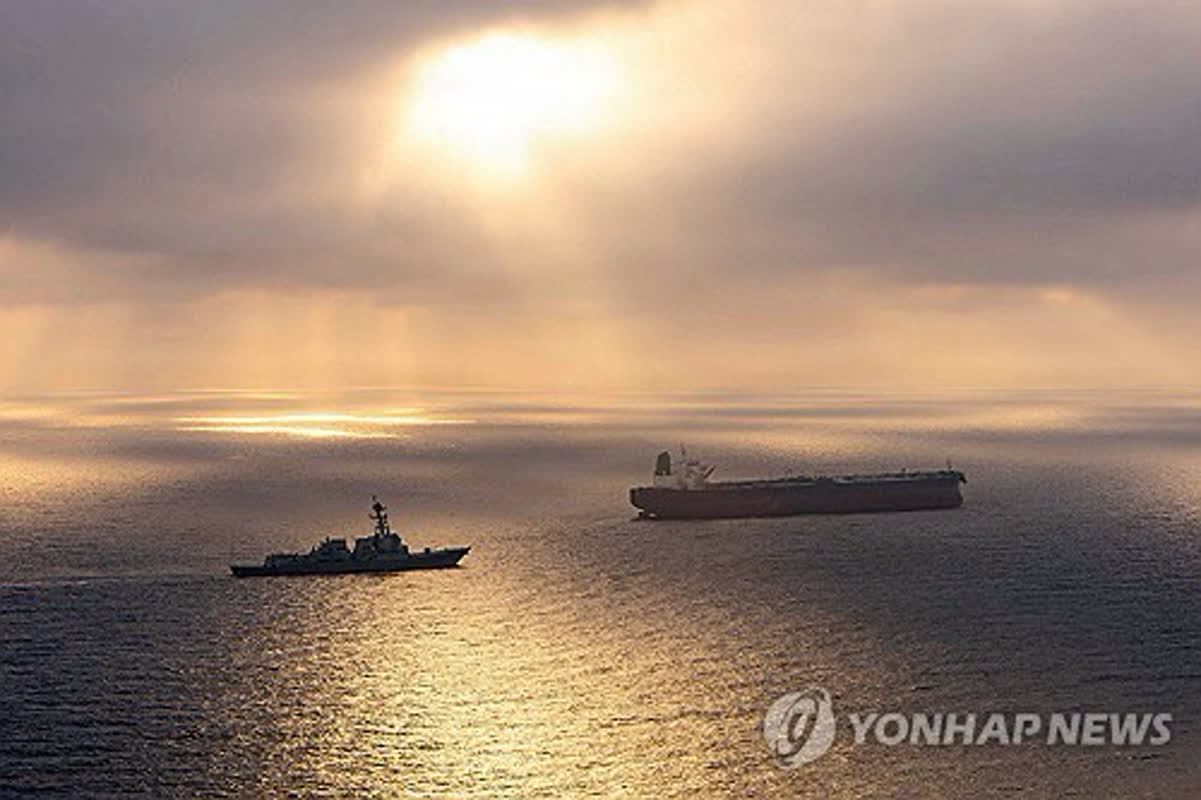
Translation result.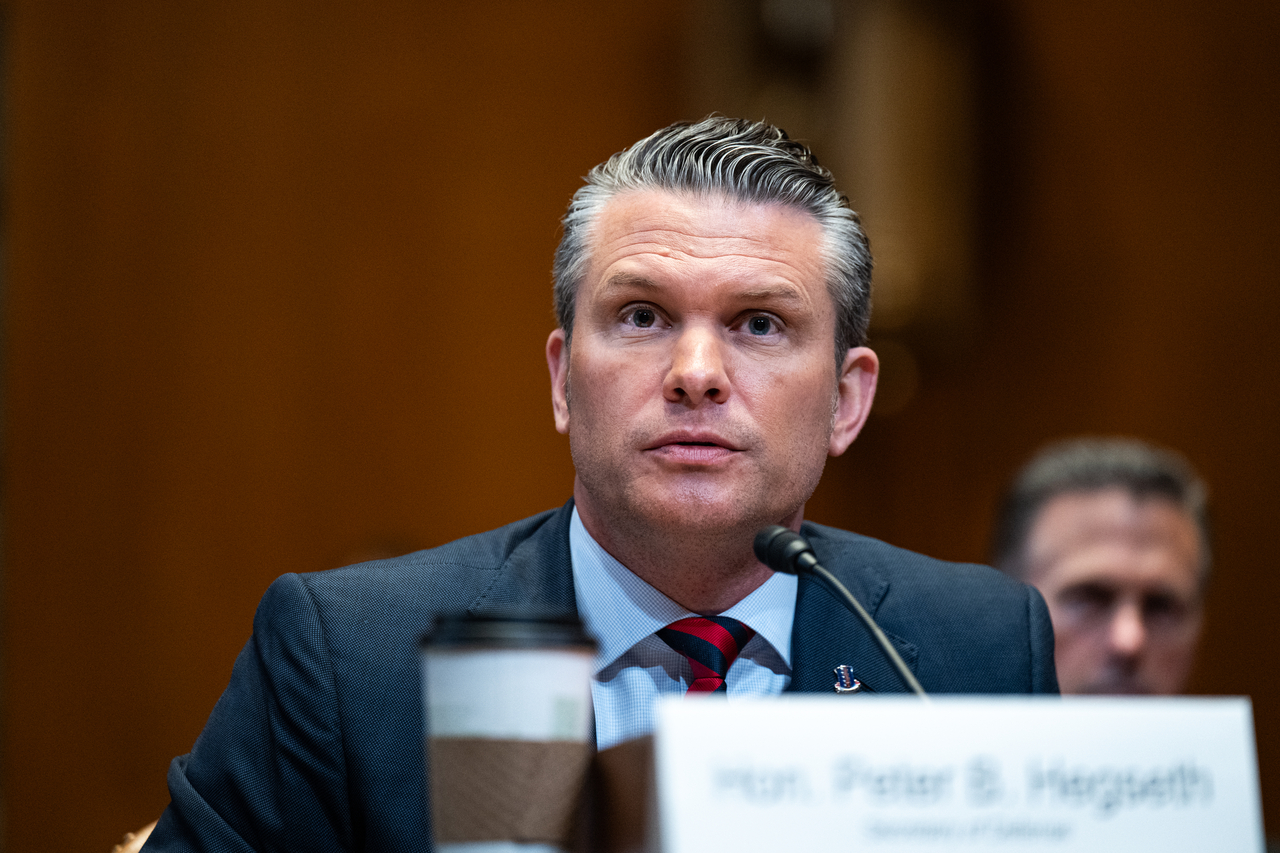 [Herald Economy — Reporter Doh Hyun-jung] The Trump administration spent about $29 billion (approximately 38.67 trillion KRW) on the Iran war during the 10 weeks from Feb. 28 through May 12, Jay Hurst, the Pentagon’s comptroller, told lawmakers Thursday.Hurst delivered the estimate during a House Appropriations Defense Subcommittee hearing on the fiscal 2027 defense budget at the Dirksen Senate Office Building. He had told the House Armed Services Committee on April 29 that the conflict’s cost stood at $25 billion (approximately 33.33 trillion KRW); two additional weeks of operations added roughly $4 billion (approximately 5.33 trillion KRW), bringing the total to about $29 billion (approximately 38.67 trillion KRW).“Our joint staff and audit teams have continued to review the figures, and they now report the estimate sits close to $29 billion (approximately 38.67 trillion KRW),” Hurst testified. He said the increase reflects updated costs for repairing and replacing equipment and routine operating expenses to sustain forces deployed in the theater.In a separate Senate Appropriations Defense Subcommittee session, Hurst said that estimate does not include costs to repair U.S. bases in the Middle East that were struck by Iranian attacks. Asked by Sen. Jack Reed (D–R.I.), he said, “We are not currently estimating military construction (MILCON) costs because we don’t yet know our future force posture. We don’t know how bases will be rebuilt or what share allies or partners will bear.” When Reed pressed whether damaged facilities were being excluded from the current estimate, Hurst replied, “We cannot provide an accurate estimate at this time.”Defense Secretary Pete Hegseth, who also testified, declined to say definitively whether the U.S. would resume Project Freedom — the operation designed to support safe navigation for commercial vessels constrained in the Strait of Hormuz — after negotiations with Iran effectively collapsed. Hegseth said he would not publicly discuss operational options and reiterated that, as the president has said, operations are currently paused pending a request from Pakistan and options considered during talks. He added that the commander in chief could order the operation to resume at any time.President Donald Trump told Fox News the previous day that he has not made a final decision but could restart Project Freedom and potentially expand its scope.Separately, the Congressional Budget Office estimated that developing, deploying and operating the next-generation homeland air-and-missile defense system — the “Golden Dome for America” (GDA) — could cost about $1.2 trillion (approximately 1,600 trillion KRW) over the next 20 years. The CBO said that figure is roughly 80% of the $1.5 trillion (approximately 2,000 trillion KRW) defense budget the Trump administration requested for FY2027.The CBO noted the Defense Department’s FY2027 request included a five-year funding plan for GDA but lacked specifics about which systems and how many would be fielded, making precise long-term cost projections difficult. To produce its estimate, the CBO modeled a hypothetical missile defense architecture based on the capabilities described in the president’s executive order.That hypothetical architecture includes four intercept layers: a space-based layer, two wide-area ground layers, and a regional, ground-based layer. The layered design would allow the system to engage large numbers of incoming missiles simultaneously, and each layer could operate independently if national command-and-control links were severed.










Most Commented