
Project Freedom: How the US Navy is Ensuring Safe Passage for Ships in the Strait of Hormuz
Daniel Kim Views
Translation result
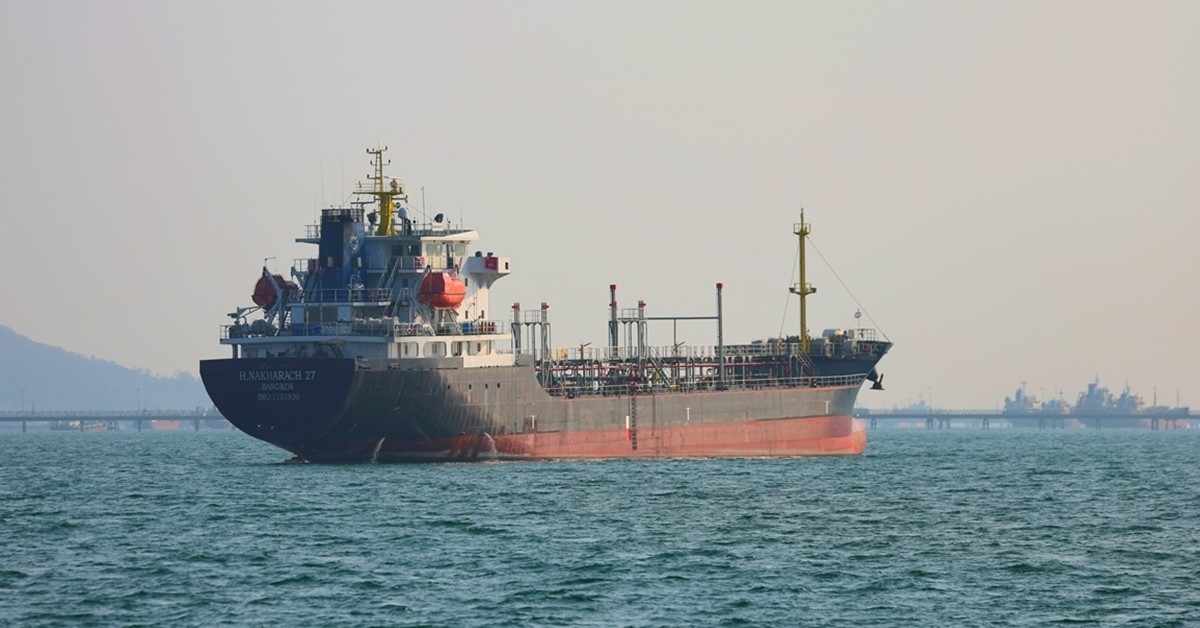
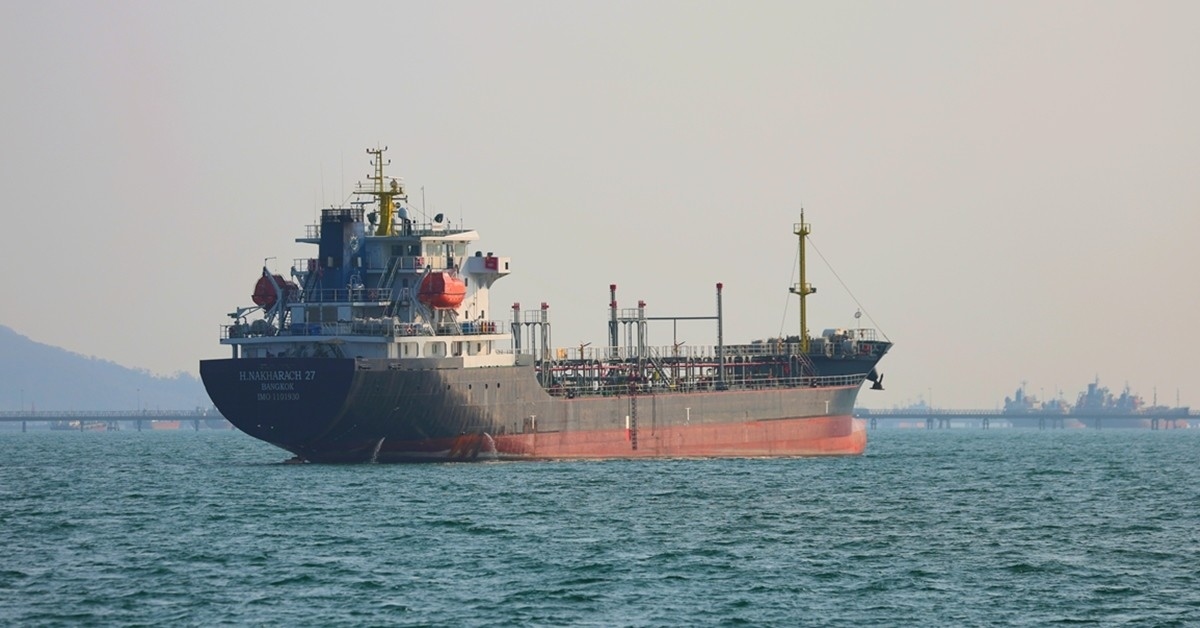
U.S. Central Command said its guided‑missile destroyers transited the Strait of Hormuz to support Project Freedom and are now operating in the Arabian Gulf.
On the 4th, Central Command posted on X that U.S. forces are actively supporting efforts to resume commercial shipping through the waterway.
As an initial step, the command said two U.S.-flagged merchant vessels successfully transited the Strait of Hormuz and are continuing their voyages safely.
Central Command said Project Freedom kicked off that day to evacuate third‑country vessels that became trapped inside the strait after the outbreak of hostilities with Iran.
The Iranian government warned that transits through the Strait of Hormuz without official permission are unacceptable and threatened decisive military responses if those warnings are ignored.
Iran’s semi‑official Fars news agency, citing local sources, reported that a U.S. warship attempting to transit the strait ignored Iran’s warning, was struck by two missiles and ultimately turned back.
Central Command disputed that account on X, saying U.S. Navy ships were not struck and reiterating that U.S. forces are supporting Project Freedom while enforcing a maritime blockade of Iranian ports.
The conflicting claims underscore the heightened military tensions playing out in the area.
The operation is an extension of the broader conflict that began after U.S. and Israeli forces launched a surprise strike on Iran on Feb. 28 that killed members of its top leadership.
Although the two countries agreed to a temporary cease‑fire on April 8, follow‑on talks in Pakistan to formalize an agreement collapsed, and the military standoff resumed.
In response to the U.S. strike, Iran moved to close the Strait of Hormuz — a critical artery for global oil shipments.
The United States countered with a naval blockade of major Iranian ports, escalating economic pressure on Tehran.
The Strait of Hormuz is the export route for crude from major Middle East producers such as Saudi Arabia and the United Arab Emirates. Its closure disrupted global energy supply chains and pushed international oil prices higher.
President Donald Trump has taken a firm line, saying he cannot accept Iranian control of the strait. His administration’s demands center on Tehran abandoning its nuclear program and reopening the strait unconditionally.
Iran, led by the Islamic Revolutionary Guard Corps, has maintained a hardline stance, pressing for control over transiting vessels and demanding war reparations as conditions.
According to Iran’s Tasnim news agency, Tehran sent a 14‑point revised proposal through Pakistan that included those terms. President Trump publicly indicated he could not accept the package.
The safe transit of two U.S.-flagged merchant ships is being hailed as an early success for Project Freedom. The U.S. military is deploying guided‑missile destroyers and other naval assets to escort and protect merchant traffic.
Central Command’s announcement signals an intent to secure freedom of navigation in the Strait of Hormuz and to blunt Iranian attempts to control those sea lanes.
Project Freedom, led by U.S. Central Command, aims not only to rescue stranded ships but also to uphold the principle of free navigation in international waters.
At present, many multinational freighters and tankers remain immobilized inside the Persian Gulf after the outbreak of hostilities. Those vessels are carrying large volumes of oil, natural gas and industrial cargoes.
As the ships remained stranded, shipping companies absorbed lay‑up fees and higher insurance costs, and some cargoes faced spoilage or damage.
The U.S. military launched the operation to minimize civilian economic harm and to ease energy‑supply concerns among allied countries.
U.S. Navy destroyers are escorting merchant vessels under an Aegis‑based air‑defense umbrella designed to intercept Iranian anti‑ship missiles and drone attacks.
The IRGC Navy retains asymmetric capabilities — including swarm attacks by fast boats and mine‑laying — that can threaten conventional U.S. surface forces. Analysts view Fars’ report that a U.S. warship turned back as part of a psychological campaign to bolster domestic perceptions of Iran’s defensive posture.
Still, Central Command’s categorical denial that any U.S. vessel was struck, along with its confirmation of the ships’ safe passage, has undercut Tehran’s version of events.















Most Commented