
North Korea’s Weapon Trade: How the Russian Ship Lady R is Transporting Millions of Shells
Daniel Kim Views
Translation result
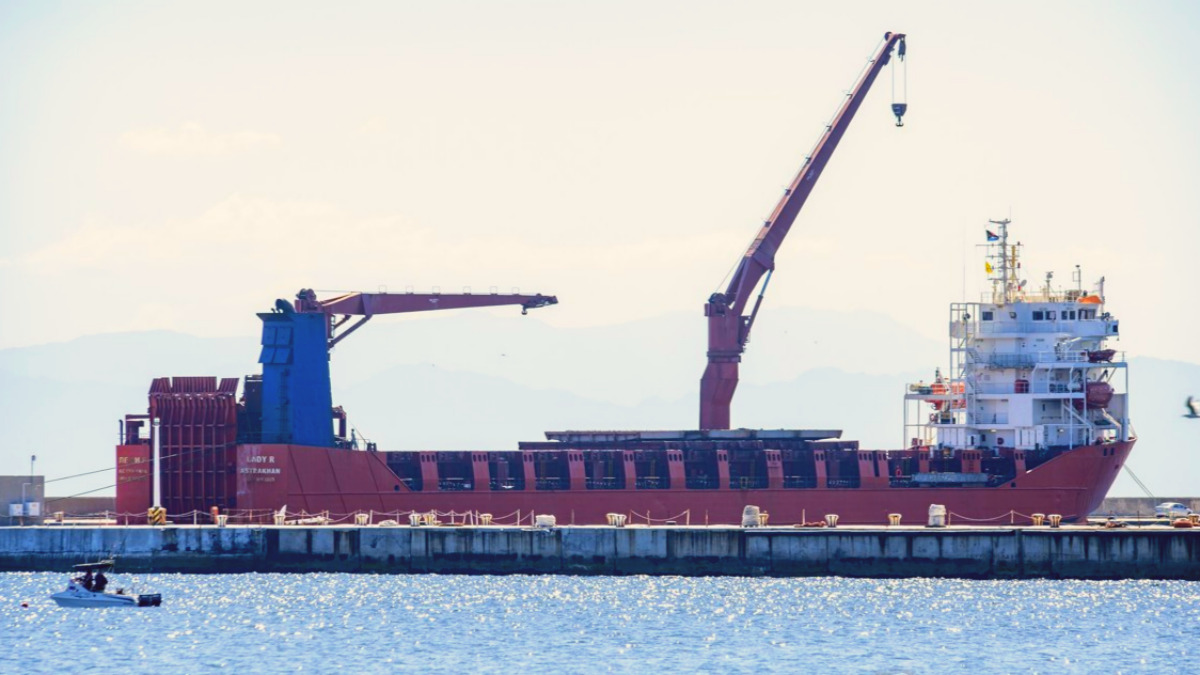
A Russian cargo vessel suspected of transporting large quantities of weapons has reappeared at a North Korean port.
NK News, a U.S.-based outlet specializing in North Korea, analyzed Planet Labs satellite imagery and confirmed that the Ro‑Ro ship Lady R was berthed at a pier in Rason on the 21st.
The images offer strong evidence that illicit arms trafficking between North Korea and Russia is ongoing.
Loaded with 8 million rounds — Suspicious movements by Lady R at Rason
Lady R is not a routine freighter.
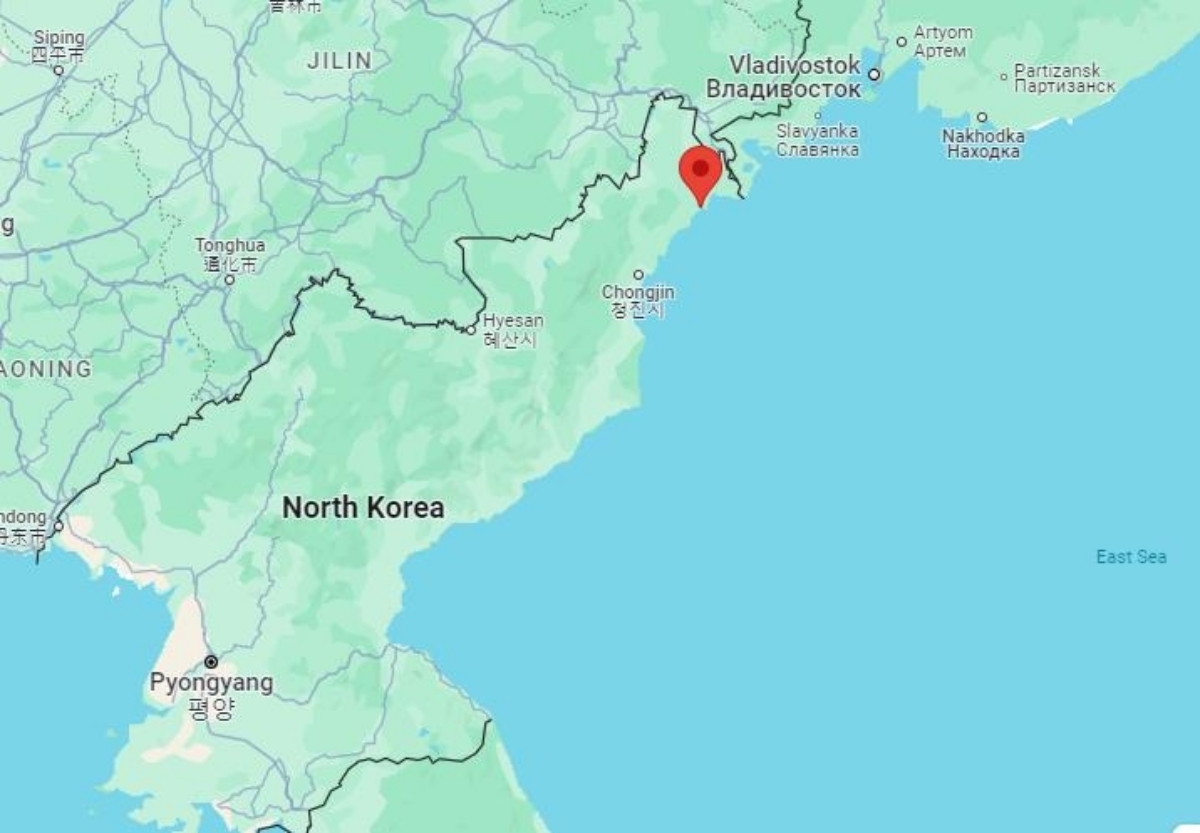
Since 2023, that pier has served as a key hub for four vessels suspected of smuggling North Korean shells and other munitions to Russia.
Analysts say those four ships made approximately 112 calls to Rason between August 2023 and January 2026, moving large volumes of material.
Experts estimate some 8 million to 11 million rounds — loaded into roughly 30,000 containers — were shipped toward the front lines in Ukraine.
Lady R’s recent movements also suggest careful planning.
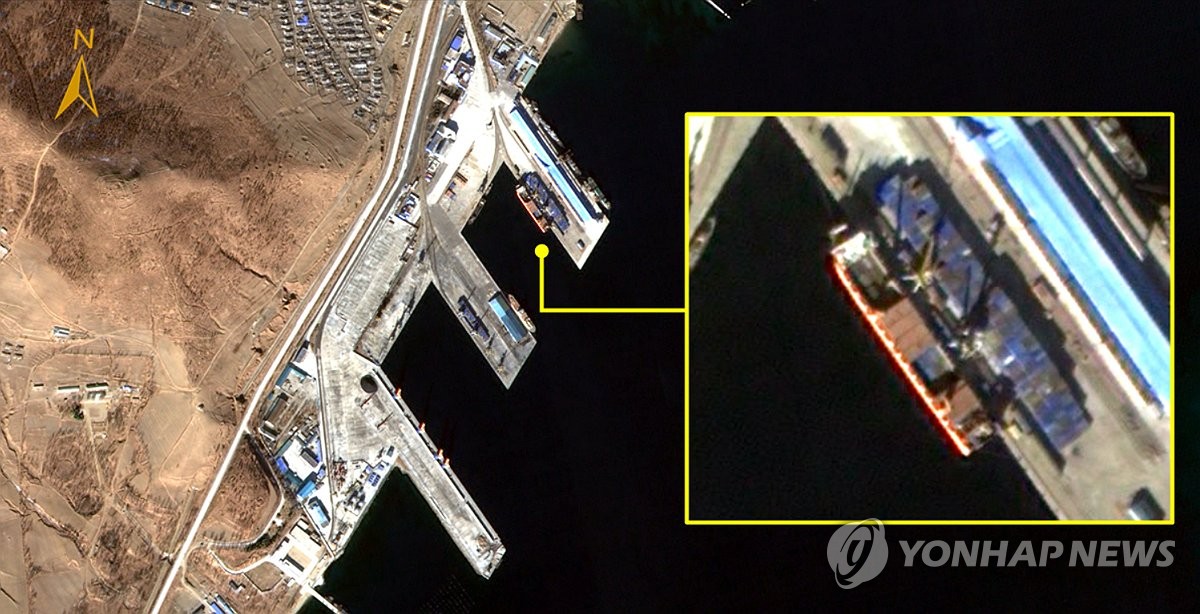
Satellite images show Lady R entered Rason on the 21st and took on two previously unseen yellow objects on its stern. On the 22nd, the ship was photographed unloading cargo at Vostochny in Russia’s Far East — a known off‑load point for North Korean-made arms.
Imagery from mid‑March also captured Lady R quietly entering a northern Rason pier outside its usual unloading area to return empty containers before departing.
Shipments ran nonstop, then abruptly slowed — have they hit a limit?
Notably, the previously frantic shuttle of arms has slowed sharply this year.
Of the four vessels that once moved containers day and night, the Maia‑1 and Maria dropped out of operations in mid‑2024 and mid‑2025, respectively.
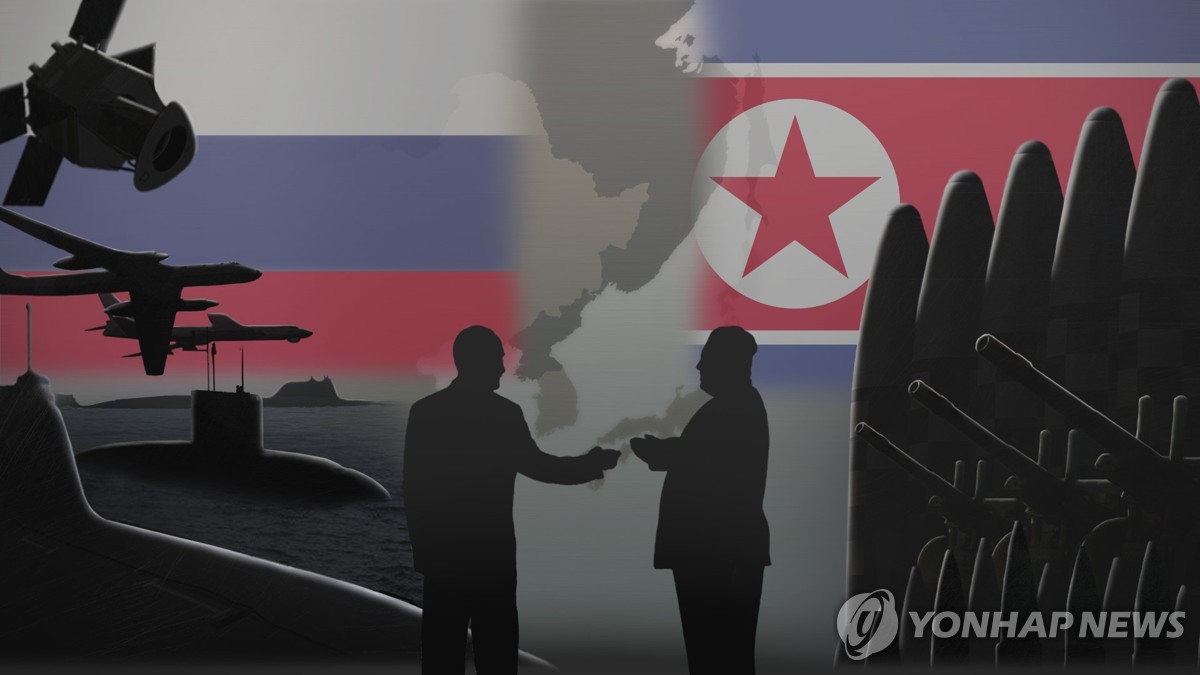
Only Lady R and the Angara now maintain a visible presence. Sightings of Russian ships at Rason fell to just one vessel in January, March and April of this year.
Analysts view the steep drop in voyages as evidence that North Korea’s defense-production capacity is under strain.
Some analysts argue Pyongyang may have exhausted wartime stockpiles by exporting decades’ worth of shells to Russia. Others point to aging weapons factories that are likely overloaded and unable to meet Moscow’s required delivery tempo.
If the illicit North Korea–Russia arms trade has indeed reached a physical tipping point, analysts warn the security consequences could ripple across the Korean Peninsula and into Europe.















Most Commented