
Translation result
Air operations and ocean monitoring combine to tackle climate disasters and maritime accidents simultaneously
Air Force 5th Wing, operator of the KC-330, joins; officials consider adapting equipment-management system for maritime use
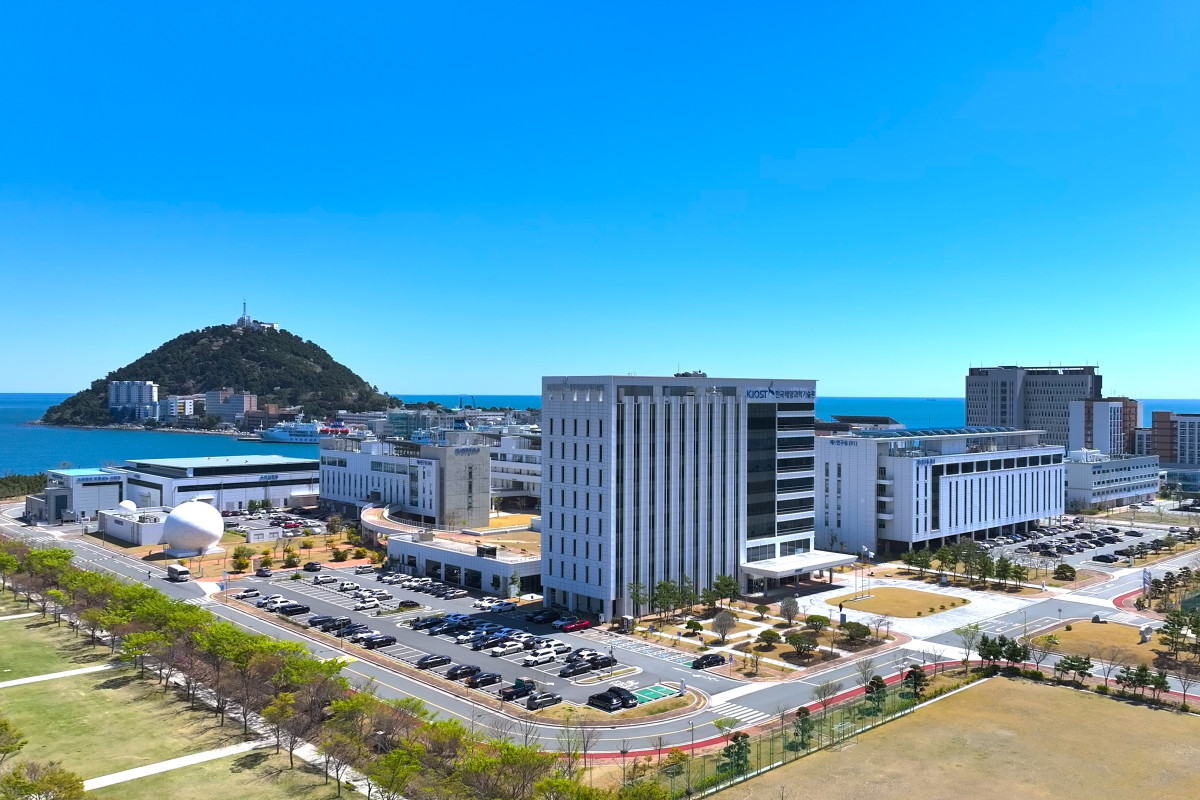
The Air Force is partnering with ocean research institutions to build an integrated monitoring-and-response system capable of addressing climate-driven disasters and maritime accidents simultaneously. Officials say this is the first concrete effort to link air and sea on a single operational platform.
On the 27th, the Korea Institute of Ocean Science & Technology (KIOST) and the Air Force’s 5th Air Mobility Wing held a workshop titled \”Building an Air-Sea Convergence Cooperation Platform in the AI Era\” at Gimhae Air Base to discuss joint measures for responding to complex crises.
The workshop served as the first official forum to integrate air and maritime surveillance and response capabilities as climate change makes disasters larger and more complex.
Delegates focused on combining KIOST’s AI-driven ocean observation and forecasting tools with the 5th Wing’s air-operations expertise to create a complex-crisis monitoring-and-response system. The goal is an integrated platform that can detect maritime incidents and climate disasters at once and speed a coordinated response.
The 5th Wing operates the KC-330, a multipurpose aerial-refueling and transport aircraft, and is a key unit for disaster response and overseas emergency operations. The wing has supported humanitarian missions including COVID-19 vaccine deliveries, repatriation of General Hong Beom‑do’s remains, and evacuations of Korean nationals from the Middle East.
Both organizations also discussed applying the aircraft-centered equipment-management practices used by the wing to maritime operations, benchmarking those systems to improve the efficiency and reliability of ocean observation equipment.
Kang Geun-shin, commander of the Air Force’s 5th Air Mobility Wing, said, \”The 5th Wing’s mission is to go wherever citizens are in danger. By combining our transport capacity and disaster-response experience with KIOST’s research capabilities, we can build a powerful response system to protect the public.\”
Lee Hee-seung, president of KIOST, said, \”The sky and the sea meet, but opportunities for cooperation have been limited. If aviation and ocean science converge on a common AI foundation, we can create a new national model for responding to the climate crisis.\”
KIOST plans to use the collaboration as a springboard to expand air-sea convergence research and help solve national challenges such as maritime-accident response and public safety.









Most Commented