
Translation result.
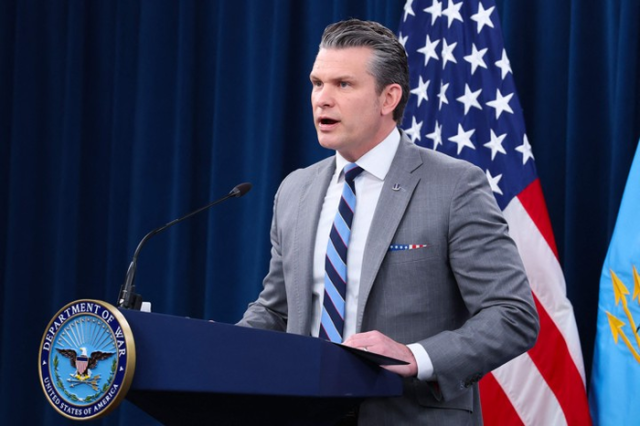
U.S. Defense Secretary Pete Hegseth publicly pressed European and Asian governments to take on a greater role securing passage through the Strait of Hormuz, saying the era of relying solely on U.S. military power to protect that critical sea lane is over.
On April 24, Bloomberg reported Hegseth accused European and Asian countries of “free-riding” on the issue of passage through the Strait of Hormuz. GB News quoted him at a Pentagon briefing saying, “Europe and Asia have benefited for decades from U.S. protection, but the time for freeloading is over.”
He underscored that alliances are reciprocal, not one-way, signaling that states with a significant stake in the strait’s security must share both the costs and responsibilities.
Reuters, reporting from the same briefing, cited Hegseth saying the U.S. maritime blockade on Iran is expanding. “Our blockade is growing and spreading worldwide,” he said.
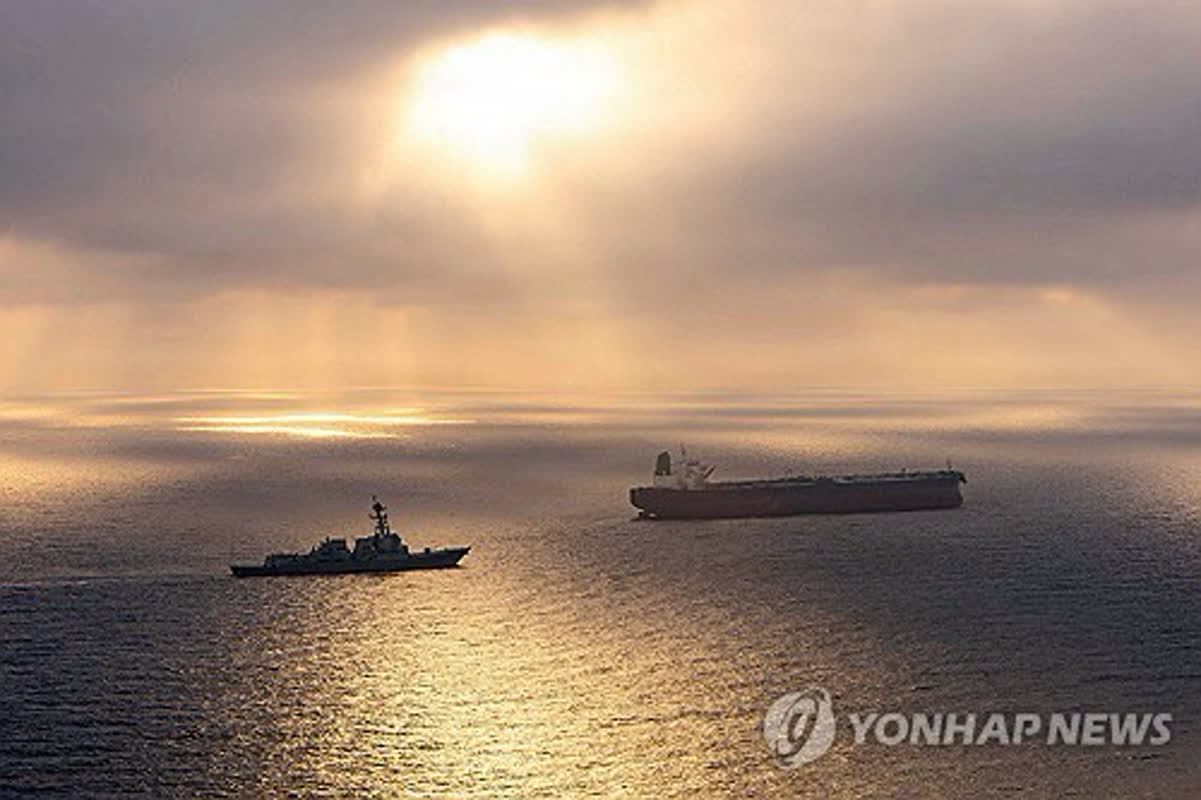
Hegseth said the U.S. Navy has so far turned back 34 vessels in the Strait of Hormuz. He added that no ship can transit from the strait to destinations elsewhere without U.S. Navy authorization.
Analysts view his remarks as a signal that Washington is reframing Strait of Hormuz security as an allied burden-sharing issue. The strait is a vital conduit for Middle Eastern oil and liquefied natural gas (LNG), and major importers in Europe and Asia have a direct interest in keeping the route secure.
Hegseth also left open the possibility of negotiations with Iran. “Iran has an opportunity to reach a good deal with the United States,” he said, but he did not specify whether the blockade would be eased or provide a timetable for talks.









Most Commented