
How AI is Transforming Naval Warfare: Insights from the Latest Military Strategy Meeting
Daniel Kim Views
Translation result
Establish civil‑military expert collaboration
Develop a maritime test range for unmanned systems
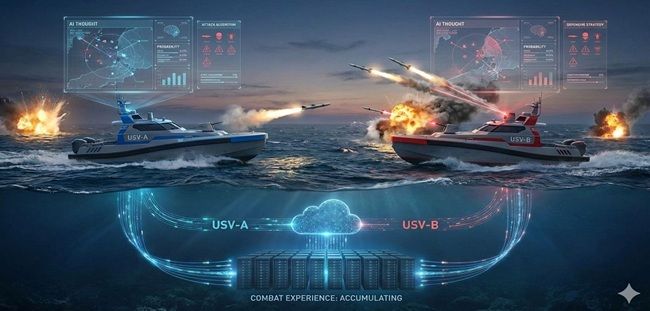
The National Artificial Intelligence Strategy Committee urged heavy investment in a Busan hub to accelerate the Navy and Marine Corps’ artificial intelligence transformation, known as AX.
On the 8th, the committee held a senior-level meeting at the Busan Naval Operations Command to outline steps for strengthening military AI capabilities in response to shifting patterns of warfare.
Im Mun-young, the committee’s full-time vice chair, led the session that morning at the Busan command to press forward with Navy and Marine Corps AX efforts.
Attendees included Shim Seung-bae, head of the Defense and Security division; Kwak Kwang-seop, acting commander of the Naval Operations Command (vice admiral); and Lee Yong-tae, director of information planning at Navy Headquarters (rear admiral), among other officials.
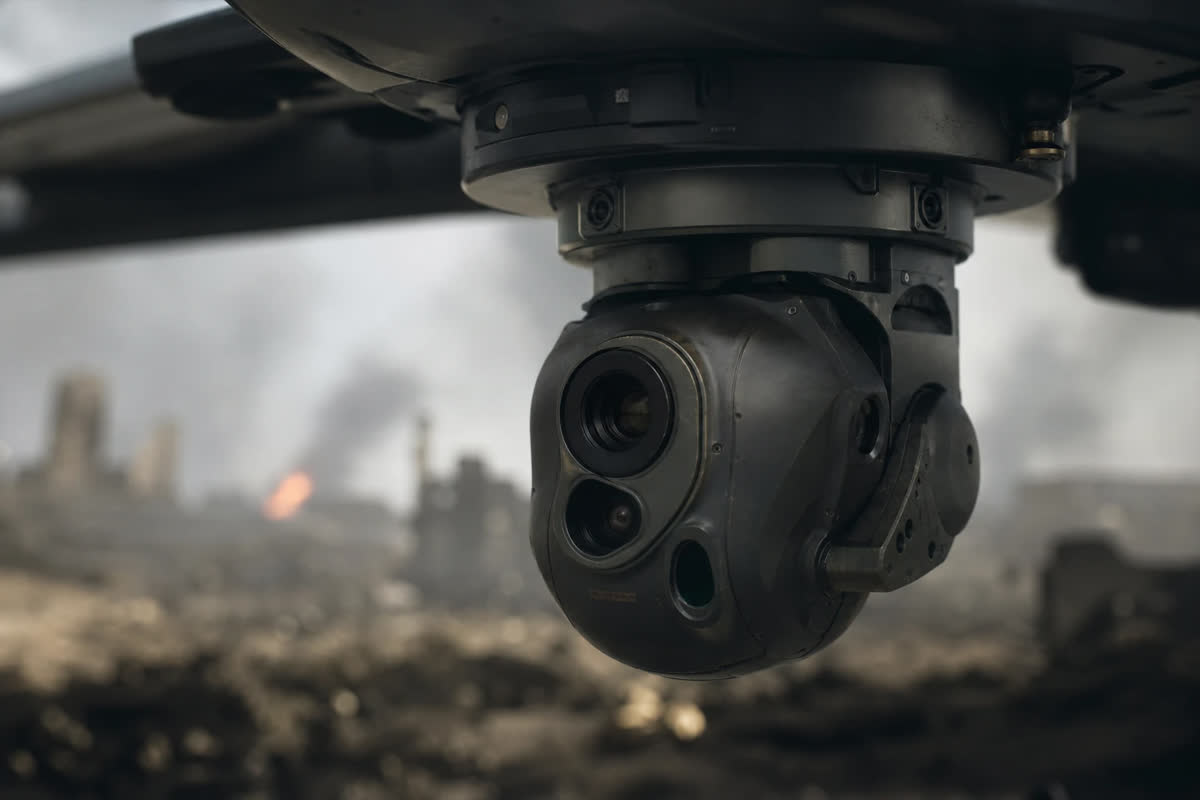
The meeting centered on how advances in AI are reshaping warfare and on how the Navy should respond. Im said, “AI is being integrated into command-and-control systems and into drones in recent conflicts, making decision-making and strikes more intelligent.”
The committee identified creating a collaboration system linking military-domain experts and private AI specialists around Navy and Marine Corps AX hubs as its top priority. It called for experts in intelligence, operations and logistics to work with industry partners to design new operational concepts and develop corresponding weapons and systems.
Committee members cited Maven Smart Systems — whose effectiveness has been demonstrated in conflicts from the Middle East to Europe — to underscore the need for civil‑military cooperation.
They recommended stationing a critical mass of military-domain experts at AX hubs and establishing conditions that enable sustained collaboration with private firms. That, the committee said, will support innovative military AI development and foster industry growth.
As a second priority, the committee proposed building and operating a maritime test range dedicated to unmanned systems. It argued that AI is the core of unmanned systems and outlined a four-step iterative development cycle: conceive innovative combat concepts; develop AI tailored to unmanned platforms; conduct sea trials and collect data; and refine both the AI and the operational concepts.
© Dailian Co. Unauthorized reproduction and redistribution prohibited
- Kim Dong‑yeon concedes defeat in the Gyeonggi governor primary, saying he humbly accepts the party members’ choice
- [Dailian Plaza] People Power Party: Do you lack the courage to ‘lose gracefully’?
- Could a dominant candidate be toppled? How far will the controversy over Jeong Won‑o’s alleged election law violations spread?
- [Middle East war] Global oil prices plunged as much as 19% after the U.S. and Iran agreed to a ‘two‑week ceasefire’
- [Breaking] One wolf escapes from Daejeon O‑World; zoo staff are searching and attempting to recapture it









Most Commented